
The Tool Desk
Outbyte PC Repair FREEClear out junk files and repair common Windows errorsFree Scan →Outbyte Driver Updater FREEFix the driver behind crashes, sound loss and screen glitchesFind Drivers →iTechGuides is reader-supported. When you buy through links on our site, we may earn an affiliate commission. As an Amazon Associate I earn from qualifying purchases. Learn more
The New York Times stopped using 111-111-1111 as its outgoing caller ID on August 15, 2011. Calls from its offices began displaying the paper’s main number, 212-556-1234. The Times said the shared number had been used to help protect newsroom sources, but it retired the display ahead of an expected federal caller ID change and because some organizations blocked calls showing it.
What was 111-111-1111?
It was a shared caller ID displayed on calls from The New York Times’s offices. Rather than showing the originating newsroom extension, the calls showed 111-111-1111. The number became a recognizable oddity precisely because it looked unlike an ordinary phone number.
The Times reportedly began using it in 1999. The newspaper’s stated rationale was to make it harder for someone examining phone records obtained by subpoena to determine which newsroom extension had placed a call. iMediaEthics reported that telecommunications manager Lorraine Bellagamba described the number as “intended to help the newsroom protect its sources.” That fragment is the reported wording; it should not be taken as a complete quotation.
Why did the Times use the number?
The Times explained the practice as a source-protection measure. If calls from different newsroom extensions showed the same outgoing number, the caller ID would not itself identify which extension had placed a particular call. The stated aim was to limit what phone records could reveal about journalists’ contacts.
#1 Best Overall
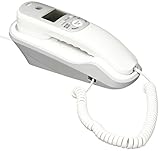
- Caller ID/Call Waiting
- 80-name/number Caller ID history
- 13-number memory
- Display dial
- Mute/flash.Last number redial.Ringer volume control.Desk/wall mountable.White
That explanation describes the Times’s purpose, not an independently established measure of how much protection the arrangement provided. The available contemporaneous accounts do not specify the phone equipment or carrier configuration involved, nor do they quantify how often the number was used or how many calls it covered.
When did 111-111-1111 stop appearing?
The Times announced the change on August 12, 2011. It took effect on August 15: outgoing calls from the newspaper began displaying 212-556-1234, its main number, instead of 111-111-1111.
Rank #2

- Built-in Digital Answering System: Record up to 25 minutes of messages, outgoing announcements, and memos with easy playback and remote access — no need for a separate answering machine
- Large Tilt Display for Easy Viewing: Adjustable backlit LCD screen clearly shows Caller ID, call history, and menu options from any angle
- Reliable Corded Performance: Works during power outages for basic calling (line-powered); Caller ID and answering system require 4 AA batteries (not included)
- Caller ID: View incoming caller names and numbers with a 50-name/number call log for convenient call screening
- Convenient Features: Speakerphone, volume control, last number redial, and wall-mountable design — For everyday home or small office use.
| Date | What happened |
|---|---|
| 1999 | The Times reportedly began using 111-111-1111 as a shared outgoing caller ID, according to the newspaper’s explanation reported at the time. |
| August 12, 2011 | The Times announced it would stop using the number. |
| August 15, 2011 | The caller ID change took effect; outgoing calls displayed 212-556-1234. |
Why did the Times change its caller ID?
The Times cited two practical reasons for ending the shared display:
- An expected federal caller ID requirement: Contemporary accounts said the newspaper anticipated a federal change requiring legitimate caller ID signatures. They do not establish that a law specifically compelled the Times to replace this number or confirm the final status and effective date of the anticipated change.
- Call blocking: The Times said some organizations blocked calls displaying 111-111-1111, making the shared number a barrier to reaching recipients.
So the number’s end was not simply a reported legal order to stop using it. The Times’s explanation connected the change to an expected regulatory shift and the difficulty of getting some calls through.
Rank #3

- 25-Minute Digital Answering System — Never miss a message again. Record up to 25 minutes of incoming calls, outgoing announcements, and memos with easy instant playback, selective save/delete, and the ability to skip or repeat messages right from the handset or base
- Extra-Large Tiltable Backlit Display — See Caller ID names, numbers, time, and date at a glance — even Call Waiting. The oversized LCD tilts for the perfect viewing angle, reducing strain for seniors and anyone with vision needs
- Oversized Big Buttons — Large, high-contrast keys are easy to read and press — ideal for elderly users, arthritis, or low vision. Simple, frustration-free dialing every time
- Hands-Free Speakerphone — Talk and listen comfortably without holding the handset. Perfect for multitasking, note-taking, or including the whole family in the conversation
- Reliable Corded Design with Audio Assist — Works even during power outages. Audio Assist temporarily boosts volume and clarity for better hearing, plus an extra-loud ringer with visual flashing indicator
What did recipients see?
Recipients of calls from the Times could see 111-111-1111 on their caller ID before August 15, 2011. The Payphone Project author recalled receiving a Times-associated call that displayed the number, an example of how it appeared to a recipient. That recollection illustrates the display but does not establish how common the calls were or how widely the public recognized the number.
Quick Recap
Best Value

- UNSURPASSED RANGE: Experience the best in long-range coverage and clarity, provided by a unique antenna design and advances in noise-filtering technology
- ANSWERING SYSTEM: This reliable cordless system includes a digital answering machine that can record up to 22 minutes of incoming messages, outgoing announcements and memos, and a voice-guide for easier set up
- SMART CALL BLOCKER & CALLER ID ANNOUNCE: Say goodbye to unwanted calls. Robocalls on your landline are automatically blocked from ever ringing through - even the first time. You can also permanently blacklist any number you want with one touch on the dedicated key on the handset. The call block directory can store up to 1,000 name and number entries. Plus, the handset announces the name of the caller, so you can decide to answer the call or block it - screening calls has never been easier
- LARGE 2-INCH SCREEN, BIG TEXT, LIGHTED KEY PAD: High-contrast text on the extra-large 2 inch screen makes it easy to read incoming caller ID or call history records. Plus, the enlarged font and extra-large and lighted handset keypad allows for easy dialing in low-light conditions. This feature is helpful for those who are visually impaired
- HANDSET SPEAKERPHONE, AUDIO ASSIST, INTERCOM: This cordless system has built-in full-duplex speakerphone on handset allowing both ends to speak - and be heard - at the same time for conversations that are more true to life. Also designed with useful features like Audio Assist and handset intercom to help make your daily communications enjoyable
Rank #4

- [13 Speed Dial Keys] - With 3 dedicated memory keys to do one touch dialing to your 3 favorite numbers. Additionally 10 more numbers for two touch dialing using the number keys on keypad.
- [Display dialing & Last Number Redial] - The redial button help to dial the last number swiftly. Telephone numbers in the Caller ID log can be dialed with the touch of a button.
- [Caller ID / Call Waiting] - See who is calling with caller ID / call waiting. The handset displays the name, number, time and date of incoming calls. Stores 80 call record entries. For the Caller ID to function, three Alkaline AA batteries (not included) are necessary.
- [No AC Power Required] The Line-power mode enables you to connect to the world without any dependency on power at your premises. Standby time over one year & talk time over 6 months. Handset will indicate low battery when required.
- [[Easy Wall Mountable] This phone was designed to easily hang on the wall of your home and office so that you can keep on doing your activities and be able to take the call when required.
Product prices and availability are accurate as of the date/time indicated and are subject to change. Any price and availability information displayed on Amazon at the time of purchase will apply.

