
The Tool Desk
Outbyte PC Repair FREERepair Windows errors before they cause bigger problemsFix Now →Outbyte Driver Updater FREEFix the driver behind crashes, sound loss and screen glitchesFind Drivers →iTechGuides is reader-supported. When you buy through links on our site, we may earn an affiliate commission. As an Amazon Associate I earn from qualifying purchases. Learn more
The Senate passed H.R. 5235, the Skills-Based Federal Contracting Act of 2025, without amendment by unanimous consent on September 30, 2026. The bill would not scrap education requirements outright: it would require a contracting officer to include a written justification in a solicitation before setting a minimum education requirement for proposed contractor personnel. As of October 1, the sponsor’s office and FedScoop described it as heading to or awaiting presidential action; the sources reviewed do not confirm formal presentation, a signature, or a veto after that date.
What the bill would change
H.R. 5235 would add a new section, 3313, to title 41 of the U.S. Code. Its reported-in-Senate text says a solicitation may not set a minimum education requirement for proposed contractor personnel as a condition of award unless the contracting officer includes a written justification explaining why the executive agency’s needs cannot be met without the requirement and how the requirement ensures those needs are met. This is proposed statutory language, not a statement that the measure is already law. Read the reported-in-Senate bill text.


In practical terms, the bill makes justification a condition for using such a requirement; it does not prohibit agencies from using one when they provide the specified explanation. The text defines education requirements more broadly than degree-only rules: it includes requirements met through education alone, education or experience, or a combination of education and experience. The covered education can include associate, bachelor’s, graduate, or professional degrees, specified coursework, and other educational attainment from qualifying institutions. The measure addresses federal contract solicitations for proposed contractor personnel, not all employers’ hiring practices or requirements for federal employees.
Where the bill stands
The House passed H.R. 5235, as amended, on February 23, 2026. The Senate passed it without amendment by unanimous consent on September 30, 2026, according to the Senate floor record. The earlier House Congressional Record documents House passage.
On October 1, Representative Nancy Mace’s office said the bill was going to President Trump to be signed, and FedScoop described it as awaiting presidential action. Those reports do not establish when it was formally presented or whether the President later signed or vetoed it. The statement from Mace’s office and FedScoop’s report support that October 1 characterization. The Senate’s passage is not itself enactment.
What would happen if it becomes law
The bill directs the Director of the Office of Management and Budget to issue implementation guidance within 180 days after enactment. It also directs the Comptroller General to report to Congress on executive-agency compliance within three years after enactment. Neither clock starts with Senate passage; both deadlines are prospective and depend on enactment. The bill text sets out these directions, and the Congressional Budget Office’s bill summary provides an official description.
Independent reader supportYour contribution helps us test, update, and keep practical guides available for everyone.What the measure does not establish
The statutory mechanism may give agencies a route to preserve education requirements they can justify while making the rationale visible in solicitations. It may also create an opening for candidates whose qualifications come through non-degree paths where a degree is not necessary to meet an agency’s needs. But the bill text alone does not show how frequently agencies will use the exception, how strong their justifications will be, or whether hiring, access, or contract performance will change in practice.
What’s actually slowing this PC down?
Pick the symptom - the matching free tool is one click away.
Quick Recap
Best Value
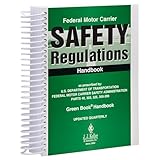
- FMCSR handbook gives drivers easy access to word-for-word Federal Motor Carrier Safety Regulations.
- Includes Parts 303, 325, 350-399, and 40 of the FMCSRs, with interpretations inserted immediately following the regulation
- Includes intermodal equipment requirements minimum periodic inspection standards, medical regulatory criteria, regulatory histories
- 8.5 x 11" English spiral bound handbook with 608 pages.
Rank #3

- 4-page 8.5" x 11" laminated Contract law quick reference guide
- Th law chart takes the reader through all aspects of contract formation and enforcement with clear summaries and effective cross references to areas such as Torts and Criminal Law.
- The most commonly employed American Contract terms are defined in clear reference tables.
- Glossary of terms and corresponding definitions
- Easy-to-read to promoted memory retention. Great learning aid.
Product prices and availability are accurate as of the date/time indicated and are subject to change. Any price and availability information displayed on Amazon at the time of purchase will apply.

