
The RPi chess project is a graphical, bare-metal game for Raspberry Pi: it boots without an operating system, displays the board over HDMI, and takes moves through six GPIO-connected buttons. Its creators also wrote a limited assembler in C for the project. They described it as a two-player game, not a chess engine with an AI opponent.
What the Raspberry Pi assembly chess project is
Xu Ji, Bora Mollamustafaoglu, and Gun Pinyo created the game as a first-year C project at Imperial College London. A contemporary Make: article published July 3, 2013 described its colourful graphical board and its use of the Pi GPU. The project repository includes the report and presentation, assembler materials, and game source: the Chess repository.
“Bare metal” means the game runs without an operating system managing it as a normal desktop application. It is therefore a small hardware-and-software project with a specific boot process and physical controls, rather than a chess program to install and launch in a desktop environment.
How the game handles display and input
The repository documents HDMI-connected display output and six momentary push buttons wired to GPIO. Each button has a stated control:
What’s actually slowing this PC down?
Pick the symptom - the matching free tool is one click away.
#1 Best Overall
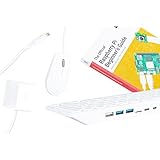
- POWERFUL PROCESSOR: Features a 2.4GHz quad-core ARM Cortex-A76 processor with 8GB RAM capacity for smooth performance and multitasking capabilities
- COMPLETE KIT: Includes 32GB microSD card, micro HDMI to HDMI-A cable, USB mouse, US keyboard, and power supply for immediate setup
- CONNECTIVITY: Multiple ports including USB 2.0, dual USB 3.0, Gigabit Ethernet, and built-in Wi-Fi/Bluetooth for versatile connectivity options
- DISPLAY OUTPUT: Supports micro HDMI output with OpenGL capabilities for high-quality visual display and graphics performance
- EXPANSION OPTIONS: Equipped with GPIO pins, SD card slot, and wireless connectivity for extensive project development and customization
| GPIO pin | Action |
|---|---|
| GPIO18 | Left |
| GPIO4 | Down |
| GPIO23 | Up |
| GPIO17 | Right |
| GPIO22 | Select |
| GPIO27 | Reset/restart |
The README’s additional parts list calls for a breadboard, six 10 kΩ resistors, six 1 kΩ resistors, and male-female and male-male jumper wires. It also requires a Raspberry Pi, an SD card, and an HDMI-connected screen. These are the project’s documented requirements, not a validated shopping list for a currently supported board.
Why the project includes its own assembler
The team wrote a limited assembler in C as part of the assignment. In Make:’s 2013 account, the assembler was based on ARM7 assembly, supported a restricted set of instructions, and used labels for variable names. Make: reported the game at about 15,000 lines; that is the publication’s contemporary estimate, not a fresh count of the repository.
Rank #2

- Not including the Raspberry Pi 5 (8GB), the Crowpi advanced version comes with the Raspberry Pi 5
- ELECROW Black Case for the Raspberry Pi 5, CrowPi is equipped with a 9-inch HD touchscreen along with a camera; All the regular components used in DIY electronics are packed into the CrowPi development board, such as LCD, LED matrix, buzzer, light sensor, PIR sensor, ultrasonic sensor, IR sensor, etc
- Raspberry Pi Sensors: The Crowpi raspberry pi 5 programming kit is jam-packed with lots of buttons such as 19 different sensors in a tidy easy to use package; You don't have to wait and wire things
- Build Quality: Solid ABS shell and well made components in one place make it strong and convenient to travel
- Programming Lessons: This raspberry pi 5 learning kit ships with step by step instructions and provides 21 lessons to take you through identifying components reading code and running it in the terminal
The project README says assembler binaries were provided for x86 and ARM, while the assembler source was withheld at the time. Those statements describe the repository as documented; they do not establish that its tools or build instructions work unchanged in present-day environments.
Is it a two-player game or does it have an AI?
The authors described the game as intended for two players and said they had not written an AI. That distinction matters: the available descriptions do not support treating it as a computer opponent or evaluating its chess strength as an engine. The Raspberry Pi forum post uses the phrase “chess in asm!” and describes a graphical game running in assembly without an OS. The forum attributes the post to handle xj112358; the sources do not establish that poster’s personal name or formal role.
Crashes, No Sound, or Screen Glitches?
Random freezes, missing sound and display glitches usually trace back to one bad driver. Find and replace yours safely.Free scan · under a minuteWindows Errors? Fix Them Before They Spread
Repair common Windows errors and clear accumulated junk for a smoother, more stable PC - no reinstall needed.Free scan · no reinstallRank #3

- BUILD A COMPUTER: Includes all the components needed to build a fully-functioning computer! A Raspberry Pi, 7" screen, DIY speaker, rechargeable battery. Teaching kids to be STEAM-capable; coding their own games, interactive projects and more!
- HANDS-ON STEAM PROJECTS: Building the computer is only the beginning! Using Piper’s StoryMode, kids are guided through a secret mission, attaching wires and connecting electronic components to move around an immersive world and controlling the outcome.
- LEARN TO CODE: With a Piper Computer Kit, kids learn the basics of coding with 11 progressively challenging projects using an easy, drag-and-drop visual coding language. Using PiperCode, kids progress through tangible tasks that increase their level of confidence.
- CREATED FOR KIDS: Designed by educators to foster self-paced learning, kids advance from foundational tasks through more challenging projects at their own pace. They can progress to pre-loaded Python programming language, deepening their engagement and competence.
- THE BUILD IS JUST THE BEGINNING: Piper Computer Kit features an integrated, build-it-yourself speaker and 7" HDMI screen. The kit is engineered for multi-rebuilds, with a sturdy carrying case. Beyond the build, Piper Computer Kit launches kids into an expansive, adventurous world of learning disguised as fun, with dozens of playable projects from Day One.
How to build and boot the project
The repository’s documented process is to build an image, then put it on the SD card’s boot partition. Follow the README for the exact wiring and setup alongside these high-level steps:
- Open a shell in the repository’s
programsdirectory. - Run
make chess. The README says this generateskernel.img. - Replace the image in the SD card’s boot partition with the generated
kernel.img. - Connect a screen by HDMI and wire the six momentary buttons to the listed GPIO pins, using the components specified in the README.
- Boot the Raspberry Pi from that card and use the buttons for navigation, selection, and reset.
The repository documents this historical boot-image workflow, but does not name currently supported Raspberry Pi models or verify current compatibility. The instructions should not be treated as a guarantee that a present-day board, firmware setup, or build environment will work without modification.
Quick Recap
Best Value

- The Raspberry Pi Raphael Starter Kit for Beginners: The kit offers a rich learning experience for beginners aged 10+. With 337+ components, 161 projects, and 70+ expert-led video lessons, this kit makes learning Raspberry Pi programming and IoT engaging and accessible. Compatible with Raspberry Pi 5/4B/3B+/3B/Zero 2 W /400, RoHS Compliant
- Expert-Guided Video Lessons: The Raspberry Pi Kit includes 70+ video tutorials by the renowned educator, Paul McWhorter. His engaging style simplifies complex concepts, ensuring an effective learning experience in Raspberry Pi programming
- Wide Range of Hardware: The Raspberry Pi 5 Kit includes a diverse array of components like Camera, Speaker, sensors, actuators, LEDs, LCDs, and more, enabling you to experiment and create a variety of projects with the Raspberry Pi
- Supports Multiple Languages: The Raspberry Pi 4 Kit offers versatility with support for 5 programming languages - Python, C, Java, Node.js and Scratch, providing a diverse programming learning experience
- Dedicated Support: Benefit from our ongoing assistance, including a community forum and timely technical help for a seamless learning experience
Rank #4
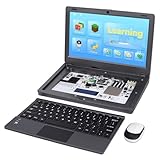
- All-in-One Raspberry Pi Portable Laptop: CrowPi 2 is designed as a compact, portable laptop and an advanced STEAM education platform that integrates Raspberry Pi support, built-in sensors, and self-developed tutorial software — perfect for students, makers, and educators alike. (Raspberry Pi 5 not included)
- Built-In Sensors & GPIO Learning Platform: The raspberry pi electronic kit with 22 kinds of sensors and modules with a clearly labeled layout for fast learning and rapid prototyping. Learners can directly explore GPIO programming, circuit logic, and hardware interaction without additional wiring
- Detachable Wireless Keyboard & Portable Design: The CrowPi 2 Raspberry Pi kit comes with a detachable wireless keyboard, built-in 11.6-inch IPS display, 2MP camera, stereo speakers, and a sleek portable body, this device works both as a laptop and a project station wherever you go
- Interactive Learning System: The Raspberry Pi 5 kit includes structured tutorial software supporting Scratch, Python, AI, and Minecraft programming, guiding users from beginner concepts to practical projects. Offline account management allows learners to save progress and continue lessons anytime
- Full Accessory Set: The Raspberry Pi laptop kit includes dual TF cards (128GB OS + 32GB RetroPie), plus Scratch and Python guidebooks. It also comes with RFID kit, 2 game controllers, 10 NFC cards, Minecraft modeling set, power supply, TF card reader, and a carrying bag for easy organization and portability
What is established—and what is not
- Established: This was a graphical bare-metal Raspberry Pi chess project, with HDMI display output and physical GPIO-button input.
- Established: The creators wrote a restricted custom assembler in C for the assignment, and described the game as two-player without AI at the time.
- Not established: Compatibility with any particular currently sold Raspberry Pi model, a tested modern build procedure, or a current measurement of source-code size.
- Not established: A computer-playing mode or an engine strength rating.
Product prices and availability are accurate as of the date/time indicated and are subject to change. Any price and availability information displayed on Amazon at the time of purchase will apply.

