
iTechGuides is reader-supported. When you buy through links on our site, we may earn an affiliate commission. As an Amazon Associate I earn from qualifying purchases. Learn more
The Dig: Keeladi and the Politics of India’s Past is journalist Sowmiya Ashok’s narrative nonfiction account of the Keeladi excavation and the political arguments that gather around archaeological evidence. It follows the story beyond Keeladi, taking in other sites and the wider question of how India’s past is investigated, interpreted and claimed. The result, as one reviewer describes it, is accessible in style but demanding in the volume of information it brings together.
What is The Dig about?
Keeladi—also spelled Keezhadi—is the book’s central site. Hachette India describes it as a contested excavation discovered in 2014: some have presented it as evidence of an urban civilization in South India, while others have dismissed that interpretation as political mythmaking. Ashok traces the site’s discovery and the storm of argument around it, rather than treating archaeology as a neutral backdrop to a settled story. Hachette India’s description frames the book as narrative nonfiction.
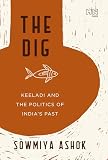


The scope is broader than one excavation. The publisher says Ashok’s journeys also take in early Iron Age locations in Tamil Nadu, Rakhigarhi in Haryana and Muziris in Kerala. Those stops place Keeladi within a wider account of archaeological work and historical interpretation across India, rather than making the book solely a site history.
Free tools Windows power users keep installed
One-click scans. No signup required.
How does the book handle archaeology and politics?
The central tension is between material evidence and the narratives built around it. Excavations can generate evidence about past lives, but claims about what that evidence means can become bound up with regional identity, state authority and competing accounts of India’s history. The publisher’s description presents Keeladi as a flashpoint in that process; Charumathi Supraja’s Hindustan Times review, published October 2, 2026, likewise emphasizes the political conversations surrounding archaeology.
#1 Best Overall
Supraja notes that Ashok makes her own identity as a “native Tamil” visible in the narrative and considers how state custody of the past can become politically charged. That perspective matters to the book’s subject: who studies, interprets and controls archaeological knowledge is part of the debate, not merely a question of what objects are found.
The review also reports that the excavation report submitted on the work remained unpublished as of October 2, 2026. That status is specific to the review’s publication date; it should not be read as a claim about the report’s status at a later date. The available review describes the dispute but does not settle the archaeological interpretations. A reader should distinguish the political controversy the book examines from proof that any single political reading of the site is correct.
What is the reading experience like?
Supraja calls the style “breezy” while describing the book as “packed with information.” Her review says it brings together research, interviews, historical dates and material from intersecting fields, so an easy-moving narrative does not necessarily make it a light or uncomplicated read.
Do these 3 things before closing this tab:
1Fix the driver behind crashes, sound loss and screen glitches2Clear out junk files and repair common Windows errors3Scan for outdated or missing drivers - takes under a minuteThe Indian Express presents the book as a wider account of how archaeology has been practised and politicised in independent India. The Asian Review of Books review describes a blend of archaeological overview, political discussion, reportage and travel writing, while offering a reservation of its own: it argues that the political discussion can overshadow the archaeological history. That is one reviewer’s critique, not a consensus judgment.
Rank #3

- Privateer Press
- NARF_US_5634
In practical terms, the book is a fit for readers interested in the overlap between archaeology, journalism and political history. Readers looking for a narrowly technical account of excavation methods or a single-site archaeological catalogue may find its broader political and travel-reportage strands take up substantial space.
Independent reader supportYour contribution helps us test, update, and keep practical guides available for everyone.Publication details
| Detail | Publisher listing |
|---|---|
| Author | Sowmiya Ashok |
| Imprint | John Murray |
| Format | Hardcover |
| Publication date | December 23, 2025 |
| Length | 320 pages |
| ISBN | 9789357317504 |
| Listed price | INR 799 |
These are bibliographic details and a listed price from Hachette India, not independently verified current retail terms. The publisher listing identifies the hardcover by ISBN 9789357317504; check a seller’s edition and current price before ordering.
Quick Recap
Best Value
Product prices and availability are accurate as of the date/time indicated and are subject to change. Any price and availability information displayed on Amazon at the time of purchase will apply.

