
PC Slower Than It Used to Be?
A free scan shows the junk files, broken settings and background clutter dragging Windows down - then fixes them in one click.Free scan · Windows 10 & 11Outdated Drivers Are Slowing You Down
One free scan finds every outdated or missing driver and matches the right update for your exact hardware.Free scan · exact hardware matchiTechGuides is reader-supported. When you buy through links on our site, we may earn an affiliate commission. As an Amazon Associate I earn from qualifying purchases. Learn more
I made a four-books-in-two-months goal manageable by planning around the time and attention I already had—not by finding extra free hours. The routine is simple: choose books I want to read, set a realistic recurring slot, use print, ebooks or audio to suit the moment, and check progress weekly. Four books in eight weeks works out to roughly one every two weeks; that is a planning checkpoint, not a promise that every reader—or every book—will fit that pace.
Start with books you actually want to read
Before the two-month stretch begins, choose four titles or make a short list of candidates. Include books you genuinely want to read as well as any you need to read for work. A book that feels like an obligation is harder to reach for when a short window opens.

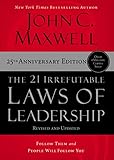
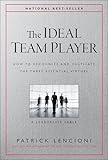
Keep the next book easy to find, and give yourself options if your mood or available attention changes. In a TIME article, author and reader Anne Bogel argues that having appealing books ready helps sustain motivation; she also suggests that reading more than one book can ensure a suitable choice is available. TIME’s advice on reading more also quotes New York Public Library Reader Services staff member Chasity Moreno on the value of formats for times when sitting down to read is not practical.
Set a recurring target that fits your schedule
“Read more” is difficult to act on. A repeatable time slot is easier to plan around: a break, the start or end of the day, or another period you can realistically protect. Pick a duration you can keep doing, rather than treating a published challenge as a requirement.
#1 Best Overall
For perspective, TIME’s 2025 reading challenge uses 25 minutes a day as an example. Its article calculates that this adds up to 9,125 minutes, or more than 152 hours, over a year. That is arithmetic based on the challenge’s daily target—not evidence that 25 minutes is enough to finish a particular book or that everyone can maintain the same schedule. Read TIME’s 2025 reading-habit advice.
Estimate the time for your own titles and formats as you go. Length, density, familiarity with the subject, interruptions and the pace needed to understand the material all affect how quickly you finish. The useful question is whether your recurring slot is moving you through the book, not whether you are matching someone else’s pages-per-day figure.
Rank #2

- The Five Dysfunctions of a Team
- English
- hardcover
- First Edition
- gelatine plate paper
Match the format to the time and attention available
Short waits, a walk and a quiet reading session are different situations. Choose the format that fits the place and the attention you can give it; switching formats is an option, not a requirement.
| Format | Where it may fit | What to consider |
|---|---|---|
| A dedicated reading slot | No device is needed, but carrying a book may be less convenient. | |
| Ebook | Brief waiting periods or other moments when a screen is convenient | Portable access is useful, but library availability and device compatibility vary. |
| Audiobook | Walking or household tasks when listening is safe and your attention is available | You need access to the audio edition and enough attention to follow it. Not every activity is suitable for listening. |
| Hybrid | Different parts of the day that suit different formats | Keep text and audio available if that helps you resume; changing formats is not a guarantee of better retention. |
TIME’s reading-advice article describes ebooks for brief waits and audiobooks for walks or household tasks. It also quotes Moreno saying, “Sometimes you don’t have the time to sit and read,” and treats audiobooks as a valid way to engage with books. If listening counts toward your personal goal, decide that for yourself and be consistent about what you count.
Rank #3

- Author: Bungay Stanier, Michael.
- Publisher: Page Two
- Pages: 244
- Publication Date: 2016-02-29
- Edition: 1
Use a library app before buying a device or subscription
Libby offers ebooks and digital audiobooks through participating libraries. You need a library card for each library you add, and the titles available depend on that library’s collection and current availability. A title the library does not offer may show “Notify Me” rather than “Borrow,” so access to the app does not mean every book is immediately available.
When connected to Wi-Fi, Libby downloads loans for offline use by default. Its quick-start guide explains borrowing and downloading. You do not need a dedicated e-reader to try ebooks: a phone, tablet or print book may already suit your routine.
Kindle is an optional route, not a universal library-book solution. Libby says most Libby books can be read on a Kindle e-reader in the U.S. only; support is not available for every title, and the option is not established for readers outside the U.S. Check Libby’s Kindle instructions for the applicable details before relying on it.
The Tool Desk
Outbyte Driver Updater FREEFix the driver behind crashes, sound loss and screen glitchesFind Drivers →Outbyte PC Repair FREEClear out junk files and repair common Windows errorsFree Scan →Track progress, then adjust once a week
A small check-in keeps the goal practical. Once a week, note what you finished, what you are reading and whether the current plan is working. If a book is longer or more demanding than expected, adjust the schedule or choose another title from your list. You do not need to make up missed sessions by reading faster.
Best Value
Tracking can be as simple as a note or a reading app. On iPhone, Apple Books lets you change its daily reading goal, mark titles finished and set a yearly book goal. Apple documents defaults of five minutes per day and three books per year; those are app defaults, not targets you need to adopt. See Apple’s instructions for setting reading goals.
What the two-month goal can—and cannot—tell you
Four books in eight weeks is a useful way to organize a personal challenge: it gives you a rough checkpoint of one book every two weeks. It cannot predict your pace without knowing the books, your available time and how carefully you want to read them. The reviewed sources do not establish a validated pages-per-day target for team leads, or prove that this routine will produce four finished books for another person.
The practical method is to keep the goal adjustable: choose books worth your attention, reserve a realistic recurring slot, use a format suited to the moment and review your progress regularly. If four books do not fit, revise the goal rather than treating the number as a test.
What’s actually slowing this PC down?
Pick the symptom - the matching free tool is one click away.
Quick Recap
Product prices and availability are accurate as of the date/time indicated and are subject to change. Any price and availability information displayed on Amazon at the time of purchase will apply.

