
iTechGuides is reader-supported. When you buy through links on our site, we may earn an affiliate commission. As an Amazon Associate I earn from qualifying purchases. Learn more
Nike is still working through a reset, while adidas is currently reporting stronger growth. Nike’s latest reported quarter showed falling sales, especially in Direct and digital; adidas’ latest half-year showed growth in both DTC and wholesale. Those results are not a like-for-like scorecard: Nike’s latest period is three months and adidas’ is six. The more useful comparison is how each company sells products, what is driving its recent results, and whether its chosen strategy can improve demand and profitability.
How Nike and adidas make money
Nike combines owned retail and digital with wholesale
Nike sells footwear, apparel and related products through NIKE Direct—its own stores and digital platforms—and wholesale accounts, including distributors, licensees and sales representatives. The company says nearly all its products are made by independent contractors. Its stated strategy centers on sport and innovation, consumer connections, and experiences across digital and retail.
| # | Preview | Product | Price | |
|---|---|---|---|---|
| 1 |

|
adidas Men's Daily 4.0, Grey/White/Off White, 11 | $38.97 | Buy on Amazon |
| 2 |
|
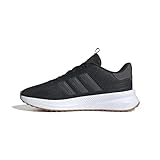
adidas Men's X_PLR Path, Black/Grey/Gum, 10.5 | $45.49 | Buy on Amazon |
| 3 |
|
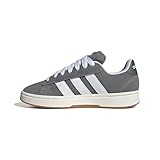
Adidas Men's Grand Court Alpha, Grey/White/Off White, 10.5 | $56.00 | Buy on Amazon |
| 4 |

|
adidas Men's Run Falcon 6, BlackWhiteWhite, 11 | $50.00 | Buy on Amazon |
| 5 |

|
adidas Women's Runfalcon 6, Black/White/Carbon, 8 | $58.50 | Buy on Amazon |
This model gives Nike direct access to customers through its own channels while also relying on retail partners to distribute products. The balance matters: a shift in demand or sales between wholesale and Direct can affect reported channel results even when it does not, by itself, establish what consumers are buying through every retailer.
Windows Errors? Fix Them Before They Spread
Repair common Windows errors and clear accumulated junk for a smoother, more stable PC - no reinstall needed.Free scan · no reinstallCrashes, No Sound, or Screen Glitches?
Random freezes, missing sound and display glitches usually trace back to one bad driver. Find and replace yours safely.Free scan · under a minuteadidas uses a substantial multi-brand retail network alongside DTC
adidas sells through wholesale partners as well as its own retail and e-commerce. In FY2025, wholesale accounted for 60% of adidas’ net sales and DTC for 40%, according to the company. Those are adidas FY2025 proportions; Nike’s disclosures emphasize channel revenue and strategy rather than providing a directly comparable channel-share figure in the reported material here.
#1 Best Overall
- Classic skate-inspired sneakers for stylish everyday wear
- LEATHER UPPER: Leather upper for comfort and soft feel
- REINFORCED TOE: Added protection in the toe area offers extra durability
- TEXTILE LINING: Textile lining provides a soft, comfortable feel
- RUBBER OUTSOLE: The rubber outsole provides outstanding grip and a sleek, low-profile look
adidas describes multi-brand distribution as important in several markets and categories. Its work with retail partners includes service, tailored assortments, in-store presentation, and monitoring partner sell-out and inventory. The FY2025 channel shares should not be treated as the same-year equivalent of Nike’s later quarterly channel changes or assumed to use identical definitions.
What the latest results say—and what they do not
The latest reviewed reporting periods differ. Nike’s FY2027 first quarter ended August 31, 2026; adidas’ first half of 2026 ended June 30. Currency-neutral growth adjusts for exchange-rate effects, while reported growth reflects the company’s reporting currency. The figures below describe each company’s own period and are not a direct comparison of equal-length results.
| Measure | Nike: FY2027 Q1, three months ended August 31, 2026 | adidas: H1 2026, six months ended June 30, 2026 |
|---|---|---|
| Revenue | $11.2 billion; down 4% reported and 5% currency-neutral (NIKE, Inc., FY2027 Q1 filing) | €13.335 billion; up 10% reported and 14% currency-neutral (adidas AG, H1 2026 results) |
| Wholesale | Nike Brand wholesale revenue of $6.8 billion, down 1% currency-neutral (NIKE, Inc., FY2027 Q1 filing) | Up 7% currency-neutral (adidas AG, H1 2026 results) |
| Owned channels | NIKE Direct revenue of $4.1 billion, down 9% currency-neutral; digital sales down 13% currency-neutral (NIKE, Inc., FY2027 Q1 filing) | DTC up 23% currency-neutral; e-commerce up 26% and own retail up 21% (adidas AG, H1 2026 results) |
| Inventory | $7.8 billion at August 31, 2026, up 5% from May 31, primarily due to product mix (NIKE, Inc., FY2027 Q1 filing) | €5.969 billion, up 13% year over year, as adidas prioritized product availability, including for the World Cup (adidas AG, H1 2026 results) |
The table shows a clear difference in recent reported momentum, but it does not prove that adidas has completed a recovery or that Nike’s reset has failed. The periods differ in length, the companies report in different currencies, and results reflect different product, regional and channel mixes.
Do these 3 things before closing this tab:
1Repair Windows errors before they cause bigger problems2Fix the driver behind crashes, sound loss and screen glitches3Clear out junk files and repair common Windows errorsRank #2
- Men's lightweight running-inspired sneakers for everyday wear
- MESH UPPER: Mesh upper for breathability and light weight
- TEXTILE LINING: Textile lining provides a soft, comfortable feel
- CUSHIONED MIDSOLE: Cloudfoam midsole for step-in comfort and superior cushioning
- RUBBER OUTSOLE: The rubber outsole provides outstanding grip and a sleek, low-profile look
Nike’s reset follows a weak year and continued quarterly declines
For the fiscal year ended May 31, 2026, Nike reported revenue of $46.4 billion, flat on a reported basis and down 2% currency-neutral. Wholesale revenue rose 6% reported for the year, while NIKE Direct fell 6% reported. In the fourth quarter, Direct was down 7% reported and 9% currency-neutral.
The next quarter remained difficult: FY2027 Q1 revenue fell 4% reported and 5% currency-neutral. Direct and digital were weaker than wholesale on a currency-neutral basis. That channel mix matters to the reset because Nike says it is rebuilding wholesale relationships and physical retail presentation while trying to make Nike Brand Digital a full-price platform.
adidas’ half-year growth has more than one driver
adidas reported H1 2026 currency-neutral growth in both wholesale and DTC, with DTC growing faster. The company attributed performance to its product pipeline, strong sell-through, locally relevant assortments, marketing, retailer relationships and greater DTC demand. It also said it maintained a conservative wholesale sell-in approach in a promotional marketplace. Sell-in to retailers and consumer sell-through are different measures, so growth in one channel should not be read as proof that every product is selling equally well at full price.
Rank #3
- A synthetic leather upper delivers a sleek look with a soft, premium feel. A Cloudfoam midsole adds plush cushioning for all-day comfort. The rubber cupsole provides reliable grip and a timeless, sporty silhouette.
- SYNTHETIC LEATHER UPPER: Lightweight polyurethane leather upper has a leather-like look and feel
- TEXTILE LINING: Textile lining provides a soft, comfortable feel
- CUSHIONED MIDSOLE: Cloudfoam midsole for step-in comfort and superior cushioning
- CLASSIC OUTSOLE: Rubber cupsole for good grip
On July 30, 2026, adidas raised its FY2026 currency-neutral revenue-growth outlook to 9–10%, from high-single-digit growth, while retaining an expected operating profit of around €2.3 billion. These are management forecasts, not completed results.
Free tools Windows power users keep installed
One-click scans. No signup required.
What each company is doing to recover or sustain growth
Nike is clearing room for a different product and channel mix
Nike says it is accelerating innovation and reducing supply of certain footwear products. It is also returning Nike Brand Digital to a full-price platform, reinvesting in wholesale, improving physical retail presentation, and investing in brand and sports marketing. The company says additional Sportswear and Jordan actions will extend beyond FY2027, as will its work in Greater China.
The reset carries a near-term cost: Nike’s FY2027 Q1 filing says these actions have adversely affected and are expected to continue affecting revenue and profitability. In the company’s account, the weaker results are therefore occurring alongside measures intended to improve the product and marketplace position, not after those measures have already produced a recovery.
Rank #4
- Versatile running shoes with Cloudfoam cushioning technology for consistent comfort.
- Laces
- Textile and synthetic upper
- Textile sockliner
adidas is combining growth with a cautious wholesale stance
adidas’ H1 approach combines product and marketing investment with retailer support, localized assortments and growth in its owned channels. Its decision to keep wholesale sell-in conservative in a promotional market is distinct from simply maximizing shipments to partners. At the same time, inventory rose as adidas prioritized availability, including ahead of the World Cup. That choice may support sales if demand materializes, but it also makes subsequent sell-through and inventory management important to watch.
Where the results are coming from
adidas’ strongest reported categories were apparel and Performance
In H1 2026, adidas apparel revenue rose 33% currency-neutral, footwear rose 2%, and accessories rose 16%. Performance grew 34%, led by Football, Running and Motorsport; Lifestyle grew 4%. This spread shows why the 14% company-wide currency-neutral growth rate should not be mistaken for uniform growth across products: apparel and Performance were much stronger than footwear overall and Lifestyle.
Nike is still rebalancing footwear and named product lines
Nike’s latest filing describes reducing supply of certain footwear products and continuing actions in Sportswear and Jordan. It does not establish that those changes have already restored demand. A useful test is whether the revised assortment and innovation pipeline improve full-price sales without requiring prolonged markdowns or further weakening digital revenue.
Best Value
Regional performance differed, too
Nike identified Greater China, EMEA and Converse as sources of weakness in FY2027 Q1, partly offset by North America. adidas reported H1 growth across regions, including Greater China, while Europe grew more slowly. These are company-level descriptions for different periods; neither establishes that every brand, category or country followed the regional pattern.
Independent reader supportYour contribution helps us test, update, and keep practical guides available for everyone.Inventory, discounting and profitability need context
Inventory is a strategic choice as well as a risk measure
Nike says it is using markdowns and wholesale support to clear inventory and make room for new products. Its inventory stood at $7.8 billion on August 31, 2026, 5% above May 31, primarily due to product mix. adidas, by contrast, reported inventory 13% higher year over year in H1 2026 as it prioritized product availability. A lower inventory figure is not automatically proof of a stronger business, nor does a higher one alone prove excess stock: what matters is whether the merchandise sells through at healthy prices and whether supply matches demand.
Headline margins can include unusual effects
Nike’s FY2026 fourth-quarter reported gross margin was 49.2%, but the company said it included an approximately 900-basis-point benefit tied to expected recovery of IEEPA tariffs. That one-quarter benefit makes the margin a poor stand-alone indicator of underlying recovery. It should not be confused with the separate FY2027 Q1 revenue and channel figures.
What’s actually slowing this PC down?
Pick the symptom - the matching free tool is one click away.
adidas’ H1 2026 gross margin was 51.8%, little changed year over year, while operating profit rose 11% to €1.279 billion and operating margin was 9.6%. adidas said its margin held broadly stable despite tariff and currency headwinds. These half-year profitability measures are not directly comparable with Nike’s cited fourth-quarter gross margin: the periods and margin measures differ.
How to judge whether either strategy is working
For Nike, look for recovery beyond the reset itself
- Whether wholesale growth can continue while Direct and digital sales stabilize and return to growth.
- Whether Nike Brand Digital’s full-price positioning is accompanied by healthier demand rather than simply fewer discounted sales.
- Whether product reductions and new innovation improve sell-through without extended revenue or profitability pressure.
- Whether Greater China, Sportswear and Jordan improve after the company’s stated work extends beyond FY2027.
For adidas, look for durable breadth and inventory discipline
- Whether growth extends beyond apparel and Performance to footwear and Lifestyle.
- Whether retailer sell-through and DTC demand remain strong without heavier promotions.
- Whether elevated inventory supports availability and sales rather than creating working-capital strain or markdown pressure.
- Whether the raised FY2026 revenue outlook translates into results while the company delivers its operating-profit expectation.
These are analytical tests based on the companies’ disclosed strategies and results, not outcomes already established by the filings.
Which company is recovering faster?
On the latest disclosed results, adidas has the stronger growth picture: its H1 2026 revenue, wholesale and DTC all grew, while Nike’s FY2027 Q1 revenue, Direct and digital sales declined. But the reporting windows are different, adidas’ inventory increased, and Nike is still in the middle of actions it says are affecting performance. The evidence supports saying adidas is growing more strongly in its latest reported period; it does not support declaring either a completed adidas recovery or a completed Nike turnaround.
Quick Recap
Product prices and availability are accurate as of the date/time indicated and are subject to change. Any price and availability information displayed on Amazon at the time of purchase will apply.
The Tool Desk
Outbyte PC Repair FREERepair Windows errors before they cause bigger problemsFix Now →Outbyte Driver Updater FREEScan for outdated or missing drivers - takes under a minuteDriver Scan →
