
What’s actually slowing this PC down?
Pick the symptom - the matching free tool is one click away.
iTechGuides is reader-supported. When you buy through links on our site, we may earn an affiliate commission. As an Amazon Associate I earn from qualifying purchases. Learn more
Memory lapses can have many causes, and a memory problem alone does not mean someone has Alzheimer’s disease or another dementia. Occasional forgetfulness may happen with aging; repeated, worsening changes or problems that disrupt everyday tasks warrant a conversation with a healthcare professional.
When should you worry about memory loss?
Pay attention to the pattern and its effect on daily life. An occasional lapse that a person later recalls is different from repeated problems that make familiar routines difficult. That distinction can help identify when to seek advice, but it cannot diagnose dementia.
The National Institute on Aging (NIA) identifies changes worth discussing with a clinician, including:
- Asking the same questions repeatedly.
- Getting lost in familiar places.
- Having trouble following a familiar recipe or directions.
- Becoming confused about time or place.
- Neglecting personal care or acting unsafely because of memory or thinking problems.
Arrange a medical discussion for noticeable, persistent, worsening, or otherwise concerning changes. Do not wait for a particular number of lapses or try to determine the cause on your own. The NIA’s overview of memory problems and aging explains examples of changes to watch for.
#1 Best Overall
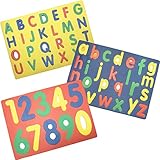
- Color May Vary
- 26 Piece Foam Puzzle
- 100% Money Back Guaranteed Satisfaction
- Kids will have fun learning the alphabet on this colorful, informative puzzle
- 12.5" Length X 8.5" Height
What can cause memory problems?
Memory changes are a symptom, not a diagnosis. Dementia is one possible explanation, but other health or lifestyle factors can also affect memory and thinking. The NIA lists potential contributors such as medication side effects, depression or anxiety, sleep problems, alcohol or drug misuse, some thyroid, kidney, or liver problems, and low levels of nutrients such as vitamin B12.
Some causes may improve when identified and treated, but that does not mean every memory problem is reversible or that you can tell the cause from symptoms alone. A clinician can consider the person’s overall health and circumstances. Avoid starting a supplement or stopping a prescribed medicine without medical advice.
Rank #2

- L-Shaped Desk Edge Cushion: The L-shaped profile wraps over the front edge of your desktop to create a softer contact area for your elbows and forearms. It adds targeted desk edge padding where your arms naturally rest against hard desk edges
- Slow-Rebound Memory Foam Comfort: Made with slow-rebound memory foam and Lycra fabric, this desk arm rest pad gently conforms under your arms and gradually returns to shape after pressure is released, providing soft cushioning for everyday desk use
- Flexible Placement and Practical Size: Use the two pads side by side for a wider support area or place them separately on the keyboard and mouse sides of your desk. Each pad measures 11.8 x 3.9 in, allowing you to adjust the spacing and coverage to fit different desk setups
- Easy to Clean and Non-Slip: The smooth Lycra surface wipes clean easily with a damp cloth, while the textured non-slip PU base helps keep each pad stable on the desk during regular use
- Wrist and Forearm Support for Desk Setups: Suitable for keyboard and mouse use, home offices, study desks and gaming stations, the pads support your wrists, forearms and elbows along the desk edge. They can also serve as a desk-edge wrist rest and a practical computer desk accessory
How is memory loss evaluated?
An evaluation typically begins with a conversation about the changes and the person’s health. Depending on the symptoms and medical context, a clinician may review medical and medication history, daily function and behavior, and use tests of thinking or memory. Standard medical tests may help investigate possible causes. Mental-health assessment, brain imaging, or other specialized tests may be considered when appropriate.
The exact evaluation varies by person; not everyone needs every test. Ask what a recommended test is intended to assess and what its results can and cannot establish. The NIA guide to how Alzheimer’s disease is diagnosed describes parts of the evaluation and the need to consider other explanations.
Rank #3

- Help Seniors Stay Mentally Engaged These puzzles for dementia seniors are designed for elderly adults with dementia products for elderly activities
- Easy-to-Handle Puzzle Pieces Each set includes 25 large pieces, making these large piece puzzles for seniors with dementia easy to see, hold, and complete without confusion or frustration
- Support for Cognitive Health These jigsaw puzzles for dementia support memory recall, visual recognition, and hand-eye coordination, helping seniors stay mentally active through gentle daily exercise
- Perfect for Home, Caregivers, and Senior Centers Ideal puzzles dementia patients can use in home care, nursing homes, memory care programs, and caregiver-led activities for structured and calming engagement
- Thoughtful Gift for Aging Loved Ones These puzzles for Alzheimer patients make a thoughtful gift for seniors with dementia, offering relaxing, hands-on activities that support emotional comfort and family bonding
How to prepare for a doctor’s appointment
Primary care is a common place to start. Bring concrete information that helps the clinician understand what has changed, when it began, and how it affects everyday activities.
- Write down dated examples of memory, mood, behavior, or functional changes.
- List current and past medical problems and relevant family history.
- Bring a complete list of prescription medicines, over-the-counter medicines, vitamins, and supplements.
- Write down questions, such as “What tests will be performed?”, “What does each test involve?”, and “How long will it take to learn the results?”
A notebook or symptom journal can keep these observations in one place; it is an organizational aid, not a treatment or a requirement. If helpful, ask someone who knows the person well to attend and share observations. The Alzheimer’s Association appointment guide covers preparation and possible questions.
Rank #4

- Sure to spark memories and conversation!
- Each puzzle includes 17 pieces with moisture-resistant, wipe-clean surfaces
- Printed on non-toxic foam for easy grip & handling, perfect for clients with impaired dexterity
- Keep clients challenged, busy, and improve their hand-eye coordination and problem-solving skills
- Each puzzle measures 11-1/4" x 17" when complete and the pieces are 1/2" thick
When might a specialist be involved?
A primary-care clinician may handle the initial assessment or recommend a specialist based on the symptoms and findings. Possible referrals include a neurologist, geriatrician, psychiatrist, or psychologist. Which professional is appropriate depends on the person’s situation; a referral does not by itself establish a dementia diagnosis.
Be cautious with products that promise to improve memory
Do not rely on supplements, pills, brain-training games, or similar products marketed to treat memory loss or prevent dementia. The NIA cautions that products making these claims may be unsafe, waste money, or interfere with other treatment. Discuss any product you are considering with a clinician, especially if you take medicines or have other health conditions. The NIA’s memory and aging guidance addresses these claims.
Quick Recap
Best Value

- Foam Puzzle: great for young kids, this foam puzzle feels squishy to the touch and is great to build on the floor. You get this “Go Spidey.” superhero puzzle image with Peter, Miles, and Gwen ready for action
- Made For Kids: With just 25 pieces, this jigsaw puzzle is suitable for all children ages 4 and up. It will present an exciting, but doable challenge that will be fun and help with their learning development
- Their Favorite Characters: Your kids will love seeing Spidey and his Amazing Friends on this foam puzzle. It has all the colorful fun and adventure that they love watching on the Disney Junior TV show
- Family Game Night: Make memories with board games for kids 4-6, board games for kids 6-8 & board games for kids 8-12. Take the fun outside with camping games & outdoor games for adults and family
- Spin Master Toys & Games: Looking for kids games, yard games & card games for grown ups, kids or teens? Shop everything from family game night, travel games, puzzles for adults & family games
Product prices and availability are accurate as of the date/time indicated and are subject to change. Any price and availability information displayed on Amazon at the time of purchase will apply.

