
iTechGuides is reader-supported. When you buy through links on our site, we may earn an affiliate commission. As an Amazon Associate I earn from qualifying purchases. Learn more
Self-hosting Forem is not covered by one status. The Kamal 2 deployment path is explicitly labeled “Beta” in the main Forem repository’s README. The official Self-Host playbook is presented as an available route for self-managed installations and is not described as beta in the official material. Neither the playbook nor the Kamal section is certified as production-ready. Whether a self-hosted Forem is ready for your community depends on which route you choose and on whether your team can run the stack over time.
Which self-hosting route you are asking about
Forem publishes at least two self-hosting paths in its official material, and they carry different labels. The table below sets out what the official sources state for each.

| Route | Official status in the sources | Supported targets | What you need or run |
|---|---|---|---|
| Self-Host playbook (Forem Self-Host repository) | Presented as an available route for a free, self-managed Forem installation. Not labeled beta in the official sources. | DigitalOcean, AWS, and Google Cloud. Bare metal or other systemd-capable Linux environments are described as adaptable, and QEMU is mentioned for local development. | Fedora CoreOS virtual machines, Ansible, a cloud provider, Python, systemd, Podman, Butane, and Ignition. |
| Kamal 2 deployment (main Forem repository README, section “Deployment with Kamal (Beta)”) | Labeled “Beta” in the section heading. | Cloud providers or bare metal. | SSH access, Docker on the local and target machines, and a container registry account. The instructions cover configuration, secrets, setup, and rolling deploys. |
| Forem Cloud | Named by Forem as its fully managed enterprise option. Not a self-hosted route. | Not applicable. Forem hosts it. | Not stated in the official sources. The playbook points to a contact route, and no pricing or terms are given. |
What the beta label covers
The beta label is attached to the Kamal deployment section of the main repository README, not to Forem as a whole. A beta label on the Kamal path does not make the Self-Host playbook beta, and the absence of a label on the playbook does not certify it for production. Read each route on its own terms. If you choose Kamal, plan for the beta status. If you choose the playbook, plan around its explicit warnings about complexity and limited testing, covered below.
What the official sources do not establish
Forem’s official material answers the availability question, but it does not settle production readiness. Specifically, the sources do not establish:
#1 Best Overall

- TRUE PLUG-AND-PLAY HOME SERVER: Forget complex VPS setups or command lines. Simply connect power and Ethernet to start hosting immediately with zero technical skills required. This managed, all-in-one appliance is the easiest way to run blogs (compatible with WordPress), private applications, and bots directly from home using your own domain.
- NO MONTHLY SUBSCRIPTION FEES: Stop renting server space. Enjoy a one-time hardware purchase model with absolutely no recurring hosting fees for typical usage. The system includes a generous monthly traffic allowance that covers the needs of almost all personal and small business websites, allowing the device to pay for itself quickly.
- INSTANT ONE-CLICK APP LIBRARY: Instantly deploy over 50 curated open-source applications without hassle. The diverse ecosystem includes essential tools, compatible with WordPress, Ghost, Nextcloud (for private cloud storage), Joomla, and OpenClaw. Perfect for content management, e-commerce, private email, and business tools.
- INCLUDES FREE SSL & ENTERPRISE SECURITY: Get professional performance and safety without the extra costs. Seamlessly integrate your existing custom domain or utilize the included free subdomain. Your sites are automatically secured with free SSL certificates, built-in DDoS protection, and global CDN acceleration.
- TOTAL DATA PRIVACY & OWNERSHIP: Keep your digital assets secure on your own local hardware, not on third-party "big tech" servers. Designed for privacy-conscious individuals, creators, and small businesses seeking platform independence. Includes an intuitive web management portal for complete peace of mind.
- A blanket production-readiness certification for any self-hosted deployment, on any route.
- Any traffic level, uptime target, or service-level commitment for a given server setup.
- A minimum server configuration. The playbook includes example infrastructure sizes, but they are deployment examples, not published minimums or a general sizing guide.
- Any named statistic on performance, adoption, or reliability.
If your community needs a guaranteed uptime level or a specific load capacity, the official material gives you no basis for a promise. You would need to measure that yourself.
The complexity warning and the maintenance burden
The Self-Host playbook is direct about the effort involved. It states: “Please note that Forem is a complex piece of software, and hosting and managing it in a cloud environment is non-trivial.” The same playbook says its recipes and scripts are expected to work for the limited scenarios that were tested against, and that modifying the recipes or the deployed environment may require familiarity with the wider stack.
Rank #2
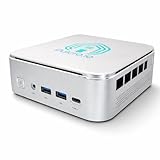
- 🌍 𝗔𝘀𝘀𝗲𝗺𝗯𝗹𝗲𝗱 𝗶𝗻 𝘁𝗵𝗲 𝗨𝗦𝗔 – Built and quality-checked in Texas with a 2-Year US-Based Limited Warranty for dependable long-term support.
- 🖥️ 𝗣𝗿𝗼𝘅𝗺𝗼𝘅 𝗩𝗘 + 𝗛𝗼𝗺𝗲 𝗔𝘀𝘀𝗶𝘀𝘁𝗮𝗻𝘁 – Preinstalled with Proxmox Virtual Environment and a ready-to-run Home Assistant VM, giving you a powerful, flexible platform for virtualization, automation, and self-hosted services - all in one system with full local control and no mandatory cloud dependence.
- ⚙️ 𝗗𝗲𝘀𝗶𝗴𝗻𝗲𝗱 𝗳𝗼𝗿 𝗖𝗼𝗻𝘁𝗶𝗻𝘂𝗼𝘂𝘀 𝗢𝗽𝗲𝗿𝗮𝘁𝗶𝗼𝗻 – Built for reliable 24/7 performance powering virtualization, automation, containers, storage, and professional workloads.
- 🧠 𝗖𝗵𝗼𝗼𝘀𝗲 𝗬𝗼𝘂𝗿 𝗣𝗿𝗼𝗰𝗲𝘀𝘀𝗼𝗿 𝗣𝗲𝗿𝗳𝗼𝗿𝗺𝗮𝗻𝗰𝗲 – Available with AMD R2314 (efficient 4-core), AMD R2514 (8-thread multitasking), or Intel Core i3-1215U (hybrid 6-core performance) to match your workload.
- 💾 𝗘𝘅𝗽𝗮𝗻𝗱𝗮𝗯𝗹𝗲 𝗥𝗔𝗠 & 𝗨𝗽 𝘁𝗼 𝟰𝗧𝗕 𝗡𝗩𝗠𝗲 𝗦𝘁𝗼𝗿𝗮𝗴𝗲 – Dual SO-DIMM slots support up to 64GB RAM. Dual NVMe SSD slots support up to 4TB total storage. Select installed memory and storage based on your needs.
Day-to-day maintenance can involve the following layers, all named in the playbook:
Quick wins for a faster PC:
Scan for outdated or missing drivers - takes under a minuteDriver Scan →Repair Windows errors before they cause bigger problemsFix Now →Fix the driver behind crashes, sound loss and screen glitchesFind Drivers →- Ansible for provisioning and configuration.
- Your cloud provider’s console and APIs.
- Python and systemd on the host.
- Podman for containers.
- Fedora CoreOS as the operating system for the virtual machines.
- Butane and Ignition for generating and applying the machine configuration.
A team that cannot debug across these layers will find the playbook’s “non-trivial” warning is accurate. Kamal 2 narrows the stack, since it relies on SSH and Docker, but its beta label means you should expect the instructions and tooling to change.
Rank #3

- Pro-Performance NAS Engineered for Demanding Workflows: This NAS is built for offices, businesses, and power users who need serious performance. Powered by a pro-performance Intel processor, it serves as a versatile private workstation that delivers smooth performance for running virtual machines and Docker containers. It functions as an IT hub for video editors, developers, virtualization tasks, and growing teams with advanced workflows
- Pro-Grade Core Hardware Performance: Features the Intel Core i3-1315U Processor (6 Cores, 8 Threads, up to 4.5GHz Turbo), offering a significant performance lead. It's paired with 8GB of high-speed DDR5 RAM (expandable to 96GB) and 13th Gen Intel UHD Graphics for smooth multitasking. Dual high-speed network ports (10GbE + 2.5GbE) enable blazing-fast transfers, reaching up to 1.25GB/s
- Ultimate Flexibility with Docker, VMs & Smart AI: It offers comprehensive support for Docker and Virtual Machines, unlocking endless possibilities to run personal websites, smart home hubs, or private development environments. The local AI-powered Photo Album automatically recognizes faces, scenes, and content. All AI processing happens on-device, ensuring your privacy while managing massive photo libraries effortlessly
- Massive Storage & Intuitive All-in-One System: It supports a colossal 144TB capacity (4x HDD + 2x M.2 SSD), enough for approximately 4.2 million 35MB RAW photos, 3.6K 40GB 4K movies, 5 million 30MB lossless music, or 150 million 1MB files. Dual M.2 PCIe 4.0 SSD slots can be used as a high-speed cache or storage pool to eliminate HDD bottlenecks. The intuitive UGOS Pro operating system integrates a media center, photo management, cloud sync, downloads, and more for a one-stop experience
- Enterprise-Grade Data Security & Privacy: Provides multiple RAID configuration options (0, 1, 5, 10) for flexibility between capacity, speed, and protection. Features granular user permission controls (supporting up to 2048 accounts). The Data Vault offers an extra layer of security by hiding and encrypting sensitive files. Certified for strong privacy and data protection by TV SD (ETSI EN 303 645) and TRUSTe
Why the documentation may not match the code you deploy
Forem’s developer documentation sends operators to the official self-host playbook, but it also warns about its own accuracy. The Self Hosting Forem page states: “We’re currently making rapid changes to the product so our docs may be out of date.” Those sentences come from project material, and no individual maintainer is named in the passages. The practical consequence is that a tutorial or blog post written for an earlier version may describe steps that no longer match the current repository. Start from the current README and the playbook, and treat older guides as background only.
Deciding between self-hosting and a managed service
Forem names Forem Cloud as the fully managed enterprise option for organizations for whom self-hosting is unsuitable. Use these questions to decide:
Rank #4
- 🌍 𝗔𝘀𝘀𝗲𝗺𝗯𝗹𝗲𝗱 𝗶𝗻 𝘁𝗵𝗲 𝗨𝗦𝗔 – Built and quality-checked in Texas with a 2-Year US-Based Limited Warranty for dependable long-term support.
- 🖥️ 𝗣𝗿𝗼𝘅𝗺𝗼𝘅 𝗩𝗘 + 𝗛𝗼𝗺𝗲 𝗔𝘀𝘀𝗶𝘀𝘁𝗮𝗻𝘁 – Preinstalled with Proxmox Virtual Environment and a ready-to-run Home Assistant VM, giving you a powerful, flexible platform for virtualization, automation, and self-hosted services - all in one system with full local control and no mandatory cloud dependence.
- ⚙️ 𝗗𝗲𝘀𝗶𝗴𝗻𝗲𝗱 𝗳𝗼𝗿 𝗖𝗼𝗻𝘁𝗶𝗻𝘂𝗼𝘂𝘀 𝗢𝗽𝗲𝗿𝗮𝘁𝗶𝗼𝗻 – Built for reliable 24/7 performance powering virtualization, automation, containers, storage, and professional workloads.
- 🧠 𝗖𝗵𝗼𝗼𝘀𝗲 𝗬𝗼𝘂𝗿 𝗣𝗿𝗼𝗰𝗲𝘀𝘀𝗼𝗿 𝗣𝗲𝗿𝗳𝗼𝗿𝗺𝗮𝗻𝗰𝗲 – Available with AMD R2314 (efficient 4-core), AMD R2514 (8-thread multitasking), or Intel Core i3-1215U (hybrid 6-core performance) to match your workload.
- 💾 𝗘𝘅𝗽𝗮𝗻𝗱𝗮𝗯𝗹𝗲 𝗥𝗔𝗠 & 𝗨𝗽 𝘁𝗼 𝟰𝗧𝗕 𝗡𝗩𝗠𝗲 𝗦𝘁𝗼𝗿𝗮𝗴𝗲 – Dual SO-DIMM slots support up to 64GB RAM. Dual NVMe SSD slots support up to 4TB total storage. Select installed memory and storage based on your needs.
- Do you have people who can run Linux, containers, and provisioning tools? If not, self-hosting through the playbook will be hard to sustain, and a managed option is worth a serious look.
- Can you accept a beta label on your deployment path? If not, avoid the Kamal section until its label changes, and use the playbook route instead.
- Is your community expected to be available at all times? The official sources do not promise any availability level, so the operational responsibility falls on your team.
- Do you need Forem’s own support for enterprise use? Forem Cloud is the route the official material points to for that need.
Checklist before you deploy
- Open the current Forem README and the Self-Host playbook and confirm the labels and supported targets. Labels and warnings can change, so check them on the day you deploy.
- Choose one route. For the playbook, pick DigitalOcean, AWS, Google Cloud, or bare metal. For Kamal 2, pick a cloud provider or bare metal.
- Confirm the Kamal prerequisites on every machine involved: SSH access, Docker on both the local and target machines, and a container registry account.
- Build a non-production instance first and run through a deploy and an upgrade before any real members join.
- Name the person responsible for each maintenance layer, including Ansible, systemd, Podman, and the cloud provider account.
- Write down how you will back up data and roll back a failed deploy, and test both before going live.
Set up this process before launch, not after the first outage. The official sources give you installation paths and warnings, but the reliability of your installation depends on the checks your team runs.
Quick Recap
Product prices and availability are accurate as of the date/time indicated and are subject to change. Any price and availability information displayed on Amazon at the time of purchase will apply.

