
Quick wins for a faster PC:
Scan for outdated or missing drivers - takes under a minuteDriver Scan →Clear out junk files and repair common Windows errorsFree Scan →iTechGuides is reader-supported. When you buy through links on our site, we may earn an affiliate commission. As an Amazon Associate I earn from qualifying purchases. Learn more
Use content marketing to help a specific audience solve a relevant problem and take a useful next step—not simply to keep publishing. Start with a business objective, learn what one priority audience needs, choose topics and formats your team can sustain, and plan how to distribute and measure each piece. The steps below turn that approach into a workable startup process without assuming a particular budget, publishing cadence, or channel.
1. Set a business objective before choosing topics
Decide what the business needs content to help accomplish. A startup might use it to explain a problem its product addresses, help qualified prospects evaluate a solution, answer recurring customer questions, or improve onboarding. Then define the contribution content should make toward that outcome.


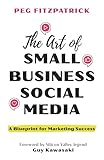
Keep the distinction clear: strategy explains why you are using content and which audience, story, and channels you will prioritize; the content plan assigns the work, such as topics, formats, owners, dates, and calls to action. The Content Marketing Institute describes the strategy as the “why” and recommends documenting the business case and operating approach. Read its strategy guidance.
Recommended Free Tools
Make the objective specific enough to guide decisions. “Publish more” is an activity, not a business objective. “Help prospective customers understand how to assess this problem before a sales conversation” gives you a clearer basis for choosing topics and evaluating results. Content can support an objective, but a plan does not guarantee traffic, leads, or sales.
#1 Best Overall
2. Focus on one priority audience
Early-stage teams often have limited time and incomplete customer data. Rather than writing for everyone who might conceivably use the product, identify one primary audience whose needs align with the business objective. A secondary audience can be useful, but only if serving it does not blur the main message. The Content Marketing Institute’s one-page strategy guide recommends this kind of focus.
Use information the team already encounters: customer and prospect conversations, sales questions, support requests, product feedback, and available analytics. Look for repeated questions and points of confusion, then record:
- The audience’s relevant problem and what they are trying to accomplish.
- The questions, terminology, concerns, and information sources that shape their decisions.
- What useful next action would make sense for them and the business.
HubSpot’s planning guide also recommends using audience data and documenting buyer interests and concerns. Keep the audience description grounded in what the team knows; it need not be an elaborate persona to help choose useful content.
What’s actually slowing this PC down?
Pick the symptom - the matching free tool is one click away.
Rank #2
3. Define a useful content promise and topic areas
A content promise is the practical value readers can expect from your startup’s material. It should connect audience needs with something the team can explain, demonstrate, or substantiate better than generic advice. For example, a company with specialist product knowledge might explain how to assess a recurring workflow problem, while avoiding unsupported claims that its product is the only solution.
Build topic areas from real audience questions and the company’s legitimate knowledge. Possible content includes:
- Educational explainers that clarify a problem or key concept.
- How-to material that helps someone complete a relevant task.
- Answers to common sales, support, or onboarding questions.
- Fair product comparisons, when the criteria and evidence are clear.
- Customer examples or case studies, when the details are verified and publication is authorized.
- Onboarding and retention resources for existing customers, when those needs support the objective.
The Content Marketing Institute’s strategy framework includes a brand story and core topics. HubSpot’s content marketing workbook covers idea generation, topic clusters, and pillar pages. These are ways to organize subject matter, not requirements for every startup.
4. Pick formats and channels your team can sustain
Choose formats according to audience preferences, business purpose, production capacity, and how you can reach people. Articles, guides, email, short videos, webinars, audio, social posts, and downloadable resources are all possible; none is a universal startup best choice. The available guidance does not establish an ideal publishing cadence or a single format that works best for startups.
Crashes, No Sound, or Screen Glitches?
Random freezes, missing sound and display glitches usually trace back to one bad driver. Find and replace yours safely.Free scan · under a minutePC Slower Than It Used to Be?
A free scan shows the junk files, broken settings and background clutter dragging Windows down - then fixes them in one click.Free scan · Windows 10 & 11Before committing, compare options using practical questions:
- Audience fit: Does the audience use this format and channel to understand or solve the problem?
- Business fit: Does it support the objective, whether awareness, evaluation, conversion, onboarding, or retention?
- Team capacity: Can the team make it accurate and useful with the skills and time available?
- Distribution and reuse: Can you reach the intended audience and adapt the core idea for other suitable channels?
- Measurement and upkeep: Can you observe a meaningful outcome, and who will update the material if it changes?
Start with a manageable combination rather than trying to publish everywhere. A team might begin with one format it can maintain and one or two channels its audience already uses. Add formats or channels only when the audience need and available capacity justify the extra work.
Rank #4
5. Turn the strategy into a calendar and workflow
A simple calendar makes the strategy actionable. For each planned item, record the audience, question, objective, format, owner, reviewer, channel, publication date, call to action, and intended measure. HubSpot describes a content calendar as the link between goals, formats, channels, owners, and publish dates in its planning guide.
A lightweight workflow can prevent avoidable delays and errors. Decide who drafts, who checks subject-matter accuracy, who edits and approves, who publishes, and who is responsible for later updates. The level of formality can match the team: a shared spreadsheet may be enough at first, while a planner or software can help as the number of contributors and publishing tasks grows. Neither a paid platform nor a dedicated tool is a prerequisite.
For each piece, choose a call to action that fits the reader’s likely next step. That might be a related guide, an email signup, a product explanation, a request for a conversation, or a customer help resource. The plan should connect the content to a useful next action rather than adding the same sales prompt everywhere.
Independent reader supportYour contribution helps us test, update, and keep practical guides available for everyone.6. Distribute and repurpose deliberately
Plan promotion alongside creation. Publish or share material through channels the intended audience uses, and select a mix of owned, earned, or paid distribution only where it fits the objective and team resources. Promotion can include a company blog, social media, email, or live events; HubSpot’s promotion lesson discusses organic and paid promotion across blogs, social media, and events.
Repurpose a useful core idea by adapting it to the channel and the audience’s needs. For example, a detailed explanation might inform a concise social post or an email, but the derivative should be shaped for that context rather than copied unchanged everywhere. HubSpot’s workbook includes promotion and repurposing among its planning topics.
7. Measure outcomes and revise the plan
Choose measures that reflect the original objective and the quality of the audience reached. Depending on what the content is meant to do, useful signals could include qualified visits, meaningful engagement, email signups, relevant inquiries, assisted conversions, sales conversations, or customer-use outcomes. Track measures that help answer whether the intended audience is consuming the material and moving toward the desired next step.
The Tool Desk
Outbyte Driver Updater FREEFix the driver behind crashes, sound loss and screen glitchesFind Drivers →Outbyte PC Repair FREEClear out junk files and repair common Windows errorsFree Scan →Do not treat publishing volume, page views, or search rankings as success by themselves. In a March 2026 analysis, the Content Marketing Institute cautioned that traffic-focused metrics can attract people who are not the business’s customers. Read its discussion of content metrics.
Review the plan when performance, audience needs, or channel conditions change. CMI recommends revisiting core topics, channels, and processes periodically; HubSpot’s planning guide recommends quarterly review and an annual refresh. Use those as planning prompts, not as a compulsory schedule for every startup.
What to keep in mind as the startup grows
Content marketing is an operating choice, not a race to produce the most material. The right scope depends on the startup’s stage, business model, customer buying cycle, budget, and any regulatory requirements. The guidance cited here supports a planning process; it does not establish guaranteed ROI, a universal channel, or a best cadence for startups as a group.
Quick Recap
Product prices and availability are accurate as of the date/time indicated and are subject to change. Any price and availability information displayed on Amazon at the time of purchase will apply.

