
iTechGuides is reader-supported. When you buy through links on our site, we may earn an affiliate commission. As an Amazon Associate I earn from qualifying purchases. Learn more
You cannot tell whether a found rock is valuable from appearance alone. First identify the material using several properties and its locality; then compare its condition and quality with similar specimens. If it may be a gemstone or an important mineral specimen, seek an in-person identification and, if appropriate, a separate appraisal. Identification, grading, appraisal, and the price a buyer will pay are different things.
Start by identifying what you found
A rock may contain several minerals rather than being one uniform material. The U.S. Geological Survey (USGS) defines a rock as “an aggregate of one or more minerals, or a body of undifferentiated mineral matter.” A striking color or crystal on the surface may therefore describe only part of the specimen.
Record where and when you found it, along with any geological or landscape context you know. Locality can help narrow an identification and may matter to collectors. The USGS recommends keeping collection and locality information in field notes: USGS: How do I identify a rock or mineral, and where can I find help?
Free tools Windows power users keep installed
One-click scans. No signup required.
Which properties help identify a specimen?
Use several observations together. A single clue—especially color or a scratch mark—is rarely conclusive. Examine the specimen under good light, and use a hand lens to look at grains, crystal features, and whether it appears to be one crystal or a mixture.
#1 Best Overall

- Mineral and Rock Collection Box for Kids: Dive into geology with this rocks and minerals kit featuring 30 real specimens, perfect for young explorers eager to learn while building their very own collection through hands-on discovery and observation.
- Hands-On Geology Adventure: Spark a love for science with this rock and mineral kit, equipped with tools to test, classify, and identify samples, transforming learning into an engaging rock science kit experience for curious minds.
- Interactive Educational Experience: Discover geology using a rock identification kit and mineral identification kit with streak plate, hardness tools, and viewer, making it easy to compare specimens and understand their unique properties.
- Effortlessly Organized Collection: Use this mineral testing kit and rock and mineral identification kit to sort and store specimens in durable trays, keeping materials accessible while supporting structured learning and repeated exploration.
- Perfect for Young Geologists: Designed for ages 8–12, this mineral science kit for kids supports home and classroom learning, ideal for rock samples for science classroom activities and interactive group education environments.
- Color and luster: Note the color, but do not rely on it alone; luster describes how the surface reflects light.
- Streak: If suitable and safe, observe the color of the mineral’s powder on an appropriate streak plate. This can differ from the specimen’s surface color.
- Hardness: Mohs hardness is a relative measure of scratch resistance. A scratch test can damage a specimen, so do not perform one on a cut, polished, mounted, or potentially valuable piece.
- Cleavage or fracture: Look for repeated flat break surfaces (cleavage) or irregular breaks (fracture), without breaking the specimen to find out.
- Crystal form and habit: Record the shape and arrangement of visible crystals.
- Specific gravity: This compares a material’s density with water and can help distinguish minerals when measured appropriately.
The Mineralogical Society of America’s identification key and the USGS gemstone reference describe properties used in identification: Mineralogical Society of America: Mineral identification key and USGS: Gemstones. These observations can help narrow possibilities, but none assigns a dollar value by itself.
Why scratching glass does not prove a diamond
A glass scratch is not a reliable diamond test. GIA explains: “Anything with a hardness the same as or greater than glass (5 to 6 on the Mohs hardness scale) can scratch glass.” Other materials can do it too, and a scratch test risks damaging the specimen. If you suspect a diamond, have it examined with appropriate gemological tests: GIA: Can a diamond scratch glass?
Rank #2

- PROFESSIONAL GEOLOGY TOOLS: Complete mineral identification kit includes streak plates, glass plate, dropper bottle, magnet, nail, and hand lens for comprehensive rock and mineral analysis.
- MOHS HARDNESS TEST KIT: Essential geology kit enables accurate hardness testing, streak color analysis, magnetic properties assessment, and effervescence testing for field identification.
- ROCKHOUNDING TOOLS: Professional-grade equipment perfect for rock hounding enthusiasts, geology students, and educators conducting mineral classification demonstrations.
- COMPLETE GEOLOGY KIT: 7 precision instruments support comprehensive rocks and minerals identification in classroom settings, field work, and educational demonstrations.
- ROCK HOUNDING EQUIPMENT FOR ADULTS: Durable lapidary supplies designed for serious collectors, geology professionals, and science educators requiring reliable testing tools.
What makes a specimen valuable?
Value comes after identification. It depends on what the material is, its condition and quality, rarity, provenance, demand, and the market where it is offered. There is no universal price guide that can value every found mineral, rock, fossil, or collectible specimen. Compare only with specimens of the same confirmed material and similar characteristics; asking prices alone do not establish what a buyer will pay.
Colored gemstones
For colored gems, GIA identifies color, color uniformity, origin, size, clarity, shape, and cutting quality as factors that can affect value. Their relative importance varies by gem and market. Origin claims deserve care: establishing a gemstone’s origin is a specialized assessment, not something a locality note alone proves.
Rank #3

- YOUR FIRST ROCK COLLECTION KIT: A one-of-a-kind 54 PCS geology set featuring 9 polished gemstones, 45 raw crystals, rocks, and minerals sourced globally. Each gem stone is distinct and handpicked, 1-1.5 inches (approx. 2.5cm) in size, ensuring no two pieces are alike—an excellent starter set for rock collectors, geoscience learners, or anyone looking to kickstart a mineral rock collection.
- FUN & EDUCATIONAL ROCK GAME CARDS: Includes 54 vividly illustrated cards that function as both a rock identification kit and game cards for family time or classroom activities. This unique feature combines fun with learning, making it a perfect STEM gift idea for geological discovery.
- PROFESSIONAL MINERAL DISPLAY CASE: The organized compartment storage box with a transparent lid ensures easy sorting and showcases rocks and gemstone rocks for tumbling. A beginner-friendly, easy-to-use rock study kit, ideal for educational presentations, outdoor adventures, or creating classroom exhibits.
- COMPREHENSIVE GEOLOGY EDUCATION GUIDE: The colorful reference book breaks down each geology sample's origins, hardness, and global mining locations. This rock science kit is ideal for beginners and aligns with earth science curriculum standards while sparking curiosity through engaging visuals and detailed explanations.
- PREMIUM ROCKS & MINERALS GIFT COLLECTION: Whether you’re starting a new hobby or fueling a passion for STEM learning, this rock collection box is perfect for special occasions like birthdays and holidays. PIBEX delivers high-quality science toys designed to inspire exploration. Unsatisfied? Let us know, and we'll make it right.
Diamonds
GIA describes diamond quality through the combined 4Cs: cut, color, clarity, and carat weight. Size or weight alone does not establish a diamond’s value.
Rough mineral specimens
For a rough specimen, useful comparison points include confirmed identity, condition, documented locality, size, crystal development, rarity, and evidence of collector demand. These are comparison prompts, not a formula that produces an appraisal.
Rank #4
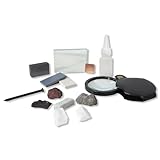
- Complete Mineral Testing Kit: Includes 13 essential tools like a dropper bottle, streak plate, glass plate, nail, copper sheet, retractable hand lens, magnet, and mineral samples (talc, coal, magnetic iron ore, gypsum, hematite, calcite) for hands-on geology experiments.
- Test Hardness & Streak Colors: Use talc, gypsum, and calcite with the glass streak plate to perform Mohs hardness tests. Scratch coal and hematite on the streak plate to reveal distinct
- Magnet & Effervescence Tests: Detect magnetic properties with the included magnet and magnetic iron ore. Conduct acid reaction tests using the dropper bottle and calcite (add vinegar or diluted hydrochloric acid* for fizzy results).
- Portable & Detailed Analysis: Retractable hand lens allows for close-up mineral inspections, while the foldable design and durable materials make this kit ideal for fieldwork, classrooms, or home labs.
- Perfect for Learning: Designed for students, teachers, and rock hounds! Includes rocks, tools, and step-by-step guidance to explore geology principles like luster, cleavage, and mineral reactions.
See GIA’s discussion of gem value factors: GIA: Gemstone value factors.
Quick wins for a faster PC:
Repair Windows errors before they cause bigger problemsFix Now →Scan for outdated or missing drivers - takes under a minuteDriver Scan →Clear out junk files and repair common Windows errorsFree Scan →When to get professional identification or an appraisal
Take an uncertain specimen to someone who can examine it in person. The USGS notes that photographs make accurate identification difficult because specimens need to be viewed from multiple perspectives. Possible resources include geological surveys, natural science museums, college geology departments, rock shops, gem-show vendors, and local gem and mineral clubs. Its guidance is here: USGS identification help.
Best Value
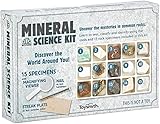
- Explore the wonders of the natural world and unlock the mysteries of common minerals with the Toysmith Mineral Science
- Encourage youthful curiosity in geology with this hands-on natural science activity
- Identify 15 different mineral specimens using a magnifying glass and detailed identification guide
- The kit includes 15 mineral specimens, a magnifying viewer and an identification guide
- Recommended for ages 8 and up
If a specimen may be a valuable gemstone, a laboratory identification or grading report can help establish what it is and describe its quality. An appraisal is a separate service: it assigns a value for a stated purpose, and it does not guarantee the price the stone will sell for. Ask the appraiser what value basis is being used. Insurance or replacement value and a likely private-sale or dealer offer are not interchangeable. GIA explains the distinction: GIA: Gem appraisals.
Quick Recap
A practical checklist before you seek help
- Write down the find location, date, and any context you know; keep this information with the specimen.
- Photograph it and examine it under good light and magnification, noting color, luster, visible grains, crystal form, cleavage, or fracture.
- Do not damage it to test hardness or break it open. In particular, do not treat a glass scratch as proof of diamond.
- Bring the specimen and your notes to an in-person identification resource. If it appears potentially significant or gem-quality, ask whether a specialist report or appraisal is appropriate.
- When comparing or selling it, use confirmed identification and comparable material; clarify whether any quoted value means replacement, private-sale, or dealer-offer value.
Product prices and availability are accurate as of the date/time indicated and are subject to change. Any price and availability information displayed on Amazon at the time of purchase will apply.

