
Do these 3 things before closing this tab:
1Fix the driver behind crashes, sound loss and screen glitches2Repair Windows errors before they cause bigger problems3Scan for outdated or missing drivers - takes under a minuteiTechGuides is reader-supported. When you buy through links on our site, we may earn an affiliate commission. As an Amazon Associate I earn from qualifying purchases. Learn more
You can lower household energy costs without making your home uncomfortable by first checking where your money and energy are going, then tackling drafts, heating and cooling schedules, and equipment upkeep before committing to larger upgrades. The best order depends on your climate, home, energy rates, fuel, and household routine—there is no single fix with guaranteed savings for every home.
Start with your energy bills and usage patterns
Compare recent bills across seasons and, where possible, separate electricity from heating fuel. Look for unusual increases and note whether they coincide with colder or hotter weather, changes in occupancy, or new equipment. Then focus on the largest cost or energy use you can identify rather than assuming every household should start with the same upgrade. The U.S. Department of Energy’s home energy checklist offers a way to review common areas of use.
DOE’s Energy Saver overview, which includes figures published in 2014, estimated that heating and cooling represented 43% of a home’s utility bill, water heating about 12%, and appliances about 15% of household energy consumption. These are historical national estimates, not forecasts for your home: your results depend on climate, rates, fuel, building condition, and how you use energy.
Free tools Windows power users keep installed
One-click scans. No signup required.
Find drafts before adding insulation
Use the right material for the opening
Check around exterior doors and windows for drafts. Caulk is generally suited to stationary cracks and joints; weatherstripping is for movable parts that open and close. A weatherstripping kit can help with a drafty door or window when installed to suit the gap and hardware. DOE explains the distinction in its guide to air sealing and insulation.
#1 Best Overall
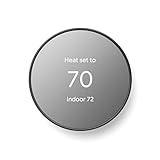
- ENERGY STAR certified smart thermostat for home that helps you save energy and stay comfortable.Connectivity : Wi-Fi - 802.11b/g/n 2.4 GHz, 802.11a/n 5 GHz Wi-Fi., Wireless interconnect : Bluetooth Low Energy Please refer to the product description section below for all applicable legal disclaimers.Product note: You can also check your system’s compatibility before purchasing a Nest thermostat with our online Nest Compatibility Checker on the Google Nest support page
- The Nest Thermostat is designed to work without a C wire in most homes, but for some systems, including heating only, cooling only, zone controlled, and heat pump systems, you’ll need a C wire or other compatible power accessory
- Nest Thermostat turns itself down when you leave, so you don’t waste energy heating or cooling an empty home. Lock feature: No
- Programmable thermostat that lets you create an energy efficient schedule in the Google Home app on your Android or iPhone
- Remote control lets family members change the thermostat temperature from anywhere on a phone, laptop, or tablet[1]
Sealing drafts can improve comfort by reducing cold spots and unwanted air movement. DOE describes air-leakage reduction as a way to reduce heating and cooling costs, improve durability and comfort, and support a healthier indoor environment. Its overview cited a 2014 estimate of 5%–30% potential annual savings from reducing drafts; that range is historical national guidance, not a promised result for an individual home.
Know when to call a professional
Accessible door and window gaps may be manageable DIY projects. Ducts, flues, concealed envelope gaps, and other complex areas may require professional help. Do not seal flues or interfere with combustion equipment. A tighter home still needs appropriate ventilation, and air-sealing work must not compromise safe operation of fuel-burning appliances.
Consider insulation after air sealing
Air sealing and insulation address different problems, and the right insulation location and amount depend on climate zone, existing insulation, and home construction. DOE defines R-value as resistance to heat flow: for a given material and thickness, a higher R-value indicates greater insulating effectiveness. An assessment can help establish whether insulation is a priority after drafts are addressed.
Rank #2

- An Alexa thermostat - Amazon Smart Thermostat is an easy way to switch from a traditional thermostats for homes and help reduce energy usage.
- Create comfort zones throughout your home by connecting to select Alexa devices to automatically adjust heating and cooling based on temperature readings or presence detection.
- Save money and energy - After purchase, Amazon will send you an email with details about home thermostat rebates that may be available from energy providers in your area.
- Save energy - According to EPA estimates, ENERGY STAR certified thermostats save an average of $90 on yearly energy bills.
- Programmable thermostat and automatic control - Create your own home, away and sleep schedules, or have Alexa automatically control the temperature with Alexa+ advanced features.
Schedule heating and cooling around your routine
Program a thermostat around the times people are home, asleep, or away. If your schedule is predictable, a programmable thermostat may make it easier to follow a schedule without repeated manual adjustments; check that any thermostat is compatible with your heating and cooling system. Choose settings that preserve comfort when people are home rather than treating the lowest possible setting as the goal.
DOE’s Energy Saver overview cited a 2014 estimate of up to 10% annual heating and cooling bill savings from turning a thermostat back 10%–15% for eight hours. The figure is a dated national estimate, not a guaranteed outcome or a recommendation to tolerate discomfort. Actual savings vary with the home, system, weather, and schedule.
Keep registers clear and maintain or replace filters according to your equipment’s instructions. DOE’s guidance for renters includes thermostat scheduling and basic maintenance steps; renters can also ask their landlord or property manager about work that requires permission or access to building systems.
Rank #3

- Save up to 23% every year on heating and cooling costs, adjusts to your set schedule to save energy when you’re gone and optimize comfort when you’re home. Compared to a hold of 72
- Compatible with 85% of systems, check your system’s compatibility with our online ecobee Compatibility Checker on the ecobee support page
- Change your temperature by easily tapping the color touchscreen or using the ecobee app. Plus, free software upgrades ensure you get the best out of your Smart Thermostat Essential, for years to come
- Automatically adjusts to your set schedule to save energy when you’re gone and optimize comfort when you’re home. Keep track of your energy consumption when you're on the go on the ecobee app
- Easy DIY install. No C Wire, no problem. Get the ecobee Power Extender Kit (PEK) for homes without a C-Wire and keep your walls looking nice with our trim kit – both sold separately
Check water heating, appliances, and lighting next
After addressing the home’s largest uses, look for practical ways to reduce hot-water use and avoid unnecessary energy use from appliances and lights. DOE’s renter guidance discusses water-heater temperature and insulation, but appropriate settings can depend on health circumstances. Check the equipment instructions and relevant health guidance before changing a water-heater setting.
The Tool Desk
Outbyte Driver Updater FREEFix the driver behind crashes, sound loss and screen glitchesFind Drivers →Outbyte PC Repair FREEClear out junk files and repair common Windows errorsFree Scan →When an appliance already needs replacement, compare efficiency as well as purchase price and features. DOE’s 2014 overview estimated that lighting accounted for about 11% of an average household’s energy budget and said newer lighting technologies may reduce lighting energy use by 50%–75%. Those dated national figures are not a prediction of savings in a particular home.
Independent reader supportYour contribution helps us test, update, and keep practical guides available for everyone.Get an assessment before major upgrades
For work beyond simple fixes, a home energy assessment can help identify measures suited to the building rather than relying on generic payback claims. DOE says evaluations may include a walk-through, infrared camera, or blower-door methods. Use the findings to weigh the problem being addressed, likely comfort effect, climate and system compatibility, upfront and ongoing costs, and disruption.
Rank #4

- EASY DIY INSTALLATION: Do it yourself fast with a built-in level and simple step-by-step instructions. Works with the HVAC equipment found in most homes
- COMMON WIRE REQUIREMENTS: Common wire(C-Wire) required for heat pump and heat/cool only systems. C-wire not required on most systems
- SAVE ABOUT 23% ON HVAC ENERGY: ENERGY STAR-certified and packed with features that help you save money, including flexible scheduling, geofencing, remote access and usage reports
- PRIVACY PROTECTION: Sensi won’t sell your personal information to third parties or leverage your thermostat activity data for targeting or advertising purposes
- CONTROL FROM ANYWHERE: The top-rated mobile app for Android and iOS devices makes it easy to control your comfort from a smartphone or tablet
There is no universal payback ranking for weatherstripping, professional air sealing, insulation, thermostat controls, or equipment upgrades. A drafty door may justify a small repair, while another home may need a closer look at insulation or heating and cooling equipment. Compare options against your assessment and comfort goals before deciding.
Check local rebates before budgeting
DOE’s Home Energy Rebates program page describes HOMES rebates of up to $8,000 for eligible whole-home upgrades with at least 20% modeled savings. This is a program maximum, not an offer available to every household: check current state rollout, funding, eligibility, and local availability before counting on a rebate. Tax-credit rules and utility offers can also change, so verify the terms that apply to your location and project.
Windows Errors? Fix Them Before They Spread
Repair common Windows errors and clear accumulated junk for a smoother, more stable PC - no reinstall needed.Free scan · no reinstallOutdated Drivers Are Slowing You Down
One free scan finds every outdated or missing driver and matches the right update for your exact hardware.Free scan · exact hardware matchQuick Recap
Product prices and availability are accurate as of the date/time indicated and are subject to change. Any price and availability information displayed on Amazon at the time of purchase will apply.

