
iTechGuides is reader-supported. When you buy through links on our site, we may earn an affiliate commission. As an Amazon Associate I earn from qualifying purchases. Learn more
Prepare for a market correction by setting an allocation that fits your goals and time horizon, diversifying to limit concentration risk, and deciding in advance how you will rebalance. Keep money for emergencies and near-term spending accessible, and check the costs and tax consequences before trading. These steps can help you follow a plan through volatility; they cannot predict a correction or prevent losses.
Start with the goal and when you need the money
The right portfolio mix depends on what the money is for, when you expect to use it, and how much volatility you can tolerate. The SEC explains that a longer time horizon may allow an investor to accept more volatility, while a short-term goal generally calls for less risk. There is no single stock-and-bond allocation that suits everyone.

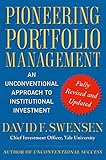
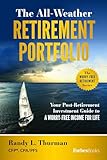


Before changing investments, identify the goal, its approximate date, and whether a sharp decline could force you to sell sooner than planned. If your circumstances or plans have changed, revisit the allocation on that basis—not simply because headlines suggest a correction is coming. See the SEC’s asset allocation and diversification guidance.
Recommended Free Tools
Keep short-term needs separate from long-term investments
Money needed soon has a different job from money invested for a distant goal. Investor.gov identifies savings accounts as an option for short-term goals and emergency funds; the SEC describes an emergency fund as money set aside for unexpected expenses. The cited guidance does not prescribe one cash-reserve amount for everyone.
#1 Best Overall
Consider whether near-term bills or unexpected costs could make you sell long-term investments during a downturn. Keep liquidity needs in view when deciding how much market risk is appropriate, rather than treating every dollar as if it had the same time horizon. See Investor.gov’s saving and investing guidance and the SEC investor bulletin on emergency funds.
Check whether the portfolio is diversified
Diversification means spreading investments across asset categories and within them, so that the portfolio is not overly dependent on one investment or narrow segment. Look across accounts and holdings: owning several funds does not necessarily diversify a portfolio if they all concentrate on similar companies, industries, or market segments. A fund or ETF focused narrowly is not automatically diversified.
Rank #2
Diversification can reduce concentration risk, but it does not eliminate market risk. As the SEC’s Investor.gov guidance puts it, “Diversification can’t guarantee that your investments won’t suffer if the market drops.” Review the SEC guidance on asset allocation and diversification and its diversification explainer.
The Tool Desk
Outbyte PC Repair FREEClear out junk files and repair common Windows errorsFree Scan →Outbyte Driver Updater FREEScan for outdated or missing drivers - takes under a minuteDriver Scan →Choose a rebalancing rule before markets get volatile
As investments rise or fall at different rates, the portfolio can drift from its intended allocation. Rebalancing restores that planned mix. It can mean selling some holdings that have grown beyond their target, directing new contributions toward underweighted categories, or adjusting how future contributions are allocated. The SEC says, “To bring your portfolio back to its original asset allocation, you may need to rebalance your portfolio.”
Calendar review
Choose a regular date to review the allocation. A review is not an instruction to trade every time; compare the current mix with the plan and act only if rebalancing is warranted.
Preset threshold
Decide in advance how far an asset category may move from its intended weight before you review a rebalance. This avoids making the decision solely in response to a dramatic market day.
Rank #4
The SEC describes periodic and threshold-based reviews, and says rebalancing generally works best relatively infrequently. FINRA notes there is no official universal schedule. The sources do not establish that one approach is best for every investor. See the FINRA guidance on rebalancing.
Free tools Windows power users keep installed
One-click scans. No signup required.
Check fees and taxes before making trades
Selling investments or shifting money can create transaction charges and tax consequences. The effect depends on the investments, account type, and individual circumstances. Before placing a trade, check the applicable fees and consider how a sale could affect taxes. If appropriate for your plan, directing new contributions toward underweighted categories may help move the allocation without selling holdings.
Best Value
The SEC and FINRA both advise investors to consider costs and tax implications when rebalancing. Their general guidance cannot determine the result for a particular account or tax situation; consult a qualified tax or financial professional if you need individualized advice. See the SEC’s allocation guidance and FINRA’s rebalancing guidance.
Independent reader supportYour contribution helps us test, update, and keep practical guides available for everyone.What to do when markets drop
Use your written plan to assess whether anything material has changed: your goal, time horizon, need for liquidity, or ability to tolerate volatility. A price decline alone does not tell you whether your allocation still fits. Vanguard’s investor education page says, “No one can predict the timing or magnitude of a correction,” and recommends staying diversified in a mix suited to your goals and risk profile. That is provider guidance, not a guarantee against losses.
- Do not make a portfolio change solely because headlines are alarming.
- Check whether your actual allocation has moved beyond the rebalancing rule you chose.
- Consider near-term cash needs before deciding whether investments can remain invested for the planned horizon.
- Review costs and tax effects before any sale or shift.
Vanguard’s perspective is available in “What to do when markets drop.” It does not establish a forecast for an imminent correction.
Quick wins for a faster PC:
Clear out junk files and repair common Windows errorsFree Scan →Scan for outdated or missing drivers - takes under a minuteDriver Scan →Repair Windows errors before they cause bigger problemsFix Now →Quick Recap
Product prices and availability are accurate as of the date/time indicated and are subject to change. Any price and availability information displayed on Amazon at the time of purchase will apply.

