
Free tools Windows power users keep installed
One-click scans. No signup required.
iTechGuides is reader-supported. When you buy through links on our site, we may earn an affiliate commission. As an Amazon Associate I earn from qualifying purchases. Learn more
Prepare for the flood risk your local forecast and officials identify—not for El Niño alone. Check local flood alerts, learn whether your home and nearby roads are exposed, make a plan to reach higher ground, and protect people and pets before rain arrives. If officials advise evacuation, leave promptly; sandbags and pumps are not reasons to delay.
How El Niño relates to your flood risk
El Niño can be associated with heavy rain in some places, but it does not determine whether a particular home will flood. Use local forecasts, flood watches and warnings, river conditions, road reports, and official evacuation instructions to guide your decisions. The National Weather Service recounts that repeated heavy rain and rising rivers during the 1997–98 El Niño floods led to water pooling over land far from rivers; that is historical context, not a prediction for every region (NWS Melbourne, “Flood Safety Rules”).
Flash flooding can develop quickly. The National Weather Service cautions: “Oftentimes flash floods can occur within minutes and sometimes without any sign of rain.” Check the NWS flood-preparation guidance and local alerts before conditions deteriorate.
Before heavy rain, make a household flood plan
Check exposure and choose where to go
- Use local flood-risk information to understand whether your home, nearby streets, and likely evacuation routes may be exposed.
- Identify a route to higher ground and a backup destination. Note that roads can flood even when a home is not near a river.
- Monitor official weather alerts, flood warnings, river conditions, and local road updates. Follow evacuation orders and official detours (NWS).
Plan for everyone in the household
Decide how household members will leave and where they will meet. Include children, people with medical or mobility needs, pets, medicines, transportation, and anyone who may need help. Keep essential items ready so you are not packing during worsening conditions.
#1 Best Overall

- 72-HOUR EMERGENCY KIT FOR 2: Built for disaster preparedness at home, work or on the road, this 2-person survival backpack includes food, water, first aid, lighting, hygiene and shelter essentials for up to 3 days.
- FOOD, WATER & PURIFICATION: Includes two 2,400-calorie emergency food bars, six 4.225 oz water pouches, water purification tablets and a 32 oz BPA-free bottle to help support hydration and nutrition during outages or evacuations.
- FIRST AID & PERSONAL PROTECTION: Packed with a 33-piece first aid kit, 2 N95 dust masks, nitrile gloves, hygiene kits, ponchos, survival blankets and tissues for added protection, sanitation and comfort during emergencies.
- POWER, LIGHTING & COMMUNICATION: Includes a hand-crank emergency power station with flashlight, AM/FM radio, siren and cell phone charging, plus 2 emergency lightsticks and a 3-in-1 whistle, compass and thermometer.
- DELUXE SURVIVAL TOOLS IN ONE BACKPACK: Adds a multi-function tool, duct tape, bio-hazard bag and emergency contact card in a portable backpack. Ideal for earthquakes, hurricanes, blackouts, wildfire evacuation, cars and workplaces.
Keep emergency supplies accessible
The NWS recommends having at least three days of food, water, and medicine. Keep those essentials with batteries, flashlights, a first-aid kit, sturdy footwear, gloves, and a battery-powered radio. Charge phones and radios when heavy rain is expected, and keep evacuation supplies where you can reach them (NWS; FEMA, “Be Prepared for a Flood”).
Protect documents and valuables
Move important papers, electronics, and valuables to a higher level before water threatens the home. Keep secure copies of important records in a place that will remain dry (FEMA).
Rank #2

- 72 HOUR EMERGENCY KIT FOR 2 PEOPLE WITH FOOD AND WATER: Includes 2 emergency food bars totaling 4800 calories and 12 sealed drinking water pouches to support hydration and energy during disasters. Designed for emergency preparedness, survival kits, earthquake kits, and evacuation planning.
- COMPLETE DISASTER SURVIVAL KIT WITH SHELTER AND WARMTH: Equipped with 2 emergency ponchos and 2 survival blankets to help protect against rain, wind, and cold conditions. Critical gear for outdoor emergencies, power outages, and shelter in place situations.
- FIRST AID KIT AND SAFETY PROTECTION SUPPLIES: Features a 33 piece first aid kit, dust masks, and nitrile gloves to support basic medical care and protection from debris and airborne particles. Essential for emergency response, injury care, and disaster safety.
- EMERGENCY LIGHTING AND SIGNALING TOOLS INCLUDED: Comes with 2 long lasting 12 hour lightsticks and a safety whistle for visibility and communication in low light or rescue situations. Ideal for blackout emergencies, nighttime evacuation, and search scenarios.
- COMPACT BACKPACK FOR GRAB AND GO EVACUATION: Lightweight emergency backpack keeps all survival supplies organized and ready for fast response. Perfect for home emergency kits, car emergency kits, office preparedness, and bug out bags.
Reduce water entry and damage before rain
- Clear leaves and debris from gutters, downspouts, and nearby drainage routes so water can drain away from the home.
- If you have a sump pump, check that it is working. Consider an appropriate backup pump or backup power for an existing system; keep equipment maintained and test it as its manufacturer directs (NWS; FEMA, “Protect Your Home from Flooding”).
- Ask a qualified professional whether plumbing check valves, utility placement, or permanent flood-mitigation measures are suitable for your building. Do not treat technical installation as a last-minute DIY task.
Review flood insurance before a threat
The NWS says standard homeowners insurance does not cover flooding. Ask your insurer what your policy actually covers and when coverage becomes effective. NWS guidance says many flood-insurance policies take at least 30 days to go into effect, but your policy’s timing and terms must be confirmed directly with the insurer (NWS).
When heavy rain or flooding is expected
- Follow local alerts. Monitor official forecasts, warnings, river conditions, and road information. Charge phones and radios, and keep medications and evacuation items ready.
- Move items only if it is safe and there is time. Bring outdoor items inside and move furniture or valuables higher. Use suitable flood-protection devices only if they can be deployed without delaying an evacuation.
- Leave when instructed or when flooding is likely. Do not stay to finish a barrier, save belongings, or wait for water to reach the house. Prioritize people and pets.
- Stay out of floodwater. Do not walk through moving water or drive onto a flooded road. Follow official evacuation routes and detours (NWS; FEMA).
Do sandbags keep water out of a house?
Sandbags can be one temporary protective measure when there is enough time, but they do not guarantee a home will stay dry. FEMA’s placement example uses heavy plastic sheeting behind tightly stacked sandbags; placement and the conditions at the property matter (NWS; FEMA, “Urban Flooding: Guidance for Homeowners and Renters”).
Rank #3

- Prepare Now for the El Nino Storm Season: El Nino pushes storms closer to the U.S. coast, leaving as little as 48 hours to prepare. Backup supplies when weather catches you off guard
- Hand-Assembled in New England: Designed by a disaster professional and assembled by a real person, not a faceless factory. Every kit checked by hand before it ships
- Emergency Lifeline When You're Stuck: For flash floods, closed roads, or power outages when you can't reach a store. Below-average hurricane forecast for El Niño doesn't mean no risk-the storm that hits may arrive faster and closer to home
- Upgraded 2026 Version: Premium lined and insulated rain poncho replaces economy version plus expanded comfort kit for extended emergencies
- Comfort-Focused Emergency Kit: Beyond basic first aid with bandages, bacitracin, lip balm, alcohol wipes, PLUS hand lotion and dental pick
FEMA also lists portable gates, shields, inflatable floodwalls, and flood skirts as possible temporary measures. Their suitability depends on the home’s openings and exposure, correct installation, and local conditions. Choose measures based on advice appropriate to the property; no barrier should be assumed to withstand every water depth or flow. A pump or barrier does not replace evacuation (FEMA; FEMA, 2020 brochure).
Quick Recap
Best Value
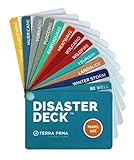
- KNOW EXACTLY WHAT TO DO — When a wildfire, earthquake, or hurricane hits, the brain freezes — even for prepared people. The Disaster Deck gives you clear, calm, step-by-step actions for 12 real disasters so you and your family move with confidence, not panic. No searching, no guessing. Just open it and go.
- 12 DISASTERS, ONE POCKET-SIZED DECK — Covers wildfire, earthquake, hurricane, flooding, tornado, tsunami, power outage, extreme heat, volcano, lightning, landslide, and emotional wellness — because staying mentally grounded is part of surviving any emergency. Color-coded guides make the right action instantly obvious, even under stress.
- READY WHEREVER LIFE TAKES YOU — Lightweight and waterproof — built for real conditions, not a bookshelf. Slips into a bug out bag, glove box, backpack, purse, or emergency kit without taking up space. Perfect for families, campers, hikers, travelers, and anyone who wants to feel genuinely prepared without being overwhelmed by it.
- EXPERT-BACKED, REAL-WORLD TESTED — Developed with emergency preparedness professionals and trauma-informed experts — not generic internet checklists. Includes proven mental wellness steps to reduce panic and help your whole family stay focused when it matters most. This is disaster resilience, not just disaster information.
- MADE IN THE USA BY A WOMEN-OWNED SMALL BUSINESS — Terra Frma is built on one belief: preparedness should feel like relief, not fear. Every guide is made in the USA with high-quality, durable materials designed to last through real emergencies — and real life. A thoughtful gift for parents, new homeowners, college students, or anyone you want to feel safe.
Rank #4

- ESSENTIAL EVACUATION SUPPLIES: Designed to help people escape a building and get through the first hours of an emergency.
- FOOD AND WATER: Includes one 400-calorie food bar and one 4.225-ounce water pouch; both have a five-year shelf life.
- EMERGENCY GEAR: Includes a 12-hour emergency lightstick, emergency whistle, dust mask, two nitrile gloves, survival blanket, pocket tissue pack, and safety goggles.
- ONE-PERSON KIT: Provide one for every person in a facility.
- FIVE-YEAR SHELF LIFE.
Product prices and availability are accurate as of the date/time indicated and are subject to change. Any price and availability information displayed on Amazon at the time of purchase will apply.

