
Do these 3 things before closing this tab:
1Scan for outdated or missing drivers - takes under a minute2Clear out junk files and repair common Windows errors3Fix the driver behind crashes, sound loss and screen glitchesiTechGuides is reader-supported. When you buy through links on our site, we may earn an affiliate commission. As an Amazon Associate I earn from qualifying purchases. Learn more
Prepare by following official local updates, deciding which trips and services are essential, and avoiding panic buying. A fuel shortage can mean unavailable gasoline, diesel, heating oil, or propane—or fuel that exists but cannot reach local stations because pumps or other infrastructure have lost power. The right response depends on your location and the type of disruption; there is no evidence-based fuel quantity every household should store.
What can cause a fuel shortage?
A shortage does not necessarily mean crude oil has run out. The U.S. Department of Energy (DOE) says liquid-fuel disruptions can result from a sudden surge in demand or problems with crude production, refining, or the transportation and distribution of refined fuel. A prolonged power outage can also disable terminals, pumps, refineries, and other parts of the supply chain while increasing demand for backup-generator fuel. DOE’s Energy Emergency Response Playbook describes outcomes ranging from isolated station outages and delivery delays to wider run-outs or fuel being inaccessible because retail outlets and infrastructure cannot operate.
DOE says liquid fuel is held at multiple points in the supply chain, so it typically takes several days for a disruption to cascade into widespread shortages for end users. That is general context from a playbook for state and territorial energy officials, not a countdown or forecast for a particular event. Panic buying can speed the effects.
What should I do if there’s a gas shortage?
Follow local instructions first
Check your local emergency-management office, state authorities, utility, and fuel providers for current alerts and instructions. Availability and restrictions can vary by community; general national guidance cannot tell you which nearby station has fuel or whether a local advisory is in effect. Sign up for government text alerts, and keep a charged phone or battery-operated radio available in case power or internet service is interrupted. DOE recommends alerts and battery-operated communications during outages. DOE’s local-leader energy emergency guidance also emphasizes coordination with emergency-management organizations and understanding local vulnerabilities.
#1 Best Overall

- 14-GALLON (53L) FUEL CADDY: The Scepter Flo 'N Go Fueling Station is a fuel tank on wheels for farm, marine, lawn mowers, home, and recreational use; A large capacity and convenient features make it great for filling vehicles and gas cans
- HEAVY DUTY PORTABLE GAS TANK: The rugged caddy design with 6-inch wheels and heavy-duty top handle allows you to maneuver the gas can over tough terrain; High-density polyethylene construction prevents corrosion and denting
- 2 FUELING MODES: Gravity-Flow Mode provides continuous flow when elevated above the tank being filled; Manual-Pump/Siphon Mode requires continuous use of hand pump when caddy is on the ground or below the tank being filled; Siphon-mode flow rate - 2.0 GPM
- EASY TO USE: Patented pump handle features a gas station-style stop and start pump handle; 10' automotive-grade rubber hose easily reaches equipment; Bolt-on hanger provides easy hose storage; Includes child safety lock
- SAFETY FEATURES: Anti-kinking hose sleeve adds prevents damage to the fuel hose at the connection point; Brass shut-off valve provides safe and quick hose disconnection; Spill-proof shut-off mechanism delivers mess-free fueling
Prioritize essential travel and needs
List trips that cannot be postponed, people who may need transportation, and practical alternatives. When available, combine errands, carpool, use transit, or postpone nonessential driving if local conditions warrant it. These are planning options, not a DOE-prescribed mileage target or universal driving restriction.
Consider how a disruption—especially one paired with a power outage—could affect medical equipment, heating or cooling, communications, and access to essential services. Ask your utility, care providers, and local officials what arrangements or instructions apply to your situation. Community guidance from DOE highlights identifying vulnerabilities and backup-power needs; its recommendations are directed to local leaders rather than a universal household mandate.
Rank #2
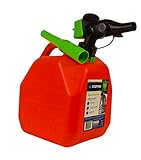
- 2 GALLON GAS CAN: The Scepter SmartControl fuel container features squeeze-control flow for spill-free filling; Easily refill lawnmowers, chainsaws, yard tools, recreational vehicles, cars, ATVs, motorcycles, and other gas-powered equipment
- CONTROLLABLE FLOW WITHOUT SPILLS: SmartControl controllable flow rate means no spilling, allowing you to squeeze less for a little, or squeeze more for a lot; bonus funnel with convenient storage ring making filling cars, ATVS or other equipment easier
- HEAVY DUTY GAS CONTAINER: High-density polyethylene construction prevents corrosion, denting, and breakage; The 5-layer HDPE design prevents vapor leaks and preserves gasoline longer; Storage ring conveniently holds the bonus funnel when not in use
- FAST FILLING JERRY CAN: Integrated air vent in the spout and included funnel provide fast flows saving time and hassle; SmartControl controllable flow rate means you squeeze less for a little gas, or squeeze more for a lot
- SAFETY FEATURES: EPA / CARB & Child Safety Compliant with child safety lock; Flame mitigation device prevents internal vapor ignition for added protection; Dust cap protects spout during storage
Avoid panic buying
Do not make unnecessary trips to stations or fill extra containers in response to rumors. DOE warns that panic buying can accelerate a shortage’s effects. Use current official information to guide decisions rather than treating a general supply-chain timeline as a prediction.
What’s actually slowing this PC down?
Pick the symptom - the matching free tool is one click away.
Should I store gasoline for an emergency?
Do not assume every household should keep gasoline on hand. Whether storage is lawful or appropriate depends on local fire rules, your housing and storage conditions, the fuel, and the equipment it will serve. No universal household quantity or storage duration is established here. If you have a legitimate equipment-related need and local rules allow storage, follow the container’s label and your local fire department’s instructions.
Rank #3
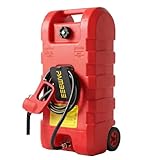
- 15-GAL LARGE CAPACITY: The 15-gallon maximum capacity gas tank can store enough fuel for multiple vehicles. The fuel tank and fuel nozzle are made of high-density polyethylene, which is rust-proof, and the 10-foot hose is made of automotive-grade rubber and comes with a hose holder for easy storage.
- 2 MODES OF OPERATION: This 57L gasoline container supports both siphon and gravity drive refuelling for vehicle, making excellent use of gravity. A flow rate of 3 gallons per minute can be achieved in siphon mode. Please note that the speed of the siphon depends on how fast you press, if you press slowly the oil will come out slower.
- EASY TO TRANSPORT: Designed with a top handle and 6-inch wheels, the fuel tank can be easily transported on various terrains. Feature with high portability, our fuel tank is a reliable companion whether refueling a small boat or transporting fuel to different locations.
- LEAK-PROOF DESIGN: The gasoline can has 2 brass shut-off valves, one at the tank and one at the hose. This design allows for safe and easy disconnection of the hose, which can prevent fuel leaks, thus reducing fire hazards and environmental risks.
- WIDE APPLICATION: This portable fuel tank can be placed in the boot of a truck, garage, shop, kit, or shed. Using this liquid fuel tank for fast, clean, and reliable delivery of gasoline, diesel, paraffin, light oil, etc., you can refuel your car, motorbike, boat, lawnmower, snow blower, generator, or automobile anytime, anywhere!
- Use a purpose-built portable fuel container and keep it closed, cool, and well ventilated.
- Keep containers outside the home and basement, away from ignition sources and out of children’s reach.
- When filling a portable container, place it on the ground and do so outdoors in an airy area.
- Check local storage limits and fire-code requirements; a container’s appearance or online listing alone does not establish that it meets applicable requirements.
The U.S. Consumer Product Safety Commission (CPSC) provides portable fuel container safety guidance, including child-resistant packaging and flame-mitigation requirements whose applicability depends on container type and capacity. The U.S. Fire Administration also advises filling portable gasoline containers outdoors in an airy area and on the ground. Follow its gasoline safety guidance along with the specific product instructions and local rules.
Independent reader supportYour contribution helps us test, update, and keep practical guides available for everyone.Can I run a generator during a power outage?
Never operate a generator, grill, or other gasoline-, propane-, or charcoal-burning device inside a home, garage, or carport, or near doors, windows, or vents. The CDC warns that carbon monoxide is colorless and odorless and reports that it kills more than 500 Americans each year. CDC carbon monoxide guidance explains the danger and safe-use precautions.
Rank #4

- EASY TO POUR GAS CAN – Amazon exclusive, 5-gallon fuel container for easy refilling of lawnmowers, chainsaws, yard tools, recreational vehicles, ATVs, motorcycles, and other gas-powered equipment
- CONTROLLABLE FLOW WITHOUT SPILLS – SmartControl controllable flow rate means no spilling, allowing you to squeeze less for a little, or squeeze more for a lot; bonus funnel with convenient storage ring making filling cars, ATVS or other equipment easier
- FAST FILLS – Integrated air vent in spout and included funnel makes for fast flows of up to 3 gallons per minute, saving you time and hassle
- FLAME MITIGATION DEVICE – Flame mitigation device helps prevent internal vapor ignition to provide an added layer of protection for a cleaner, safer experience
- SAFE & DURABLE – EPA / CARB & Child Safety Compliant, the 5-layer construction prevents vapor leaks and preserves gasoline longer
If you use backup power, follow the equipment manufacturer’s instructions and current local guidance. DOE’s local-leader playbook calls for identifying backup-power sources and ensuring they are tested and operational; that is community-planning guidance, not a blanket household requirement to buy or operate a generator.
Does the Strategic Petroleum Reserve guarantee local fuel access?
No. The Strategic Petroleum Reserve (SPR) is a federally managed stockpile of crude oil intended to help protect against severe petroleum supply interruptions. It is not a consumer-facing inventory of gasoline at local stations, and its existence does not guarantee that a particular station can operate or receive fuel during a disruption. See DOE’s Strategic Petroleum Reserve overview.
Quick Recap
Product prices and availability are accurate as of the date/time indicated and are subject to change. Any price and availability information displayed on Amazon at the time of purchase will apply.

