
iTechGuides is reader-supported. When you buy through links on our site, we may earn an affiliate commission. As an Amazon Associate I earn from qualifying purchases. Learn more
Choose approach shoes by matching their fit and construction to the most demanding terrain on your route—and to how much of your day will be spent walking. For mellow trails and long walk-ins, prioritize comfort and flexibility. For steep rock and scrambling, prioritize secure fit, grip, and support. If you want one pair for hiking and everyday wear, make sure the shoe is comfortable and capable for your actual route; an urban look alone says little about its performance.
What approach shoes are designed to do
Approach shoes bridge hiking footwear and climbing shoes. Depending on the model, they may combine a grippy outsole, a smoother rubber zone at the forefoot for smearing or edging, hiking lugs for dirt and descents, protective rubber around the toe and sides, and a supportive midsole or shank. These features are balanced differently: some shoes favor comfortable walking, while others favor support and precision on technical rock. REI’s 2026 guide to approach shoes describes use across trails, talus, and technical rock.
A low-cut approach shoe is not an ankle-supporting boot. Do not choose one expecting meaningful ankle support simply because it is intended for rough approaches.
Recommended Free Tools
Choose for the hardest part of your route
Long walk-in on mellow ground
Look for a comfortable fit, a more flexible ride, and tread suited to the trail. If the route does not demand precise climbing footholds, a highly rigid platform or technical shank may be unnecessary. REI describes the Scarpa Crux 2 as suited to mellow approaches and longer walk-ins; its testers found it less capable on steep terrain than more supportive models.
#1 Best Overall
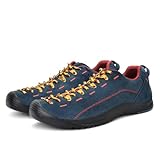
- Roomy toe boxes help your toes splay in their natural position for barefoot comfort
- Approach shoes looking with Tongue-to-toe lacing systems With two sets of laces to switch up the looking
- Removable Cushion-Plus polyurethane energy-return footbeds for long-lasting comfort
- Low-profile rubber outsoles with toe cap protection
- These original climbing-inspired outdoor sneaker are so comfortable that people will forget they have them in their feet. It is really flexible of the sole and have an incredible super insole , Contoured Fit gives toes room to naturally splay almost feel like barefoot. With two sets of laces to switch up the looking
Mixed hiking and scrambling
Balance walking comfort with secure lacing, reliable grip, and enough structure for the roughest ground you expect. Consider both exposed rock and loose sections: a shoe that feels pleasant on a trail still needs to hold your foot securely when you move over uneven terrain.
Short, technical approach or steep rock
Prioritize foothold precision, outsole grip, and underfoot support. A smooth climbing zone at the forefoot can help with smearing or edging, while lugs at the midfoot and heel can serve dirt and descents. A shank or plate may add support, but usually makes the shoe feel stiffer. REI describes The North Face Verto as rigid and precise, but not its choice for extended hiking.
Rank #2

- ATHLETIC COMFORT: Room-for-your-toes fit meets streamlined cushioning to keep you better supported and moving fast; Made with durable materials that can withstand the wear and tear of trails
- FIT: Sleek Contoured Fit curves with the natural shape of the foot for a more secure fit; Tongue to toe lacing system provides a secure locked in fit no matter the activity
- STYLE & COMFORT: Rock climbing inspired design with a pop of color; This shoe is one that you’re not going to want to take off
- TRACTION & PROTECTION: Our higher-traction rubber outsole has an aggressive, lower-profile lug pattern for better ground contact and fluid heel-to-toe movement; Heel crash pad to help absorb impact and keep you moving
- ETHICALLY SOURCED LEATHER: Rainforest biome-safe leather is tanned by LWG-certified tanneries that reduce chemicals and waste to help preserve and protect our waters
One pair for trail and everyday wear
Favor all-day comfort and practical versatility, while recognizing that specialized fit and outsole wear can limit how well a technical shoe suits ordinary walking. Some approach shoes have crossed into urban wear, according to REI, but appearance is not evidence that a shoe fits your route or feet.
Crashes, No Sound, or Screen Glitches?
Random freezes, missing sound and display glitches usually trace back to one bad driver. Find and replace yours safely.Free scan · under a minutePC Slower Than It Used to Be?
A free scan shows the junk files, broken settings and background clutter dragging Windows down - then fixes them in one click.Free scan · Windows 10 & 11Check fit before comparing extra features
Fit is individual. In REI’s 2026 guide, North Bennett calls it “Next, and perhaps most important.” Use this checklist when trying shoes:
Rank #3
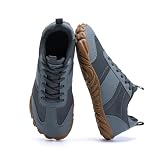
- The sole is made of TPR anti slip rubber, which is wear-resistant and anti slip. The thin sole reduces the overall weight of the shoes, making walking easier and more comfortable
- Zero-Drop Sole:Balances Toe And Heel Angles. Helps Improve Body Posture And Reduce The Risk Of Pain. Encourages A Mid-To-Forefoot Landing, Utilizingthe Natural Shock-Absorbing Capacity Of The Foot Muscles.
- Knit Upper - Stretchy Knit Upper Allows Your Feet To Move Freely, Enhances Breathability And Comfort, And Is Suitable For Various Foot Shapes
- Minimalist Design:These Shoes Make You Feel Free From Burden, So You Enjoy The Joy Of Walking More. The Minimalist Shoes Are Perfect For Any Occasion, Like Work, Walking, Training, Driving, And Daily Wear.
- Thin And Flexible Soles:A Good Barefoot Shoes Typically Have Very Thin (Usually Between 4mm-8mm) And Flexible Soles, Which Allow The Wearer,To Feel The Ground Beneath Their Feet And Provide A Greater Degree Of Natural Movement And Sensory Feedback When Walking Or Running.
- Wear your intended socks. Check length and width in the socks you expect to hike in. Avoid toe pressure and foot movement that could become uncomfortable over a long day.
- Compare toe-box shape and volume. REI’s testers particularly liked the Scarpa Rapid XT for wide or high-volume feet, while the Konseal appealed to narrower profiles. These are guide-reported fit impressions, not a guarantee that either model will suit you.
- Test heel hold and lace lockdown. Lace the shoe securely and check whether your heel stays put. It should feel comfortable for walking and stable enough for scrambling.
- Try candidates in person for exposed objectives. Brand sizing alone cannot tell you whether a shoe will fit your foot securely for a demanding route.
- Do not expect a low-cut shoe to support your ankle. For example, REI explicitly notes this limitation for the low-top TX4 EVO.
Compare the features that affect comfort and performance
| Decision | What to inspect | Tradeoff |
|---|---|---|
| Fit | Last shape, toe-box volume, width, heel hold, and lace lockdown | A secure foothold on rock must coexist with comfort during the walk-in. |
| Outsole | Forefoot climbing zone, lug pattern, and rubber compound | Smoother rubber can support smearing; lugs can help on dirt and descents. Grip varies with terrain and conditions. |
| Stiffness and support | Midsole, shank, or rock plate | A stiffer platform can support edging and add protection, but may feel clunky over longer hikes. |
| Protection | Toe cap and wraparound rand | More rubber can protect against rock abrasion while adding bulk or weight. |
| Walking comfort | Flexibility, cushioning, and shape | Softer or more flexible shoes can be easier to walk in but may give up technical precision. |
| Durability and repair | Outsole wear and whether the construction is resole-ready | REI describes the TX4 EVO as resole-ready; repair availability and cost are not established by the cited guide. |
REI’s comparison of hiking boots and hiking shoes notes a category-level tradeoff: softer approach-shoe outsoles can wear faster than standard hiking-footwear outsoles. That is not a lifespan guarantee for any particular shoe.
Examples for different priorities
These examples reflect REI’s 2026 field guide, not a universal ranking. Your fit and route conditions may matter more than a model’s category.
Rank #4
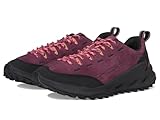
- ATHLETIC COMFORT: Room-for-your-toes fit meets streamlined cushioning to keep you better supported and moving fast; Made with durable materials that can withstand the wear and tear of trails
- FIT: Sleek Contoured Fit curves with the natural shape of the foot for a more secure fit; Tongue to toe lacing system provides a secure locked in fit no matter the activity
- STYLE & COMFORT: Rock climbing inspired design with a pop of color; This shoe is one that you’re not going to want to take off
- TRACTION & PROTECTION: Our higher-traction rubber outsole has an aggressive, lower-profile lug pattern for better ground contact and fluid heel-to-toe movement; Heel crash pad to help absorb impact and keep you moving
- ETHICALLY SOURCED LEATHER: Rainforest biome-safe leather is tanned by LWG-certified tanneries that reduce chemicals and waste to help preserve and protect our waters
- La Sportiva TX4 EVO: A supportive option for technical approaches, scrambling, and easy multi-pitch climbing; REI describes its construction as resole-ready.
- Scarpa Rapid XT: A blend of trail comfort and rock capability; REI testers particularly valued its fit for wider or higher-volume feet.
- The North Face Verto: A rigid, precise option for short technical approaches and rough terrain. Its REI product page describes climbing and smearing zones at the forefoot, with hiking and braking lugs at the midfoot and heel. Product details can vary by version and inventory.
- Scarpa Crux 2: A more walk-in-oriented example for mellow approaches and longer distances; REI testers found it less precise on steep terrain than stiffer options.
- adidas Five Ten Guide Tennie: A lighter, more flexible example for short approaches and slab smearing, with tradeoffs in support on longer days according to REI.
How to interpret the field-testing figures
REI’s 2026 guide reports test sets covering 41 miles and 46 miles, and says member testers evaluated shoes over three months. It also describes field-testing across hundreds of miles and thousands of feet of elevation gain without giving exact overall totals. These are REI’s reported testing details, not population-level evidence or a controlled durability guarantee.
Free tools Windows power users keep installed
One-click scans. No signup required.
Quick Recap
Best Value

- Men's barefoot shoes,wide-toe athletic shoes,casual fitness hiking and training shoes
- The sneaker design provides a natural foot feel,better distributing impact and reducing sports injuries
- The breathable and lightweight upper design offers a perfect fit,freedom of movement,and is machine washable
- The high-density rubber outsole provides excellent grip,is slip-resistant,and durable
- Whether you want to explore the outdoors in hiking or barefoot shoes,or are looking for the flexible feel of men's footwear,these men's walking/athletic shoes combine athletic performance,comfort, and versatility
Product prices and availability are accurate as of the date/time indicated and are subject to change. Any price and availability information displayed on Amazon at the time of purchase will apply.

