
iTechGuides is reader-supported. When you buy through links on our site, we may earn an affiliate commission. As an Amazon Associate I earn from qualifying purchases. Learn more
Orange cats do not need a special diet, grooming schedule, or veterinary-care plan because of their coat color. Care for your cat according to its age, health, coat type, body condition, and individual needs. Keep fresh water available, feed a complete and balanced food appropriate to its life stage, groom gently, and contact a veterinarian about persistent coat changes or other warning signs.
If you are wondering what to feed an orange cat, how often to brush one, or whether orange cats are more prone to health problems, start with the same principle: color is not a care plan. Look at the cat in front of you, and use veterinary advice to address its specific needs.
Does an orange cat need special care?
No. Orange describes coat color; it does not establish a special health risk or a different care requirement. A 2025 peer-reviewed genetics study described the molecular basis of sex-linked orange coloring, identifying a deletion associated with melanocyte-specific expression of ARHGAP36. That finding explains coat-color biology and inheritance; it does not show that orange cats need different food, grooming, or medical care.
What’s actually slowing this PC down?
Pick the symptom - the matching free tool is one click away.
Do not use coat color to infer a cat’s personality, pain tolerance, health, or nutritional needs. Instead, make care decisions from observable factors: age, medical history, body condition, appetite, behavior, coat length and texture, and advice from a veterinarian. An orange cat with a long coat may need more attention to tangles than a short-haired cat, for example, but that difference is about coat type—not color.
#1 Best Overall
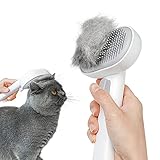
- 【Professional Cat Hair Brush】Perfect gift for pet owners, vets, and pet groomers. Using this cat brush for long haired cats on a regular basis can gently and effectively remove loose hair, tangles, knots, dander and trapped dirt. Suitable for short, medium or long, thick, thin or curly haired dogs/cats/rabbits, making your pets shiny and healthy.
- 【Skin-friendly Massage Needles】The mental pins on the cat brush with release button have round rubber tips on the ends. As a cat deshedding brush, it's perfect for shedding and massaging your pets without scratching your pet's skin, even the sensitive skin. After use, you can hang it with the silicone loop strap to protect the bent needle.
- 【Upgraded High Quality Material】The our long hair cat grooming brush made of durable 304 stainless steel and fine ABS material. Our wire bristles is 1.2 times as thick as bristles of other deshedding brush for cats. More sturdy and not easy to deform, can be used for a long time. 150° bent needles designed to penetrate deep into the coat are really easier to groom the undercoat well.
- 【One-click Cleaning Button】After brushing your pet, simply click the button. The shutter will pop out, separating the brushed hair from the metal needle, then wipe the hair off. The button of cat shedding brush on the handle saves time and energy when grooming and cleaning.
- 【SUPPORT · 365 Days】If the pet hair brush have any problems during use, we will provide you with replacement or 100% money back. And we have a professional customer service team and pet experts to provide you with the pre-sales and after-sales service. aumuca is always at your side.
There is no evidence-based “orange cat” food, brush, supplement, or grooming schedule. Be cautious of product claims that present orange coloring as a reason to buy a particular formula or treatment. Choose products based on their suitability for the cat’s life stage and health, how they work with its coat, and whether the cat tolerates them.
Start with an individual health plan
Arrange a veterinary check for a new cat
If you have recently adopted an orange cat—or any cat—arrange a veterinary assessment. Bring whatever history you have and ask about vaccinations, nutrition, parasite control, and grooming. If the cat’s medical history is unknown, ask the veterinarian whether testing for feline leukemia virus (FeLV) or feline immunodeficiency virus (FIV) is appropriate. The decision depends on the cat’s circumstances and veterinary guidance.
When available, bring adoption, shelter, or previous veterinary records and mention any medicines, supplements, or foods the cat has been receiving. If the history is incomplete, say so rather than guessing. A veterinarian can use the assessment and the information you have to advise what follow-up is suitable; not every cat with an unknown history will necessarily need the same testing or plan.
A first visit is also a good time to ask how to handle routine care at home, including nail trimming and any coat-care needs. For cats with a known condition, discuss whether it changes food choices, activity, or the signs you should watch for. If you are unsure how to brush or handle a sensitive area, ask for guidance rather than forcing a procedure the cat resists.
Know which changes call for a veterinarian
Contact a veterinarian about appetite loss, persistent vomiting or diarrhea, nasal or eye discharge, sneezing, weight loss, unusual changes in urination or thirst, or lethargy. Straining or pain while urinating, blood in the urine, and breathing difficulty also warrant prompt veterinary attention. Rapidly increasing swelling should be assessed as well. These signs do not identify a specific diagnosis on their own; a veterinarian can determine what is causing them and what care is needed.
Pay attention to what has changed and how long it has been happening. For example, a new decrease in appetite, a persistent litter-box change, or vomiting that recurs is more useful information to share than an assumption about the cause. If possible, note whether signs happen together and whether the cat’s eating, drinking, activity, or coat has changed too. Do not wait for a coat problem to become severe if the cat also seems unwell.
Do not assume repeated vomiting is just a hairball. Vomiting that happens often, continues, or appears with other symptoms deserves veterinary advice. Likewise, a change in coat condition can accompany a health problem, so repeated brushing or bathing is not a substitute for finding the cause. Seek prompt veterinary guidance for breathing difficulty, painful or difficult urination, or other concerning changes rather than trying to manage them with grooming or food changes.
The Tool Desk
Outbyte PC Repair FREEClear out junk files and repair common Windows errorsFree Scan →Outbyte Driver Updater FREEFix the driver behind crashes, sound loss and screen glitchesFind Drivers →Choose food for life stage and health, not coat color
Check that the food is complete and balanced
Choose a nutritionally complete and balanced commercial cat food that suits your cat’s life stage and health. Read the package’s nutritional adequacy statement rather than relying only on the product name or marketing. Treats and products described as supplemental may not be suitable as the cat’s entire diet. A product can be useful as a treat or addition without providing everything needed as a main diet.
Rank #2

- Cat brushes for long haired cats and short haired cats
- Soft Tip Bristles:Cat comb with soft tip bristles, helping to break up tangles and mats effectively,Your pet will enjoy the gentle massaging
- Soft Gel Handle:Super soft handle with anti-skid curved silicone gel, keeps your hand comfortable while grooming
- Self-Cleaning Button:Simply push the release button, and all the fur will come off the bristles, no more digging in between bristles to get the hair out
- Premium Material:The cat grooming brush is made of resistant and durable material, free of toxins and chemicals, healthy and easy to use
Compare foods using practical criteria: whether the food is complete and balanced, whether it is suitable for the cat’s life stage, and whether it fits any individual medical needs identified by a veterinarian. A more colorful label, a claim about coat brightness, or the word “orange” in a product name does not establish that a food is appropriate. If a cat has a health condition or a specific dietary need, ask the veterinarian which food characteristics matter for that cat.
Cats need nutrients from animal products, but adding extra vitamins or minerals does not automatically improve a diet. Cornell Feline Health Center cautions that supplements can be harmful when given without veterinary approval. Do not add a supplement in pursuit of a shinier orange coat unless your veterinarian recommends it for your cat. More is not necessarily better, and a supplement should not be used to compensate for an unsuitable diet without professional advice.
Keep clean, fresh water available at all times. Cornell Feline Health Center states: “Cats should have access to clean, fresh water at all times.” Make water access part of the daily routine, and contact a veterinarian if you notice a marked change in thirst or urination. Do not assume that increased drinking is simply a preference or a coat-related issue.
Do these 3 things before closing this tab:
1Fix the driver behind crashes, sound loss and screen glitches2Repair Windows errors before they cause bigger problems3Scan for outdated or missing drivers - takes under a minuteUse body condition and medical needs to guide portions
Food choice is only part of nutrition; the amount your cat eats matters too. Cornell identifies obesity as the most common nutrition-related problem in cats and notes its association with health problems including arthritis and diabetes. Ask a veterinarian to help set a feeding plan if your cat’s weight, age, activity, or medical condition raises questions. Do not use an orange-cat formula or a coat-color rule to determine portions.
There is no one portion recommendation in this guide because a suitable plan depends on the individual cat and the food being fed. If you are concerned about weight, avoid relying on a generic serving suggestion or changing the diet repeatedly without a plan. A veterinarian can consider the cat’s body condition and health and advise how feeding should be managed. Mention treats and any additional foods when discussing the routine so the plan reflects what the cat actually eats.
For a homemade diet or a diet intended to manage a medical condition, seek veterinary guidance. A veterinary nutrition professional may be needed to plan an appropriate homemade diet. Do not begin a raw diet or therapeutic feeding plan on the assumption that orange coloring creates a special nutritional need. If you are considering a substantial diet change, ask how to meet the cat’s nutritional needs rather than choosing based on a marketing claim about coat color.
Groom according to coat type and your cat’s comfort
Choose a brush or comb by coat length and texture
A brush or comb should suit the cat’s coat and be comfortable for the individual animal. Coat type matters more than orange color: long, fine coats can tangle and mat more readily, while many short-haired cats need a simpler brushing routine. Shedding, tangling, the cat’s tolerance, and any changes in the coat can all affect what works.
There is no single brushing frequency that fits every cat. Consider how quickly the coat tangles, how much loose hair is present, whether the cat develops mats, and whether grooming is comfortable for it. A long, fine coat may call for closer attention to tangles than a short coat, but the cat’s response and individual coat condition still matter. Adjust the routine if shedding or matting changes, rather than following a calendar based on color.
Rank #3

- 【Easy Desheding】: Swihauk self cleaning dog brush for long haired dogs with release bottom helps effortlessly reduce shedding. A must have dog brush for short haired dogs, cat brush for indoor cats, cat brush for shedding, slicker brush for dogs.
- 【Safe Design】: Soft and protective plastic round head bristles creating a comfortable feeling while deshedding without hurting your pet. Ideal puppy brush for small dogs, dog brush for shedding and grooming.
- 【Sturdy & Durable】: Premium stainless steel metal and compact design make our product sturdy and durable for long term use.
- 【Ergonomic Design】: Press bottom for easy cleaning, high-quality & lightweight TPR handle make your grooming effortlessly.
- 【Effective to Remove Loose Fur】: Swihauk pet grooming brush is effective to remove loose fur, suitable for dogs, cat with long and short hair, perfect for your lovely pet like puppies, golden retriever, rabbit, kitten, bunny, yokie and more.
Regular, gentle brushing removes loose hair and gives you a chance to look at the skin. It can help you notice parasites, irritation, bumps, cuts, or bald areas. Start gradually and keep sessions calm; stop if the cat becomes distressed rather than forcing a long grooming session. There is no single evidence-based schedule for every orange cat. Adjust the routine to the cat’s coat, shedding, tendency to mat, and tolerance.
Choose a tool that you can use gently and that does not make the cat resist handling. If the coat is fine or prone to tangling, a comb may help you notice knots; for other coats, a suitable brush may be easier to use. The useful comparison is not which tool is best for orange cats, but which tool works for this cat’s coat and can be used without pulling or distress. If grooming repeatedly becomes difficult, ask a veterinarian or professional groomer for help selecting an approach.
Respond safely to tangles and mats
Check areas where the coat tangles, and do not yank a comb through a knot. Matted hair can be painful and contribute to skin problems. For severe mats, get help from a veterinarian or professional groomer rather than pulling them out or attempting a difficult cut close to the skin. If mats keep returning, ask whether a different grooming approach or a health assessment is needed.
Free tools Windows power users keep installed
One-click scans. No signup required.
Regular inspection can help you spot a small tangle before it becomes a larger mat, but inspection does not mean every knot should be worked out at home. If a mat is tight, extensive, close to the skin, or painful to handle, leave it to someone equipped to address it safely. Pulling can hurt the cat, and a close cut can risk injury. The cat’s comfort and skin health come before completing a grooming session.
A cat that suddenly stops grooming, cannot reach parts of its body, or develops persistent mats may be experiencing pain, arthritis, obesity, or another problem. The change in self-care matters: do not treat it as only a grooming inconvenience. Likewise, a cat that previously tolerated brushing but now reacts strongly may need an assessment if the change persists or appears to reflect discomfort.
Trim nails carefully
Regular nail trimming can reduce damage from sharp claws and lower the chance of a nail growing into a foot pad. If you have not trimmed a cat’s nails before, ask a veterinarian to demonstrate the technique before trying it. Use clippers intended for cat nails, work gently, and stop if you are unsure how much to trim. If a nail appears embedded or the foot is painful, seek veterinary help rather than trying to resolve it with routine trimming.
Nail care is separate from coat color and should be approached as a practical maintenance task, not a reason to restrain a distressed cat. Ask for a demonstration before your first attempt or whenever you are uncertain. A cat with a painful foot or an ingrown nail needs veterinary attention, not just a routine trim. If nail trimming is difficult, ask the veterinarian what safe help is available.
Windows Errors? Fix Them Before They Spread
Repair common Windows errors and clear accumulated junk for a smoother, more stable PC - no reinstall needed.Free scan · no reinstallCrashes, No Sound, or Screen Glitches?
Random freezes, missing sound and display glitches usually trace back to one bad driver. Find and replace yours safely.Free scan · under a minuteTake coat changes seriously
A coat that becomes dull, patchy, brittle, greasy, flaky, or unusually sparse can be a clue to a skin problem, parasites, poor nutrition, stress, pain, obesity, or another condition. A coat change is not a diagnosis, and orange coloring does not explain it. Persistent or recurring changes warrant veterinary evaluation, especially when they occur alongside other symptoms.
Rank #4

- WORLD’S #1 CAT HAIR BRUSH: Our cat grooming brush / cat shedding brush is the world's best patented pet grooming brush for cats, small dogs, and rabbits. It is the perfect cat deshedding brush, short hair cat brush, & cat brush for long haired cats.
- EASY AND FAST CLEANUP: SleekEZ Deshedding Grooming Tool is great for removing hair and fur from carpets, pet bedding, cat trees, and more! Our cat comb for shedding is also an amazing pet hair remover and cat fur remover / cat hair remover brush.
- ALL HAIR & FUR TYPES: It is the perfect cat comb for long haired cats and cat brush for short haired cats. SleekEZ works as a deshedding brush for cats, cat deshedding tool, undercoat brush for cats, cat fur brush, cat deshedder, & small dog brush.
- PAINLESS AND ENJOYABLE: SleekEZ serves as a versatile kitten brush, puppy brush for small dogs, & bunny brush / rabbit brush. It's the best pet hair brush on the market and is an absolute essential for cat shedding control!
- GREAT GIFT: SleekEZ makes the industry's leading cat combs for indoor cats & shedding brush cat hair. It is a must have for any cat grooming kit, cat essentials for indoor cats, & cat supplies. Also an amazing cat dander remover & cat undercoat brush
Watch for recurrent itching, heavy shedding, bald patches, dandruff, greasiness, odor, or mats. If a problem persists or returns, repeated bathing and grooming may not address the underlying cause. Avoid trying multiple products or supplements as a substitute for veterinary advice, particularly if the cat seems uncomfortable or unwell. A new coat concern is useful information to report, especially if it appears at the same time as appetite, weight, behavior, or activity changes.
Look at the skin while brushing, without turning grooming into a struggle. Noticing a cut, bump, irritation, parasite, or bald area gives you a reason to monitor and, if it persists or worsens, speak with a veterinarian. The same is true when the coat becomes greasy, flaky, or unusually sparse: these observations can help describe the problem, but they do not tell you which cause is responsible. Avoid assuming that a dull coat means the cat needs a supplement or that more bathing will fix it.
Many possible causes of coat changes are not visible from the coat alone. Health, nutrition, stress, pain, obesity, parasites, and grooming can all be relevant. That is why a recurring or persistent problem is best assessed rather than repeatedly treated with products at home. If a cat has skin changes and also seems lethargic, loses weight, eats less, or has another warning sign, contact a veterinarian rather than treating the coat in isolation.
Quick wins for a faster PC:
Repair Windows errors before they cause bigger problemsFix Now →Fix the driver behind crashes, sound loss and screen glitchesFind Drivers →Hairballs, licking, and shedding
Cats can swallow loose hair during normal self-grooming, and that hair can contribute to hairballs. Brushing can remove loose coat hair before it is swallowed, but repeated vomiting should not automatically be written off as harmless hairballs. If vomiting is frequent, persistent, or accompanied by other symptoms, contact a veterinarian.
Frequent or excessive licking may reflect itch, allergy, discomfort, or another issue. If licking is persistent, causes bald areas or skin damage, or appears with other changes, ask a veterinarian to assess it. The useful distinction is between ordinary grooming and a new, repeated, or damaging behavior. A change in grooming can also be a clue that the cat is uncomfortable, rather than a habit to discourage without first considering why it is happening.
Shedding and grooming needs vary by coat and individual cat, so the presence of loose hair alone does not establish a problem. Regular brushing can help remove loose hair and makes skin checks easier. However, heavy or unusual shedding, bald patches, repeated licking, or a coat that is becoming sparse or damaged deserve attention, particularly if persistent. Do not use an orange coat as an explanation for a change in shedding or skin condition.
Independent reader supportYour contribution helps us test, update, and keep practical guides available for everyone.A practical care routine
A simple routine can help keep ordinary care from becoming reactive. It should remain flexible: a cat’s coat, health, age, and tolerance may change, and a veterinarian can advise when the routine needs to account for an individual condition.
- At adoption or when bringing the cat home: arrange a veterinary check, gather any available health records, and ask about vaccinations, parasite control, nutrition, and grooming. Discuss FeLV and FIV testing if the cat’s history is unknown. Ask how to approach nail trimming and whether the cat’s coat calls for any particular care.
- At feeding time: provide a complete and balanced food appropriate to life stage and health, follow a veterinarian’s advice about portions when needed, and keep clean, fresh water available. Treats or supplemental products should not be mistaken for a complete main diet.
- During grooming: use a suitable brush or comb gently, adapt the routine to coat type and the cat’s tolerance, and look for changes in skin or coat. Ask a veterinarian to demonstrate nail trimming if you need instruction. Do not force a session if the cat is distressed or a mat is painful.
- When something changes: note persistent coat problems, unusual licking, appetite or weight changes, vomiting, litter-box changes, or other symptoms, and contact a veterinarian when a warning sign appears or a problem persists. Share how long the change has been happening and whether other signs appeared at the same time.
Choosing care by the factor that matters
There is no evidence-based product category or routine for orange cats. Use the factors that actually affect each choice, and ask a veterinarian when a medical need makes the decision more complicated.
Best Value

- REMOVES LOOSE FUR & UNDERCOAT: The 5-inch EquiGroomer deshedding brush gently pulls loose hair and undercoat from cats and dogs without cutting healthy fur.
- PERFECT SIZE FOR CATS & SMALL DOGS: The compact 5-inch blade fits smaller pets and tight spots - face, legs and paws - for easy, precise grooming.
- WORKS ON SHORT & LONG HAIR: Rounded stainless-steel teeth glide through any coat, reducing shedding while keeping your pet calm and comfortable.
- LESS SHEDDING, LESS MESS: Regular use dramatically cuts loose hair on furniture, floors and clothes and leaves a softer, shinier coat.
- COMFORT-GRIP HANDLE: A lightweight, ergonomic handle gives you full control for quick, stress-free grooming sessions.
| Care decision | What to consider | What not to base it on |
|---|---|---|
| Food | Life-stage suitability, complete-and-balanced adequacy, individual medical needs, body condition, and veterinary advice. | Orange coloring or a promise of a brighter coat. |
| Brush or comb | Coat length and texture, tangling or shedding, the cat’s comfort, and whether gentle use is practical. | A claim that all orange cats need the same tool. |
| Grooming routine | Coat type, individual shedding, mats, tolerance, and changes that could point to a health issue. | A universal schedule based only on coat color. |
| Supplements | A veterinarian’s recommendation for the individual cat and the reason for using a product. | A general promise of coat shine or a presumed need linked to orange coloring. |
| Nail care | Safe technique, the cat’s comfort, and veterinary demonstration if you need instruction. | Coat color or an attempt to manage a painful or embedded nail as routine grooming. |
What orange coloring can—and cannot—tell you
Orange coloring can tell you about the cat’s coat and its underlying pigmentation biology. The 2025 genetics study helps explain that biology, but it does not establish orange-specific disease risks or care instructions. Your cat’s appropriate plan comes from its own health, age, nutrition, coat, and behavior—not from assumptions attached to its color.
In practice, that means an orange cat should receive the same kind of individualized attention as any other cat: veterinary assessment when new to your home, food that is complete and balanced for its needs, water always available, grooming suited to its coat, and a response to persistent or concerning changes. Color is a description, not a diagnosis or a guide to what the cat needs.
Frequently Asked Questions
Do orange cats need special care?
No. Orange coloring does not establish a special diet, grooming schedule, or veterinary-care plan. Make decisions based on the individual cat’s age, health, coat type, body condition, and veterinary advice.
Recommended Free Tools
What should I feed my orange cat?
Choose a complete and balanced food appropriate to the cat’s life stage and health. Read the package’s nutritional adequacy statement, keep clean, fresh water available, and ask a veterinarian about portions, medical diets, homemade diets, or supplements.
How often should I brush my orange cat?
There is no universal schedule based on coat color. Adjust brushing to coat length and texture, shedding, tangles or mats, and your cat’s tolerance. Long, fine coats can tangle more readily; brush gently and seek help for severe mats.
Are orange cats more prone to health problems?
The 2025 genetics finding explains orange coat-color biology and inheritance; it does not establish orange-specific disease risks. Contact a veterinarian about concerning changes such as appetite loss, persistent vomiting or diarrhea, weight loss, urinary difficulty, breathing difficulty, or lethargy.
Should I give my orange cat a supplement for a shiny coat?
Do not add supplements just to improve coat shine. Supplements can be harmful without veterinary approval, and orange cats do not have a special nutrient requirement established by coat color.
When should a coat problem be checked by a veterinarian?
Seek veterinary advice for persistent or recurring dullness, bald patches, heavy shedding, itching, dandruff, greasiness, odor, or mats—especially if the cat also has other symptoms. A coat change can have several causes and is not a diagnosis by itself.
The Bottom Line
Orange cats do not need a special care plan because of their color. Choose food for life stage and health, keep fresh water available, groom according to coat type and comfort, and ask a veterinarian about persistent coat changes or other warning signs.
Quick Recap
Product prices and availability are accurate as of the date/time indicated and are subject to change. Any price and availability information displayed on Amazon at the time of purchase will apply.

