
iTechGuides is reader-supported. When you buy through links on our site, we may earn an affiliate commission. As an Amazon Associate I earn from qualifying purchases. Learn more
You don’t need to buy a roomful of books to give a young child regular access to them. Combine library borrowing and any local free-book program the child qualifies for with a small home shelf of books they enjoy revisiting. Borrowed books count as part of a child’s reading life; a home collection can grow gradually around the child’s interests.
Start with free and borrowed books
Get a library card and ask about children’s services
Apply for a caregiver’s card and, if your library offers them, a card for the child. Ask the children’s librarian where board books and picture books are shelved, whether you can place holds or renew items, and which storytimes suit your child’s age. Library services and borrowing rules vary by location, so check your local branch. San Francisco Public Library, for example, describes free cards, borrowing, storytimes, and children’s librarian support: SFPL Early Literacy.


Check whether a free-book program serves your address
Look up the child’s address through the official Dolly Parton’s Imagination Library parent resources or ask your local library. Before counting on monthly deliveries, verify the program’s current service area, age and residency requirements, and available languages. Local programs differ: the DC Public Library’s Books from Birth page describes a service for DC residents under five and a bilingual English/Spanish option, while Charles County Public Library’s Imagination Library describes its own eligible-area program and English or bilingual English/Spanish collections. These are examples, not nationwide eligibility rules.
What’s actually slowing this PC down?
Pick the symptom - the matching free tool is one click away.
Build a small shelf around the child
Once borrowing and free-program options are in place, choose a few books the child will want to return to. For babies, sturdy board books or simple picture books are age-relevant starting points; babies may explore books by playing with or mouthing them, as San Francisco Public Library explains. For older children, follow their interests and the languages used at home. The sources here support these broad choices but do not rank specific titles.
#1 Best Overall
Keep a small selection somewhere visible and reachable, then swap in borrowed books as interests change. There is no established ideal number of books or budget in the cited guidance, so treat a rotating selection as a practical approach—not a target you need to hit. Library books need to be returned; books received through a qualifying free-book program may be kept. If you have duplicates or books your child has outgrown, consider sharing them with relatives, friends, or a community book-sharing option. Charles County Public Library encourages sharing program books with others in the community.
Make reading fit the child’s age and attention
Birth to age 2
Offer books when the baby is comfortable, let them explore at their own pace, and stop if they become tired or fussy. Short, relaxed moments are fine. Dolly Parton’s Imagination Library parent guidance recommends keeping books handy, reading regularly, rereading favorites, and pausing when a child is fussy: Parent Resources.
Ages 2 to 3
Let the child turn pages, point to pictures, and name familiar objects. Try simple questions, notice letters if they are interested, or leave space for them to join a repeated phrase. Following the child’s attention keeps reading conversational rather than turning it into a quiz.
The Tool Desk
Outbyte Driver Updater FREEScan for outdated or missing drivers - takes under a minuteDriver Scan →Outbyte PC Repair FREEClear out junk files and repair common Windows errorsFree Scan →Ages 3 to 5
Invite the child to predict what might happen next, talk about how a character feels, or connect a story to something in their own life. When they are interested, notice starting sounds or letters. A familiar book can also become an invitation to retell or act out the story.
Rank #3

- This product will be an excellent pick for you.
- It is durable and long lasting
- It ensures you get the best usage for a longer period
Choose a book source by what matters to your family
There is no single cheapest route for every family: availability and eligibility are local, and the cited sources do not establish current prices. Compare options by whether books can be kept or must be returned, how durable they are, whether they suit the child’s age and interests, the languages available, and how convenient they are to access.
Quick Recap
Best Value
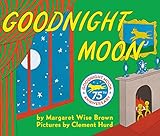
- Margaret Wise Brown, Goodnight Moon, board book
Rank #4

- Now even younger children can follow the little green caterpillar as he eats his way to becoming a beautiful butterfly in this sturdy board book
- Great for early development
- Children will enjoy this delightful tale
- Ages 2 to 5
| Source | Out-of-pocket cost | Keep or return? | What to check |
|---|---|---|---|
| Public library | San Francisco Public Library describes free cards and borrowing; check your local library’s rules. | Return borrowed books under your library’s rules. | Local card requirements, holds, renewals, children’s collections, and storytimes. |
| Local free-book program | Program cost to an eligible family is not stated on the cited local pages; verify current terms with the local program. | Check the local program’s terms; the cited Charles County page encourages sharing program books. | Service area, age and residency requirements, delivery, and language options. |
| Buying books | Current prices are not established by the cited sources. | Books you buy can stay in the home collection. | Durability, child interest, language, and whether the child is likely to revisit the book. |
Product prices and availability are accurate as of the date/time indicated and are subject to change. Any price and availability information displayed on Amazon at the time of purchase will apply.

