
iTechGuides is reader-supported. When you buy through links on our site, we may earn an affiliate commission. As an Amazon Associate I earn from qualifying purchases. Learn more
In Sea of Conquest, a strong crew is built around jobs that work together: damage, front-line durability, support, and—when the fight calls for it—control or debuffs. A hero’s role label is only a starting point. The ship, encounter, hero’s skills, star level, and realistic upgrade access all affect whether a lineup works.
What the hero roles mean
The role descriptions below reflect practical guidance from the independent Sea of Conquest Handbook, not a complete official taxonomy. A hero’s actual skills and fit with your ship matter more than the label alone.

- Captain: Helps define the ship’s combat identity. Choose a captain whose strengths support the damage and survival plan you want to use.
- First mate: Often amplifies damage or applies debuffs, helping the crew’s main plan rather than acting as a substitute for it.
- Gunner: Contributes direct damage. A gunner is most useful when their kit fits the ship’s damage approach and the target.
- Defense: Adds survivability through tools such as mitigation, shields, aggro management, or durability.
- Support: Can heal, dispel, buff allies, or manipulate rage, depending on the hero’s skills.
- Flex: Fills a roster gap or helps a crew cover a job it otherwise lacks.
How to build synergy
Start with a shared combat plan
Strategic synergy means choosing heroes whose skills reinforce a coherent approach. Avoid assembling a crew from unrelated kits just because every hero is high rarity. Decide how the ship is meant to deal damage and stay alive, then check whether the heroes contribute to that plan.
The Tool Desk
Outbyte PC Repair FREEClear out junk files and repair common Windows errorsFree Scan →Outbyte Driver Updater FREEFix the driver behind crashes, sound loss and screen glitchesFind Drivers →Cover the jobs the encounter requires
A fleet generally needs enough damage, a front-line or other survivability option, and support. Control or debuffs can become more valuable in a longer engagement, where their effects have more opportunity to matter. There is no universally correct balance: the target and expected fight length change what the crew needs.
#1 Best Overall

- Special Miniature: Fredrik (Noble Lord)
- Special Miniature: The Alchemist (Biomancer)
- The Nepenthe: Collection Lore Booklet
- Campaign Rules: Nepenthe Remembers
- Executor: Spires Hight Clone
Treat numeric bonuses as a separate question
Strategic fit is different from a game-defined bonus. The third-party F2D.One community wiki, last modified March 15, 2026, describes same-damage-type synergy, skill-trigger interactions, and preferred-position bonuses. Its mechanics claims are not official documentation, so check current in-game descriptions before relying on an exact rule or percentage; this article does not treat a particular bonus as universal.
A practical way to compare crews
- Name the content: Decide whether you are building for campaign or other PvE, a sea monster, a rally, or PvP. Different content can reward different damage and survival profiles.
- Pick the ship’s main damage plan: Identify the approach you want to use, then look for heroes whose skills support it. Rarity or a tier letter alone does not establish that a hero fits.
- Check job coverage: Ask whether the fleet has primary damage, a front-line or other durability option, and support. Add control or debuffs when the encounter’s likely length makes them useful.
- Compare each candidate on five axes:
- Does the hero fill a needed job?
- Do the hero’s kit and damage approach fit the rest of the crew?
- Does the fit make sense for this target and likely fight length?
- Can you develop the hero to a useful star level with your available progression?
- Does the hero fit the ship and intended position?
- Invest in a core you can complete: The Handbook advises against spreading scarce upgrades across many incomplete ships. Treat that as a progression strategy, not a guaranteed performance result.
When comparing two viable lineups, use the same five axes for both rather than asking which hero is strongest in isolation. A less celebrated hero you can develop may be a more practical choice than a limited hero whose paper advantage you cannot build around.
Rank #2

- Country Of Origin: China
- Model Number: 15000CAT
- Item Package Dimension: 1.0" L x 5.25" W x 3.75" H
- Item Package Weight: 0.875 lb
Why there is no timeless best crew
Composition value depends on the content, ship, damage plan, and how long the encounter lasts. Account progression matters too: star level and access to upgrades can outweigh a theoretical tier advantage. Named builds and limited crossover characters are especially time-sensitive, so treat specific recommendations as snapshots rather than permanent rankings.
Do these 3 things before closing this tab:
1Clear out junk files and repair common Windows errors2Fix the driver behind crashes, sound loss and screen glitches3Repair Windows errors before they cause bigger problemsThe Handbook’s hero and crew guides were updated September 28, 2026; its hero guide says it was checked against version 1.1.790. Apple’s US App Store listing displays version 1.1.800, dated September 24, 2026, and notes recent crossover heroes and a flagship deployment change. That makes the store record useful for dating the game’s current state, but not for validating team-building claims. Recheck roster-specific advice and live skill descriptions in your version of the game.
Quick Recap
Rank #4
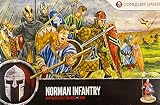
- 44 Norman Infantry Figures, plus two casualties.
- These highly detailed plastic models can be used to create a unit of Norman, Early Crusader, Flemish, Breton or Frankish infantry
- Weapons provided include swords, spears and Dane axes, shields include round and kite and the torsos are a mix of mail, padded and unarmoured
- Bases included. Also includes two casualties and options to model two standards, two musicians and two leader types.
Rank #3
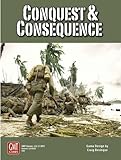
- Conquest and Consequence brings the Triumph and Tragedy system to the Pacific/East Asia theater during the same 1936-1945 time period
- Like T&T, it is designed for 3 players, maintaining the 3-sided dynamic that adds so much variety and intrigue to the system
- The game combines the Pacific naval war and the land war in Asia (including the Chinese Civil War), both equally weighing upon victory
- In the tradition of Triumph and Tragedy, the 3-sided aspect features negotiation, diplomacy, and subterfuge within a multitude of strategic possibilities
- English Version | Ages 12+ | 2-3 Players | 240-360 Minutes Playing Time
Product prices and availability are accurate as of the date/time indicated and are subject to change. Any price and availability information displayed on Amazon at the time of purchase will apply.

