
Free tools Windows power users keep installed
One-click scans. No signup required.
iTechGuides is reader-supported. When you buy through links on our site, we may earn an affiliate commission. As an Amazon Associate I earn from qualifying purchases. Learn more
Most performance running shoes are expected to last about 300 to 500 miles, according to guidance from Brooks Running and ASICS. That range is a checkpoint, not a guarantee or a mandatory retirement date. A pair may need replacing sooner on abrasive terrain or with heavy non-running use, while another can remain comfortable beyond 500 miles.
Use mileage to prompt an inspection, then decide from the shoe’s actual condition: worn tread, exposed or compressed foam, a damaged upper, uneven wear, or a flatter and less supportive ride. New soreness is a reason to reassess the shoes and your routine, but it does not prove that the shoes caused an injury.
What the 300–500-mile guideline really means
Brooks Running’s current Help Center guidance says, “Performance running shoes typically last 300 to 500 miles.” ASICS gives the same broad range and emphasizes that running style, frequency and terrain change the result. Neither source presents a guaranteed expiration mileage for every runner, model or surface.
Quick wins for a faster PC:
Clear out junk files and repair common Windows errorsFree Scan →Scan for outdated or missing drivers - takes under a minuteDriver Scan →Repair Windows errors before they cause bigger problemsFix Now →The range describes when it becomes sensible to look closely at a pair, not when every pair suddenly stops working. Two runners can reach the same mileage with very different wear because one may run mostly on smooth paths while the other uses rough pavement, runs more often, or also wears the shoes for work and long walks.
#1 Best Overall

- FRESH FOAM CUSHIONING — Precision-engineered Fresh Foam midsole cushioning helps deliver an ultra-cushioned, lightweight ride for everyday running and all-day wear
- BREATHABLE MESH UPPER — Breathable engineered mesh and synthetic materials help create a lightweight, versatile running shoe built for daily comfort
- EVERYDAY RUNNING SHOE — Designed for everyday running and all-day wear, this men’s running shoe offers soft cushioning with neutral support
- LIGHTWEIGHT RIDE — Weighing only 260.8 grams, this design helps keep the shoe light on foot without sacrificing cushioned comfort for regular activity
- SECURE LACE-UP FIT — Traditional lace closure helps create an adjustable fit, while the 10 mm heel-to-toe drop* gives the shoe a familiar running profile
Why mileage is only a starting point
Every landing repeatedly compresses the midsole foam. Greg Weich, a manager and shoe-fit expert at In Motion Running, described the process to Runner’s World this way: “Every time your foot hits the ground in that running shoe, you’re compressing the midsole.” The amount and pattern of that loading vary with pace, body size, stride, terrain and the shoe’s construction.
Mileage also fails to capture time spent standing or walking. Brooks specifically notes that sustained walking or work use can break down mesh and cushioning, even when the pair’s running log looks modest. Record running miles, but include substantial other use when judging condition.
Use the range as a review schedule
| Approximate mileage on the pair | What to do |
|---|---|
| Below 300 miles | Keep using the shoes if they remain comfortable and show no significant damage. Continue tracking the pair’s mileage. |
| Approaching 300 miles | Begin regular checks of tread, midsole, upper and ride feel. This is the lower end of the commonly cited performance-shoe range. |
| 300–500 miles | Inspect the shoes every few runs and compare both shoes for uneven wear. Replace if condition or comfort has clearly declined. |
| Beyond 500 miles | Do not assume they are unsafe solely because of the number, but require convincing evidence that tread, cushioning, structure and comfort remain intact. |
The table is a decision aid, not a promise of service life. A heavily worn pair at 250 miles may be finished, while a lightly used pair beyond 500 miles may still feel normal.
Four signs that a pair is worn out
1. The outsole tread is smooth or worn through
Turn each shoe over and inspect the rubber contact areas. Look for tread that has become noticeably smooth, rubber worn through to the foam, or a pattern of wear that is much deeper on one side. Loss of visible tread does not provide a precise mileage estimate, but it shows that the outsole is no longer in its original condition.
Check the left and right shoes separately. A runner who loads one side more heavily may see substantial wear on one shoe while the other still looks relatively fresh. Judge the pair by the condition of the more worn shoe and by whether the difference changes how the shoes feel.
2. The midsole looks compressed, creased or collapsed
The midsole supplies much of the shoe’s cushioning and support. Examine the sidewalls for deep, persistent creases, areas that look visibly thinner, or foam that compresses and fails to spring back. Exposed foam where outsole rubber has worn away is another practical warning sign.
Rank #2
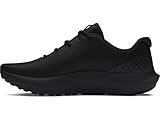
- Breathable mesh upper with synthetic overlays for added structure & support
- Enhanced cushioning around ankle collar for superior comfort
- Deluxe Comfort System sockliner molds to your foot for ultimate step-in comfort
- Charged Cushioning midsole provides all day comfort with responsiveness & durability
- Durable rubber outsole provides traction & durability with flexibility where you need it for toe-off
Compression is not always easy to see, so compare the used pair with a new pair of the same model if one is available, or compare the two shoes side by side on a flat surface. A shoe that sits lower or tilts differently from its mate deserves closer attention.
The Tool Desk
Outbyte Driver Updater FREEFix the driver behind crashes, sound loss and screen glitchesFind Drivers →Outbyte PC Repair FREERepair Windows errors before they cause bigger problemsFix Now →3. The upper is damaged or no longer holds your foot securely
Inspect the mesh, overlays, seams, eyelets and heel area. Tears, fraying, stretched fabric and separating seams can allow the foot to move more than it did when the shoes were new. Strongly uneven damage can also signal that the shoe’s original fit has changed.
A cosmetic mark alone does not automatically end a shoe’s life. The relevant question is whether the damage affects fit, stability or comfort during your usual run.
4. The ride feels flatter or less supportive
Pay attention to changes you can feel: less cushioning, a flat sensation, reduced support, or a different landing from the same route. Compare the shoes with your recent experience rather than with a universal “correct” feel. If your training, route and pace have stayed broadly consistent but the pair suddenly feels harsher or less stable, reassess it.
A step-by-step replacement check
- Confirm the pair’s mileage. Use a running app, training log or simple note for each pair. Do not combine mileage from different shoes or rely on memory.
- Cleanly inspect the outsole. In good light, look for smooth tread, rubber worn through and exposed foam. Compare left and right shoes.
- Examine the midsole. Look for compression, deep creases, collapse or a visibly uneven platform. Pressing the foam can supplement, but not replace, a visual and on-foot assessment.
- Check the upper and heel structure. Look for tears, fraying, stretched sections and damage that lets your foot move differently.
- Run a familiar route and note the feel. A flatter, less supportive ride or new soreness after an otherwise unchanged routine is a reason to stop treating the pair as automatically reliable.
- Make a pair-level decision. Replace when several wear signs appear, when one major defect changes fit or stability, or when comfort and support have clearly declined. Mileage alone should trigger the check, not dictate the verdict.
How use conditions change longevity
Terrain
Terrain is one of the factors ASICS identifies as affecting lifespan. Rough, abrasive surfaces can wear outsole rubber faster than smoother paths. A pair used across roads, tracks and trails may show different wear zones, so inspect the actual contact areas rather than assuming one mileage number applies to every route.
Outdated Drivers Are Slowing You Down
One free scan finds every outdated or missing driver and matches the right update for your exact hardware.Free scan · exact hardware matchPC Slower Than It Used to Be?
A free scan shows the junk files, broken settings and background clutter dragging Windows down - then fixes them in one click.Free scan · Windows 10 & 11Running frequency and recovery between uses
Frequent running subjects the same midsole and upper to repeated loading. Track how often each pair is used, not just your total weekly mileage, because two pairs sharing the workload will accumulate wear at different rates from one pair used for every session.
Rank #3
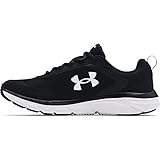
- Lightweight mesh upper with 3-color digital print delivers complete breathability
- Durable leather overlays for stability & that locks in your midfoot
- EVA sockliner provides soft, step-in comfort
- Charged Cushioning midsole uses compression molded foam for ultimate responsiveness & durability
- Solid rubber outsole covers high impact zones for greater durability with less weight
Running style
ASICS also points to running style. Stride and landing patterns determine where outsole rubber and midsole foam receive the most stress. Uneven wear is useful information: it may explain why one part of the shoe feels different even when the overall mileage appears moderate.
Construction and non-running wear
Design affects durability, but more cushioning does not automatically mean a longer life. Daily trainers and specialized racing shoes use different constructions and are intended for different jobs. Walking, commuting and work use add time under load and can accelerate mesh and cushioning breakdown.
Do new aches mean the shoes caused an injury?
New soreness can be a useful prompt to reassess a pair, especially when your distance, pace, route and training schedule have not changed. Check the shoes for the wear signs above and consider whether the fit still feels secure.
However, the available guidance does not establish that worn shoes caused a particular injury, nor does it show that replacing shoes at exactly 300, 400 or 500 miles prevents injuries. Pain can have many causes. Treat it as a reason to reduce uncertainty and seek appropriate medical advice when symptoms persist, worsen or interfere with normal activity—not as proof of shoe-related causation.
Daily trainers and racing shoes should not be judged identically
When choosing a replacement, compare shoes by intended use rather than by mileage claims alone. A daily trainer designed for repeated everyday sessions and a specialized racing shoe may have different priorities for weight, cushioning, upper structure and durability.
| Comparison point | Daily training shoe | Specialized racing shoe |
|---|---|---|
| Primary job | Regular training across the runner’s normal routes | Performance-focused racing or selected fast sessions |
| What to evaluate | Comfort over routine mileage, secure fit and even wear | Fit, intended event use and how its lighter construction tolerates training use |
| Replacement evidence | Tread, midsole condition, upper integrity and day-to-day ride | The same physical checks, with extra attention to whether frequent training has exceeded its intended role |
| What the available evidence proves | No fixed life for every model or runner | No universal lifespan; construction and use pattern must be considered |
No source establishes one category as best for every runner. Fit, comfort, terrain and observed wear matter more than assuming that a particular foam or amount of cushioning guarantees longevity.
Rank #4

- FRESH FOAM MIDSOLE - Soft Fresh Foam cushioning delivers a responsive, comfortable ride that absorbs impact mile after mile on the road
- BREATHABLE MESH UPPER - Lightweight mesh with suede and knit accents promotes airflow and keeps feet cool during runs and daily wear
- NO-SEW CONSTRUCTION - Smooth no-sew overlays reduce irritation and keep weight down while adding midfoot structure and lasting support
- DURABLE RUBBER OUTSOLE - Reliable rubber outsole provides steady traction on roads and sidewalks for confident strides in any condition
- 6MM HEEL-TO-TOE DROP - A 6mm drop encourages a natural running gait for comfortable, efficient movement at just 9.5 oz per shoe
What the 2026 racing-shoe preprint does—and does not—show
A 2026 preprint from authors affiliated with Stanford University’s Department of Mechanical Engineering and the Wu Tsai Human Performance Alliance tested foam from one elite-level racing shoe when new and after 300 miles of real-world use. In that narrow sample, the authors reported that “despite 300 miles of real-world use, the foam retains its mechanical response across all three loading modes and shoe regions.”
This result means the tested foam sample largely preserved its measured mechanical response under the study’s conditions. It does not provide a universal 300-mile or 500-mile lifespan, compare all racing shoes, assess every part of the shoe, or measure injury outcomes. It also does not remove the need to inspect an individual pair for tread wear, compression, upper damage and changes in feel.
Independent reader supportYour contribution helps us test, update, and keep practical guides available for everyone.How to choose the replacement pair
Match the intended use
Start by identifying whether the replacement is for daily training, a particular terrain or occasional racing. A shoe built for one purpose may not be the most durable or comfortable choice when used for another.
Prioritize fit and comfort
The replacement should hold your heel and midfoot securely without pressure points, while leaving appropriate room for your toes. A familiar, comfortable fit is more informative than a marketing label about cushioning or speed.
Use your wear history
Bring your mileage log and, if possible, the old pair. Note where the outsole wore first, whether the upper failed, and when the ride began to feel flat. Those observations help you select construction suited to your routes and usage pattern without assuming that a brand or foam category has a guaranteed life.
What’s actually slowing this PC down?
Pick the symptom - the matching free tool is one click away.
Break in the decision, not the evidence
If a replacement feels wrong immediately—slipping, rubbing or unstable—do not wait for hundreds of miles to confirm the problem. Address fit early. Conversely, do not retire a comfortable, intact pair solely because a calendar date or a generic mileage estimate says it should be finished.
Best Value

- THIS MEN'S SHOE IS FOR: Runners or walkers focused on improving their fitness, the Revel 8 offers a smooth, distraction-free ride to power through your workouts. Its unique mesh upper combines style and performance, giving you the casual look you want without compromising on the support and comfort you need. This Brooks Revel 8 has been granted the APMA Seal of Acceptance. Predecessor: Revel 7.
- ENGINEERED FOR COMFORT: Adaptable DNA Loft v2 cushioning provides underfoot comfort for any activity that adapts to your stride, weight, and speed to help protect you by deflecting impact away from your body.
- BREATHABLE MESH UPPER: The updated engineered mesh upper offers superior structure, a sleek design, and enhanced breathability, keeping your feet cool and comfortable during every run or workout.
- ROADTACK OUTSOLE: The RoadTack rubber outsole is lightweight, durable, and designed for optimal rebound, providing superior traction and responsiveness to keep you moving with confidence.
- VERSATILE DESIGN: A sleek design that’s ready for both your toughest workouts and casual outings, effortlessly transitioning from run to rest while maintaining a stylish, modern edge.
Practical examples
A road runner at 320 miles
The tread is still defined, the midsole has no deep creases, the upper is intact and the ride feels normal. Keep tracking the pair and inspect it regularly; crossing 300 miles alone is not a replacement order.
A work-and-run pair at 220 miles
The shoes are worn for commuting and standing shifts as well as running. Mesh is fraying and the cushioning feels compressed. Non-running use explains why the pair may need replacing before the lower end of the broad guideline.
An unevenly worn pair at 410 miles
One outsole edge is smooth and the shoe feels tilted on familiar turns, while the other shoe looks better. The pair’s condition—not the better-looking shoe—should drive the decision. Replace or obtain a professional fit assessment if the uneven wear affects stability or comfort.
Recommended Free Tools
A racing shoe tested beyond 300 miles
A study of one racing-shoe foam sample found largely preserved mechanical response after 300 miles, but your shoe still requires an individual inspection. If its tread, upper or ride has deteriorated, the narrow laboratory finding is not a reason to keep using it.
Record keeping that makes replacement easier
- Label each pair by model or a nickname in your running app.
- Log the date and mileage when you begin using it.
- Record non-running use that is substantial enough to add hours of loading.
- At roughly 300 miles, schedule a visual and on-foot inspection.
- Write down the first noticeable change in tread, cushioning, fit or ride.
This simple record separates a mileage reminder from the evidence you see and feel on the actual pair.
The bottom line
Plan to inspect performance running shoes as they approach 300 miles and continue checking them through the commonly cited 300–500-mile range. Replace the pair when mileage is accompanied by worn tread, exposed or collapsed foam, upper damage, uneven wear or a clearly flatter and less supportive ride. Use terrain, frequency, running style, construction and non-running wear to interpret the signs. A number can tell you when to look; the shoe’s condition tells you when it is time to go.
Quick Recap
Product prices and availability are accurate as of the date/time indicated and are subject to change. Any price and availability information displayed on Amazon at the time of purchase will apply.
Do these 3 things before closing this tab:
1Clear out junk files and repair common Windows errors2Fix the driver behind crashes, sound loss and screen glitches3Repair Windows errors before they cause bigger problems
