
iTechGuides is reader-supported. When you buy through links on our site, we may earn an affiliate commission. As an Amazon Associate I earn from qualifying purchases. Learn more
Renewed fighting is adding casualties, displacement and urgent demand for trauma care to a health system already weakened by years of conflict, economic crisis, food insecurity and disease outbreaks. The result is a sharper emergency layered on top of a long-running one.
What the latest escalation is adding
In an update dated 23 September 2026, the World Health Organization reported rising casualties and displacement and warned that the escalation was placing additional pressure on Yemen’s already overstretched health system. The update identifies immediate response priorities: trauma and surgical supplies, medicines, referral and ambulance capacity, disease surveillance and outbreak response. It does not provide detailed casualty counts or a geographic breakdown, so those figures should not be inferred from the reported increase. WHO’s September 2026 health-response update
| # | Preview | Product | Price | |
|---|---|---|---|---|
| 1 |
|
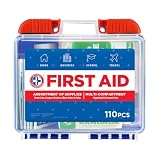
Be Smart Get Prepared 110 Pc First Aid Kit - Home, Car, Office, Travel, FSA | $8.49 | Buy on Amazon |
More casualties mean more people may need urgent assessment, surgery and follow-up at the same time as displacement can make it harder for patients to reach care. Pressure on referrals and ambulances matters because a hospital’s ability to treat emergencies depends not only on supplies inside the facility but also on getting patients there and onward to appropriate care.
Free tools Windows power users keep installed
One-click scans. No signup required.
Why the health system was vulnerable before the escalation
The crisis did not begin with the latest fighting. WHO describes a health system brought near collapse by long-running violence, economic crisis, food insecurity and recurring outbreaks. These pressures interact: facilities need funding, staff, electricity, medicines and equipment to provide care, while economic hardship and food insecurity increase needs among people who may already face barriers to getting help. WHO’s Yemen crisis overview
#1 Best Overall
- Manufactured by the #1 leading manufacturer of First Aid Kits in the USA. 100 pieces of comprehensive first aid treatment products.
- This Kit meets United States FDA Regulatory Standards as a Medical Device. Ideal for most businesses and perfect for family use at home or travel.
- Fully organized interior compartments provides quick access. The rugged, sturdy, high density plastic case is impact resistant
- Compact size case measures 7.5in x 2.5in x 6.8in, is portable and can easily fit anywhere.
- "Features Easy Slide Latches that securely locks into place."
UNICEF’s 2026 Humanitarian Action for Children appeal estimates that 40 percent of health facilities are partially functioning or out of service. UNICEF attributes the constraint to shortages of staff, funding, electricity, medicines and equipment, as well as problems with infrastructure integrity. This is an estimate in UNICEF’s 2026 appeal, not a count of facilities newly affected by the September escalation. UNICEF’s 2026 Yemen appeal
How immediate and chronic pressures compound one another
| Pressure | What it involves | Why it matters for care |
|---|---|---|
| Immediate escalation | Rising casualties, displacement and greater demand for trauma care, referrals and ambulance services. | Urgent cases compete for capacity in a system WHO describes as already overstretched. |
| Chronic system constraints | Facilities with limited functionality; shortages of staff, funding, power, medicines and equipment; recurring disease outbreaks and unmet water, sanitation and hygiene needs. | These constraints weaken routine and emergency services alike, limiting the system’s ability to absorb a new surge in need. |
The distinction is about timing, not separate causes: renewed fighting adds an acute load to weaknesses that have accumulated over years, while economic and food insecurity, disease and gaps in basic services continue alongside the conflict.
Outbreaks and WASH needs add another layer
The UN Yemen Country Results Report 2025 identifies measles and cholera outbreaks as additional strains on the health system. Outbreak response therefore has to proceed alongside trauma care, rather than after the emergency demand has passed. UN Yemen Country Results Report 2025
The Tool Desk
Outbyte Driver Updater FREEScan for outdated or missing drivers - takes under a minuteDriver Scan →Outbyte PC Repair FREERepair Windows errors before they cause bigger problemsFix Now →Water, sanitation and hygiene (WASH) are also part of the health emergency: unsafe or inadequate basic services make prevention and outbreak control harder. OCHA’s Yemen Humanitarian Needs and Response Plan 2026, issued in March 2026, projects that 14.4 million people will need WASH assistance in 2026. That is a planning estimate for WASH needs, not a count of people injured or displaced by the latest fighting. OCHA’s 2026 plan
Independent reader supportYour contribution helps us test, update, and keep practical guides available for everyone.What humanitarian health response needs to cover
WHO’s stated priorities show why the response must address both the new surge and the underlying gaps. Trauma and surgical supplies, medicines, referrals and ambulances support emergency treatment; surveillance and outbreak response help detect and contain disease. WHO’s broader 2026 health appeal also frames the challenge in terms of essential health services amid humanitarian need. WHO Yemen Health Emergency Appeal 2026
At a UN Geneva briefing on 29 September 2026, WHO Regional Emergency Director for the Eastern Mediterranean Annette Heinzelmann said: “Yemen’s health system had suffered from more than a decade of conflict, with the latest escalation pushing it towards breaking point.” UN Geneva briefing, 29 September 2026
Why published estimates of humanitarian need differ
Published planning figures should be read in the context of their own documents rather than combined into a single total. The UN Yemen Country Results Report 2025 projects that more than 21 million people will require assistance in 2026. WHO’s Yemen Health Emergency Appeal 2026 estimates 23.1 million people will need humanitarian assistance that year and says 10.5 million are targeted. The documents do not establish a common denominator or methodology for these figures, so they are not interchangeable counts. UN Yemen Country Results Report 2025; WHO Yemen Health Emergency Appeal 2026
Do these 3 things before closing this tab:
1Scan for outdated or missing drivers - takes under a minute2Clear out junk files and repair common Windows errors3Fix the driver behind crashes, sound loss and screen glitchesQuick Recap
Product prices and availability are accurate as of the date/time indicated and are subject to change. Any price and availability information displayed on Amazon at the time of purchase will apply.

