
iTechGuides is reader-supported. When you buy through links on our site, we may earn an affiliate commission. As an Amazon Associate I earn from qualifying purchases. Learn more
A laboratory electrochemical method has removed much of the carbon from molten iron, pointing to a possible way to upgrade recycled metal for low-carbon steel and alloys. The demonstration is not commercial production: researchers tested it at high temperature, and the cited sources do not establish that steel mills use it today.
How does the process remove carbon from molten iron?
The method, called electrorefining for direct decarburization, uses an electrical potential across a slag electrolyte separating molten iron from another electrode. In the proposed interfacial reaction, oxide anions from the slag react with carbon dissolved in the iron, producing carbon monoxide gas. Silicon ions are reduced at the cathode; the researchers also demonstrated silicon recovery as a by-product.
This differs from the oxygen-blowing route described in the study’s coverage. Conventional decarburization uses oxygen and can require multiple refining stages and reagents. The new method instead relies on an electrochemical reaction at the molten iron–slag interface. University of Toronto chemical engineer Gisele Azimi described the setup to Chemistry World: “We had to apply an electrochemical potential across the ceramic electrolyte between the molten iron and another electrode.”
Quick wins for a faster PC:
Repair Windows errors before they cause bigger problemsFix Now →Fix the driver behind crashes, sound loss and screen glitchesFind Drivers →What carbon reductions did the researchers demonstrate?
The primary paper reports laboratory trials at 1,600 °C, starting with molten iron containing 3.78 wt% carbon. The researchers reduced that concentration to 0.84 wt%. Chemistry World also reported a separate refining result in which carbon fell from 0.005% to 0.001%. These are experimental outcomes, not production specifications or evidence of performance in a steel mill.
#1 Best Overall
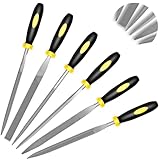
- 6PCS Small File Set: Third generation hardened alloy strength steel set, including flat file, round file, flat file, triangle file, square file and half round file. Six different designs of hand - made metal files increase the range of applications
- Quality Material: The needle file kit is made of high carbon steel with a fine grain pattern, a metal file that is deeply quenched at high temperatures to increase hardness and durability
- Ergonomic Design: The IEGREMAR Jewelry needle file set features an ergonomic design with a non - slip rubber handle to provide comfort during use. Even in slippery conditions, this small hand files ensures a comfortable grip for long periods of use
- Durable Gear Pattern: This precision metal file has a clear surface texture, fine cutting edge to improve cutting efficiency and quickly grind away undesirable position
- Extensive Use: All of these Mini file sets are widely used in wood, metal, jewelry, DIY, tiles, ceramics, leather and plastic removal, refining, reshaping and scraping projects that require detailed precision work on small surfaces and narrow areas
The paper describes the process as having low energy input and requiring no reagents in the demonstrated method. The cited sources do not provide a verified commercial-scale assessment of energy use, cost, throughput, emissions, or finished-steel quality, so they do not establish an overall cost or environmental advantage over conventional refining.
Why could carbon control matter when recycling steel?
Steel made from scrap can contain carbon and other elements that affect the material’s composition. To make recycled feedstock suitable for particular low-carbon steels or alloys, a refining process must control the elements that remain in the metal. This study addresses carbon directly: its authors frame electrorefining as a possible way to decarburize molten iron and recover silicon that could be useful in alloying.
Rank #2
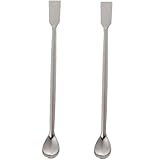
- High-Quality Gold Silver Melting Tools: Our 2 Pcs Gold Silver Melting Long Handle Stainless Steel Spoon Stirring Rod Set is designed to meet the highest standards for melting, casting, and refining gold and silver
- Versatile Stirring Rod Spoon: The long handle stirring rod spoon in this set is perfect for stirring molten metals during the melting and refining process. Its sturdy design ensures that it can handle high temperatures without bending or breaking
- Gold Silver Tool for Multiple Uses: Beyond its use in metalworking, this set also doubles as a set of multifunctional coffee stirrers. The sleek, silver stainless steel design adds a touch of elegance to any beverage
- Practical Coffee Stirrers and Stir Sticks: The stirring rods in this set are also ideal for use as coffee stirrers or stir sticks. These stylish stir sticks will enhance your drinking experience and make stirring a breeze
- Elegant Swizzle Sticks for Beverages: With their sleek silver finish and sturdy construction, these stirring rods can also be used as swizzle sticks for mixed drinks
That makes the method relevant to the idea of upgrading scrap-derived metal into higher-value steel, including material intended for demanding applications. But the experiment does not establish that scrap can already be converted this way at industrial scale, or that the resulting metal meets specifications for automotive steel or any particular alloy.
Do these 3 things before closing this tab:
1Clear out junk files and repair common Windows errors2Fix the driver behind crashes, sound loss and screen glitches3Repair Windows errors before they cause bigger problemsWhat remains unproven about mill-scale use?
The paper says the process is expected to be scalable and integrable with secondary steel mills. In October 2021, Chemistry World reported that the researchers were working on scale-up and investigating removal of other impurities. Those statements describe a prospective development path, not an operating commercial process. The cited sources do not establish current deployment in mills.
Rank #3
- Knurled handles provide excellent grip, even with wet hands
- Easy to clean, can last a lifetime
- Perfect and safe for everyone
Nor do they show that the method removes copper, tin, or phosphorus, contaminants that can matter in secondary steel. MIT materials scientist Katrin Daehn told Chemistry World she saw removal of those elements as a potential future research opportunity. That is a research direction, not a demonstrated capability of this process.
Independent reader supportYour contribution helps us test, update, and keep practical guides available for everyone.What the study establishes—and what it does not
- Demonstrated: electrochemical carbon removal from molten iron in laboratory experiments, including trials at 1,600 °C.
- Also demonstrated: silicon recovery as a cathodic by-product.
- Proposed: future integration with secondary steel mills and use in upgrading recycled iron or steel.
- Not established by the cited sources: commercial operation, mill-scale performance, quantified cost or environmental benefits, or removal of copper, tin, or phosphorus.
The primary paper, by William D. Judge, Jaesuk Paeng, and Gisele Azimi, was published online on 27 September 2021 and appeared in the October 2022 issue of Nature Materials, volume 21, pages 1130–1136. Read the paper via its DOI. The contemporaneous account of the results and scale-up work appeared in Chemistry World on 8 October 2021.
Quick Recap
Best Value

- Leather-hard Clay Refining Tool: designed for the leather-hard stage of pottery making, this clay trimming tool helps remove excess clay, refine edges and shape ceramic forms with controlled hand pressure
- Curved Steel Scraper for Clay Removal: the multi-row steel scraping surface smoothly contacts clay to trim unwanted material, adjust contours and create clean transitions on pottery and ceramic projects
- Precise Contour Shaping Control: the curved handle provides a comfortable grip for detailed clay work, helping artists refine curves, smooth uneven areas and achieve balanced ceramic shapes during hand building or wheel work
- Built for Pottery Studio Projects: ideal for pottery trimming, ceramic sculpting, clay modeling and handmade creations, this clay shaping tool supports artists, beginners and studio makers during detailed finishing work
- Complete Your Ceramic Tool Collection: a practical addition to pottery tools and clay sculpting supplies, suitable for refining bowls, cups, sculptures and other ceramic pieces that require controlled surface finishing
Rank #4

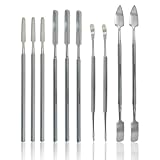
- Compact Double Ended Wax Carving Kit - Presenting our 12 piece wax carver tool set for dental, jewelry, clay and craft with multiple tip styles for a detailed bench work. Each stainless steel tool has 2 working ends, creating a practical range for carving, scraping, cutting, shaping, smoothing and modeling across dental wax, stone setting prep, ring making, pottery trimming and fine DIY projects with controlled hand movement.
- Stainless Steel Build for Strength and Smooth Work - Strong stainless steel tools are made for repeated carving, shaping and detailing while staying easy to clean after wax, clay or craft use. The slim metal construction gives each tool a steady working feel, helping artists, technicians and hobby users move between small lines, edges, curves and surfaces without relying on bulky hand tools or single-use picks during long sessions.
- Textured Grip Control for Precision - Textured handles help reduce slipping so each small movement feels steadier with the right pressure application. This helps especially when defining wax patterns, trimming clay, shaping pottery, cleaning edges, adjusting jewelry details or smoothing model surfaces, giving better hand control for tasks where accuracy, comfort and repeatable movement matter more than speed.
- Multiple Tips for Fine Detailing - Flat tips, pointed ends, hooks and spatula shapes help users handle different stages of shaping, lifting, pressing, scraping and finishing. This range makes the set useful for dental wax carving, clay modeling, sculpting, jewelry design, stone setting, small repairs, lab work and craft projects that need clean tool access in tight areas and on small surfaces during close work.
- Versatile Bench Tool Set for Detailed Carving - Made for professionals, students and DIY users, this carving kit fits neatly into jewelry benches, dental labs, clay stations and hobby workspaces. Use it for wax molds, ring work, pottery surfaces, model making, electronics repair, restoration tasks and general craft detailing when compact stainless steel tools are easier to control than oversized hand tools on the bench.
Product prices and availability are accurate as of the date/time indicated and are subject to change. Any price and availability information displayed on Amazon at the time of purchase will apply.

