
Recommended Free Tools
iTechGuides is reader-supported. When you buy through links on our site, we may earn an affiliate commission. As an Amazon Associate I earn from qualifying purchases. Learn more
Casinos may track guests through several separate systems: cameras and other monitoring equipment, facial-recognition or identity checks, player-account and transaction records, and human or automated risk screening. What is collected, why it is used, how long it is kept, and who may receive it depends on the property and the jurisdiction. These examples show specific rules and operator disclosures—not a universal casino system.
What casino surveillance can include
“Surveillance” does not necessarily mean one system that follows every guest or creates a single profile shared across the industry. A casino may use different tools for physical security, regulatory compliance, excluded-person screening, responsible-gambling measures, and financial-crime controls. Those tools can concern the same visit, but their records and purposes are distinct.
In Singapore, the Casino Control (Surveillance) Regulations 2009 define surveillance equipment broadly: it includes equipment capable of observing, monitoring, and recording activity within and immediately around casino premises. The regulations cover video cameras, audio sensors, monitors, recorders, and related equipment, and provide for approved surveillance plans and regulatory oversight. That is Singapore’s legal framework, not a checklist that applies everywhere.
Operators also describe monitoring at particular properties. Crown says movements within and around its venues may be subject to video and audio monitoring and recording, including CCTV, facial recognition, audio recordings, and body-worn video. Caesars says certain properties may have video surveillance with facial-recognition capability; at some properties, uniformed hotel security staff wear body cameras that can record security-related events and guest interactions. Neither disclosure establishes the equipment used at every casino operated by those companies.
#1 Best Overall

- CLEAN ANY CAMERA IN SECONDS...SAFELY FROM THE GROUND - Your cameras get dirty; spider webs, pollen, bird droppings, dust, and other debris can blur the critical video you need. CameraWand removes years of this grime in just a few seconds. A quick wipe, and they're back to like new!
- NEVER CLIMB A LADDER AGAIN! - The CameraShine tools attach to any threaded extension pole, such as a painter’s pole or even a broom handle. Stay off the ladder and save thousands by avoiding the need to rent a lift. Clean cameras the smart way today. *Pole NOTinclude
- TRUSTED BY SECURITY PROFESSIONALS AROUND THE WORLD - CameraShine is used in thousands of homes and businesses, including some of the world's most secure facilities. Become a camera cleaning PRO and add CameraShine to your maintenance plans today.
- SAVE MONEY, TIME, AND HEADACHES - Customers tell us that CameraShine PRO pays for itself the first time they use it. With no ladders, no lifts, no falls, and no third-party bills, businesses see it as a no-brainer.
- CLEAN UP TO 75 CAMERAS - With ten of our reversible, reusable, and washable bonnets and 8 ounces of our CameraShine cleaning solution, you'll clean years of grime. Safe on optical plastics, CameraShine will not scratch, dull, or streak your cameras. Our solution is alcohol-free, ammonia-free, anti-static, and non-toxic.
How facial recognition and identity screening are used
Facial recognition can be used to compare an image with information held by a system, but its presence and permitted purpose vary. Crown says it uses facial-recognition cameras throughout its premises and adjacent areas for safety and security, responsible gaming, preventing excluded persons from entering, and legal or regulatory compliance. That is Crown’s stated practice, not proof that all casinos use the technology.
Queensland’s rule illustrates a narrower, legally specified use. Section 28A of the relevant regulation addresses a licensee’s facial-recognition system used to identify excluded persons and prevent entry or presence contrary to a self-exclusion order or exclusion direction. It requires signs at relevant entrances, requires compliance with the Australian Privacy Act for information held in the system, and requires deletion of biometric information that does not identify an excluded person. For the system covered by that provision, the information also cannot be used to encourage or incentivize gambling or in connection with a customer loyalty or reward program. These are Queensland requirements, not a general rule for casinos elsewhere.
Rank #2

- Features: The inexpensive solution for security theft problems with high resemblance to real cameras and activation light. No motorized pan movement
- Design: Made of high quality and durable material. Compact design and easy to install. Appear to work as an actual security camera
- Installation: Cheap and effective way to deter criminals. Installs easily to the ceiling or wall using the included screws. No wiring is required. 2 pcs AA batteries operated (NOT included)
- Environment: Protect your homes, shops and business. Suitable for both indoor and outdoor usage. Mix dummy and real cameras to increase your security at a fraction of the cost of real cameras
- Package Includes:2 x WALI Bullet Simulation Camera (White), 6 x Screws, 2 x Warning Security Alert Sticker Decal, 2 pcs AA batteries operated (NOT included)
Identity screening can also involve checks beyond a camera match. The NSW Independent Casino Commission describes casino “know your customer” programs as layered screening that may include identification and background checks, facial recognition, patron risk ratings, and other security protocols. The Commission says these programs are used to confirm identity and gain visibility into patron behaviour on casino premises; its description does not mean every casino uses every listed method.
What records may be connected to a guest
Records can come from several operational contexts. A face image or biometric information is not the same thing as a loyalty account, a transaction record, or an identity document. Some information may be used in screening or security processes; other records support account administration, financial controls, or regulatory duties.
Rank #3

- 【6 Modes All-In-One Artificial Intelligence Anti-Spy Detector】Protect your privacy instantly. 1. Pinhole camera identification through infrared scanning, 2. Can detect various types of wireless signals, 3. Infrared light detection, 4. Positioning magnetism, 5. Built-in flashlight, 6. Vibration sound and light alarm, etc. The ultimate safety tool for hotels, bathrooms, roads or offices.
- 【5 Adjustable Sensitivity Levels & Dual Alert Modes】 Customize the detection range with 5 sensitivity settings to match your environment. Choose between a beep alert or a discreet silent vibration mode for confidential checks, perfect for business, travel and everyday use.
- 【High Definition LCD Display】 This detector uses advanced sensitive chips, and the LCD display can be used for easier and faster operation. The 8-level picture adjustment ensures fast and safe use.
- 【Compact & User-Friendly】Weighing only 23 grams and measuring 4.2" x 1.06" x 0.39", this hidden camera detector is highly portable and discreet. Its simple one-click operation provides professional-grade privacy protection for everyone, perfect for traveling and keeping your family safe anywhere.
- 【Long-lasting Battery for Non-stop Protection】This spy camera detector has a built-in lithium battery that can be used continuously for up to 25 hours. With a 30-day standby time, it can be taken with you wherever you travel or in your daily life.
- Images and biometric information: CCTV, facial-recognition systems, and, at some properties, body-worn cameras can capture images or recordings. Whether a system creates or retains biometric information depends on its design and applicable rules.
- Identity and screening information: Identification and background checks, exclusion status, or a risk rating may be part of a casino’s screening processes, as described by the NSW Independent Casino Commission.
- Player and account activity: In the United States, FinCEN explains that casino management software may identify and aggregate records associated with casino accounts, such as deposits, credit, check cashing, player rating, or slot-club activity. These records are relevant to U.S. financial-crime controls; that description does not establish a shared database across casinos.
- Gaming and financial information: The French data-protection authority CNIL’s 2026 page on gambling-sector guidance identifies player identity and contact details, bank details, and gaming activity among data processed in the sector. Its guidance discusses account management, marketing, prevention of excessive gambling, and anti-money-laundering controls for activities within the French National Gaming Authority’s remit. It does not describe every hotel, retail, or corporate process at a casino resort.
- Observations relevant to risk or compliance: Staff observations and automated alerts may contribute to screening or decisions about whether conduct or transactions need further review. The relevant systems and thresholds are not established as uniform across properties.
FinCEN says U.S. casino internal controls should use available information—including automated systems, surveillance systems, and logs—to determine whether transactions or transaction patterns should be reported as suspicious. This describes a compliance process, not a claim that every record is routinely shared or that an alert proves wrongdoing.
Who may receive information
Disclosure depends on the purpose, operator policy, and local law. A casino’s ability to use information internally does not by itself show that it shares the same information with other casinos or outside organizations.
Rank #4

- Features: The inexpensive solution for security theft problems with high resemblance to real cameras and activation light. No motorized pan movement. With elegant and contemporary design, this camera is very popular.
- Design: Made of high quality and durable material. Compact design and easy to install. Appear to work as an actual security camera.
- Installation: Cheap and effective way to deter criminals. Installs quickly and easily to the ceiling or wall using the included screws. No wiring is required. 2 pcs AA batteries operated (NOT included).
- Environment: Protect your homes, shops and business. Suitable for both indoor and outdoor usage. Mix dummy and real cameras to increase your security at a fraction of the cost of real cameras.
- Package Includes: 2 x Wali Dome Simulation Camera (Black), 4 x Screw, 2 X Warning Security Alert Sticker Decal, 2 pcs AA batteries operated (NOT included).
- Regulators and law enforcement: Crown says details about suspected or actual illegal or improper conduct may be shared with regulators and law-enforcement bodies. Singapore’s regulations also provide for an inspector to request surveillance recordings as part of regulatory oversight.
- Other casinos: Crown names other casinos as potential recipients of details about suspected or actual illegal or improper conduct. This policy example does not establish unrestricted sharing of every guest record, or a universal cross-casino guest profile.
- Service providers: PENN says biometric information may be shared with its service providers when necessary and proportionate to its legitimate business purpose, or where required by law. This is PENN’s stated policy, not a general industry rule.
- Overseas recipients in a specific context: Crown says personal information about international gaming patrons may be shared overseas in connection with assessing creditworthiness where applicable. That is a specific operator-policy disclosure, not a general description of international data transfers by casinos.
How retention, notice, and purpose limits differ
There is no single retention period established for all casino surveillance or guest data. Crown says most biometric information captured by its facial-recognition cameras is deleted within a few seconds; information it retains is stored on Crown premises under security controls. Queensland requires deletion of biometric information that does not identify an excluded person for the system covered by section 28A. Neither statement establishes how long all video footage, account data, or regulatory records are kept.
Free tools Windows power users keep installed
One-click scans. No signup required.
Singapore’s regulations address surveillance recording and regulatory access, but the cited provisions do not establish one universal retention period. Video recordings, biometric information, player-account records, and records kept for regulatory purposes may therefore have different deletion rules, access controls, and legal bases.
Best Value
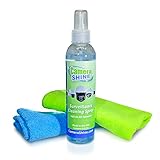
- COMPLETE STREAK-FREE PACKAGE | The CameraShine security camera cleaning kit includes carefully selected materials that allow you to clean the dust, grime, smudges, and fingerprints on the camera lens or dome without damaging them.
- TWO PLUSH MICROFIBER CLOTHS | Our optical quality, professional-grade microfiber towel is made of a super soft material, allowing you to get rid of dust and particles lodged on the sensor’s surface and other hard to reach areas without scratching them.
- MULTIPURPOSE | The CameraShine lens cleaning kit is safe and effective on all types of security camera models and designs. Ideal for indoor/outdoor dome cameras, PTZs, thermal, megapixel, panoramic, IP, analog, bullets, and more.
- 100% SAFE | For your safety, our product is formulated using a non-toxic, ammonia-free formula, and its powerful cleaning abilities won’t harm any of your optical quality coated lenses and domes.
- EASY TO USE | Spray a few sprays of our cleaning solution on to the microfiber towel and gently wipe away the dirt and grime from your cameras.
| Example | What the source establishes | Important limit |
|---|---|---|
| Singapore surveillance regulations | The 2009 regulations define covered surveillance equipment and provide for surveillance plans and regulatory access to recordings. | They do not establish a single retention period for every casino or data type. |
| Queensland, section 28A | A specified facial-recognition system is for identifying excluded persons; the provision includes signs, privacy-law compliance, deletion of non-matching biometric information, and limits on use. | This rule concerns the system addressed by the Queensland provision, not all facial recognition in all jurisdictions. |
| Crown policy | Crown describes video and audio monitoring and facial recognition, and says most captured biometric information is deleted within a few seconds. | The deletion statement concerns most biometric information from its facial-recognition cameras, not all footage or guest records. |
| U.S. casino financial-crime controls | FinCEN describes using available casino information and software to identify and aggregate account-related records for transaction review. | This is a U.S. compliance example, not evidence of an industry-wide shared guest database. |
| France gambling-sector guidance | CNIL’s 2026 guidance identifies identity, contact, bank, and gaming data and discusses purposes including account management and anti-money-laundering controls. | Its scope is gambling activities within the French regulator’s remit, not all resort operations. |
How to assess a particular casino’s practices
For a specific property, look for its privacy notice and any local regulator information rather than assuming that an example from another operator applies. Compare the disclosed practices across these points:
- Technology: Is the property describing CCTV, audio monitoring, facial recognition, body-worn cameras, or some combination?
- Purpose: Does it identify security, excluded-person screening, responsible gambling, identity checks, or regulatory compliance as the reason for collection?
- Data: Does the notice distinguish images and biometrics from identity documents, gaming activity, loyalty records, and transactions?
- Recipients: Does it name regulators, law enforcement, service providers, other casinos, or overseas recipients, and for what circumstances?
- Controls: Does it explain notice, access safeguards, purpose restrictions, or deletion—and which specific data those controls cover?
Do not assume that a guest can opt out of surveillance that is required or permitted under local rules. If a practice matters to you, check the applicable property notice and jurisdiction-specific law; policies and requirements can change.
Quick Recap
Product prices and availability are accurate as of the date/time indicated and are subject to change. Any price and availability information displayed on Amazon at the time of purchase will apply.

