
iTechGuides is reader-supported. When you buy through links on our site, we may earn an affiliate commission. As an Amazon Associate I earn from qualifying purchases. Learn more
If reg load HKLMDRIVERS c:windowssystem32configdrivers returns “ERROR: The configuration registry database is corrupt.”, Windows is saying the file it tried to open is not a readable registry hive. The error alone does not tell you why the file failed, and it does not tell you which copy to use.
A Microsoft Q&A thread from December 17, 2024, describes this exact error on Windows Server 2019. The poster was asked to repair the DRIVERS hive, and a reply pointed to a procedure on the Sysnative forum. The poster later said it solved the problem. Microsoft’s page does not reproduce that procedure, so this article does not present any command sequence from it as a verified fix. What follows is the order in which to act: confirm what you have, protect it, then recover from a known-good state.
What the thread does and does not establish
- The reported error is the one quoted above, on Windows Server 2019, from a
reg loadattempt against the DRIVERS hive inc:windowssystem32config. - The original poster asked for help repairing the hive and later reported that the linked procedure worked.
- That success report is one user’s account. It is not independent confirmation that the procedure is safe or suitable for another machine, and the hive’s underlying cause was not diagnosed in the thread.
Why a registry hive becomes corrupt
Microsoft’s general registry troubleshooting guidance says a corrupt hive can stop Windows from restarting. It names an unexpected shutdown as one possible source of inconsistency. It also says that other file corruption can point to hardware involved in disk writes. The recommended checks are the disk and storage hardware, the firmware and drivers involved in disk access, and the BIOS or UEFI firmware.
Free tools Windows power users keep installed
One-click scans. No signup required.
Those are the likely places to look, but they are not a diagnosis of this machine. Treat them as a checklist to rule out after the hive is recovered, so the same failure does not return from the same cause.
#1 Best Overall

- [MISSING OR FORGOTTEN PASSWORD?] Are you locked out of your computer because of a lost or forgotten password or pin? Don’t’ worry, PassReset USB will reset any Windows User Password or PIN instantly, including Administrator. 100% Success Rate!
- [EASY TO USE] 1: Boot PC from the PassReset USB drive. 2: Select the User account to reset password. 3: Click “Remove Password”. That’s it! Your computer is unlocked.
- [COMPATIBILITY] This USB will reset any user passwords including administrator on all versions of Windows including 11, 10, 8, 7, Vista, Server. Also works on all PC Brands that have Windows as an operating system.
- [SAFE] This USB will reset any Windows User password instantly without having to reinstall your operating system or lose any data. Other Passwords such as Wi-Fi, Email Account, BIOS, Bitlocker, etc are not supported.
Check RegBack before you rely on it
Many older guides tell readers to copy files from WindowsSystem32configRegBack. That advice does not hold for current Windows. Microsoft’s Learn article “The system registry is no longer backed up to the RegBack folder starting in Windows 10 version 1803,” published January 15, 2025, states that automatic registry backups to RegBack stopped by design beginning with Windows 10 version 1803. The files may still appear, but they can be zero bytes.
To check, open Command Prompt and run:
dir C:WindowsSystem32configRegBack
| What you see | What it means | What to do |
|---|---|---|
| Files show 0 bytes | No usable copy exists in RegBack. | Do not restore from it. Use a restore point, a backup, or a reinstall. |
| Files have non-zero sizes | A copy exists, but Microsoft’s statement does not say how old it is or whether it matches the current system. | Keep it as a copy. Do not overwrite the live hive with it without confirming its date and content against your backup records. |
| The folder is missing | Nothing is available there. | Move to the recovery options below. |
Compare the recovery paths
Microsoft’s stated recommendation for recovering a system with a corrupt registry hive is to use a system restore point. Other options depend on what was backed up earlier.
Rank #2

- Native Windows Server IoT 2025 for Storage Workgroup edition.
- Pre-tested NAS-grade hard drives included with RAID pre-configured.
- No CAL (Client-Access Licenses) required.
- Cost-effective small business NAS with Windows Server enhanced data management and security features.
- Cloud service integration with Azure, OneDrive, and other Microsoft-compatible services enables to create a hybrid cloud for additional security and flexibility.
| Path | Works when | Limits |
|---|---|---|
| System restore point | A restore point was created before the corruption and Windows can be started or reached through the Windows Recovery Environment (WinRE). | On Windows Server, System Protection is typically not enabled by default, so a restore point may not exist. Restoring also reverts system changes made after that point. |
| Full system-state or disk image backup | A backup was taken while the registry was healthy. | Everything on the system returns to the backup date, so you may lose later data and changes. |
| Restoring keys from an export | You exported the relevant keys earlier with reg export. |
Microsoft documents reg restore for restoring saved keys and advises saving the parent key before editing. It does not cover recovering an offline system hive. |
| Repair or reinstall | There is no restore point or backup, or recovery has failed. | Installed applications and settings may need to be rebuilt. |
Before you change anything
- Record the exact error text, the Windows Server build, and the time the problem started.
- Make a full backup or disk image of the system drive to a separate drive or network location. A single hive file is not enough protection.
- Copy the existing files in
C:WindowsSystem32configto external media. Do this before any repair attempt, even if they appear damaged. - Do not delete, rename, or overwrite hive files on a running system.
Recovery steps from the Windows Recovery Environment
Use these steps when Windows will not start normally. Menu labels can vary slightly by Windows Server build.
Quick Recap
Rank #3
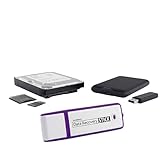
- The Data Recovery Stick requires no technical skills — simply plug it into your Windows computer, click Start, and the software automatically begins scanning and recovering lost files within minutes. Compatible with Windows Vista, 7, 8, 10, & 11, it's designed to be a reliable first step when accidental deletion occurs.
- Recover photos (JPG, BMP, PNG, TIFF), Microsoft Office documents (Word, Excel, PowerPoint, Publisher, Access), Open Office files, MP3 music files, PDFs, RTF documents, AutoCAD files, and HTML web pages. Whether it's personal memories or critical business files, the Data Recovery Stick covers the file types that matter most.
- Works with hard drives, USB drives, SD cards, memory sticks, and other common storage formats that use FAT or NTFS file systems — making it a single solution for hard drive recovery, USB drive recovery, SD card recovery, and more. Note: a media reader is required for micro SD cards and some mass storage devices.
- No Installation Required - The Data Recovery Stick runs entirely from the USB drive with no software installation on your computer — helping prevent new data from overwriting the files you're trying to recover. This also makes it ideal for use across multiple computers or in emergency situations where installation isn't practical.
- Use the Data Recovery Stick on as many computers as often as needed — simply clear the recovered data between uses to free up storage space. Software updates keep the tool compatible with newer systems and devices, backed by 25+ years of data software expertise from Paraben Consumer Software.
- Open WinRE. If Windows starts, go to Settings > System > Recovery > Advanced startup and select Restart now. If Windows does not start, power the machine off during startup until Automatic Repair appears, then continue to the next step.
- Select Troubleshoot > Advanced options.
- Select System Restore and choose a restore point created before the first failure. If no restore point is listed, skip to the Command Prompt step below.
- If you need Command Prompt, select Command Prompt from Advanced options. WinRE often assigns different drive letters than normal Windows. Run
diskpart, thenlist volume, thenexit, and identify the volume that contains the Windows folder. - Check the hive file sizes in that volume’s
WindowsSystem32configfolder, and the RegBack folder, usingdir. Compare the sizes and timestamps with your backup records. - If no restore point is available and no usable copy exists, use your full backup or a repair reinstall. Editing offline hive files is not covered here. Any procedure you find for this should be tested first on a copy, not on the only working system.
If the error continues after recovery
- Run the vendor’s diagnostics for the disk and storage controller, and check the SMART or health status the vendor provides.
- Update storage controller and disk firmware, plus the BIOS or UEFI firmware, from the hardware vendor. Do not use a generic driver updater for this, because the fault is in the registry hive rather than in a driver package.
- If the hive corrupts again after a clean restore, suspect the disk, the controller, or power loss during writes before suspecting the registry itself.
Product prices and availability are accurate as of the date/time indicated and are subject to change. Any price and availability information displayed on Amazon at the time of purchase will apply.

