
iTechGuides is reader-supported. When you buy through links on our site, we may earn an affiliate commission. As an Amazon Associate I earn from qualifying purchases. Learn more
DNA-based coatings are an experimental approach to improving how some materials behave when exposed to fire—not a proven way to make objects universally fireproof. In selected laboratory tests, DNA-containing layers have helped form insulating char and reduced heat release, but results depend on the coating recipe, the surface, and the test. The published findings do not establish a consumer product, lasting protection, or approval for a regulated use.
How DNA can help a coating resist heat and flame
DNA contains phosphate groups, sugars, and nitrogen-containing bases. In a coating system, these components can help promote a carbon-rich char when heated. The residue may expand into a foamed, insulating layer that slows the transfer of heat and oxygen to the material beneath it.
DNA has been applied through impregnation or layer-by-layer assembly, sometimes combined with materials such as chitosan, clay, or nanoparticles. A surface treatment can concentrate flame-retardant ingredients where combustion begins. That mechanism is a research-supported explanation for measured effects, not a guarantee that a treated item will resist every fire. The outcome depends on the substrate, formulation, and application process. A 2021 review of DNA-based flame-retardant treatments discusses experimental work on textiles and polymers.
Recommended Free Tools
What a polyurethane-foam study measured
A 2014 study listed by the National Institute of Standards and Technology (NIST) tested layer-by-layer coatings on flexible polyurethane foam. Its selected formulation combined chitosan (CHI), DNA, and montmorillonite (MMT) in a CHI/DNA+MMT mix bilayer. In that study’s test context, this formulation reduced peak heat-release rate by 51% and average heat-release rate by 81% relative to the study’s comparison condition. NIST’s publication record describes the study and its results.
#1 Best Overall

- Certified Class A fire retardant spray creates clear, dry, fire-resistant barrier that prevents the spread of flames
- Verified Class A performance: SGS ASTM E84 testing of treated wood produced a Flame Spread Index of 15 and Smoke Developed value of 55, earning a Class I/A rating.
- For absorbent materials: Treats unfinished wood, paper, cotton, fabric furnishings and other porous surfaces; not for painted, sealed, waterproof, polymer, nylon, silk or other nonabsorbent materials.
- Clear, water-based formula: Non-toxic and not classified as hazardous under OSHA HazCom 2012; dries clear and leaves little to no residue when properly applied.
- Straightforward application: Spray evenly on all sides or soak smaller items, allow 24 hours to dry and repeat as needed; one gallon covers up to 200 square feet, depending on absorption.
These percentages describe heat-release measurements for that particular formulation on flexible foam. They are not a rating for DNA coatings generally, and they do not mean the foam could not ignite or that it would protect a person or building in a fire.
Where DNA-containing treatments have been studied
Experimental DNA-based flame-retardant treatments have been studied on textiles such as cotton, polymer surfaces, and flexible polyurethane foam. The coating designs and measured outcomes vary, so results from one material or test cannot be assumed for another.
Rank #2

- FLAME RETARDANT -- Prevents flames from burning drapes, clothing, furniture, and fabrics.
- RESISTANT TO SPREAD -- Helps prevent the spread of fire and minimizes smoke development.
- STAIN PROTECTION -- Designed for water-safe fabrics that have not been treated with waterproofing.
- MEETS NATIONAL STANDARDS -- Tested in accordance with NFPA standards.
- SAFE & EASY TO USE -- Non-hazardous, environmentally friendly formula that is easy to apply and clean up.
- Textiles: Studies have explored treatments on cotton and other fabrics, including DNA combined with other coating materials.
- Polymers: DNA-containing layers have been investigated on polymer surfaces; performance depends on the polymer and coating design.
- Flexible polyurethane foam: The NIST-listed study tested chitosan/DNA/montmorillonite layer-by-layer assemblies and reported heat-release reductions for a selected formulation.
Reported outcomes can include heat-release rate, flame spread, self-extinction, char formation, or heat shielding. These measures come from different test methods and are not interchangeable. The literature does not provide a standardized head-to-head comparison across all substrates and coating approaches. A 2025 review of coatings discusses current research and scale-up challenges; a 2020 Nature Reviews Materials paper places surface treatments in the broader context of flame-retardant materials.
Why the findings do not mean “fireproof”
“Fireproof” suggests protection that is absolute, durable, and reliable across conditions. The available studies instead report specific effects under particular laboratory conditions. They do not show that a DNA coating prevents ignition in every fire, remains effective indefinitely, or complies with requirements for a building, furnishing, garment, or transport application.
Rank #3

- Master Flame fire retardant spray has been tested in accordance with NFPA 701, ASTM E84, and California Title 19 standards. Creates fire resistant barrier that prevents the spread of flames.
- Master Flame's non-toxic formula is safe for homes, schools, and occupied spaces. Made with premium grade ingredients, the flame resistant spray dries clear with no odor or residue.
- Easy to apply. Simply spray on, roll on, or soak any absorbent material. No professional equipment needed. Dries clear in 24 hours. A water-based paint or stain can be applied on top.
- Use Master Flame on wood, fabric, cotton, burlap, thatch, hay, and other absorbent materials. Not compatible with waterproof, polymer, synthetic, nylon, or silk materials.
- Master Flame is non-toxic, eco-friendly, and free of PBDEs. No harsh chemicals, no harmful additives. A safer fire retardant for your family, your space, and the environment.
- Performance is application-specific: A result on flexible foam does not establish performance on a wall, sofa fabric, or plastic part.
- Durability remains a concern: A coating’s effectiveness after wear, washing, or aging needs to be established for its intended use.
- Production and processing are unresolved: Reviews identify extraction and purification cost, processing complexity, and scale-up as barriers.
- Environmental effects and standards matter: General reviews of bio-based fire-resistant coatings discuss environmental questions and the need to evaluate coatings against relevant standards; those general findings are not evidence of DNA-specific approval. A 2025 review of fire-resistant coatings addresses this broader context.
Is a DNA fireproof coating available to buy?
The cited sources describe experimental coating systems, not a named retail DNA coating with verified installation instructions or approval for consumer use. There is also no substantiated market-size figure for commercial DNA-based fireproof coatings in these sources. A generic fire-retardant spray, lab DNA reagent, or ordinary coating tool should not be treated as a substitute for the formulations described in the cited studies.
For a real fire-safety decision, use a product specified for the intended material and application, and check its documentation against the applicable local requirements. Do not infer that a product is suitable—or that a treated object is safe—from the words “DNA-based” or “bio-derived.”
Rank #4

- Master Flame fire retardant spray has been tested in accordance with NFPA 701, ASTM E84, and California Title 19 standards. Creates fire resistant barrier that prevents the spread of flames.
- Master Flame's non-toxic formula is safe for homes, schools, and occupied spaces. Made with premium grade ingredients, the flame resistant spray dries clear with no odor or residue.
- Easy to apply. Simply spray on, roll on, or soak any absorbent material. No professional equipment needed. Dries clear in 24 hours. A water-based paint or stain can be applied on top.
- Use Master Flame on wood, fabric, cotton, burlap, thatch, hay, and other absorbent materials. Not compatible with waterproof, polymer, synthetic, nylon, or silk materials.
- Master Flame is non-toxic, eco-friendly, and free of PBDEs. No harsh chemicals, no harmful additives. A safer fire retardant for your family, your space, and the environment.
What would need to be established before practical use
Moving from a promising laboratory treatment to a dependable product requires evidence beyond an initial fire test. Developers would need to show that a coating can be made and applied consistently, retains performance over its service life, and meets the requirements for the particular end use.
Do these 3 things before closing this tab:
1Repair Windows errors before they cause bigger problems2Scan for outdated or missing drivers - takes under a minute3Clear out junk files and repair common Windows errorsQuick Recap
Best Value
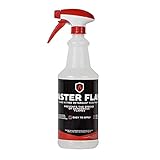
- Certified Class A fire retardant spray creates clear, dry, fire-resistant barrier that prevents the spread of flames.
- Verified Class A performance: SGS ASTM E84 testing of treated wood produced a Flame Spread Index of 15 and Smoke Developed value of 55, earning a Class A rating.
- NFPA 701 and California recognized: SGS testing of treated absorbent fabric passed NFPA 701-2019 Test Method 1; registered with the California State Fire Marshal under Title 19 for interior use.
- For absorbent materials: Treats unfinished wood, paper, cotton, fabric furnishings and other porous surfaces; not for painted, sealed, waterproof, polymer, nylon, silk or other nonabsorbent materials.
- Clear, water-based formula: Non-toxic and not classified as hazardous under OSHA HazCom 2012; dries clear and leaves little to no residue when properly applied.
- Repeatable flame and heat performance on the actual substrate and finished product.
- Durability under relevant wear, washing, aging, or environmental exposure.
- Manufacturing and application processes that can scale reliably, with costs and environmental effects assessed.
- Testing and documentation for the standards and regulations that apply to the intended use.
Product prices and availability are accurate as of the date/time indicated and are subject to change. Any price and availability information displayed on Amazon at the time of purchase will apply.

