
Recommended Free Tools
iTechGuides is reader-supported. When you buy through links on our site, we may earn an affiliate commission. As an Amazon Associate I earn from qualifying purchases. Learn more
Yes—tourists can reduce avoidable reef damage by keeping clear of coral, following guides’ instructions and choosing operators that actively manage guest behavior. But visitors cannot solve the bigger pressures on Bali’s reefs: the Bali Provincial Marine and Fisheries Service identifies destructive fishing and climate-related bleaching as principal causes, alongside poorly managed snorkeling and diving. Tourism can be part of conservation, not a substitute for climate action, fisheries management or long-term local stewardship.
Do tourists damage coral reefs in Bali?
They can. A fin, hand, knee or piece of equipment striking coral can cause damage, and repeated contact is a concern where snorkeling and diving are poorly managed. That does not mean tourism is the main cause of reef decline across Bali, or that every visitor causes harm.
In a September 2024 report, the Bali Provincial Marine and Fisheries Service said more than 50% of the island’s coastal coral reefs were damaged. The report names destructive fishing and climate-related bleaching as principal pressures and also identifies poorly managed snorkeling and diving as an additional challenge. It does not provide a tourism-specific share of the damage or detailed survey methods, so the figure should not be read as a measurement of damage caused by visitors.
Do these 3 things before closing this tab:
1Clear out junk files and repair common Windows errors2Scan for outdated or missing drivers - takes under a minute3Repair Windows errors before they cause bigger problems| Pressure | What the Bali report says |
|---|---|
| Destructive fishing | Identified as a principal cause of reef damage. |
| Climate-related bleaching | Identified as a principal cause; visitors cannot prevent it through individual snorkeling or diving choices. |
| Poorly managed marine tourism | Identified as an additional challenge, including snorkeling and diving. |
How can snorkeling and diving hurt coral?
Contact is not always deliberate. A 2026 study by Prabuning and colleagues, published in Conservation Letters, observed 732 divers across sites in Indonesia and the Philippines. It recorded an average of 0.26 ± 0.02 reef contacts per diver-minute; 81.9% of damaging contacts were classified as unintentional and/or unnoticed. These are multi-site results, not a Bali-only estimate.
#1 Best Overall
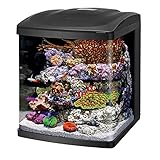
- EVERYTHING YOU NEED - Feature a compact and customizable filtration chamber that is already built-in to the back of the aquarium – easy to setup and maintain.
- GREAT FEATURES – Includes quiet submersible pump, dual intakes and adjustable return nozzle. Compatible with all existing BioCube accessories. Fish, corals, substrate and décor are sold separately.
- SLEEK and MODERN – Biocubes feature a rounded edge design and is the perfect innovative all-inclusive aquarium for all needs..
- VIBRANT LED LIGHTING - Low-profile hood contains vibrant LED lighting that is capable of sustaining and growing healthy, vibrant corals and live plants.
- MAXIMIZE BEAUTY - 24-hour timer which makes it easy to control the three independent light channels for maximum beauty: bright white, sparkling blue and color enhancing LEDs.
The study also found that context mattered: reef contacts more than doubled when other divers touched the reef. Wildlife sightings were associated with increases in intentional, unintentional and damaging contacts of 220%, 85% and 106%, respectively. Those effects, too, come from the study’s combined locations and should not be presented as Bali-specific measurements. They do show why a close animal encounter or a crowded group can make careful movement harder.
What can visitors do to protect Bali’s reefs?
- Keep your body and equipment off the reef. Avoid touching or standing on coral; keep fins, hands, knees, cameras and other gear clear.
- Control your position before approaching the reef. Maintain buoyancy and a safe distance rather than trying to steady yourself on coral.
- Follow the guide’s instructions. Listen to the briefing and stay with the group instead of moving closer to coral or wildlife for a better view.
- Give wildlife room. Do not crowd, chase or touch animals. If a sighting draws the group in, pause and keep your distance.
- Choose a well-managed trip. Look for a clear reef-contact briefing, manageable group size, active supervision and rules against touching or pursuing wildlife.
These steps reduce risks visitors can control; they do not reverse bleaching or address destructive fishing. The reviewed evidence also does not establish a sunscreen product as a guaranteed reef-protection solution.
Rank #2

- 🐠 EVERYTHING YOU NEED - Feature a compact and customizable filtration chamber that is already built-in to the back of the aquarium – easy to setup and maintain
- 🐠 GREAT FEATURES – Includes quiet submersible pump, dual intakes and adjustable return nozzle. Compatible with all existing BioCube accessories. Fish, corals, substrate and décor are sold separately.
- 🐠 SLEEK & MODERN – Biocubes feature a rounded edge design and is the perfect innovative all-inclusive aquarium for all needs!
- 🐠 VIBRANT LED LIGHTING - Low-profile hood contains vibrant LED lighting that is capable of sustaining and growing healthy, vibrant corals and live plants.
- 🐠 MAXIMIZE BEAUTY - 24-hour timer which makes it easy to control the three independent light channels for maximum beauty: bright white, sparkling blue and color enhancing LEDs.
How can you judge whether a Bali operator is reef-conscious?
Ask how the operator prevents reef contact in practice, not just whether it describes itself as eco-friendly. A useful conversation covers the pre-water briefing, group size, guide supervision, buoyancy support, wildlife-interaction rules and what staff do when guests touch coral. The 2026 multi-site diver study identified operator eco-certification status among factors associated with contact, but it does not show that every certified operator is harmless.
Quick wins for a faster PC:
Clear out junk files and repair common Windows errorsFree Scan →Fix the driver behind crashes, sound loss and screen glitchesFind Drivers →Repair Windows errors before they cause bigger problemsFix Now →A qualitative 2021 study at Menjangan found that educating visitors about non-damaging snorkeling and diving was part of local conservation practice. That supports the value of good guidance, but it is not a ranking of Bali businesses. The sources available here do not verify a current roster of reef-friendly operators or establish which individual companies meet a particular standard.
Rank #3

- Excellent Acrylic Material : KABASI coral feeder is made of quality arylic and rubber material, absolutely safe for fish and corals, and it has a long life and is not easily broken, easy to clean.
- Accurate Dispensing : As a high-brightness acrylic tube body, you can see a clear feeding amount.The SPS HPS Coral Feeder ensures that you know exactly how much you are feeding corals or other fish to avoid overfeeding.
- Multi-Purpose : The coral feeder is mainly used in marine reef tanks for coral consumption, can also be used to add liquid fertilizer to the freshwater plant pool. And can also be used to eradicate debris and excess debris from those hard to reach areas of the aquarium.
- Easy to Use : Our coral feeder is long enough to reach deep aquariums without wetting your hands. And with an improved second-generation tip, the soft rubber suction does not harm corals and fish.
- Reminder : Before each use, please ensure that the long straw has been cleaned thoroughly; When feeding coral or other fish, turn off the circulation pump; When used in hot water, the temperature of the liquid should not exceed 176℉
What restoration is happening in Bali?
Bali’s restoration efforts include structures where young corals are attached for growth. The provincial marine service describes low-voltage Biorock structures in Pemuteran and steel Reefstar structures in Pemuteran and Nusa Penida. Its account describes the projects but does not provide a controlled comparison or a measured success rate.
In a July 22, 2026 update, Indonesia’s Ministry of Marine Affairs and Fisheries (KKP) reported that its Bali ICRG program had restored about 72 hectares across five regencies or cities and involved about 11,250 workers. Those are government program figures, not an independent long-term evaluation of coral survival, biodiversity or reef recovery. The ministry presents restoration alongside community-based marine tourism and value-added marine products as ways to connect conservation with coastal livelihoods.
Rank #4

- Contains one (1) API REEF MASTER TEST KIT Reef Aquarium Water Test Kit 1-Count, including 7 bottle of testing solution, 2 color cards and 4 test tubes with cap
- Helps prevent invisible water problems that can be harmful to fish and cause fish loss
- Accurately monitors 4 most vital water parameters levels in reef aquariums: Calcium, carbonate water hardness, phosphate and nitrate
- Designed for use in reef aquariums only
- Use for weekly monitoring and when water or fish problems appear
KKP’s 2020 description of the program listed planned sites at Nusa Dua, Sanur, Serangan, Pandawa and central Buleleng, and named methods including Biorock, MARRS, concrete blocks, Bio Reeftek, fish domes and underwater statues or reliefs. It also described program-era requirements for coral fragments, including sourcing them near the restoration site, avoiding conservation areas and collecting no more than 10% of a parent colony. Those details describe the 2020 program guidance; they should not be treated as a statement of current law without checking current regulations.
Can tourism help without being the solution?
Yes. Visitors can lower the chance of direct contact, while guides and operators can shape behavior through briefings, supervision and wildlife rules. Marine tourism and restoration can also support local work and livelihoods. But the evidence does not justify assigning a share of Bali-wide reef damage to tourists, and tourism measures alone cannot address the climate-related bleaching or destructive fishing identified by the provincial service.
Best Value
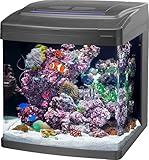
- ALL-IN-ONE SYSTEM: Everything you need for quick and easy setup. Includes a sleek and modern hood, white and blue LED lights, filter, quiet pump, dual intakes, adjustable nozzle and more.
- SMART LIGHTING: Control your aquarium from anywhere with the Aqueon BlueIQ app to toggle between white and blue LED, a programmable 24/7 schedule, feeding reminders and more.
- PERFECT FOR ALL LEVELS: Designed for both newcomers and seasoned aquarium keepers. Perfect for freshwater or saltwater environments.
- OPTIMAL GROWTH ZONES: Produces light and current within three distinct BioZones, providing the perfect light spectrum and intensity to sustain and grow different types of corals.
- PAIRS WITH BIOCUBE ACCESSORIES: Explore a range of BioCube accessories like the BioCube Protein Skimmer for advanced filtration or the Algae Cleaning Magnet and Pad for simple maintenance. Discover more options to enhance and tailor your ecosystem.
The practical goal is to make each visit less damaging and support locally managed conservation, while recognizing that reef recovery depends on sustained action well beyond the choices of an individual snorkeler or diver.
Quick Recap
Product prices and availability are accurate as of the date/time indicated and are subject to change. Any price and availability information displayed on Amazon at the time of purchase will apply.

