
iTechGuides is reader-supported. When you buy through links on our site, we may earn an affiliate commission. As an Amazon Associate I earn from qualifying purchases. Learn more
Yes. Researchers have produced measurable electricity from tomato pomace and defective tomatoes in laboratory microbial fuel cells and related systems. That is a proof of concept, not evidence that tomato waste can currently power a home or provide commercial electricity. Other work has converted fibrous tomato plant residues into methane, which is a separate energy pathway.
How a microbial fuel cell makes electricity from tomato waste
Tomato waste contains organic compounds that microorganisms can break down. In a microbial fuel cell (MFC), microbial activity helps transfer electrons from that material to an anode. The electrons travel through an external circuit to a cathode, creating measurable electrical current. The 2015 tomato-pomace study describes this as direct conversion of chemical energy in organic matter into DC electricity through microbial catalytic activity. Fogg et al., Journal of Power Sources (2015).
The feedstock affects how the system behaves. Pomace—leftover material from tomato processing—and culled or defective fruit have been tested for electrical output. Fibrous tomato plant residues have instead been studied in anaerobic digestion systems, where the reported energy product is methane.
What experiments have demonstrated
Tomato pomace in a microbial fuel cell
A 2015 proof-of-concept study tested tomato pomace as an MFC feedstock. Its open-circuit potential was similar to the glucose control, but its polarization performance was weaker, with the gap increasing as current density and operating time rose. The authors also examined impedance and the influence of particulate characteristics and redox-active compounds. These findings show why a voltage reading alone does not establish that a waste feedstock will perform like a simple laboratory substrate. Fogg et al. (2015).
#1 Best Overall

- HIGH-YIELD SEED PACK WITH 300 TOMATO SEEDS FOR PLANTING: This pack includes 300 beefsteak tomato seeds, ensuring an abundant harvest. Perfect for gardeners looking to grow a large supply of meaty, flavorful tomatoes for fresh use, cooking, or preserving throughout the growing season.
- EASY TO GROW FOR BEGINNERS AND PROS: These tomato seeds thrive with minimal effort. With proper staking, consistent watering, and full sun, enjoy a bountiful harvest of large tomatoes. Ideal for gardeners of all levels, from backyard enthusiasts to homesteaders.
- LARGE, JUICY FRUITS PERFECT FOR SLICING: Known for their massive size and rich flavor, each beefsteak tomato weighs up to 1-2 pounds. Their meaty texture and juicy slices are perfect for burgers, sandwiches, and fresh salads, adding unbeatable taste and quality.
- HEIRLOOM QUALITY FOR TRADITIONAL TASTE: Grow heirloom beefsteak tomatoes with exceptional flavor. These seeds offer a rich, sweet taste passed down through generations, delivering the authentic garden-fresh experience home gardeners love.
- SUPPORTS A HEALTHY GARDEN ECOSYSTEM: Attracts beneficial pollinators like bees for natural pollination. These beefsteak tomato plants promote biodiversity in your garden, making them a sustainable choice for eco-conscious gardeners.
Defective tomatoes in microbial-electrochemical systems
A 2016 study reported proof-of-concept electricity generation from culled tomatoes. It identified naturally occurring, diffusible redox-active pigments as contributors to oxidation, while peel and seeds impeded oxidation behavior. The different effects of liquid and solid components illustrate that processing and feedstock composition matter. “Electricity generation from defective tomatoes,” Bioelectrochemistry (2016).
Small-scale single-chamber experiment
A 2023 study tested tomato waste in a single-chamber MFC and reported a maximum power density of 264.72 ± 3.54 mW/cm². This is the reported result of that small-scale experiment; it is not a household or commercial power estimate. A bench-scale power-density value by itself does not establish sustained output, net energy, or the amount of waste needed to run an appliance. Rojas-Flores et al., Sustainability (2023).
Rank #2

- Premium Cherry Tomato Seeds: Authentic Open-Pollinated Premium Heirloom Seeds (USA) Non-GMO, Untreated, High Germination Rate. High-growing variety for open ground, greenhouses, patio containers, and urban farming. Explosive berry flavor. Cascades of glossy ruby clusters. Prolonged fruiting cycle.
- Berry Diamond. A sensational variety. An intense dessert profile among mini tomatoes. It blurs the line between a vegetable and a ripe summer berry, revealing the classic tomato as an exquisite delicacy. Valued for its jeweler-crafted proportions, vibrant sommelier palette, "lacquered" shine, concentrated flavor, and impeccable visual style for signature plating. For true connoisseurs of haute cuisine.
- Sugar Concentrate. Record Brix. The variety redefines the possibilities of tomato flavor. Natural sweetness leaves a deep, lingering aftertaste with notes of exquisite berry confiture and a noble, subtle fruity acidity. The bright, multi-layered aroma of sun-warmed vines intertwines with delicate musky and caramel nuances—a true marker of a genuine cherry.
- Juicy Reservoir. Unique Fruit Anatomy. A monolithic structure eliminates looseness and watery voids—featuring a minimal seed chamber volume and high pulp density encased in a glossy skin. A thin yet durable skin contains internal pressure. Juicy crunch and capsule elasticity at absolute maturity.
- Fractal Ornament. A graceful yet sturdy lace of flexible branches. Instead of single settings, complex branching fans emerge. Ruby clusters completely overlap the foliage, creating a continuous cascade of hundreds of glossy berries. All the cherry's vigor is directed toward calibrating mini-fruits within multi-tiered cascades.
Electricity versus methane: two different routes
| Feedstock and route | Primary reported output | What the cited work establishes |
|---|---|---|
| Tomato pomace or culled fruit in MFC/MES systems | Electrical output | Proof-of-concept and small-scale laboratory experiments; not commercial or household deployment. 2015 pomace study; 2016 defective-tomato study; 2023 MFC study. |
| Fibrous tomato plant residues in anaerobic digestion, including a bio-electrochemical reactor with carbon fiber textile | Methane | The study reports methane fermentation and improved decomposition of residues and intermediates; methane is an energy carrier, but this is not direct electricity production as the reactor’s principal product. Hirano and Matsumoto, Bioresource Technology (2018). |
A 2024 article examined tomato waste as one of several feedstocks in a mixed blackwater and agricultural-waste system and reported bioelectricity and biohydrogen results for the combined system. Those combined-system results cannot be attributed to tomato waste alone. Heliyon (2024).
The Tool Desk
Outbyte PC Repair FREERepair Windows errors before they cause bigger problemsFix Now →Outbyte Driver Updater FREEScan for outdated or missing drivers - takes under a minuteDriver Scan →Why the findings do not yet mean practical power
The cited tomato-specific electricity studies are laboratory demonstrations, not evidence of a commercial installation supplying useful grid or household power. The available results do not establish long-term operation, net energy after processing, cost-effectiveness, or a reliable scale-up pathway.
Rank #3
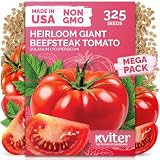
- Classic Beefsteak Flavor: Beef steak tomato seeds grow mild, juicy, meaty fruits perfect for slicing tomato use. Large tomato seeds develop firm flesh ideal for sandwiches, salads, burgers, and fresh eating from your vegetable garden.
- Easy Garden Care: Tomato plant seeds thrive in well-draining sandy loam soil. Space beefsteak tomatoes plants 18–24 inches apart, stake or cage vines, and maintain consistent watering for best growth for heirloom seeds.
- Giant Fruit Size: Beefsteak tomato plant seeds produce massive red slicing tomatoes. Indeterminate tomato seeds ideal veggie seeds for garden plots, raised beds, and greenhouses.
- Fast Germination: Tomato seeds for planting germinate in 7–10 days when planted 1/4 inch deep. These non gmo tomato seeds perform best in full sun across USDA zones 2–11.
- Big Fruit Size: These tomato plant seeds produce large red tomatoes, and are suitable seeds for garden plots, raised beds, and greenhouses.
- Feedstock is variable: Tomato pomace is particulate and chemically complex. The pomace study found performance differences from its glucose control; the defective-tomato study found that pigments and solid peel-and-seed fractions affected oxidation in opposing ways.
- Scale-up remains unresolved: The cited work does not settle the effects of pretreatment, electrode and reactor costs, sustained operation, or the energy required to prepare and process the waste.
- Output figures need context: Laboratory voltage, current, or power density is not enough to determine how much useful electricity a real installation would deliver.
The 2016 defective-tomato paper cites an estimate of 0.61 billion kg of defective tomatoes per year in the United States. That is the paper’s cited estimate from 2016, not a current independently verified national statistic. The 2015 pomace paper’s abstract also gives an annual U.S. pomace figure of approximately 40 million metric tons, but that figure appears inconsistent with the separate defective-tomato estimate and should not be treated as a reliable national total without clarification of its context and units.
Independent reader supportYour contribution helps us test, update, and keep practical guides available for everyone.What this means for tomato-processing waste
Microbial fuel cells show that some tomato-processing waste can serve as a feedstock for experimental electricity generation. Anaerobic digestion research offers a distinct route for fibrous plant residues, with methane as the reported output. The studies establish research possibilities, not a basis for choosing one route on cost, net energy, or environmental performance: the cited results do not provide a consistent comparative life-cycle, net-energy, or economic assessment.
Rank #4

- USDA Certified Organic by Oregon Tilth
- 10 varieties of tomato (Solanum lycopersicum) seeds packed fresh for the current and following year
- Cherokee Purple, San Marzano, Yellow Pear, Chocolate Cherry, Green Zebra, Black Krim, Brandywine Pink, Virginia Sweets, Rosso Sicilian, and Amana Orange
- 100%: non-GMO, open pollinated, trusted varieties
- Easy tomato grow guide included, with tips printed on the back of each packets too
For now, tomato-waste electricity belongs in the category of laboratory bioelectrochemical research. It should not be confused with a ready-to-buy generator or a proven way to power a home.
Quick Recap
Best Value

- VARIETY PACK OF 10 HEIRLOOM TOMATOES – Ace 55, Aunt Ruby’s Green, Beefsteak, Black Krim, hillbilly (marbled/ striped), Mortgage Lifter, Red Brandywine, Red Cherry, Roma, Yellow Pear
- COLORFUL & DELICIOUS – A flavorful mix of red, yellow, purple, and green tomatoes for fresh eating, slicing, canning, salsa, sauces, and long-term pantry storage from your home garden
- EASY TO GROW – Start indoors or outdoors, tomatoes thrive in full sun with moderate watering, seed packets include planting and seed-saving guidance for beginners
- GARDEN-READY COLLECTION –– Suitable for backyard gardens, raised beds, and homestead plots, with plants that benefit from staking or cages and perform across many climates
- FAMILY OWNED USA SMALL BUSINESS – heirloom non-GMO seeds from Survival Garden Seeds, a trusted American brand; always open-pollinated, untreated, and quality tested for garden success
Product prices and availability are accurate as of the date/time indicated and are subject to change. Any price and availability information displayed on Amazon at the time of purchase will apply.

