
The Tool Desk
Outbyte Driver Updater FREEFix the driver behind crashes, sound loss and screen glitchesFind Drivers →Outbyte PC Repair FREEClear out junk files and repair common Windows errorsFree Scan →iTechGuides is reader-supported. When you buy through links on our site, we may earn an affiliate commission. As an Amazon Associate I earn from qualifying purchases. Learn more
Bloating after eating or later in the day can be linked to swallowed air, how certain foods are digested, large meals, or constipation. These are possible contributors—not a diagnosis, and not causes for everyone. The six habits below are practical patterns to notice, rather than a ranked list or a claim attributed to a specific gastroenterologist.
What bloating after meals can mean
Bloating is a feeling of fullness, pressure, or swelling in the abdomen. It may happen with gas, but it can also occur alongside other digestive symptoms. The NHS says the most common reason is having a lot of gas in the gut; the National Institute of Diabetes and Digestive and Kidney Diseases (NIDDK) notes that some gas symptoms are normal, especially during or after meals.
Gas can enter the digestive tract when you swallow air, or form when bacteria in the large intestine break down carbohydrates that were not fully digested. A meal-related pattern may offer clues, but it does not by itself identify a cause.
Six everyday habits that may contribute
1. Eating or drinking quickly
Eating quickly can increase the amount of air you swallow. NIDDK advises eating slowly and sitting down to eat when possible. Try slowing the pace of a meal and notice whether that changes your symptoms.
#1 Best Overall

- SUPPORTS HEALTHY DIGESTION*: NOW Super Enzymes is a comprehensive blend of enzymes that supports healthy digestion.* Take one capsule with a meal
- BREAKS DOWN FATS, CARBS, AND PROTEINS*/OPTIMIZES NUTRIENT AVAILABILITY*: Formulated with bromelain, ox bile, pancreatin and papain, Super Enzymes helps to optimize the breakdown of fats, carbohydrates and protein*
- CERTIFICATIONS/CLASSIFICATIONS: Soy Free, Made without Gluten, Keto Friendly
- GMP Quality Assured: NPA A-rated GMP certification means that every aspect of the NOW manufacturing process has been examined, including our laboratory/testing methods (for stability, potency, and product formulation)
- Founded in 1968 by Elwood Richard, NOW is one of the largest independent, family- and employee-owned manufacturers of natural products
2. Having fizzy drinks, chewing gum, sucking hard candy, or using a straw
These habits can increase swallowed air or gas symptoms for some people. If you suspect one is involved, change one habit at a time so you can tell whether the pattern shifts.
3. Eating carbohydrates that are hard for you to digest
Some carbohydrates are not fully digested in the small intestine. Gut bacteria then break them down and produce gas. Lactose and fructose intolerance are examples of carbohydrate-digestion problems, but foods containing these sugars do not cause symptoms in everyone. NIDDK recommends discussing suspected food triggers with a clinician or dietitian rather than adopting a broad elimination diet on your own.
Rank #2

- SUPPORTS HEALTHY DIGESTION*: NOW Super Enzymes is a comprehensive blend of enzymes that supports healthy digestion.* Take one capsule with a meal
- BREAKS DOWN FATS, CARBS, AND PROTEINS*/OPTIMIZES NUTRIENT AVAILABILITY*: Formulated with bromelain, ox bile, pancreatin and papain, Super Enzymes helps to optimize the breakdown of fats, carbohydrates and protein*
- CERTIFICATIONS/CLASSIFICATIONS: Soy Free, Made without Gluten, Keto Friendly
- GMP Quality Assured: NPA A-rated GMP certification means that every aspect of the NOW manufacturing process has been examined, including our laboratory/testing methods (for stability, potency, and product formulation)
- Founded in 1968 by Elwood Richard, NOW is one of the largest independent, family- and employee-owned manufacturers of natural products
4. Eating large meals or high-fat foods
A large meal may leave you feeling uncomfortably full, and high-fat foods can increase bloating for some people. The NHS suggests trying smaller, more frequent meals. Whether a particular food matters varies from person to person.
Free tools Windows power users keep installed
One-click scans. No signup required.
5. Being constipated
Constipation is a common digestive explanation for bloating. If you are also passing stools less often than usual or having difficulty passing them, the NHS suggests fluids, movement, and soluble fibre such as oats or linseed. Fibre changes are not right for every situation, so avoid increasing it indiscriminately—especially if symptoms are worsening or you are unsure why they are happening.
Rank #3
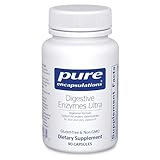
- Nutrient Absorption: Contains a mixture of vegetarian enzymes developed to support nutrient bioavailability and absorption; supports digestion*
- Supports Digestion: Facilitates the normal breakdown of proteins, peptides, polysaccharides and disaccharides; assists with dairy, fiber, and protein digestion*
- Digestive Enzymes: Offers a broad-spectrum combination of vegetarian digestive enzymes designed to provide optimal activity across a wide pH range*
- Dairy Enzyme Blend: This vegetarian enzyme blend supports digestion of dairy, sugar, lactose, and certain complex carbs; supports relief from occasional gas or bloating*
- Pure Difference: What we leave out matters, too; Pure Encapsulations products are free from common allergens, artificial or unnecessary ingredients, and GMOs
6. Eating a large meal late or slouching while eating
The NHS advises avoiding large meals late at night and not slouching while eating. These are separate from its indigestion advice: for indigestion, the NHS also suggests avoiding food for three to four hours before bed. That timing guidance is specifically in the context of indigestion, not a universal treatment for bloating.
How to look for a personal pattern
Several contributors can overlap, and a single episode does not prove that a food or habit caused it. A food-and-symptom diary can help you and a clinician or dietitian consider possible links.
Rank #4

- Optimal Gut Health: Our bundle combines the power of our 60 billion CFU probiotic with Digestive Enzymes to promote a balanced and healthy gut environment. Say goodbye to digestive discomfort.
- Enhanced Nutrient Absorption: Our digestive enzymes assist in breaking down food more effectively, helping your body absorb essential nutrients from your diet.
- Survives the Gut: From start to finish - this probiotic is designed to survive the gut & maximize the colonization of our strains.
- Digestive Comfort: Bid farewell to bloating, gas, and indigestion. The combination of probiotics and digestive enzymes in this bundle supports smoother digestion, reducing discomfort after meals and supporting a flatter stomach.
- Convenience and Savings: By bundling our best-selling probiotics and digestive enzymes together, we offer you the convenience of a comprehensive gut health solution in one package. Plus, you’ll save money compared to purchasing these products separately, making it a cost-effective choice for your health and wellness regimen.
- Record what you ate and drank, when you ate, and when the bloating began.
- Note relevant habits such as eating quickly, fizzy drinks, gum, or meal size, along with bowel changes and other symptoms.
- Look for a pattern across repeated occasions rather than removing several foods after one episode.
- Discuss persistent or troublesome patterns with a clinician. If a dietary change is being considered, a dietitian can help keep the plan nutritionally appropriate.
NIDDK describes a low-FODMAP trial in the context of irritable bowel syndrome (IBS), and condition-specific dietary changes for diagnosed problems. That is not a reason to start a restrictive diet without professional guidance.
What’s actually slowing this PC down?
Pick the symptom - the matching free tool is one click away.
When to seek medical advice
Contact a clinician if bloating is frequent, does not go away, changes suddenly, or is bothering you—particularly if it occurs with pain, constipation, diarrhea, unexplained weight loss, or blood in your stool. Do not assume recurring symptoms are simply caused by a meal.
Use local urgent-care or emergency services for severe or rapidly worsening symptoms. NHS warning signs include bloating with vomiting, fever, a lump, inability to pass urine, stool, or gas, and sudden severe abdominal pain. Blood-like vomit or severe breathing difficulty are emergency examples. NIDDK also identifies difficulty swallowing, frequent vomiting, severe constant abdominal pain, black tarry stools, jaundice, shortness of breath, or long-lasting swelling as reasons to seek medical attention.
Quick Recap
Sources
- NIDDK: Symptoms & Causes of Gas in the Digestive Tract
- NIDDK: Eating, Diet, & Nutrition for Gas in the Digestive Tract
- NHS: Bloating
- NHS: 5 lifestyle tips for a healthy tummy
- NIDDK: Symptoms & Causes of Indigestion
Product prices and availability are accurate as of the date/time indicated and are subject to change. Any price and availability information displayed on Amazon at the time of purchase will apply.

