
Quick wins for a faster PC:
Clear out junk files and repair common Windows errorsFree Scan →Scan for outdated or missing drivers - takes under a minuteDriver Scan →Repair Windows errors before they cause bigger problemsFix Now →iTechGuides is reader-supported. When you buy through links on our site, we may earn an affiliate commission. As an Amazon Associate I earn from qualifying purchases. Learn more
Beachcombing is safest when you treat the shore as changing terrain, not a predictable place to gather souvenirs. Before you go, check local tide, surf, weather, water-quality and closure advisories; on rocky shores, keep clear of waves and slippery growth; leave tide-pool life undisturbed; and verify the beach’s collection rules before taking anything.
Check conditions before you leave
A low tide is not a safety guarantee. Surf, weather, water quality and access restrictions can change, so consult the official local tide and surf forecasts and any beach hazard advisory or closure before setting out. NOAA recommends checking for water-quality alerts and beach closures, while the National Weather Service advises visitors to check its surf-zone forecasts and beach advisories.
| # | Preview | Product | Price | |
|---|---|---|---|---|
| 1 |
|
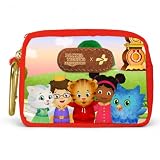
KeepGoing Daniel Tiger’s Small Travel First Aid Kit Kids – 60 Pc. | $24.99 | Buy on Amazon |
| 2 |
|
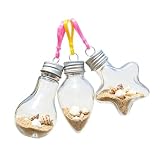
Adult Empty Beach Sand Keepsake Bottles Clear Polymer Souvenir Vials 3Pack | $12.99 | Buy on Amazon |
Use the NOAA beach hazards guide and National Weather Service beach safety page as starting points, then look for current notices from the beach’s managing agency. If conditions or warnings make the shoreline unsafe, postpone the trip rather than relying on a tide chart or your own estimate.
The Tool Desk
Outbyte PC Repair FREEClear out junk files and repair common Windows errorsFree Scan →Outbyte Driver Updater FREEFix the driver behind crashes, sound loss and screen glitchesFind Drivers →Move carefully around rocks, pools and surf
Choose footwear for wet, uneven ground
For rocky intertidal terrain, wear sturdy shoes that can get wet and have reliable grip. The California Coastal Commission advises: “Wear shoes that give you a good grip on slippery rocks.” This can help with footing, but does not eliminate the risk of a slip or fall.
#1 Best Overall
- Daniel Tiger Comfort Kids Love – A cute First Aid Kit kids aren’t afraid of. Featuring Daniel Tiger’s friendly, familiar design to help preschoolers feel calm and safe during cuts, scrapes, and everyday boo-boos. Upgrade from clinical-looking kits to a kid-friendly kit that fits perfectly in a diaper bag, stroller, backpack, or suitcase- it’s TSA Approved!
- All You Need – Good things come in small packages! Your mini first aid kit has 60 pieces of essential first aid supplies for every ouchie. From stickers to bandages, you’ll be ready for anything.
- For Your Family – The average med kit is designed just for adults, but your KEEP>GOING kit works perfectly as a baby first aid kit and beyond. Bandage their boo-boos and put smiles back on their faces!
- Quality Materials – Give your family the care they deserve. Your mini emergency kit for women features premium products protected inside a stain- and water-resistant case that fits easily anywhere.
- KEEP>GOING – Your HSA- and FSA-eligible first aid kit for home and travel is made by a mom for moms. KEEP>GOING First Aid is a small, family-owned business passionate about helping families keep the fun going.
Watch the water while tide-pooling
Check the tide chart and, as California Coastal Commission guidance recommends, plan to arrive as the tide is going out. Keep watching the ocean and the water’s return rather than assuming the pool or route back will stay accessible. The Olympic Coast National Marine Sanctuary also warns visitors about sneaker waves. Tide information helps with planning; it does not account for every surf or weather hazard.
On rocks, step on bare rock rather than algae, which can be slippery. Look up frequently, keep a safe route back in mind and do not turn your attention to a find while waves are approaching. See the California Coastal Commission tide-pooling guidance and Olympic Coast National Marine Sanctuary advice.
Leave unknown animals and debris alone
NOAA identifies beach hazards including harmful algal blooms, poor water quality, marine debris and jellyfish. Washed-up jellyfish may still sting when their tentacles are wet. Avoid touching unfamiliar marine life or debris, and heed local warnings. Do not handle suspicious metal, sea glass or other objects: U.S. Fish and Wildlife Service guidance for Chincoteague specifically says not to touch metal or sea glass and to report suspected unexploded ordnance to authorities. If you find an object that could be hazardous, move away and contact local authorities; do not inspect or collect it.
Free tools Windows power users keep installed
One-click scans. No signup required.
Observe tide pools without damaging them
A tide pool is an isolated pocket of seawater in the intertidal zone. Even a small pool can be a demanding habitat: when the ocean recedes, its inhabitants are exposed to sun, low oxygen, warmer water and predators. NOAA says typical pools may be “mere inches to a few feet deep and a few feet across,” but that description does not apply to every pool.
Look without handling. NOAA’s guidance is direct: “Leave the animals and plants alone.” The California Coastal Commission explains that many tide-pool animals are protected by a coating of slime that dry hands can damage. Do not poke, pry or remove organisms, and do not collect intertidal species; collection is illegal in many areas and in most tide pools according to the cited NOAA and California guidance.
Rank #2
- 🏆 Travel Memory Vacation Essentials: Crafted for adult travelers, honeymooners, and beachcombing enthusiasts to preserve unforgettable seaside experiences; ideal container to store unique memories from tropical cruises and summer getaways.
- 🏆 Shatterproof Material Safety: Made from heavy-duty, high-transparency crystal-like material; provides outstanding unbreakable protection during luggage transport and outdoor exploration, serving as a superior replacement for fragile glassware.
- 🏆 Leakproof Aluminum Screw Caps: Equipped with tight-sealing, precision-threaded metal lids; ensures fine seaside sand, ocean waters, mineral rocks, miniature shells, and tiny specimens remain securely sealed inside without messy spills.
- 🏆 Portable Compact Carabiner Strap: Features convenient hanging clips for easy attachment to adult backpacks, keyrings, or travel luggage; compact size designed perfectly for hands-free mobility during coastal walks and vacation trips.
- 🏆 Distinct Geometric Shapes Assortment: Measuring approx 3"L x 2"W per vessel; showcases a unique variety of elegant aesthetic silhouettes that make a sophisticated decorative statement on office desks, home display shelves, or coastal themed interior decors.
- Walk on bare rock, not on animals, plants or algae.
- If you move a rock, return it to its original position.
- Keep hands off tide-pool organisms, even for a quick photo or identification.
- Give wildlife and the pool itself room; observe in place.
Read NOAA’s tide-pool explanation and the California Coastal Commission’s safe tide-pooling advice before exploring an intertidal area.
Independent reader supportYour contribution helps us test, update, and keep practical guides available for everyone.Check the exact beach’s rules before collecting
Something washed ashore is not automatically yours to take. Rules depend on the land manager and may cover shells, fossils, bones, feathers, plants, driftwood, rocks and cultural artifacts. Check the current official rules for the specific beach, including any limits on amount and whether collection is restricted to personal, noncommercial use.
| Location and authority | What the cited guidance allows or protects |
|---|---|
| Cumberland Island National Seashore (NPS) | Unoccupied shells and fossilized shark teeth may be collected for noncommercial use up to two gallons per person per day. Bones, feathers and artifacts are among the protected items. Return occupied shells to the environment. NPS rules |
| Chincoteague National Wildlife Refuge (FWS) | Up to one gallon of unoccupied shells per person per day is allowed; commercial use is prohibited. Do not collect driftwood or plants. FWS rules |
| Point Reyes National Seashore (NPS) | Almost everything found on its beaches is protected, according to the park’s guidance. Check the current rules before removing anything. NPS beach information |
These examples are not a nationwide standard. They show why a rule from one park cannot be applied to another beach. If you cannot establish that an item may be collected, leave it where it is. Leave any shell that appears occupied or smells of decay; Cumberland Island specifically advises returning occupied shells.
Where to look, and when finds may appear
The wrack line—the high-tide line where material is deposited—is a place to look for washed-up shells. Cumberland Island NPS notes that winter storms and onshore winds can bring finds to that shore. Padre Island NPS says large storms and very low tides can increase shell concentrations in its local setting. These are observations about those locations, not promises about what you will find elsewhere.
Look from stable, permitted areas and do not follow a promising find into rough surf, onto unstable rocks or past a closure. The conditions that move material onto a beach can also make the shoreline more hazardous.
Quick Recap
A practical beachcombing checklist
- Before the trip: Check official local tide and surf forecasts, weather, water-quality notices, hazard advisories and closures.
- Pack for the terrain: Wear grippy, sturdy footwear for wet rocks; bring only what you can carry safely.
- At the shore: Keep watching waves and the returning tide. Avoid algae-covered rocks and respect barriers and closures.
- At tide pools: Look, do not touch. Do not pry organisms loose; return any moved rock to its original position.
- Before taking a find: Confirm the beach’s current collection rules. Leave occupied shells, protected items and anything uncertain.
- If you see a suspicious object: Do not touch or examine it. Move away and report it to local authorities.
Product prices and availability are accurate as of the date/time indicated and are subject to change. Any price and availability information displayed on Amazon at the time of purchase will apply.

