
To improve PageSpeed, measure the page first, then fix the biggest problems affecting loading, responsiveness, and visual stability. Use PageSpeed Insights (PSI) on both mobile and desktop, distinguish real-user field data from Lighthouse lab diagnostics, and retest after each major change.
What PageSpeed Insights measures
PSI combines field data from the Chrome User Experience Report (CrUX), when available for a page, with a Lighthouse lab test. Field data reflects experiences from real visitors; lab data is a controlled diagnostic run that can help expose performance problems. They answer different questions, so a Lighthouse score alone is not a complete picture of how visitors experience a site.

| Evidence | What it tells you | How to use it |
|---|---|---|
| Field data (CrUX) | How real users experienced the page in the available reporting period and device context. | Check whether the page meets the Core Web Vitals assessment and look for real-user problems. |
| Lab data (Lighthouse) | How the page performed during a simulated test, with diagnostics and optimization opportunities. | Use the findings to investigate likely causes and choose changes to test. |
The three Core Web Vitals describe different parts of the experience: Largest Contentful Paint (LCP) measures loading, Interaction to Next Paint (INP) measures responsiveness, and Cumulative Layout Shift (CLS) measures visual stability. PageSpeed Insights documentation, accessed in 2026, defines good results as LCP under 2.5 seconds, INP under 200 milliseconds, and CLS under 0.1. These are thresholds for the metrics, not a promise that every lab run will match field results.
How to establish a useful baseline
- Open PageSpeed Insights and test the page URL on mobile and desktop.
- Record the date, URL, device context, Core Web Vitals status, and the most prominent opportunities for each result.
- Note whether each finding comes from field data or the Lighthouse lab report. If field data is unavailable, treat the lab report as diagnostic evidence rather than a substitute for real-user experience.
- Choose one high-impact issue to investigate before changing several parts of the page at once.
A saved baseline makes later comparisons meaningful: if you change the page or test conditions, a score difference may not show which change caused it. For ongoing checks, compare like with like and keep field results distinct from lab results.
Quick wins for a faster PC:
Scan for outdated or missing drivers - takes under a minuteDriver Scan →Repair Windows errors before they cause bigger problemsFix Now →#1 Best Overall
What to fix first
Start with issues that affect the most important user-facing metric and have a plausible, testable cause. Large image files can add substantial download work; unnecessary or blocking code can delay rendering or occupy the browser’s main thread. The best first change depends on what the page’s own report identifies.
| Problem area | Why it can matter | Useful first action |
|---|---|---|
| Oversized or inefficient images | Images contribute bytes that visitors must download, especially on constrained connections. | Resize assets for their displayed use, select appropriate formats and quality, and provide responsive image sizes. |
| Excess JavaScript | Parsing and executing large scripts consumes main-thread time; scripts can also delay useful rendering. | Remove unused code, split work where appropriate, and defer noncritical scripts. |
| Blocking or excessive CSS | Styles needed for rendering can delay the initial display, while unused CSS adds unnecessary work. | Simplify critical styles and defer CSS that is not needed for the initial rendering. |
| Delivery and repeat visits | Slow origin delivery or repeatedly downloading unchanged assets can add avoidable delay. | Set browser caching policies suited to asset freshness and assess CDN delivery for visitor geography. |
How to optimize images
Use image dimensions that fit the rendered size instead of sending an oversized original to every device. Provide responsive sources so smaller screens do not have to download unnecessarily large assets. Choose a suitable format and quality for each image; WebP or AVIF may be appropriate where supported. Google for Developers’ PageSpeed Insights image guidance notes that image optimization can significantly improve performance by reducing page load times.
Rank #2
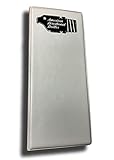
- Vinyl Hard Cover: Durable grey vinyl hard cover provides long-lasting protection for your notes and records
- 200 Sewn Pages: Features 200 sewn pages with lined rule for organized and secure documentation
- Oilfield Book: Specifically designed for oilfield use with standard industry specifications
- Directional Drilling: Tailored for directional drilling operations and pipe tally marking on oil rigs
- Standard Driller Size: Measures 8.25 inches tall and 3.5 inches wide, the dimensions used by professional drillers
- Resize image files to match their intended display dimensions.
- Use responsive image variants for different screen sizes or resolutions.
- Compare visual quality after compression rather than selecting the smallest possible file blindly.
- Consider WebP or AVIF where the site’s supported browsers and delivery setup allow them.
How to reduce JavaScript and CSS delays
JavaScript
Large JavaScript files can take time to parse and execute, even after they have downloaded. Remove code the page does not use, split code so a visitor does not need to load every feature immediately, and defer noncritical scripts. Avoid adding synchronous scripts in the document head without a specific reason, since they can hold up rendering. Use Chrome DevTools’ Performance tools to inspect long tasks and identify work that occupies the main thread.
CSS
Keep the styles required for the initial rendering focused, remove unused CSS, and defer styles that are not needed immediately. Changes to CSS delivery can affect the page’s appearance, so verify that the page still renders correctly as well as checking performance results.
Recommended Free Tools
Rank #3

- EASY FORGOT YOUR PASSWORD? - This small password journal allows you to save all your passwords, account & login details in one place. Managing your online web account information & user data safe. The set comes with 2 password logbooks one to keep at work and one at home. Never forget your passwords again.
- SIMPLE & PRACTICAL - Wire bound password journals with durable plastic cover the sturdy plastic cover resists rips, tears, and folds. Features alphabetic tabs to help organize your data and navigate your accounts easily.
- POCKET SIZE - 2 pack 5"x7" and 3.5"x5.25" mini password journal with A-Z tabs and 120 pages each, lots of space, easy to write, there's even room to add to your password journal.
- DURABLE - Thick frosted poly covers will protect your password book from damage. Made out of premium paper great for fountains pens and ink. No feathering and bleeding. Thick paper & Strong Binding.
- GUARANTEED QUALITY - High quality, heavy-duty and BUILT TO LAST! Made by Excello Global Products. We are a family owned USA company and we have been making quality products for over 50 years.
When browser caching and a CDN can help
Browser caching can reduce repeat-visit downloads by allowing suitable assets to be reused. Set cache headers according to how often an asset changes: long-lived caching is useful for versioned assets, while frequently updated files need a freshness strategy that lets visitors receive the new version. A content delivery network (CDN) can serve content closer to geographically distributed visitors, reducing delivery distance. Its benefit depends on where visitors are and how the site’s assets are configured; review cache invalidation and geographic coverage as part of the setup.
Independent reader supportYour contribution helps us test, update, and keep practical guides available for everyone.How to retest and monitor changes
- After a material change, rerun PSI for the same URL on mobile and desktop, using comparable conditions where possible.
- Compare the relevant Core Web Vitals and the diagnostic finding you intended to address, not just the overall score.
- Check that the page still works and looks correct, including on the device contexts that matter to its visitors.
- Continue monitoring field data. Lab results help diagnose changes quickly, while field data shows whether real visitors’ experiences improve over time.
Performance work is iterative: use each test to decide whether the change helped, exposed another bottleneck, or needs to be adjusted. A single run is a snapshot, not a complete account of performance across visitors and conditions.
Quick Recap
Rank #4

- Used Book in Good Condition
Product prices and availability are accurate as of the date/time indicated and are subject to change. Any price and availability information displayed on Amazon at the time of purchase will apply.

