
iTechGuides is reader-supported. When you buy through links on our site, we may earn an affiliate commission. As an Amazon Associate I earn from qualifying purchases. Learn more
The best startup business plan is the one built for its reader and kept useful as the business changes. Use a detailed traditional plan when a lender, investor, grant program, or partner needs a thorough review; use a lean plan to clarify and regularly update a simpler business idea. If a recipient specifies a format, follow its instructions. No plan format guarantees funding.
Choose the plan format that fits its job
The U.S. Small Business Administration (SBA) distinguishes between traditional plans, which explain a business in detail, and lean startup plans, which summarize its key elements. Lenders and investors commonly request traditional plans, but their requirements differ, so check the application instructions before drafting. A lean plan can be a practical internal tool, but may not contain enough detail for external review.



| Decision | Traditional plan | Lean startup plan |
|---|---|---|
| Purpose | Detailed planning or external review | Quick summary and a living internal planning aid |
| Detail | Common sections with supporting information | Key elements summarized, often in a compact chart |
| Best fit | Financing or readers who need thorough detail; confirm the recipient’s requirements | A relatively simple business, rapid launch, or frequent revision |
| Main trade-off | Takes more time and can become outdated if neglected | May need supplementary detail for a lender or investor |
The SBA describes traditional plans as sometimes running dozens of pages and lean plans as typically one page; these are descriptions, not required lengths. It also says a lean plan can take as little as an hour to make. The right length is the amount of detail needed to make decisions or meet the reader’s requirements. See the SBA planning guidance.
Free tools Windows power users keep installed
One-click scans. No signup required.
How do I write a business plan for my startup?
Draft the evidence and operating logic first, then write the executive summary. This sequence helps keep the summary consistent with the actual business and its projections.
#1 Best Overall
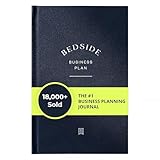
- TURN IDEAS INTO REALITY – Feeling stuck with your idea and not sure where to start? This guided journal helps you write a complete business plan so you can gain clarity and move forward with confidence as an entrepreneur.
- SIMPLE DAILY PRACTICE – 13 guided journaling sections with over 100+ business planning prompts. Make this business planner part of your routine to build momentum and work toward your business goals in just 5 minutes a day.
- BUSINESS PLANNER FOR ENTREPRENEURS – Use this guided journal to define your vision, understand your customers, evaluate competitors, plan expenses, and create a clear roadmap for launching your business.
- PERSONAL GROWTH – Designed as a personal growth workbook to help you reconnect with your purpose, prioritize well-being, and build a business plan centered around meaningful impact.
- PREMIUM ECO-FRIENDLY JOURNAL – Crafted with 100% FSC-certified recycled paper, a recycled cardboard cover, and wrapped in luxurious linen. This entrepreneur planner blends sustainability with thoughtful design.
- Define the reader and purpose. Decide whether you are planning internal operations or responding to a lender, investor, grant program, or prospective partner. Find out what that reader expects, including required sections, financial records, and format.
- Describe the business and customer. State what you sell, the problem it addresses, who is likely to buy it, where you will operate, and what stage the business has reached. Explain why customers might choose your offer, and distinguish evidence from beliefs that still need testing.
- Research customers, the market, and competitors. Use customer evidence and relevant market trends to assess demand. Identify direct competitors and indirect alternatives, what they do well, and how your offer differs. The SBA describes market research as a way to find customers and competitive analysis as a way to make a business distinct.
- Explain how the business will operate. Describe its legal structure, leadership, responsibilities, relevant experience, staffing, suppliers or partners, facilities, and important activities. Add an organizational chart if it makes ownership of key work clearer.
- Make the commercial model concrete. Explain pricing, revenue streams, sales channels, customer acquisition and relationships, and major costs. For a lean plan, the SBA’s listed elements also include partnerships, activities, resources, value proposition, and customer segments.
- Build projections from explicit assumptions. Estimate sales, costs, expenses, cash requirements, and timing. Show the assumptions behind demand, pricing, capacity, hiring, and cash flow, and make sure the forecast fits the operating plan and any funding request.
- Write the executive summary last. Condense the finished plan into the business, offer, customer, competitive advantage, leadership, high-level financial picture, growth plans, and funding request if relevant. Do not use the summary to make claims the rest of the plan cannot support.
- Add relevant support and review the whole plan. Include documents the reader requests, such as resumes, licenses, permits, contracts, or product images. Check that narrative, assumptions, and numbers agree. Update the plan as actual results or assumptions change.
The SBA’s planning guidance and templates are available at Plan your business. Its guidance is a starting point, not a substitute for a recipient’s instructions.
What should a startup business plan include?
Use this traditional-plan outline as a flexible structure. The SBA notes that founders can select sections suited to their business and needs; a recipient’s required format takes precedence.
Rank #2
- Executive summary: The business, offer, customer, advantage, leadership, financial picture, growth direction, and funding request if applicable.
- Company description: The problem, product or service, target customer, location or service area, stage, and competitive strengths.
- Market analysis: Industry context, target market, customer evidence, competitors, alternatives, and differentiation.
- Organization and management: Legal form, leadership, responsibilities, and relevant experience.
- Product or service line: What you sell and how it serves the customer’s need.
- Marketing and sales strategy: How customers will learn about, buy, and continue using the offer.
- Funding request, if applicable: Amount, timing, whether you seek debt or equity, desired terms, and intended uses.
- Financial projections: Forecasts and the assumptions behind them.
- Appendix: Supporting documents requested or useful to substantiate the plan.
Handle financial history honestly
For an existing business, the SBA guidance says to include historical income statements, balance sheets, and cash-flow statements for the last three to five years where applicable, alongside forecasts. A new startup without operating history should not invent historical statements. Identify it as pre-revenue or newly formed and provide projections supported by stated assumptions.
How should a startup forecast finances and request funding?
A funding request should connect the amount sought to what the business will do with the money and when it will need it. State whether you are seeking debt or equity, the requested terms if relevant, and the planned uses. Those uses should match the staffing, equipment, inventory, marketing, and other costs in the operating plan and forecast.
For a funding plan, the SBA recommends projected financial statements for the next five years, with more detailed monthly or quarterly forecasts for year one. This is SBA guidance, not a universal lender rule; use the format and time periods required by the specific financing source.
Present forecasts as estimates, not promises. Explain the assumptions driving revenue, costs, hiring, capacity, and cash timing. If you include conservative, expected, and upside scenarios, make the differences in their assumptions clear. A lender or investor may require a particular model or supporting evidence, and its instructions control.
Independent reader supportYour contribution helps us test, update, and keep practical guides available for everyone.Where can you find templates and planning help?
Start with free resources and adapt them to the task rather than buying a template before you know what the reader needs.
- SBA planning guidance includes templates, market-research resources, and a startup-cost calculator.
- SBA sample business plans provides traditional examples and a lean example, including fictional consulting and toy-company plans.
- SCORE’s Business Plan Guidebook covers traditional plan elements and financial projections.
- SBA free resources points to SCORE templates, training, workshops, and resource-partner counseling.
What a business plan can—and cannot—do
A plan is a tool for making and communicating decisions, not proof that a business will succeed or that financing will be approved. Requirements vary by lender, investor, industry, grant program, and jurisdiction. Verify local rules for legal structure, licensing, taxes, and accounting, and get tailored professional advice where needed.
As the SBA puts it, “There’s no right or wrong way to do a business plan.” Its practical value comes from making the assumptions, choices, and next steps clear to the people who need to act on them. Read the SBA’s Plan your business guidance for its current planning materials.
Quick Recap
Product prices and availability are accurate as of the date/time indicated and are subject to change. Any price and availability information displayed on Amazon at the time of purchase will apply.

