
Windows Errors? Fix Them Before They Spread
Repair common Windows errors and clear accumulated junk for a smoother, more stable PC - no reinstall needed.Free scan · no reinstallOutdated Drivers Are Slowing You Down
One free scan finds every outdated or missing driver and matches the right update for your exact hardware.Free scan · exact hardware matchiTechGuides is reader-supported. When you buy through links on our site, we may earn an affiliate commission. As an Amazon Associate I earn from qualifying purchases. Learn more
Choose an animation tool by the job, not by a universal ranking: use CSS or your framework’s built-in transitions for simple effects; consider Motion for interactive, state-driven UI; consider GSAP when its tween-and-timeline model or plugins fit the sequence; and use Lottie when you need to play an animation asset. These eight options are a practical shortlist, not a benchmark or a verified continuation of a specific first installment.
Which UI animation tool should you use?
Start with the simplest option that handles the behavior you need. A fade or hover effect on one element rarely needs a JavaScript dependency. A component that animates on state changes, responds to gestures, or needs coordinated entrance and exit behavior may justify a library. A complex sequence may fit a timeline-oriented engine, while a pre-made animation file calls for a player rather than a general UI interaction system.
- Simple, self-contained effect: use CSS transitions or animations.
- Vue or Angular UI transition: check the framework’s built-in facilities first.
- React or JavaScript UI with gestures, layout, or exit animation: evaluate Motion.
- Precisely sequenced tweens or a plugin-specific effect: evaluate GSAP and the plugins the project requires.
- Playback of a designed animation asset: consider the Lottie web player.
These tools are not interchangeable in every respect. Compare the feature you need, integration cost, accessibility needs, documentation, maintenance, and your team’s familiarity before choosing.
Quick wins for a faster PC:
Scan for outdated or missing drivers - takes under a minuteDriver Scan →Repair Windows errors before they cause bigger problemsFix Now →Eight tools and where each fits
1. CSS transitions and animations
CSS is the browser-native starting point for straightforward effects, such as changing opacity or transform when a class or interaction state changes. It avoids adding an animation library for a small, self-contained behavior. MDN’s CSS animations guide covers the native approach; Motion’s own guide likewise describes CSS transitions as a lightweight choice for simple effects.
#1 Best Overall
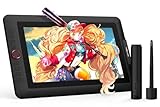
- PLEASE NOTE:XPPen Artist13.3 Pro drawing tablet Need to connect with computer,you need to use it with your computer or laptop, the 3 in 1 cable is included
- Drawing Tablet with Screen: Tilt Function- XPPen Artist 13.3 Pro supports up to 60 degrees of tilt function, so now you don't need to adjust the brush direction in the software again and again. Simply tilt to add shading to your creation and enjoy smoother and more natural transitions between lines and strokes
- Graphics Tablets: High Color Gamut- The 13.3 inch fully-laminated FHD Display pairs a superb color accuracy of 88% NTSC (Adobe RGB≧91%,sRGB≧123%) with a 178-degree viewing angle and delivers rich colors, vivid images, and dazzling details in a wider view. Your creative world is now as powerful as it is colorful
- Drawing Pad: One is enough- The sleek Red Dial on the display is expertly designed with creators in mind, its strategic placement allows for natural drawing postures. With just one wheel, you can effortlessly zoom in and out, adjust brush sizes, and flip the canvas—all tailored to suit the habits of everyday artists. The 8 customizable shortcut keys allow you to personalize your setup, streamlining your workflow and enhancing creative efficiency
- Universal Compatibility & Software Support:supports Windows 7 (or later), Mac OS X 10.10 (or later), Chrome OS 88 (or later), and Linux systems. Fully compatible with major creative software including Photoshop, Illustrator, SAI, and Blender 3D. Register your device to access additional programs like ArtRage 5 and openCanvas for expanded creative possibilities.
2. Motion
Motion documents APIs for React, JavaScript, and Vue. Its React guide covers gestures, scroll-triggered and scroll-linked effects, layout transitions, exit animation, and SVG animation. That breadth can be useful when motion is tied to component state or interaction rather than a single CSS property. The guide describes a hybrid implementation that uses browser animation APIs where possible and JavaScript for capabilities such as spring physics and gesture tracking; that is the vendor’s description, not a performance guarantee for every project.
The documentation identifies Motion as previously Framer Motion. At the time reflected by the documentation, it showed version 13.5.0, the install command npm install motion, and React imports from motion/react. Check the current package documentation before using these version-specific details. Motion also presents Motion+ as a separate premium offering; it is optional, and current price and terms are not established here.
Rank #2

- Please note: Kamvas 13 (Gen 3) Pen Display is not a standalone product, this device must be connected to a computer/laptop to work.
- All-new Canvas Glass 2.0: HUION Kamvas 13 (Gen 3) drawing tablet for pc features a fully laminated 13.3-inch screen and brand new anti-sparkle canvas glass 2.0 for reduced glare and improved accuracy. It is perfect for designers, artists, and illustrators to unleash their creativity.
- Advanced PenTech 4.0 Technology: The 16384 levels of pressure sensitivity and 2g IAF ensure a fluid and natural drawing experience, while the 3 customized pen side buttons improve your workflow.
- Improved Color Accuracy: With enhanced color accuracy to Avg. ΔE<1.5, 16.7 million display colors, 99% sRGB coverage, and Rec.709 standard color gamuts, HUION Kamvas 13 (Gen 3) digital art tablet delivers stunning visuals.
- Rigorous Color Calibration: HUION Kamvas 13 (Gen 3) drawing monitor includes a factory calibration report for added assurance of color consistency.
3. GSAP
GSAP’s core documentation centers on tweens and timelines, with specialized capabilities organized as plugins for areas including scroll, text, SVG, and UI. It is worth evaluating when the animation is a coordinated sequence or a particular plugin matches the effect. Check the project’s actual feature requirements and current plugin terms rather than assuming every capability is part of the core or that one engine is universally more powerful.
What’s actually slowing this PC down?
Pick the symptom - the matching free tool is one click away.
4. Vue’s built-in transition facilities
Vue provides built-in transition and animation facilities. For ordinary element and component transitions in a Vue application, check these before introducing another dependency. Add a separate engine when the required sequencing or interaction goes beyond the native framework behavior you plan to use.
Rank #3

- Standalone Drawing Tablet,No need for a computer! Frunsi T11 is designed to be completely independent, allowing you to create, sketch, and design anywhere, anytime. Equipped with a stunning 10.1-inch Full HD IPS screen (1920×1200P resolution), it delivers vibrant colors, sharp details, and wide viewing angles for an immersive digital art experience. Ideal for artists, students, and professionals who need a portable solution for both creative projects and everyday tasks like meeting notes or classroom work.
- Drawing Tablet No Computer Needed, Fully self-contained with no external device required. Simply power it on and start creating! Built-in 5800mAh battery provides up to 5 hours of continuous use, making it perfect for long creative sessions or on-the-go use. Supports USB-C charging, ensuring quick and convenient power replenishment. You can even use a mobile power bank to extend battery life during travel.
- Digital Drawing Tablet with Screen, High-sensitivity pressure-sensitive pen (no battery required) delivers natural, fluid strokes that mimic traditional drawing tools. The responsive screen ensures precise control, whether you’re sketching, illustrating, or editing photos. Multi-touch functionality allows for intuitive zooming, panning, and scrolling, enhancing your creative workflow.
- Tablet with Pen, Pre-installed with a suite of professional-grade drawing apps, making it easy for beginners to learn and for experienced artists to dive right in. The pen is designed for comfort and precision, with adjustable pressure sensitivity to suit your artistic style. Perfect for digital artists, graphic designers, and anyone looking to transition from traditional to digital art.
- Versatile Art Tablet, Not just for drawing! Use it for note-taking during company meetings, classroom lectures, or brainstorming sessions. The included adjustable stand case adds convenience for both desktop use and travel, ensuring your tablet stays protected and accessible. Compatible with Wi-Fi networks, allowing you to access online resources, tutorials, and cloud storage directly from the device.
5. Angular’s enter-and-leave animation guidance
Angular’s official guidance covers enter and leave animations and also names third-party options such as GSAP. For simple lifecycle transitions, begin with Angular’s own documented approach; bring in another tool when a concrete feature or authoring model warrants it.
6. LottieFiles Web Player
The LottieFiles web player is for playing animation assets on a website. That is a different job from coordinating state-driven UI, gestures, layout changes, or a sequence of tweens. Choose it when the deliverable is an animation asset to play, and verify the current player integration and asset requirements in the LottieFiles web player documentation.
Rank #4
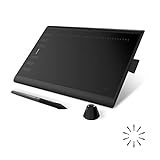
- Working Area Configuration - HUION art tablet equips with a 10 x 6.25 inches working area, providing the user with the most comfortable size to work; the 10mm slim structure and minimalist design of appearance make the drawing tablet more attractive.
- Tilt Function Battery-free Stylus: This computer graphics tablet come with a battery-free stylus PW100, no need to charge, allowing for constant uninterrupted drawing. ±60° tilt support enables imitation of lines input with diverse drawing gestures, with accuracy ensured.
- Press Keys:12 programmable press keys plus 16 programmable soft keys, you can set shortcut keys on drawing tablet's driver based on your preferences, such as erase, zoom in/out, scroll up and down, and so on.
- Compatibility: HUION graphics tablet supports Windows 7 or later/ macOS 10.12 or later/ Android 6.0 or later/ Linux (Ubuntu). A USB adapter is required to connect to a Mac computer. H1060P supports various mainstream design and drawing software, including PS, SAI, AI, CDR, etc. (Please note: The H1060P is compatible with Ubuntu, but it requires the use of the Xorg display server. Wayland is not supported.)
- NOTE: You can easily connect your phone to the art tablet via the OTG connector; while iPhone and iPad are NOT at the moment. The cursor will not show up in the SAMSUNG Galaxy S series at present. If you are not sure whether the product is compatible with your Phone or any help, please contact us.
7. Framework-native transitions in your existing stack
Before adding a general-purpose engine, inspect the transition and lifecycle features already provided by the framework you use. Vue and Angular both document native transition paths. This is a selection check, not a claim that every framework has the same capabilities: choose based on the exact framework, version, and behavior required.
Free tools Windows power users keep installed
One-click scans. No signup required.
8. A focused combination rather than one universal engine
A real interface can reasonably use more than one approach: CSS for a small hover state, framework transitions for component entry and exit, and a dedicated engine for an unusually involved sequence. Keep the combination deliberate. Each added dependency brings integration and maintenance cost, so use separate tools only when they solve distinct needs.
Best Value

- ➡️ COMPACT STANDALONE DRAWING TABLET: Draw, design, animate, and learn on the larger, immersive PicassoTab X11 — a fully standalone tablet that needs no computer. Preloaded with 5 creative apps for sketching, painting, animation, tutorials, and guided lessons.
- ➡️ 6 BONUS ITEMS ($100 value): Comes with 2 app upgrades (lifetime Pro upgrade for Concepts drawing app, lifetime VIP upgrade for Artixo tutorials app) and 4 bonus accessories (premium tablet case, drawing glove, universal power adapter, and pre‑installed screen protector)
- ➡️ LIFETIME VIP TUTORIALS - DESIGNED FOR BEGINNERS: Artixo Lifetime VIP upgrade gives you step‑by‑step lessons, guided practice, and beginner‑friendly exercises. Plus, the Xplore app provides drawing guides and instant help whenever you need it.
- ➡️LAMINATED PAPER‑LIKE DISPLAY FOR NATURAL DRAWING: The fully laminated 11" 2K screen reduces parallax and glare, delivering a smooth, realistic, paper‑like drawing feel and the upgraded 4096‑level pressure‑sensitive stylus delivers precise strokes for sketching, shading, and illustration.
- ➡️ FAST OCTA‑CORE PERFORMANCE + EXPANDABLE STORAGE: Powered by an octa‑core processor with 6GB RAM and 128GB storage (expandable up to 1TB), the X11 handles drawing apps, schoolwork, streaming, and multitasking effortlessly.
How the approaches compare
| Approach | Best fit | Model and notable capabilities | What to verify |
|---|---|---|---|
| CSS transitions and animations | Simple, self-contained visual effects | Browser-native styling and keyframes | Whether the effect remains manageable without interaction orchestration |
| Motion | Interactive UI in React, JavaScript, or Vue | Documented gestures, scroll effects, layout transitions, exit animation, and SVG support in its React guide | Current package/version, integration needs, and project-specific behavior |
| GSAP | Coordinated tween and timeline sequences | Core tweens and timelines; specialized areas are documented as plugins | Which required features need plugins and current plugin terms |
| Vue transitions | Ordinary transitions in Vue applications | Framework-provided transition and animation facilities | Whether the built-in behavior covers the desired sequence |
| Angular enter/leave guidance | Lifecycle transitions in Angular applications | Official enter/leave animation guidance; third-party options are also named | Fit with the project’s Angular version and desired behavior |
| LottieFiles Web Player | Playing animation assets in a web page | Asset playback, rather than a general state-driven interaction model | Current player integration and asset compatibility |
What to check before adding a dependency
- Framework fit: Does the tool document the framework and version used by the application?
- Authoring model: Is the work easier to describe as styles, component state, or a coordinated timeline?
- Lifecycle: Must elements animate on mount, unmount, or exit from a list or route?
- Interaction: Does the feature require gestures, scroll-linked movement, or layout changes?
- Plugin scope: For GSAP, is the needed behavior core functionality or a plugin?
- Asset versus interaction: Are you playing a prepared animation file or generating UI motion from app state?
- Project cost: Consider dependency size and count, integration work, maintenance, documentation, and team familiarity; the sources here do not establish a comparative bundle-size or performance winner.
- Accessibility: Decide how the effect behaves for people who request reduced motion, and ensure motion does not obscure content or make controls harder to use.
Two examples: a simple transition and a richer interaction
Simple fade with CSS
For a self-contained state change, a class can control opacity without an animation library:
.panel {
  opacity: 0;
  transition: opacity 180ms ease;
}

.panel.is-visible {
  opacity: 1;
}

@media (prefers-reduced-motion: reduce) {
  .panel {
    transition: none;
  }
}
This pattern is appropriate when toggling visibility is all the interface needs. It does not provide a general solution for coordinating gestures, layout changes, or application lifecycle behavior.
State- or gesture-driven motion
If a card must respond to a drag, animate to a layout position, and leave smoothly when dismissed, first confirm that the selected tool documents each required behavior in the framework you use. Motion’s React guide documents gestures, layout transitions, and exit animation; GSAP may suit the task if the interaction is better expressed as a controlled tween or timeline. The choice depends on the implementation, not a universal feature ranking.
Bottom line: choose by behavior
Use CSS for the small effect, framework-native transitions for routine lifecycle changes, Motion for documented interactive UI needs, GSAP when its timeline model or plugins fit the sequence, and LottieFiles when the task is asset playback. Confirm current framework support, package details, and plugin requirements against the official documentation before committing.
Quick Recap
Product prices and availability are accurate as of the date/time indicated and are subject to change. Any price and availability information displayed on Amazon at the time of purchase will apply.

