
iTechGuides is reader-supported. When you buy through links on our site, we may earn an affiliate commission. As an Amazon Associate I earn from qualifying purchases. Learn more
Linux Mint is the best starting point for most people replacing Windows 11, while Zorin OS suits users who want a Windows-like layout, Ubuntu offers the broadest official setup documentation, Fedora Workstation favors newer software and faster upgrades, and Kubuntu is the clearest choice for a KDE Plasma desktop. The right decision depends on your applications, hardware, tolerance for updates, and preferred desktop—not on screenshots alone.
Before changing the internal drive, make a complete backup and test your exact PC from a live USB. Check Wi-Fi, graphics, printers, audio, sleep and resume, accessibility tools, and every application you need for work, school, or personal use.
What a Linux distribution changes compared with Windows 11
A Linux distribution is a complete operating-system package. It combines the Linux kernel with a desktop interface, hardware drivers, software repositories, an installer, update policies, and community or commercial documentation. That means two distributions can both run Linux while feeling and behaving very differently.
Free tools Windows power users keep installed
One-click scans. No signup required.
The practical differences are the desktop workflow, included programs, application formats, hardware support, release schedule, and help available when something goes wrong. A familiar-looking desktop can reduce the learning curve, but it cannot guarantee that a particular Windows program, printer, game, or corporate security tool will work.
#1 Best Overall

- ✅For beginners, refer image-7, its a video boot instruction, and image-6 is "boot menu Hot Key list"
- ✅16-IN-1, 64GB Bootable USB Drive 3.2 , Can Run Linux On USB Drive Without Install, All Latest versions.
- ✅Including Windows 11 64Bit & Linux Mint 22.3 (Cinnamon)、Kali 2026.02、Ubuntu 26.04、Zorin Pro 18、Tails 7.8.1、Debian 13.5.0、Garuda 2026.03、Fedora Workstation 44、Manjaro 25.06、Pop!_OS 22.04、Solus 2026.04、Archcraft 26.05、Neon 2026.06、Fossapup 9.5、Sparkylinux 8.3, All ISO has been Tested
- ✅Supported UEFI and Legacy, Compatibility any PC/Laptop, Any boot issue only needs to disable "Secure Boot"
The Linux Mint project describes its system this way: "Linux Mint is a free Linux-based operating system designed for use on desktop and laptop computers." That broad purpose is shared by the options below, but each makes different trade-offs.
Best Windows 11 alternatives at a glance
| Distribution | Best fit | Important distinction | Trade-off or caveat |
|---|---|---|---|
| Linux Mint | A conventional desktop for general personal computing | Familiar, configurable workflow; LTS releases have a stated five-year support period | Proprietary graphics drivers, including NVIDIA drivers, are not installed by default |
| Zorin OS 18.1 | Users who want Windows-like layouts | Based on Ubuntu 24.04 LTS; Core and Pro use GNOME Shell, while Lite uses XFCE | Optional Windows App Support does not make every Windows application compatible |
| Ubuntu Desktop | Users who value extensive official installation guidance | Documentation covers installation, live testing, upgrades, BitLocker, Intel RST, software, and more | It has its own desktop conventions and still requires hardware and application testing |
| Fedora Workstation | Users who want current technologies and software | GNOME desktop, Fedora repositories, and Flathub access | Each version receives updates for approximately 13 months, so major upgrades arrive more often |
| Kubuntu | Users who prefer KDE Plasma | Ubuntu base with KDE software by default, popular programs, and a driver-management utility | KDE Plasma is a distinct workflow; it is not automatically the best Windows replacement |
| openSUSE Leap or Tumbleweed | Users willing to choose a release model deliberately | Leap uses stable regular releases; Tumbleweed is rolling with the latest package versions | Tumbleweed demands more comfort with frequent package changes and troubleshooting |
Linux Mint: the safest general-purpose starting point
Mint is the most straightforward recommendation when you want a conventional desktop, familiar file management, and a relatively long stated support horizon. Its project describes the desktop experience as comfortable and easy to use, with room to configure the interface to your preferences.
Published hardware requirements
Linux Mint publishes a minimum of 2GB of RAM, 20GB of disk space, and a 1024×768 display. It recommends 4GB of RAM and 100GB of storage for comfortable use. These are project requirements, not an independent performance guarantee: a machine with the minimum may still feel slow with modern browsers, video calls, or large documents.
Support and drivers
Mint says its long-term-support releases receive five years of support. That is useful if you want to avoid a major operating-system migration every year or so. Mint does not include proprietary graphics drivers by default. If your PC uses NVIDIA hardware or another driver-dependent device, use the distribution’s driver tools and test graphics, external displays, suspend, and video acceleration before committing.
Zorin OS: the most Windows-like option
Zorin OS is designed for people moving from Windows or macOS who want familiar layouts and terminology. Zorin OS 18.1 is based on Ubuntu 24.04 LTS and lists software updates and security patches through 1 June 2029. The 18.1 release was initially published on 15 April 2026, so check the current edition and support page before downloading an image.
Desktop editions
Core and Pro use GNOME Shell, while Lite uses XFCE. The edition therefore affects both appearance and hardware demands. Lite may be more suitable for an older computer, but a lighter desktop does not automatically solve missing drivers or unsupported peripherals.
Windows application support
Zorin lists APT, Flatpak, Snap, .deb, and AppImage software formats, along with optional support for some .exe and .msi installers. Treat that last capability as an experiment, not a compatibility promise. A Windows installer can launch while the application still lacks required libraries, copy protection, graphics features, fonts, plugins, or online-service support. Test the exact program and version you depend on.
Rank #2

- Dual USB-A & USB-C Bootable Drive – works with almost any desktop or laptop computer (new and old). Boot directly from the USB or install Linux Mint Cinnamon to a hard drive for permanent use.
- Fully Customizable USB – easily Add, Replace, or Upgrade any compatible bootable ISO app, installer, or utility (clear step-by-step instructions included).
- Familiar yet better than Windows or macOS – enjoy a fast, secure, and privacy-friendly system with no forced updates, no online account requirement, and smooth, stable performance. Ready for Work & Play – includes office suite, web browser, email, image editing, and media apps for music and video. Supports Steam, Epic, and GOG gaming via Lutris or Heroic Launcher.
- Great for Reviving Older PCs – Mint’s lightweight Cinnamon desktop gives aging computers a smooth, modern experience. No Internet Required – run Live or install offline.
- Premium Hardware & Reliable Support – built with high-quality flash chips for speed and longevity. TECH STORE ON provides responsive customer support within 24 hours.
Ubuntu Desktop: the documentation-first choice
Ubuntu is a strong choice when official, task-oriented instructions matter more than reproducing the Windows interface. Its desktop has its own layout and shortcuts, but the project maintains extensive documentation for installation, trying the system, software management, upgrades, BitLocker, Intel Rapid Storage Technology, and other setup issues.
That documentation is especially valuable on newer laptops with encrypted Windows installations or storage-controller settings that can prevent an installer from seeing the internal drive. Read the relevant current instructions before changing partition settings, firmware options, or encryption. Ubuntu’s documentation does not remove the need to test your exact hardware and applications.
Fedora Workstation: newer software with a shorter support window
Fedora Workstation uses the GNOME desktop and emphasizes current technologies. Applications are available from Fedora repositories, and Fedora also describes access to Flathub for additional desktop software. This can be attractive if you want newer kernels, drivers, and development tools without waiting for a long-term-support cycle.
The trade-off is its release cadence. Fedora says each version receives updates for approximately 13 months. You should therefore expect to perform major-version upgrades more frequently than with a distribution whose LTS policy lasts five years. Fedora is a good fit for users who are comfortable reading upgrade notes and resolving an occasional change in defaults.
Kubuntu and openSUSE: KDE Plasma and release-model choices
Kubuntu
Kubuntu combines an Ubuntu base with KDE software by default. KDE Plasma offers a taskbar, application menu, desktop widgets, and extensive visual and workflow customization. The default installation includes popular programs and a driver-management utility, which can make setup easier for users who specifically want Plasma.
Kubuntu is not simply “Windows with a different logo.” Plasma has its own settings organization, shortcuts, notifications, and update tools. Choose it because you prefer KDE’s workflow, not because every Windows habit will map one-to-one.
openSUSE Leap and Tumbleweed
These editions answer different needs. Leap follows stable regular releases, making it easier to plan changes. Tumbleweed is a rolling distribution: packages are continuously updated toward current versions instead of arriving in large, infrequent releases. Rolling updates can provide newer hardware and applications, but they require more attention to update notices and recovery procedures. Pick the release model you can maintain, not merely the one with the newest package number.
Rank #3

- 1. 9-in-1 Linux:32GB Bootable Linux USB Flash Drive for Ubuntu 24.04 LTS, Linux Mint cinnamon 22, MX Linux xfce 23, Elementary OS 8.0, Linux Lite xfce 7.0, Manjaro kde 24(Replaced by Fedora Workstation 43), Peppermint Debian 32bit (being replaced by MX Linux 32bit) for older PC, Pop OS 22, Zorin OS core xfce 17. The versions you received might be latest than above as we update them to latest/LTS when we think necessary.
- 2. Try or install:Before installing on your PC, you can try them one by one without touching your hard disks.
- 3. Easy to use: These distros are easy to use and built with beginners in mind. Most of them Come with a wide range of pre-bundled software that includes office productivity suite, Web browser, instant messaging, image editing, multimedia, and email. Ensure transition to Linux World without regrets for Windows users.
- 4. Support: Printed user guide on how to boot up and try or install Linux; please contact us for help if you have an issue. Please press "Enter" a couple of times if you see a black screen after selecting a Linux.
- 5. Compatibility: Except for MACs,Chromebooks and ARM-based devices, works with any brand's laptop and desktop PC, legacy BIOS or UEFI booting, Requires enabling USB boot in BIOS/UEFI configuration and disabling Secure Boot is necessary for UEFI boot mode. Packing: The bootable USB drive comes in a colored PET/CPP zipper bag with instructions on how to get started. The box pictured is not included.
How to choose among them
Use these four questions before downloading an image:
Do these 3 things before closing this tab:
1Fix the driver behind crashes, sound loss and screen glitches2Clear out junk files and repair common Windows errors3Scan for outdated or missing drivers - takes under a minute- Which desktop workflow feels natural? Mint and Zorin are the easiest starting points for a conventional or Windows-like layout. Ubuntu and Fedora use GNOME, while Kubuntu centers on KDE Plasma.
- How often do you want major changes? Mint’s stated five-year LTS support favors stability. Fedora’s approximately 13-month update period favors newer software but more frequent upgrades. Zorin 18.1 lists support through 1 June 2029.
- Which applications and devices are non-negotiable? Check business VPNs, accounting tools, Adobe or CAD workflows, games, printers, scanners, smart-card readers, accessibility equipment, and school or employer security software individually.
- How much help will you need? Ubuntu has broad official setup documentation. Mint, Zorin, Fedora, KDE, and openSUSE also provide project documentation, but instructions are distribution-specific.
Application delivery is another practical distinction. Mint and Ubuntu commonly use APT packages; Fedora emphasizes its repositories and Flathub; Zorin lists APT, Flatpak, Snap, .deb, AppImage, and optional Windows installer support. Package-format support is not the same as application compatibility.
Cost, software and account requirements
The distributions listed here are generally available to download and use without an operating-system license fee. That does not mean every part of a migration is free. You may need a replacement application, a larger SSD, a backup drive, paid support, or a separate Windows license if you retain Windows in a virtual machine or on another computer.
Make a software ledger before switching. For each essential Windows program, record whether it has a native Linux release, a browser version, a Flatpak or repository package, a workable substitute, or no acceptable replacement. Check licensing and account requirements separately: a web app may still require an employer account, a hardware token, a compatible browser extension, or a managed-device policy. A package that installs successfully is not proof that your organization permits or supports it.
Test your exact PC before installing
A live USB lets you start a distribution without replacing Windows or changing the internal drive. It is the best first check for Wi-Fi, graphics, sound, Bluetooth, touchpads, webcams, displays, and basic suspend behavior. It cannot prove long-term performance or guarantee that every peripheral, game, media workflow, or sleep state will work after installation.
What’s actually slowing this PC down?
Pick the symptom - the matching free tool is one click away.
What you need
- An empty USB flash drive of 8GB or larger for the Ubuntu workflow documented by Canonical. Check the current image-size requirement for the distribution you choose.
- A backup of every file on that USB drive. Writing the installer image destroys existing data on the selected drive.
- The distribution’s current ISO image and a tool for writing it. Ubuntu’s Windows instructions describe Rufus and warn you to confirm the correct device.
Create and use the live USB
- Back up the USB drive and your Windows files. Do not use a drive containing irreplaceable data.
- Download the current ISO for Mint, Zorin, Ubuntu, Fedora, Kubuntu, or openSUSE from the project’s official download page.
- On Windows, open the image-writing tool, select the ISO, and select the USB drive by capacity and name. Carefully verify that it is the empty drive you intend to erase.
- Start the write process and wait for verification to finish. The process removes all existing data from that USB stick.
- Restart the PC and open its one-time boot menu, commonly with a manufacturer-specific key such as F12, Esc, or a function key. Choose the USB device.
- Select the live-session option rather than installing immediately. Connect to Wi-Fi, open a browser, play audio, attach your printer, test external monitors, and check any specialist hardware.
- Record failures while Windows is still available. Search the distribution’s current help for the exact device model and error before deciding whether to install.
Prepare for installation and migration
Back up and inventory first
Copy documents, photos, browser data, password-manager exports, license keys, SSH keys, and application settings to a separate drive or cloud service. Make a written list of must-have Windows applications, file formats, fonts, plugins, printers, scanners, game launchers, and work or school requirements. Identify which items have native Linux versions, web versions, replacement programs, or no acceptable substitute.
Check encryption and storage settings
Ubuntu’s documentation specifically covers BitLocker and Intel RST. If Windows has BitLocker enabled, keep the recovery key before altering partitions. If Intel RST is enabled, do not change storage-controller settings casually; follow current vendor and distribution instructions because an incorrect change can make the existing Windows installation unbootable.
Rank #4

- Dual USB-A & USB-C Bootable Drive – works with almost any laptop or desktop (UEFI & Legacy BIOS). Boot Tails directly from the USB for secure, private sessions on any computer.
- Customizable Outside Tails – you may Add / Replace / Upgrade any other compatible bootable ISO app, installer, or utility on the USB without modifying Tails itself. You can also update Tails at any time by adding the latest Tails ISO.
- Designed for Privacy & Anonymity – Tails routes all internet traffic through Tor for maximum online privacy and protection against tracking or surveillance. Leave No Trace – your sessions run entirely from the USB and don’t touch the host system. When you shut down, no activity or data remains on the computer.
- Bypass Censorship & Access the Web Freely – browse and communicate securely from anywhere with built-in encryption and privacy tools. No Installation Required – run Tails LIVE directly from the USB. Perfect for journalists, researchers, or anyone who values freedom and security online.
- Premium Hardware & Reliable Support – built with high-quality flash chips for speed and longevity. TECH STORE ON provides responsive customer support within 24 hours.
Choose a migration strategy
- Live USB only: Use Linux temporarily when you need to test hardware or recover files.
- Dual boot: Keep Windows for applications that have no practical Linux equivalent, but maintain two operating systems, two update processes, and shared-data considerations.
- Replace Windows: Gain a simpler single-system setup, but only after verifying backups and critical software.
- Virtual machine or remote Windows system: Keep a separate Windows environment for one or two essential programs, recognizing that graphics-intensive software and some hardware may not work well virtually.
Common pitfalls and how to avoid them
- Assuming a Windows-like desktop means Windows compatibility: Appearance and application support are separate issues. Test the actual program.
- Ignoring proprietary graphics drivers: Mint does not install them by default. Check driver guidance and test NVIDIA systems, external displays, and suspend.
- Choosing a rolling or fast cadence accidentally: Fedora’s approximately 13-month support period and openSUSE Tumbleweed’s rolling model require a different maintenance habit from Mint LTS.
- Testing only the browser: Wi-Fi, Bluetooth, printers, webcams, scanners, card readers, and accessibility equipment can fail independently.
- Erasing the wrong USB drive: Confirm the device by name and capacity, and remove other removable drives before writing the image.
- Changing BitLocker or Intel RST settings without preparation: Save recovery information and follow current, distribution-specific instructions.
- Assuming minimum requirements equal good performance: Mint’s 2GB minimum is a baseline, not a promise that current browsers and video calls will be pleasant. Leave headroom for memory and storage.
- Forgetting firmware and recovery details: Record the computer’s boot-menu key, save BitLocker recovery information, and create Windows recovery media before repartitioning.
Frequently asked questions
What is the best Linux alternative to Windows 11 for a beginner?
Linux Mint is the strongest general starting point because it offers a conventional desktop, published requirements, and a stated five-year LTS support period. Zorin OS is a better first test if matching a Windows-like layout matters more than the broadest conventional workflow.
Can I run Windows programs on Linux?
Sometimes, but never assume universal support. Zorin’s optional Windows App Support and .exe or .msi handling may help with particular applications, while other programs depend on unavailable drivers, services, copy protection, or enterprise controls. Test the exact version you need before deleting Windows.
Windows Errors? Fix Them Before They Spread
Repair common Windows errors and clear accumulated junk for a smoother, more stable PC - no reinstall needed.Free scan · no reinstallOutdated Drivers Are Slowing You Down
One free scan finds every outdated or missing driver and matches the right update for your exact hardware.Free scan · exact hardware matchWill my printer, Wi-Fi and NVIDIA graphics work?
They may, but compatibility is specific to the model and distribution. Use the live session to test networking, printing, external displays, audio, Bluetooth and suspend. Mint notes that proprietary graphics drivers are not installed by default, so NVIDIA users should check current driver guidance.
Is Ubuntu more compatible than Mint?
Neither project can guarantee every device or application. Ubuntu’s advantage here is unusually extensive official documentation, including BitLocker and Intel RST topics. Mint may feel more familiar. Test both if you are uncertain.
How large should the installation USB be?
Canonical’s Ubuntu guide specifies an 8GB or larger USB stick for trying or installing Ubuntu. Use an empty drive, check the chosen distribution’s current image-size instructions, and remember that writing the image erases the stick.
Should I choose Fedora or Mint?
Choose Fedora Workstation if newer technologies and a faster update rhythm are worth more to you than a long support window. Fedora says each version receives updates for approximately 13 months. Choose Mint if you prefer a more settled cadence and its five-year LTS statement.
A practical recommendation
Start with Linux Mint if you want the least disruptive general-purpose transition and value a five-year LTS support statement. Choose Zorin OS 18.1 if a Windows-like layout is your highest priority and you are prepared to test Windows applications individually. Choose Ubuntu Desktop when official setup documentation is the deciding factor. Choose Fedora Workstation for newer software and a faster upgrade rhythm. Choose Kubuntu when KDE Plasma itself is the reason to switch. Consider openSUSE only after deciding whether you want stable regular releases or a rolling system.
Best Value
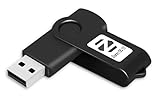
- Zorin OS 17 CORE is an alternative to Windows & macOS designed to make your computer faster, more powerful, secure, and privacy-respecting.
- Revive your old PC. Help the environment. Zorin OS works on computers as old as 15 years. Keep using your PC for longer to save money on upgrades and reduce e-waste to help the environment.
- More Speed---Your computer should work as fast as you do. Zorin OS is lightning-fast and stays that way, never slowing down over time. With apps that launch in an instant, you'll have more time to focus on what matters most – getting things done!
- Reliable---With an Ubuntu and Linux foundation, Zorin OS is built on the same Open Source software that powers government, research, and enterprise systems around the world.
- Dual Boot---You can install Zorin OS alongside Windows or macOS to keep your files and apps. You'll be able to choose which OS to use at each boot-up
Whichever option you select, the reliable sequence is the same: back up, inventory essential software, create an 8GB-or-larger test USB, boot the live session, test every critical device, and only then choose dual boot or a full replacement.
Frequently Asked Questions
What is the best Linux alternative to Windows 11 for everyday use?
Linux Mint is the safest general-purpose starting point; Zorin OS is preferable when a Windows-like layout is the priority.
Can Linux run my Windows applications?
Some may work through compatibility tools or Zorin’s optional Windows App Support, but support is application- and version-specific. Test essential programs first.
Quick wins for a faster PC:
Fix the driver behind crashes, sound loss and screen glitchesFind Drivers →Repair Windows errors before they cause bigger problemsFix Now →How can I test Linux without deleting Windows?
Write a distribution ISO to an empty 8GB-or-larger USB drive, boot it, and select the live-session option. Writing the image erases the USB drive.
Will my hardware work with Linux?
Check the exact PC, Wi-Fi, graphics, printer, Bluetooth, webcam, external display and sleep behavior in a live session. Broad distribution support does not guarantee every model.
Which Linux distribution has the longest support period here?
Linux Mint states that its LTS releases receive five years of support. Zorin OS 18.1 lists updates and security patches through 1 June 2029, while Fedora states approximately 13 months per version.
The Bottom Line
For most Windows 11 users, begin with Linux Mint. Choose Zorin OS for a Windows-like interface, Ubuntu for documentation, Fedora for newer software, or Kubuntu for KDE Plasma. Back up first, use an empty 8GB-or-larger USB drive, and test every essential application and device before replacing Windows.
Recommended Free Tools
Quick Recap
Product prices and availability are accurate as of the date/time indicated and are subject to change. Any price and availability information displayed on Amazon at the time of purchase will apply.

