
Free tools Windows power users keep installed
One-click scans. No signup required.
iTechGuides is reader-supported. When you buy through links on our site, we may earn an affiliate commission. As an Amazon Associate I earn from qualifying purchases. Learn more
Do not carry the mattress, bedding, or nearby belongings to another room. Seal anything you must move, inspect the entire sleeping area, and arrange treatment rather than relying on bites or a single cleaning step. A high-heat dryer can treat suitable textiles, while a fully zipped encasement, bed-leg interceptors, and repeated inspections help contain and monitor the problem.
Bed bugs can hide in a mattress, but also in the box spring, frame, headboard, furniture, and cracks. The Centers for Disease Control and Prevention (CDC) says bites can take up to 14 days to appear in some people, so physical evidence and, when necessary, expert identification matter more than bite marks alone.
What to do in the first 24 hours
- Stop items from traveling. Do not carry exposed bedding, clothing, luggage, or other belongings through your home. If an item must be moved, place it in a sealed bag before carrying it. Keep a written record of the date and the exact location where you found each sign.
- Notify the landlord if you rent. Report the suspected infestation promptly and ask which inspection and treatment procedure applies to your building. Housing responsibilities and notice requirements vary by location, so check the rules that apply where you live.
- Inspect the bed and its surroundings. Examine mattress seams and folds, the box spring, bed frame, headboard, nearby furniture, and cracks or gaps. Use a flashlight and look for live insects, shed skins, eggs, or rusty-colored spots. The CDC’s About Bed Bugs guidance describes these hiding places and signs.
- Bag washable and dryable textiles. Put sheets, blankets, clothing, and other removable fabrics into sealed bags before taking them to a dryer. Keep treated items sealed until the sleeping area has been addressed so they do not become re-infested.
- Use a dryer, when the item permits. The U.S. Environmental Protection Agency (EPA) says a household dryer on high heat for 30 minutes kills bed bugs and eggs in items that can withstand that heat. Washing alone might not do the job. Follow the care label and do not put heat-sensitive materials in a hot dryer.
- Arrange a broader inspection. Finding one bug on a mattress does not establish that the mattress is the only affected item. Bed bugs commonly shelter close to where people sleep, so plan to inspect and monitor the room rather than treating only the visible spot.
Keep the original bags closed while you work. Opening them to sort items in another room can spread insects before treatment begins.
How to confirm that the insect is a bed bug
Bites are not a reliable identification method. Some people show no visible reaction, and the CDC notes that bites may take up to 14 days to appear. Other insects and skin conditions can look similar. Treat a suspected infestation as unconfirmed until you find physical evidence or obtain an identification from a qualified pest professional or a local Cooperative Extension identification resource.
#1 Best Overall

- 360° Coverage Protection - Fits 54 inches by 75 inches full size mattress up to 13 inches deep, fully encasing all sides. The stretchy fabric slips on easily and stays securely in place without shifting. Refer to the installation video below for step-by-step guidance.
- Soft and Durable Fabric - The non-crinkling design keeps the full size mattress cover quiet and comfortable without feeling stiff. Made from smooth, knitted polyester, that lays flat across the mattress.
- Secure Zippered Closure - The wrap-around zipper encloses the mattress for a tight, secure fit. The mattress protector is designed to provide all-around coverage without shifting.
- 100% Waterproof Liquid Barrier - A protective waterproof layer helps block spills, sweat, drinks and everyday accidents from reaching the mattress, ideal for homes with kids or pets.
- Easy Machine Care – The full size mattress encasement is simple to maintain. Machine wash and tumble dry on low heat with your regular laundry to keep it clean. Note: Packaging may vary slightly.
| Evidence | What it can mean | What to do next |
|---|---|---|
| Live, flat or recently fed insects | A direct sign that should be identified before treatment | Do not crush or transport the item around the home; capture it in a sealed container or bag for identification. |
| Shed skins | Immature bed bugs have molted nearby | Photograph the location and continue inspecting the frame, box spring, and furniture. |
| Small eggs or eggshells | Reproduction may be occurring in a protected crevice | Leave the area undisturbed and include it in a professional inspection. |
| Rusty-colored spots | Possible fecal spots or crushed insects on fabric or wood | Record the exact location; look for additional physical signs rather than relying on a single mark. |
| Itchy bites without physical signs | Not enough to confirm bed bugs | Inspect carefully and seek identification if uncertainty remains. |
Inspect beyond the mattress
Start at the mattress seams and work outward in a methodical circle. Check the underside and handles, then examine the box spring fabric and joints, bed-frame screw holes and joints, headboard attachments, and furniture immediately beside the bed. Look into baseboard gaps, cracks, and other sheltered spaces. Bed bugs can remain close to a sleeping person even when the mattress surface appears clean.
Use a flashlight and keep a simple room diagram or dated notes. Mark each location where you see an insect, skin, egg, or spot. This record helps a landlord or pest professional determine the inspection area and gives you a way to tell whether new evidence appears during monitoring.
Make the bed an island
Containment reduces opportunities for bugs to reach other furniture while an infestation is being evaluated. The EPA’s preparation guidance recommends the following setup:
Outdated Drivers Are Slowing You Down
One free scan finds every outdated or missing driver and matches the right update for your exact hardware.Free scan · exact hardware matchWindows Errors? Fix Them Before They Spread
Repair common Windows errors and clear accumulated junk for a smoother, more stable PC - no reinstall needed.Free scan · no reinstall- Pull the bed at least six inches away from the wall.
- Keep sheets, blankets, and bed skirts from touching the floor.
- Place a bed-leg interceptor under every bed leg. Interceptors help trap or reveal movement; they are monitoring and containment tools, not a complete treatment.
- Use a durable, bed-bug-proof encasement with a fully enclosed zipper on both the mattress and the box spring. Check that each cover fits the exact dimensions and that the zipper closes completely.
- Inspect the covers for tears and leave them in place for one year. A torn or poorly closed cover can allow insects to escape or enter.
The EPA explains bed-island preparation in Preparing for Treatment Against Bed Bugs. An encasement protects the covered item and makes inspection easier, but it does not remove bugs hiding elsewhere in the room.
Rank #2

- Bed Bug Mattress Encasement Sealed on All Six Sides: The nylon zipper closure glides around three sides and tucks under a stitched guard flap, leaving no open corner or gap at the pull; sleep tight knowing nothing crawls in and nothing crawls out
- Jersey Knit Mattress Encasement, Soft and Quiet: The knitted polyester face feels more like a soft T-shirt than plastic, silky smooth and silent as you turn over; the breathable jersey fabric handles a warm wash and low tumble dry and keeps its shape
- Waterproof Mattress Cover for Spills and Night Accidents: A waterproof layer sealed beneath the knit helps keep sweat, spills, and wet nights off your mattress; ideal for kids still learning, and when a mess happens it unzips and washes like a sheet
- Dust Mite Mattress Cover and Allergen Barrier: The tight knit and sealed zipper keep dust mite allergens shut inside the mattress instead of drifting into bedding; and rest easier knowing the fabric on your skin is OEKO-TEX Standard 100 certified
- Size and Depth: This Queen mattress encasement fits a mattress measuring 60 by 80 inches and 12 inches deep, stretching up to 13; measure yours first, then slip this zippered waterproof bed bug proof cover down like a pillowcase, and zip it closed
Handle bedding, clothing, and other textiles safely
Bag before carrying
Place textiles directly into sealable bags at the bed. Close each bag before leaving the room, and do not set it on another bed or upholstered chair. After treatment, keep clean items in closed bags or containers until the infestation is under control.
Use high heat when the care label allows
For suitable items, run a household dryer on high heat for 30 minutes. This is the EPA’s procedural recommendation for items that can withstand the heat and is not a claim that a normal wash cycle alone kills all bed bugs or eggs. The EPA’s Integrated Pest Management (IPM) guidance and preparation guidance both describe the dryer step.
Separate items that cannot be dried
Do not improvise with a hot appliance, direct flame, or an unverified freezing method. Keep items that cannot tolerate dryer heat sealed and ask a pest professional what treatment is appropriate for that material. The treatment choice depends on the item and the conditions that can be safely achieved.
Quick wins for a faster PC:
Clear out junk files and repair common Windows errorsFree Scan →Scan for outdated or missing drivers - takes under a minuteDriver Scan →Repair Windows errors before they cause bigger problemsFix Now →Should you throw away the mattress?
Not automatically. The EPA recommends using a protective encasement and says furniture should be discarded only when it cannot be safely eliminated. Throwing out a mattress can spread insects through hallways, vehicles, or a neighboring home, and replacing it does not address bugs in the frame, box spring, furniture, or cracks.
Rank #3
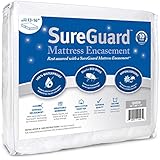
- 100% Waterproof - Six-sided premium mattress protector blocks perspiration, bed wetting, liquids and stains; 10-year quality guarantee (NOTE: For frequent accidents and easy clean-ups, place a fitted SureGuard Mattress Protector over the encasement).
- Bed Bug Proof - Super fine zipper with Invisi-Zip and SureSeal technology completely seals off the mattress from bed bugs - use with a SureGuard Box Spring Encasement
- Keeps Your Mattress Clean & Fresh - Blocks dust, dirt and dander on all sides.
- Soft & Noiseless - 100% cotton terry top; Wicks away moisture; Retains the feel of your mattress - Free from Vinyl, PVC, Phthalates, fire retardants and other toxic chemicals
- Queen (60 in x 80 in) - Fits 13 to 16 inches deep; Zippered Mattress Encasement - Machine wash and dry. Independently lab tested and GREENGUARD Gold certified.
If a mattress or box spring is damaged so that it cannot be completely covered, inspected, or treated, ask the pest professional whether disposal is necessary. If you discard it, wrap and label it according to local waste rules and damage it so another person will not take it for use. Do not leave an unmarked infested mattress where someone else can collect it.
Use an integrated treatment plan
Bed bug control usually requires several coordinated actions rather than one product or one cleaning session. The EPA’s Do-it-yourself Bed Bug Control and IPM guidance emphasizes inspection, physical controls, appropriate heat or pesticides, and repeated monitoring.
When to call a professional
Contact a pest-control company experienced with bed bugs when you find physical evidence, continue finding signs after containment, or cannot inspect and treat the room safely. Ask each candidate:
What’s actually slowing this PC down?
Pick the symptom - the matching free tool is one click away.
- How much bed bug inspection and treatment experience the technician has.
- Whether the service begins with a room-by-room inspection, including adjacent furniture and rooms.
- Which treatment method is proposed and what preparation you must complete.
- How follow-up visits and monitoring are handled.
- Whether the service is available and authorized in your locality.
CDC guidance says to contact a pest control company experienced in bed bugs when an infestation is suspected. A professional should explain what will be treated, what you must remove or bag, and how you will know whether activity has stopped.
Rank #4

- 360° Coverage Protection - Fits 39 inches by 75 inches twin size mattress up to 13 inches deep, fully encasing all sides. The stretchy fabric slips on easily and stays securely in place without shifting. Refer to the installation video below for step-by-step guidance.
- Soft and Durable Fabric - The non-crinkling design keeps the twin size mattress cover quiet and comfortable without feeling stiff. Made from smooth, knitted polyester, that lays flat across the mattress.
- Secure Zippered Closure - The wrap-around zipper encloses the mattress for a tight, secure fit. The mattress protector is designed to provide all-around coverage without shifting.
- 100% Waterproof Liquid Barrier - A protective waterproof layer helps block spills, sweat, drinks and everyday accidents from reaching the mattress, ideal for homes with kids or pets.
- Easy Machine Care – The twin size mattress encasement is simple to maintain. Machine wash and tumble dry on low heat with your regular laundry to keep it clean. Note: Packaging may vary slightly.
Monitor on a schedule
Inspect the bed, interceptors, encasements, and nearby hiding places at least every seven days while control is underway. The EPA recommends continuing checks for at least a year after control is completed. Record each inspection date and whether you found live bugs, skins, eggs, or new spots. Monitoring is necessary because eggs or hidden insects can survive an initial visit.
Independent reader supportYour contribution helps us test, update, and keep practical guides available for everyone.Heat treatment, pesticides, and dangerous shortcuts
Professional heat is not the same as turning up the thermostat
EPA guidance describes heat treatment of infested articles or areas at at least 120°F (about 49°C) for 90 minutes to ensure eggs are killed. Achieving and verifying that temperature throughout an infested space requires specialized equipment and controlled conditions. The EPA specifically warns that “Raising the indoor temperature with the thermostat or space heaters won’t do the job.” Never try to heat a room with a fireplace, space heater, or improvised equipment.
Use pesticides only as labeled
If a pesticide is used, the product label must list bed bugs, and every application, ventilation, re-entry, and quantity instruction must be followed exactly. More product does not mean better control. Read the EPA’s Safety Issues in Controlling Bed Bugs guidance before using any chemical.
Do not rely on foggers alone
Foggers and “bug bombs” may fail to reach insects hidden in seams and cracks and can create fire, explosion, or exposure hazards. They should not be the only control method. Washing alone, household freezing without verified conditions, and improvised heat have similar limitations; use a documented IPM plan instead.
Best Value

- 360° Coverage Protection - Fits 72 inches by 84 inches california king size mattress up to 15 inches deep, fully encasing all sides. The stretchy fabric slips on easily and stays securely in place without shifting. Refer to the installation video below for step-by-step guidance.
- Soft and Durable Fabric - The non-crinkling design keeps the california king size mattress cover quiet and comfortable without feeling stiff. Made from smooth, knitted polyester, that lays flat across the mattress.
- Secure Zippered Closure - The wrap-around zipper encloses the mattress for a tight, secure fit. The mattress protector is designed to provide all-around coverage without shifting.
- 100% Waterproof Liquid Barrier - A protective waterproof layer helps block spills, sweat, drinks and everyday accidents from reaching the mattress, ideal for homes with kids or pets.
- Easy Machine Care – The california king size mattress encasement is simple to maintain. Machine wash and tumble dry on low heat with your regular laundry to keep it clean. Note: Packaging may vary slightly.
Health effects and when to seek medical advice
CDC states that bed bugs are not known to spread diseases to people. Bites can itch, some people can have an allergic reaction, and scratching can lead to a secondary skin infection. Avoid diagnosing the cause of a rash from appearance alone. Seek medical advice for spreading redness, increasing pain, pus, fever, breathing difficulty, or a severe allergic reaction. Treat the infestation separately through inspection and pest control; treating skin symptoms does not remove insects from the home.
Troubleshooting common situations
You found a possible bug but cannot confirm it
Do not move the mattress or start spraying randomly. Seal the specimen or take a clear photograph, record where it was found, and request identification from a qualified professional or local Cooperative Extension resource. Continue the bed-island setup while waiting.
You find new signs after drying and encasing
Reinspect the box spring, frame, headboard, furniture, and cracks. A dryer treats the textiles placed inside it; it does not treat the room. Check that every zipper is closed, encasements have no tears, and interceptors remain correctly positioned. Arrange professional follow-up if signs continue.
Do these 3 things before closing this tab:
1Repair Windows errors before they cause bigger problems2Fix the driver behind crashes, sound loss and screen glitches3Clear out junk files and repair common Windows errorsAn encasement tears
Do not patch over an opening and assume it is secure. Keep the bed isolated, prevent the damaged cover from being carried through the home, and replace it with a durable, fully zipped cover that fits the mattress or box spring.
You cannot keep the bed six inches from the wall
Move it as far as practical, keep all bedding off the wall and floor, and use interceptors under every leg. Tell the pest professional about the room’s layout so the inspection accounts for unavoidable contact points.
Evidence appears in another room
Seal items before moving them, stop sharing furniture or bedding between rooms, and report the additional location to the landlord or pest professional. Expand the inspection rather than treating only the original mattress.
A practical checklist
- Photograph and record each sign, date, and location.
- Bag items before moving them.
- Notify the landlord if applicable.
- Inspect the mattress, box spring, frame, headboard, furniture, and cracks.
- Dry suitable textiles on high heat for 30 minutes.
- Keep treated items sealed.
- Install intact mattress and box-spring encasements.
- Move the bed six inches from the wall, keep bedding off the floor, and install interceptors.
- Arrange an experienced bed bug inspection and follow-up plan.
- Check at least every seven days during control and for at least one year afterward.
- Avoid thermostats, space heaters, fireplaces, foggers as the sole method, unlabeled pesticides, and unsafe disposal.
For source details and updates, consult the EPA pages on prevention and control tips, treatment preparation, and protecting your home, along with the CDC’s bed bug guidance.
Recommended Free Tools
Quick Recap
Product prices and availability are accurate as of the date/time indicated and are subject to change. Any price and availability information displayed on Amazon at the time of purchase will apply.

