
iTechGuides is reader-supported. When you buy through links on our site, we may earn an affiliate commission. As an Amazon Associate I earn from qualifying purchases. Learn more
A comfortable all-day shoe starts with a fit that matches your actual foot and the work you will ask it to do. Your toes need room to move, your heel should stay securely in place, and the shoe should provide suitable cushioning, weight, stability, and ventilation without creating pressure points. No single feature—or shoe category—works for every person. Comfort is an interaction between the shoe, your foot, the surface, and the hours you spend standing or walking.
Why all-day comfort is more than soft cushioning
Footwear comfort is multifactorial. A systematic review by Menz and colleagues (2021) examined 101 manuscripts and found that studies used varied populations, tasks, shoe designs, and comfort measures. Its broad conclusion was that well-fitted, lightweight shoes with soft midsoles and curved rocker soles are generally perceived as comfortable, while the effects of flexibility, the shoe’s internal microclimate, and insoles are less certain and may depend on the wearer and activity.
That evidence does not create a universal ranking of shoes. A very soft sole can feel pleasant for one person but unstable for another; a breathable upper may matter greatly in a hot workplace but less during a short indoor commute. The useful approach is to evaluate fit first, then judge construction against your daily task.
Quick wins for a faster PC:
Fix the driver behind crashes, sound loss and screen glitchesFind Drivers →Clear out junk files and repair common Windows errorsFree Scan →Scan for outdated or missing drivers - takes under a minuteDriver Scan →How should an all-day shoe fit?
Measure the foot you actually have
Nominal size is only a starting point. Brands and styles use different lasts and width proportions, and one foot can be longer or wider than the other. The American Academy of Orthopaedic Surgeons (AAOS) advises trying both shoes and conforming the shoe to your foot and activity. The Australian Podiatry Association similarly advises choosing how the shoe feels rather than relying on the number printed on the box.
#1 Best Overall

- ICONIC COMFORT: Enjoy all-day comfort with anatomical cushioning, anti-odor insole technology and arch support that uses 15% cushy plant-based BLOOM foam
- EASY, SECURE FIT: Women's lace up low top sneaker with lace-up front and padded collar to ensure a snug fit for active and everyday wear plus B+ ball girth & width in medium widths (a half girth/width more than the industry B) and D ball girth & width in wide width sizes for added comfort
- RETRO PLATFORM STYLE: Sporty and versatile water-resistant faux-leather platform sneakers with approx. 1 inch platform offer a modern boost with casual flair, perfect for travel and beyond. As seen (and loved) on TikTok.
- FEEL-GOOD FLEX: Ultra-flexible outsoles with extra grip and cushioning
- EASY CLEAN: Pre-treated with Easy Clean Repellant, a topical spray applied to the sidewall of the shoe only, to keep the sides of the shoe’s sole cleaner longer. Use water (only) on a household cloth to wipe sidewall of shoe. Individual results may vary.
Try shoes later in the day, when feet may be larger. AAOS cites swelling of up to 8% during the day as context for this timing advice. If your feet swell after a shift or a workout, try shoes after a comparable period of activity instead of judging them first thing in the morning.
Leave functional room at the toes
The longest toe should not touch the front when you stand or walk downhill. AAOS general-fit and athletic-shoe guidance uses a half-inch space between the longest toe and the shoe tip. The Australian Podiatry Association gives an approximate 1 cm gap. Treat these as practical source-specific guides, not a proven comfort threshold for every foot.
Room also has to be wide and tall enough. A square or round toe box generally gives toes more space than a pointed shape. If the forefoot feels squeezed, going up in length may make the foot slide forward without fixing the width problem. Look for a different width or shape instead.
Do these 3 things before closing this tab:
1Repair Windows errors before they cause bigger problems2Fix the driver behind crashes, sound loss and screen glitches3Clear out junk files and repair common Windows errorsKeep the heel secure without crushing it
Walk several steps with the shoe fastened as you would use it. The heel counter should hold your heel without painful rubbing, and the heel should not lift dramatically with each stride. A secure upper lets the toes move without requiring you to overtighten the laces or straps.
Rank #2

- ABZORB HEEL CUSHIONING - IMEVA midsole with ABZORB heel pad absorbs impact and provides added cushioning for all-day comfort during training and everyday wear
- SUEDE LEATHER UPPER - Quality suede upper delivers a classic, durable look with supportive structure that molds comfortably to your foot over time
- LACE-UP CLOSURE - Traditional lace-up design allows you to adjust the fit for maximum comfort and a secure feel during workouts and daily activities
- CUSHIONED FOOTBED - Lightly cushioned footbed provides an extra layer of soft comfort underfoot, keeping you supported through long days on your feet
- DURABLE OUTSOLE - Sturdy outsole construction offers reliable traction and long-lasting durability on gym floors, sidewalks, and everyday surfaces
Check both feet in the socks you will wear
Wear the same sock thickness you expect during use. Put on both shoes, stand, walk, turn, and if possible use stairs or a slight incline. Check the larger foot first, because it is the one most likely to meet the toe box or sidewall. A shoe that feels acceptable while seated may become restrictive once your weight spreads the forefoot.
What should a shoe feel like when you try it on?
- Toes: They can wiggle and are not pressed by the upper or front seam.
- Forefoot: The widest part of your foot sits over the widest part of the shoe, without pinching or spilling over the sole edge.
- Heel: It remains controlled during normal steps, with no painful counter pressure or repeated slipping.
- Upper: The material bends with your foot and has no seam or stiff edge producing a hot spot.
- Underfoot: Cushioning feels appropriate for the surface and your preference, not merely maximally soft.
- Overall: You do not need to “tolerate” a painful area in the hope that it will disappear.
The Australian Podiatry Association says shoes should feel immediately comfortable. FootCareMD gives the same practical expectation for athletic shoes: they should feel comfortable as soon as you try them. A short period of material adjustment can occur, but pain, numbness, or pressure is a fit warning—not a break-in plan.
Match shoe construction to the activity
Walking and commuting
For walking, AOFAS FootCareMD recommends a lightweight shoe with shock absorption under the heel and ball of the foot, a comfortable soft upper, and a smooth tread. It notes that a slightly rounded or rocker sole can encourage the foot’s natural roll. These are selection considerations, not guarantees of comfort, injury prevention, or suitability for every walking surface.
Standing for long periods
When your day is mostly stationary, prioritize a pressure-free fit, a heel that stays aligned, and cushioning that does not make you feel unstable. Compare how the shoe feels after standing for several minutes, not only during a quick lap of a store. The required tread, toe protection, and slip resistance may be determined by your workplace, so a casual walking shoe is not automatically the right work shoe.
Rank #3
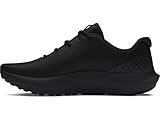
- Breathable mesh upper with synthetic overlays for added structure & support
- Enhanced cushioning around ankle collar for superior comfort
- Deluxe Comfort System sockliner molds to your foot for ultimate step-in comfort
- Charged Cushioning midsole provides all day comfort with responsiveness & durability
- Durable rubber outsole provides traction & durability with flexibility where you need it for toe-off
Mixed surfaces or active jobs
Match the outsole and upper to the surfaces and hazards you encounter. Smooth tread can be comfortable for ordinary walking, while a job involving wet, uneven, or abrasive surfaces may require a different tread and construction. A shoe designed for one sport or surface may not be comfortable for another because its stiffness, traction, and geometry change how your foot moves.
Hot or humid conditions
Breathability and the shoe’s internal microclimate can affect comfort, but the review evidence is less clear than the evidence for basic fit. Consider a soft, non-irritating upper and socks that manage moisture, while checking that ventilation does not come at the cost of seams, pressure, or inadequate support.
Which design features matter most?
| Feature | What to look for | What the evidence does—and does not—establish |
|---|---|---|
| Fit and shape | Roomy enough toe box, correct width, secure heel, upper that follows your foot | Consistently central to professional fitting guidance; comfort still varies by person and task. |
| Cushioning | Shock absorption where you need it, especially heel and forefoot for walking | Soft midsoles are generally perceived as comfortable in the review, but more softness is not universally better. |
| Weight | Light enough for your walking and standing demands | Lightweight shoes were generally perceived as comfortable in the review; no universal weight cutoff was established. |
| Sole geometry | Possibly a gently rounded or rocker profile for walking | Curved rocker soles were generally perceived as comfortable; this does not prove suitability for every person or surface. |
| Flexibility | Flex where your foot and activity require it, without unwanted bending or instability | The review found flexibility effects less clear and context-dependent. |
| Upper and microclimate | Soft contact surfaces, no abrasive seams, adequate ventilation | Microclimate effects remain less clear than fit effects. |
| Insole compatibility | Removable insole and enough internal volume for your insert | Insole effects on comfort are less clear and may alter the fit substantially. |
A practical fitting procedure
- Choose the right time. Try shoes late in the day, or after the activity that normally makes your feet largest.
- Bring your real socks. Use the thickness you will wear at work, while travelling, or during exercise.
- Try both shoes. Fasten them normally and stand before assessing length, width, and pressure.
- Check toe clearance. Confirm that the longest toe does not touch the end and that you can wiggle all toes. Use the AAOS half-inch guide or the Australian Podiatry Association’s approximate 1 cm guide as a reference, not a guarantee.
- Walk and turn. Notice heel movement, forefoot squeeze, rubbing seams, and whether your foot slides forward.
- Test the intended surface if possible. A smooth indoor floor cannot reveal how the outsole behaves on your normal route or workplace.
- Compare width before length. If the sides pinch, try a wider shape rather than simply adding length.
- Recheck after several minutes. Pressure that appears only after standing is still a fit problem.
How to compare two otherwise suitable shoes
Once both candidates pass the basic fit test, compare them on the factors that match your day:
Free tools Windows power users keep installed
One-click scans. No signup required.
- Toe-box shape and width: Which lets your toes spread without allowing the foot to slide?
- Heel security: Which holds the heel with less tightening?
- Cushioning location and feel: Is shock absorption under the heel and ball of the foot where you need it?
- Weight: Does either shoe feel tiring after repeated steps?
- Sole geometry: Does a rounded or rocker profile help your walking pattern, or feel unstable?
- Upper comfort and breathability: Are contact surfaces smooth and suitable for your climate?
- Task requirements: Does the tread, protection, and construction fit your work, sport, or commute?
- Insert space: Can the shoe accept your own insole or orthotic without raising your foot into the upper?
This comparison prevents a common mistake: choosing the softest or most heavily cushioned shoe even when its shape, heel hold, or task-specific construction is wrong.
Rank #4

- Exceptional Cushioning: These women’s walking shoes are well-cushioned. The thick EVA midsole provides a cloud-like feel, absorbing shock and reducing impact on joints, making these women’s sports shoes ideal for daily walks and workouts.
- Breathable & Lightweight: No more sweaty feet and discomfort after long walks. The mesh upper of these women’s running shoes allows for great airflow, keeping feet cool and dry even during intense activities.
- Confident & Stable: Designed for walking and running, these women’s workout shoes feature a slip-resistant rubber outsole that enhances traction and grip on wet pavements and gym floors.
- Stylish & Protective: These women’s gym shoes are comfortable for everyday wear but also perform well for training. The added 3M reflective strip on the upper enhances visibility during nighttime walks.
- For Everyday Activities: The minimalist design makes these women’s athletic sneakers easy to pair with workout clothes and casual outfits. Whether for walking, jogging, running errands, or gym workouts, these women’s trainers keep your feet feeling fresh and supported.
When an insole or orthotic makes sense
An insert can change pressure distribution and fit, but it is not an automatic comfort upgrade. AAOS notes that a removable insole allows replacement with a cushioned insole or orthotic. Before using one, remove the existing insole if intended, check that it is actually removable, and confirm that the shoe still has enough height and width for your foot.
Try the complete combination—shoe, insert, and usual socks—before committing. An insert that raises the heel or crowds the toes can create new pressure even when the shoe alone felt fine. The 2021 systematic review found the overall influence of insoles on comfort less clear and dependent on context. If an orthotic has been prescribed for a specific condition, follow the clinician’s fitting instructions rather than substituting a generic insert.
Signs the shoe is not working
- Persistent rubbing, blisters, burning, numbness, or tingling.
- Toes hitting the front or pressing against one another.
- Heel slipping that forces you to over-tighten the upper.
- Forefoot pain that appears only after standing or walking for a while.
- New discomfort after adding an insole or changing socks.
- Instability caused by cushioning or a rocker shape that does not suit your gait.
Stop treating these symptoms as a normal break-in phase. Recheck length, width, fastening, socks, and the activity match. If pain persists despite an appropriate fit, or if you have a known foot condition, swelling, deformity, diabetes-related concerns, or repeated skin injury, seek individualized evaluation from a qualified health professional. Professional guidance is more appropriate than trying to solve persistent pain by adding cushioning alone.
The bottom line on all-day shoe comfort
Start with the actual foot: try both shoes late in the day, in your normal socks, with enough toe room and a heel that stays put. Then select cushioning, weight, sole geometry, upper materials, and tread for the hours and surfaces you will use. The best all-day shoe is not the one with the most foam or the highest nominal size; it is the one that remains pressure-free, secure, and appropriate for your task from the first fitting through the end of the day.
Quick Recap
Product prices and availability are accurate as of the date/time indicated and are subject to change. Any price and availability information displayed on Amazon at the time of purchase will apply.

