
iTechGuides is reader-supported. When you buy through links on our site, we may earn an affiliate commission. As an Amazon Associate I earn from qualifying purchases. Learn more
Used, cooled coffee grounds can serve as a quick pre-wash scrub for greasy cast-iron and stainless-steel pans. Dampen a small handful into a paste, rub gently with a wet sponge or cloth, rinse thoroughly, and then wash with dish detergent. Keep the grounds off non-stick and enameled cookware, and never send them down the sink.
Why used coffee grounds can cut through pan residue
Coffee grounds are a food-safe, non-toxic mild abrasive. Their coarse particles provide mechanical scrubbing that helps lift stuck-on food and greasy residue before detergent does the final cleaning. Scott Schrader of CottageCare, quoted by Homes & Gardens in an article published June 28, 2025, said, “Coffee grounds work the best for cleaning cast iron and stainless-steel pans; the coarse texture of the grounds works to lift off stuck-on food and residue with minimal chemicals.”
This is a pre-wash step, not a replacement for washing. Grounds can loosen the film that makes a pan difficult to clean, while dish soap and hot water remove the remaining oil and particles.
PC Slower Than It Used to Be?
A free scan shows the junk files, broken settings and background clutter dragging Windows down - then fixes them in one click.Free scan · Windows 10 & 11Crashes, No Sound, or Screen Glitches?
Random freezes, missing sound and display glitches usually trace back to one bad driver. Find and replace yours safely.Free scan · under a minuteHow to use coffee grounds on a suitable pan
- Choose a compatible pan. Use the method only on cast iron or stainless steel. Make sure the pan has cooled enough to handle safely.
- Collect fresh used grounds. Take a small handful soon after brewing and cooling. Do not use grounds that have been sitting wet overnight.
- Make a paste. Add a little water until the grounds are damp and spreadable, not runny.
- Scrub gently. Apply the paste with a damp sponge or cloth, using light pressure over greasy or food-stuck areas. A reusable Swedish dish cloth can work as the wiping cloth for this step.
- Rinse completely. Remove every visible particle from the pan, then wash normally with dish detergent and water.
- Dispose of the grounds correctly. Scrape them into the trash or compost. Do not rinse them into a drain.
Which cookware should—and should not—get this treatment?
| Cookware | Use grounds? | Reason |
|---|---|---|
| Cast iron | Yes, gently | The coarse texture can lift residue with minimal chemicals. Dry the pan after washing and maintain its seasoning as usual. |
| Stainless steel | Yes, gently | Its hard surface is suitable for mild abrasive scrubbing. |
| Non-stick | No | Particles can be too abrasive and may scratch or gradually damage the coating. |
| Enameled cookware | No | The grounds may scratch the enamel or leave tiny particles that become a long-term cleaning problem. |
“Gently” matters even on cast iron and stainless steel. Coffee grounds are milder than many scouring products, but pressing hard or scrubbing aggressively can still create unnecessary wear, especially on polished stainless steel.
#1 Best Overall

- Dunkin' Original Blend Ground Coffee: Contains one (1) 30 oz canister of Dunkin' Original Blend Medium Roast Ground Coffee
- Rich, smooth flavor: Medium roast coffee delivers the easy-drinking taste and smooth flavor Dunkin' coffee fans know and enjoy every day
- Made with Arabica beans: Crafted with Arabica coffee beans for a rich, satisfying brew
- Brew it your way: Great for brewing by the cup or pot and enjoying hot or iced with your favorite creamers and sweeteners
- Stay-fresh canister: Convenient resealable coffee canister helps preserve freshness and keeps ground coffee ready whenever you need it
Never put coffee grounds or grease down the sink
Used grounds do not dissolve. Once wet, they can clump like damp sand and combine with grease inside a pipe, increasing the risk of a blockage. The American Cleaning Institute also advises never pouring grease down a drain because it can cause clogs. Wipe or scrape the spent grounds and loosened grease into the trash or compost instead.
Wet grounds are perishable. They can support bacterial growth and develop mold, so use them shortly after brewing and cooling. Do not prepare the paste at night and leave it on the counter until morning.
Rank #2
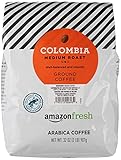
- Balanced, full-bodied medium roast with a smooth finish
- One 32-ounce bag of ground coffee
- 100% Arabica coffee grown in Colombia
- Roasted and packed in the U.S.A.
- Shown as a serving suggestion
When conventional cleaning is the better choice
Coffee grounds are most useful for a fresh greasy film or light-to-moderate stuck residue on cast iron or stainless steel. They are not the best answer for every mess, and they are unsuitable for coated surfaces.
Start with scraping
The American Cleaning Institute’s hand-washing guidance, updated March 31, 2026, recommends scraping cookware first with a rubber spatula or paper towel. This removes excess oil and food without spreading it through the wash water.
Rank #3

- PREMIUM GROUND COFFEE—Starbucks delivers exceptional coffee cup after cup with this 18-ounce bag of Italian Roast dark roast ground coffee
- STARBUCKS ITALIAN ROAST COFFEE—A dark roast with notes of dark cocoa and toasted marshmallow that leads to a depth of flavor
- FRESH TASTE—Starbucks adheres to the highest quality standards—shipping you the same carefully roasted 100% arabica coffee beans we brew in our cafés
- MAKE IT YOUR OWN—An everyday cup no matter how you brew it, Starbucks coffee is carefully ground to be ideal for a variety of brewing methods, including drip brewer, coffee press, pour-over and moka pot
- ETHICALLY SOURCED—Starbucks is committed to 100% ethical coffee sourcing in partnership with Conservation International
Soak stuck-on food
For residue that does not lift with scraping, soak the pan in hot water with dish detergent or baking soda for 15 to 30 minutes, then wash. The soak softens the deposit so less scrubbing is needed.
Treat burned-on residue separately
For burned-on food, ACI advises a mild abrasive such as baking soda or a plastic mesh pad, followed by another soak if necessary. This approach is preferable to experimenting with coffee grounds on a surface that may scratch.
Rank #4
- Balanced, full-bodied medium roast with a smooth finish
- One 12-ounce bag of ground coffee
- 100% Arabica coffee grown in Colombia
- Roasted and packed in the U.S.A.
- Shown as a serving suggestion
Coffee grounds versus common pre-wash options
| Method | Cookware compatibility | Abrasive strength | Drain safety | Waste and product needs | Best use |
|---|---|---|---|---|---|
| Used coffee grounds | Cast iron and stainless steel only | Mild, coarse scrub | Unsafe; discard in trash or compost | Reuses a household by-product; no purchased cleaner required | Fresh grease and light stuck residue |
| Rubber spatula or paper towel | Most cookware, when used carefully | Minimal | Safe when waste is binned | Creates paper or food waste; no special cleaner required | Removing excess grease before washing |
| Hot-water detergent or baking-soda soak | Use according to the cookware maker’s care guidance | Low during soaking | Keep grease and solids out of the drain | Uses detergent or baking soda; produces wash water | Stuck-on food that needs softening |
| Baking soda or plastic mesh pad | Appropriate for compatible hard surfaces; avoid scratching coatings | Mild abrasive | Dispose of loosened solids in the trash | Requires a cleaning product or pad | Burned-on residue |
Practical decision guide
- Greasy cast iron or stainless steel: scrape excess first, then try the damp-ground paste and finish with a normal wash.
- Non-stick or enamel: skip the grounds; use the manufacturer’s care method, gentle scraping, and a detergent soak when appropriate.
- Heavy baked-on or burned food: use the 15-to-30-minute hot-water soak, then a compatible mild abrasive or plastic mesh pad.
- Any cleanup involving loose grounds or grease: keep solids out of the sink and dispose of them in the trash or compost.
No controlled percentage, laboratory result, or other measured performance statistic has been established for this coffee-ground method in the cited sources, so treat it as a low-chemical household technique rather than a guaranteed substitute for soaking or detergent.
What’s actually slowing this PC down?
Pick the symptom - the matching free tool is one click away.
Quick Recap
Product prices and availability are accurate as of the date/time indicated and are subject to change. Any price and availability information displayed on Amazon at the time of purchase will apply.

