
iTechGuides is reader-supported. When you buy through links on our site, we may earn an affiliate commission. As an Amazon Associate I earn from qualifying purchases. Learn more
Choose a robot vacuum if your priority is scheduled, hands-free maintenance of open, accessible floors. Choose a cordless stick vacuum if you need immediate control, stairs, upholstery, or one machine that can follow you anywhere. Neither category is universally better. The practical choice is between routine automation and direct, versatile cleaning.
A robot can keep floors on a repeatable schedule with little daily effort, but it is principally a floor-cleaning appliance. A cordless stick requires you to operate it, yet you can aim it at a fresh spill, carry it upstairs, clean furniture, and reach places a floor robot cannot. These are category-level differences; individual models vary in navigation, attachments, battery behavior, filtration, and maintenance.
The decision in one sentence
Buy a robot vacuum when your recurring problem is keeping relatively clear floors tidy without having to run a machine yourself. Buy a cordless stick vacuum when your recurring problem is varied, immediate, or above-floor cleaning and you are willing to provide the labor.
Free tools Windows power users keep installed
One-click scans. No signup required.
The two appliances can complement each other, but owning both is optional. A robot can take care of routine floor passes while a stick handles stairs, upholstery, corners, and messes that cannot wait for a scheduled run. DJI presents that complementary role in its 2026 comparison, but it is manufacturer guidance rather than an independent test result.
#1 Best Overall

- 【2-in-1 Mopping and Vacuuming】 The ROPVACNIC Robot S1 integrates advanced electronically controlled mopping technology, significantly enhancing both cleaning efficiency and effectiveness, which makes your floors remain free from footprints, dirt, and dust throughout the day. It features an upgraded high-capacity water tank with a four-stage personalized water adjustment system, enabling it to address various stains across different settings according to user requirements.
- 【Comprehensive Intelligent Control】 Multiple Cleaning Modes, combined with personalized settings, allow you to easily accomplish various household cleaning tasks with zero effort from your smartphone. Moreover, by voice commands, you can start your cleaning while kicking back and relaxing (compatible with Alexa or Google Assistant). Enjoy an utterly hands-free cleaning experience.
- 【5200Pa Powerful Suction】A 3-point cleaning system coupled with strong suction ensures your floors are free from all dirt, dust, and crumbs for a thorough, superior clean. The highly passable compact design combined with 3-level suction facilitates cleaning in hard-to-reach areas where you can't, making it suitable for a wide range of surfaces from wood, and hard floors to low pile carpets.
- 【Smarter High Automation & Self-Recharge】 The robot aspiradora is equipped with an advanced high-coverage sensing system and multiple algorithmic data points, enabling autonomous completion of cleaning tasks—from scheduled starting, detecting obstacles, adjusting direction, and switching modes, to automatically returning to recharge. This hassle-free operation ensures a clean home when you return.
- 【Engineered for Pet Owner】 The exclusive no-entanglement design negates the need for your dirty hands to clean up tangled dog or cat hair, unlike traditional roller brushes. Its dual rotating electric side brushes sweep and collect hidden pet hair more efficiently throughout the house, saving you the hassle.
What actually differs between the categories?
Who does the work
A robot travels and cleans according to its programmed routine. Once it has been positioned, charged, and given a navigable space, it can perform recurring floor maintenance with little intervention. The trade-off is that you surrender immediate control: a robot must be retrieved, positioned, and started when you want an unscheduled cleanup, and its usefulness depends on whether it can move through the room reliably.
A cordless stick is operated by hand. You decide when to start, where to go, how long to stay on a spill, and which attachment to use. That direct control is valuable for a visible mess, a single room, or a job that does not follow a schedule. It also means every cleaning pass requires your time and physical effort.
Where each machine can clean
Robot vacuums are principally floor-cleaning devices. LG’s home-vacuum guide says a robot is useful for daily upkeep but does not replace a full vacuum for corners, upholstery, or stairs. A stick’s handheld form is more adaptable for those surfaces, especially when the model includes suitable tools.
Quick wins for a faster PC:
Repair Windows errors before they cause bigger problemsFix Now →Scan for outdated or missing drivers - takes under a minuteDriver Scan →A robot may keep an accessible floor presentable while leaving the rest of the home untouched. A stick can move from floor to stair tread to sofa, but only as far as its battery, bin, hose path, and attachments allow.
How coverage is determined
With a robot, coverage is a navigation problem as much as a suction problem. Consumer Reports identifies both cleaning performance and navigation as important considerations. Mapping, sensors, obstacle handling, room layout, and the amount of open floor determine whether the robot reaches the places you expect.
With a stick, coverage is a user-directed decision. You see the area, steer the floor head, and decide whether to make another pass. The machine does not need to map the home, but you must supply the route and notice what has been missed.
Robot vacuum versus cordless stick vacuum at a glance
| Reader priority | Robot vacuum | Cordless stick vacuum |
|---|---|---|
| Routine floor maintenance | Strong fit when rooms are accessible and scheduling is useful | Works, but requires the user to run it each time |
| Immediate spot cleaning | Must be retrieved, positioned, and started; suitability depends on model | Strong fit because the user can target a mess directly |
| Stairs and upholstery | Poor category fit for above-floor work | More adaptable, particularly with suitable attachments |
| Navigation and coverage | Depends on mapping, sensors, obstacles, room layout, and model | User directs the machine and chooses where to clean |
| Runtime and recharging | Depends on the model and its dock | Battery runtime varies by model and suction mode |
| Maintenance | Empty the bin and maintain filters, brushes, and sensors as applicable | Empty the bin and maintain the filter and floor head; replace parts as the model requires |
| Cost and value | Compare purchase cost and any dock consumables with the manual effort saved | Compare price, batteries, attachments, and whether runtime covers the intended job |
When a robot vacuum is the better choice
Your main goal is automatic daily upkeep
If dust and crumbs accumulate on open floors faster than you want to deal with them, scheduled runs are the robot’s strongest use case. The value is not that it replaces every other cleaning tool; it is that routine floor passes can happen without you holding a handle.
Your rooms are accessible to the machine
A robot is a better fit when it can travel through the areas you want cleaned. Open routes, manageable thresholds, and limited clutter make navigation more dependable. If furniture, cables, toys, or other obstacles regularly block the floor, the robot may spend effort avoiding or failing to reach those areas rather than cleaning them.
You can accept model-dependent navigation
Do not infer real-world coverage from a headline suction specification. Check how the particular model maps rooms, handles obstacles, and responds to the layout of your home. Consumer Reports’ guidance makes navigation a buying criterion alongside cleaning performance.
You are comfortable with floor-only limitations
A robot will not be your practical tool for stairs, upholstery, or many corners. If those jobs are occasional and you already have another appliance, that limitation may be acceptable. If you want one vacuum for every surface, a robot alone is a poor category match.
Rank #2

- 1. Compact and Quiet Operation: With a slim 2.85" profile, the eufy robot vacuum operates quietly, offering a comprehensive clean without causing a disturbance, making it perfect for use at any hour.
- 2. Extended Cleaning Performance: Capable of running up to 100 minutes on hardwood floors, the eufy vacuum robot provides powerful, consistent suction for a thorough clean at a noise level similar to a microwave.
- 3. Adaptive Suction Power for Different Surfaces: BoostIQ Technology adjusts suction within 1.5s for optimal cleaning on any surface.
- 4. Superior Protection and Efficiency: The eufy robot vacuum comes with an anti-scratch tempered glass-top cover, infrared-sensor for evading obstacles, and drop-sensing tech, ensuring a safe, efficient clean while self-recharging to stay ready.
- 5. Note: The 11s Max does not support WiFi or app connectivity; all operations are performed using the remote control and the buttons on the device.
When a cordless stick vacuum is the better choice
You need to clean a mess immediately
A stick vacuum is ready when you are. Pick it up, carry it to the spill, and direct the floor head or attachment exactly where it is needed. There is no need to wait for a schedule or persuade a robot to reach a particular spot.
Recommended Free Tools
Your home includes stairs, furniture, or tight areas
The handheld form makes a stick more adaptable for stair treads, upholstery, corners, and above-floor surfaces, provided the model has appropriate attachments. This versatility is the clearest reason to prefer a stick even when a robot could maintain the main floor.
You want one appliance under your control
A stick lets you choose the order of rooms, concentrate on high-traffic areas, and stop when the job is done. That is useful in a small home, during a quick cleanup before guests arrive, or whenever a scheduled robot pass would be too slow or too broad.
You can work within battery limits
Battery capacity is not a single category-wide number. Bissell’s 2024 Ultimate Vacuum Buying Guide says its cordless stick vacuums typically run for 30–50 minutes. Dreame advertises up to 90 minutes for some Z-series cordless stick models. Those figures are manufacturer statements, not a controlled cross-brand comparison; actual runtime depends on the model, selected power mode, floor head, attachments, and battery condition.
Do you need both?
Ask what remains difficult after choosing one appliance. If a robot would remove the repetitive floor work but leave stairs and furniture untouched, a stick can fill that gap. If you already own a powerful stick and your floors are easy to cover manually, a robot is useful only if the time saved by automation justifies another appliance, its maintenance, and any dock-related consumables.
The Tool Desk
Outbyte Driver Updater FREEFix the driver behind crashes, sound loss and screen glitchesFind Drivers →Outbyte PC Repair FREERepair Windows errors before they cause bigger problemsFix Now →The strongest case for owning both is a division of labor:
- Use the robot for recurring passes on accessible floors.
- Use the stick for spills, stairs, upholstery, corners, and areas the robot cannot reach.
- Use whichever machine is appropriate for a particular mess instead of expecting one category to do every job.
That arrangement is a convenience choice, not a requirement. DJI’s recommendation to combine the two reflects a manufacturer’s perspective; it does not establish that every household benefits financially or operationally.
How to judge a robot for your home
Map the route, not just the room
Before buying, look at the actual path from the dock through the rooms you want maintained. Identify narrow passages, furniture legs, transitions between floor areas, and places where objects are often left on the floor. A model’s mapping and obstacle handling determine whether a scheduled run is dependable in that environment.
Separate navigation promises from cleaning evidence
Navigation and pickup are different questions. A robot can cover an impressive map yet leave debris behind, or clean strongly where it can reach but fail to reach enough of the room. For a named model, seek independent testing that reports both cleaning performance and navigation rather than relying on a single suction claim.
What’s actually slowing this PC down?
Pick the symptom - the matching free tool is one click away.
Plan for inaccessible surfaces
List the areas a robot will never address: stairs, sofa cushions, shelves, and some edges or corners. Decide whether another vacuum already covers them. If not, the robot should not be treated as your only vacuum simply because it handles the main floor.
Rank #3
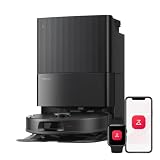
- 𝗔𝗹𝗹-𝗶𝗻-𝗢𝗻𝗲 𝗗𝗼𝗰𝗸 𝗳𝗼𝗿 𝗛𝗮𝗻𝗱𝘀-𝗙𝗿𝗲𝗲 𝗖𝗹𝗲𝗮𝗻𝗶𝗻𝗴 - The upgraded dock automatically empties dust into a sealed 2.7L bag that lasts 7–9 weeks, while 167℉ high-temperature self-cleaning helps refresh the mops after each use and 113℉ warm air drying keeps them ready for the next clean, making everyday floor care effortless for busy and pet-friendly homes
- 𝟭𝟴,𝟱𝟬𝟬 𝗣𝗮 𝗣𝗼𝘄𝗲𝗿𝗳𝘂𝗹 𝗦𝘂𝗰𝘁𝗶𝗼𝗻 - Engineered for strong everyday cleaning performance, the robot delivers powerful suction to effortlessly lift dust, crumbs, cat litter, stubborn debris, and pet hair from hard floors, carpets, and corners, helping keep every room fresh and spotless with less effort
- 𝗔𝗻𝘁𝗶-𝗧𝗮𝗻𝗴𝗹𝗲 𝗦𝘆𝘀𝘁𝗲𝗺 𝗳𝗼𝗿 𝗣𝗲𝘁 𝗛𝗼𝗺𝗲𝘀 - Built for homes with pets and long hair, the zero-tangle side brush, all rubber main brush, and easy-to-clean omnidirectional wheel help reduce hair wrap and simplify maintenance, making daily cleanup easier and less time-consuming
- 𝗦𝗺𝗮𝗿𝘁 𝗠𝗼𝗽𝗽𝗶𝗻𝗴 𝗳𝗼𝗿 𝗗𝗮𝗶𝗹𝘆 𝗦𝘁𝗮𝗶𝗻𝘀 - From kitchen splashes and cereal crumbs to pet paw prints and everyday footprints, the advanced dual mop system tackles daily messes with ease while adjusting water flow for cleaner, fresher floors throughout your home
- 𝗢𝗯𝘀𝘁𝗮𝗰𝗹𝗲 𝗔𝘃𝗼𝗶𝗱𝗮𝗻𝗰𝗲 & 𝟯.𝟴 𝗶𝗻 𝗟𝗼𝘄-𝗣𝗿𝗼𝗳𝗶𝗹𝗲 𝗖𝗹𝗲𝗮𝗻𝗶𝗻𝗴 - Powered by smart obstacle detection, the robot precisely avoids shoes, toys, and furniture legs while gliding smoothly under beds and sofas to clean hidden dust in low-clearance spaces for more complete coverage
How to judge a cordless stick for your home
Match runtime to the job
Estimate the longest continuous session you expect, then examine runtime in the power mode and configuration you would actually use. A manufacturer’s maximum can represent a lower-power setting, while higher suction or a motorized head can reduce usable time. The 30–50-minute range cited by Bissell and the up-to-90-minute claim for some Dreame Z-series models illustrate why one figure cannot represent every cordless stick.
Check the complete tool set
For stairs and upholstery, the useful question is not merely whether a product is called a stick vacuum. Check which attachments are included and whether the handheld configuration is practical for the surfaces you clean. Replacement-part compatibility matters as well: filters, brush rolls, batteries, and other wear items are model-specific.
Consider handling and storage
A stick’s advantage is immediate access, so storage should keep it easy to grab. Also account for the weight and balance of the handheld unit, the reach to high surfaces, and whether the floor head can maneuver around the furniture you actually own. These are selection checks rather than universal performance claims; inspect the particular model.
Runtime, charging, and interruptions
Robot and stick runtime should not be compared as if they describe the same experience. A robot’s practical coverage depends on its model, dock, navigation decisions, and whether it can resume or recharge as designed. A stick’s practical coverage depends on the battery’s charge, the selected mode, and how continuously you operate it.
For a robot, ask whether the dock can remain in a sensible location and whether the machine can reach it from the rooms you want cleaned. For a stick, ask whether one charge covers your normal session and what happens when it does not. A spare or replaceable battery may change the workflow, but compatibility and availability must be verified for the exact model.
Maintenance is part of the ownership decision
Both categories need regular attention. Bissell and DJI identify filters and bins as routine maintenance points; robot-specific care can also include brushes and sensors. A neglected filter, blocked brush, or full bin can reduce the machine’s usefulness regardless of its advertised capability.
| Maintenance area | Robot vacuum | Cordless stick vacuum |
|---|---|---|
| Debris bin | Empty it as required by the model and amount collected | Empty it as required by the model and amount collected |
| Filters | Clean or replace according to the model’s instructions | Clean or replace according to the model’s instructions |
| Brush or floor head | Inspect and clear hair or debris from the brush system | Inspect and clear hair or debris from the floor head |
| Sensors | Keep navigation sensors clean when the model requires it | Sensor maintenance is less central to the category |
| Replacement parts | Confirm compatibility before buying filters, brushes, or dock consumables | Confirm compatibility before buying filters, batteries, or attachments |
Follow the exact maintenance instructions for the model. Do not assume that a part from another machine will fit, even when the product names look similar.
Cost and value without a misleading price comparison
Current prices, availability, and model lineups are not established consistently enough here for a meaningful price table. Compare value in terms of the job you are buying the appliance to perform.
- Robot value: weigh the purchase price, any dock consumables, ongoing replacement parts, and the amount of manual floor work the schedule removes.
- Stick value: weigh the purchase price, battery arrangements, included attachments, replacement filters, and whether one charge covers the intended session.
- Two-vacuum value: add the cost and storage of the second appliance only when automation and above-floor versatility solve separate problems in your home.
A cheaper machine that cannot navigate your rooms or finish your normal cleaning session may provide less practical value than a costlier model that fits those requirements. Conversely, paying for automation makes little sense if you already clean a small, uncluttered floor quickly with a stick.
Independent reader supportYour contribution helps us test, update, and keep practical guides available for everyone.A practical decision process
- List the surfaces you need to clean. Mark open floors, stairs, upholstery, corners, and other above-floor areas separately.
- Identify the recurring burden. If the burden is repeated floor upkeep, favor a robot. If it is immediate messes or varied surfaces, favor a stick.
- Test the home’s accessibility on paper. For a robot, trace routes around furniture and common obstacles. For a stick, estimate the longest session and the attachments required.
- Verify model-specific evidence. Check independent reports for cleaning performance and navigation when assessing a named robot. Check runtime conditions, included tools, and replacement-part compatibility for a named stick.
- Decide whether a second appliance solves a real gap. Add both only when automated floor upkeep and versatile above-floor cleaning are genuinely separate needs.
Common scenarios
Open-plan home with mostly clear floors
A robot is usually the better starting point when the priority is repeatable floor maintenance and the layout gives it reliable routes. Keep another method available for stairs, furniture, and corners.
Rank #4

- 𝗨𝗹𝘁𝗿𝗮-𝗣𝗼𝘄𝗲𝗿𝗳𝘂𝗹 𝗗𝗲𝗲𝗽 𝗦𝘂𝗰𝘁𝗶𝗼𝗻: HyperForce 8,000 Pa lifts dust, hair, and debris from floor cracks and deep within carpets — for spotless floors, every time
- 𝗗𝘂𝗮𝗹 𝗔𝗻𝘁𝗶-𝗧𝗮𝗻𝗴𝗹𝗲 𝗕𝗿𝘂𝘀𝗵𝗲𝘀: A specially designed main brush and zero-tangle side brush prevent hair wrap, ensuring smooth cleaning and minimal maintenance, perfect for homes with pets.
- 𝗣𝗿𝗲𝗰𝗶𝘀𝗶𝗼𝗻 𝗟𝗶𝗗𝗔𝗥 𝗡𝗮𝘃𝗶𝗴𝗮𝘁𝗶𝗼𝗻: 360° laser mapping scans your home in real time, plans the most efficient route, and saves multiple floor maps for easy navigation
- 𝗩𝗮𝗰𝘂𝘂𝗺 & 𝗠𝗼𝗽 𝗶𝗻 𝗢𝗻𝗲 𝗚𝗼: The 270 ml water tank lets you vacuum and mop at the same time. With three water levels and a removable mop pad, it tackles everything from fine dust to dried-on stains. Reminder: The water tank and dustbin are designed as a single integrated combo part
- 𝗥𝗼𝗯𝗼𝗿𝗼𝗰𝗸 𝗔𝗣𝗣 & 𝗩𝗼𝗶𝗰𝗲 𝗖𝗼𝗻𝘁𝗿𝗼𝗹: Take full control of your robot with the Roborock app. Adjust suction levels, schedule cleaning for specific times or rooms, set up No-Go Zones to avoid specific areas, and enable child lock for the safety of children and pets. For ultimate hands-free convenience, use voice commands via Alexa or Google Home to start, stop, pause, resume cleaning, or send your robot back to the dock effortlessly
Home with multiple staircases
A cordless stick is the more adaptable primary vacuum because it can be carried and used on stair treads and adjacent surfaces. A robot may still maintain individual floors, but it does not remove the stair work.
Frequent spills and short cleanups
A stick wins on responsiveness. You can target the mess without waiting for a scheduled run or repositioning a robot.
Small, uncluttered apartment
Either category can work. Choose the robot if avoiding repeated manual passes is valuable; choose the stick if the entire home can be cleaned quickly and you want one flexible appliance.
Cluttered rooms or frequently changing layouts
Favor the stick unless a particular robot has navigation and obstacle handling suited to those conditions. A robot’s category advantage depends on being able to reach the floor consistently.
Pitfalls that lead to disappointment
Buying on suction numbers alone
Headline suction does not establish how well a robot will navigate, cover a room, or clean a particular floor. Consumer Reports’ guidance supports evaluating navigation and cleaning performance together.
Do these 3 things before closing this tab:
1Clear out junk files and repair common Windows errors2Fix the driver behind crashes, sound loss and screen glitches3Repair Windows errors before they cause bigger problemsExpecting a robot to replace every vacuum task
Robots are a poor category fit for stairs and upholstery and may not handle every corner. Keep the scope of the purchase to accessible floor maintenance unless the particular product documentation proves otherwise.
Treating maximum runtime as normal runtime
“Up to” figures and typical ranges describe different conditions. Compare the power mode and configuration behind the number, not just the number itself.
Ignoring maintenance and parts
Bins, filters, brushes, sensors, batteries, and dock consumables all affect ownership. Confirm what must be cleaned or replaced and whether compatible parts are available for the exact model.
Assuming a two-vacuum setup is mandatory
Both appliances can divide the work effectively, but the second machine is worthwhile only when it solves a problem the first cannot.
Outdated Drivers Are Slowing You Down
One free scan finds every outdated or missing driver and matches the right update for your exact hardware.Free scan · exact hardware matchWindows Errors? Fix Them Before They Spread
Repair common Windows errors and clear accumulated junk for a smoother, more stable PC - no reinstall needed.Free scan · no reinstallWhat evidence can—and cannot—tell you
The category conclusions here come from manufacturer guidance from DJI, Bissell, Dreame, and LG, plus Consumer Reports’ buying advice. They establish useful role distinctions and selection criteria, not a universal winner. No independent market statistic or controlled cross-brand runtime comparison is established by those sources.
If you are choosing between named models, look for independent, model-specific tests covering hard-floor and carpet pickup, pet-hair pickup where relevant, obstacle avoidance, edge cleaning, noise, battery runtime, maintenance burden, and current price. A category label alone cannot answer those model-level questions.
Quick Recap
Product prices and availability are accurate as of the date/time indicated and are subject to change. Any price and availability information displayed on Amazon at the time of purchase will apply.

