
iTechGuides is reader-supported. When you buy through links on our site, we may earn an affiliate commission. As an Amazon Associate I earn from qualifying purchases. Learn more
A reusable AI image prompt works like a software function: keep the instructions that should stay consistent, and make the changing details explicit inputs. That can make it easier to produce a related series of images without rewriting the prompt each time. It does not guarantee matching outputs or better images.
What makes an image prompt reusable?
A reusable prompt separates its stable instructions from the details that change. For example, keep the perspective, annotation style, and composition fixed while leaving a named slot for the subject. Each time you use the prompt, substitute a different subject in that slot.


One example reproduced in Ethan Brooks’s article for Prompt House begins: “Create a technical infographic of [OBJECT] with a 45-degree isometric 3D perspective…” The placeholder marks the part intended to vary; the surrounding instructions describe the desired treatment.
This resembles a function with an input: the prompt is the reusable structure, and the placeholder value is the argument. It is a helpful way to organize instructions, not a technical guarantee that an image model will interpret every request identically.
#1 Best Overall
How do you make a reusable prompt?
- Start with a real use case. Draft a prompt for an image you actually need, then refine its subject, composition, and style instructions until they express the intended result.
- Find the changing inputs. Decide which details will vary between generations, such as the product, color, or subject.
- Name those inputs clearly. Replace each changing detail with a distinct placeholder, such as
[PRODUCT]or[COLOR]. - Keep stable instructions stable. If the goal is a related series, leave the shared style and composition wording alone while changing only the named inputs.
- Substitute values for each generation. Replace the placeholders by hand for occasional use, or have code fill them when producing many variants.
For example, a technical-infographic template could keep its isometric perspective and annotation approach while swapping [OBJECT] for a phone, camera, or coffee machine. That makes the instructions easier to reuse; it does not establish that the resulting images will be consistent or objectively superior.
Plain text or JSON: which should you use?
| Format | Best fit | Trade-off |
|---|---|---|
| Plain-text template with placeholders | People editing a prompt manually or reusing it occasionally | Simple to read and change, but separate inputs may be less convenient to manage automatically. |
| Structured fields, such as JSON | Software that fills or updates prompt properties independently | Can make individual fields easier to populate, but adds structure that may not help when a person is editing one prompt by hand. |
JSON braces do not make an image prompt inherently more effective: the model still receives text. Choose a format for the workflow around the prompt. A readable paragraph is usually enough for manual reuse; structured fields can help when automation needs to change one property without rewriting the rest.
Rank #2
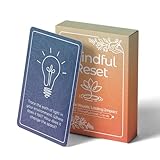
- 𝐑𝐄𝐒𝐄𝐓 𝐘𝐎𝐔𝐑 𝐌𝐈𝐍𝐃 𝐈𝐍 𝟔𝟎 𝐒𝐄𝐂𝐎𝐍𝐃𝐒 – A simple, screen-free way to disconnect after a high-demand workday or regain focus during a busy afternoon. Pull one of these mindfulness cards, pause, and follow a practical prompt designed to bring calm, clarity, and grounding in about a minute—no app, journal, or meditation experience needed.
- 𝐅𝐈𝐍𝐃 𝐓𝐇𝐄 𝐂𝐀𝐋𝐌 𝐘𝐎𝐔 𝐍𝐄𝐄𝐃 𝐓𝐎𝐃𝐀𝐘 – Includes 52 color-coded prompts across Focus, Calm, Gratitude, Self-Compassion, and Presence. These mindfulness cards for adults make it easy to choose the category that fits the moment, or pull a card at random for a quick daily ritual inspired by approachable mindfulness and grounding practices.
- 𝐁𝐔𝐈𝐋𝐃 𝐀 𝐒𝐄𝐀𝐌𝐋𝐄𝐒𝐒 𝐂𝐀𝐋𝐌𝐈𝐍𝐆 𝐇𝐀𝐁𝐈𝐓 – Keep these self care cards on your desk to break the midday work loop, in your bag for travel, or on your nightstand to transition peacefully into sleep. These bite-sized practices fit naturally into work breaks, quiet mornings, evening wind-downs, and everyday wellness routines.
- 𝐌𝐀𝐃𝐄 𝐓𝐎 𝐅𝐄𝐄𝐋 𝐏𝐑𝐄𝐌𝐈𝐔𝐌, 𝐔𝐒𝐄𝐃 𝐃𝐀𝐈𝐋𝐘 – Crafted from thick 350 GSM cardstock with a smooth premium finish, these cards feel substantial in hand and are designed to withstand repeated shuffling, daily handling, and carrying in a bag or desk drawer without easily bending or creasing. Compact 2.5" x 3.5" size makes them easy to keep close wherever life takes you.
- 𝐆𝐈𝐕𝐄 𝐀 𝐆𝐈𝐅𝐓 𝐓𝐇𝐄𝐘'𝐋𝐋 𝐀𝐂𝐓𝐔𝐀𝐋𝐋𝐘 𝐔𝐒𝐄 – Beautifully designed and easy to use, Mindful Reset makes a meaningful gift for mindfulness, meditation, and daily affirmations. Whether used as meditation cards, affirmation cards, or a simple wellness ritual, this thoughtful deck is perfect for women and men, friends, coworkers, teachers, therapists, students, and loved ones looking to bring more calm and intention into everyday life.
What did the scan of 1,446 prompts find?
In an October 2026 scan reported by Ethan Brooks in a DEV Community article for Prompt House, 323 of 1,446 prompts—about 22%—contained at least one square-bracket placeholder. The same scan found 299 prompts—about 21%—written as JSON, and a median prompt length of about 1,000 characters. These are the article author’s reported observations, not an independent audit or a measure of all image-prompting practice. Read the article.
The collection was described as trending prompts from X ranked by engagement, rather than a random sample. Its proportions therefore describe that selected collection, not how often prompt writers generally use placeholders or JSON. The project repository describes a collection of 1,400-plus prompts, but does not show the article’s exact analysis counts in the retrieved repository content. See the project repository.
Rank #3

- GO BEYOND SMALL TALK — 52 cards with 104 open-ended questions (two per card) that turn dinners, road trips, and quiet nights in into conversations you'll actually remember. The original Holstee reflection deck.
- TOGETHER OR ON YOUR OWN — spark deeper conversations with couples, families, friends, and coworkers, or use the deck solo as journaling and self-reflection prompts. No rules, no setup — just draw a card and go deeper.
- COLOR-CODED BY THEME — questions span Gratitude, Wellness, Intention, and more, so you can steer toward what matters most in the moment. Inspired by mindfulness and positive psychology.
- SMALL ENOUGH TO POCKET, BEAUTIFUL ENOUGH TO DISPLAY — each card carries a unique, abstract design. Take the deck on the go, or leave it out on the coffee table.
- QUALITY YOU CAN FEEL — made in the USA from sustainably-forested paper with vegetable-based inks and a starch-based laminate that keeps them durable. As kind to the planet as they are to your conversations.
Neither the reported scan nor the repository establishes that templates or JSON improve image quality. The figures show that these formats appeared in the collection; they do not compare generated images under controlled conditions.
Independent reader supportYour contribution helps us test, update, and keep practical guides available for everyone.When is a prompt collection or generation workflow useful?
A collection can help when you want examples to adapt, while a template helps you reuse instructions you have already shaped for your own task. These are different jobs: finding prompts is not the same as generating images, and a particular service or backend is not required to use the template approach.
MeiGen AI Design MCP documentation describes a 1,446-prompt collection, gallery search, prompt enhancement, image generation, and multiple possible backends. Backend and account requirements vary, and project features can change; its documentation does not demonstrate that a particular prompt format yields better outputs. Consult the project documentation.
The Tool Desk
Outbyte PC Repair FREEClear out junk files and repair common Windows errorsFree Scan →Outbyte Driver Updater FREEScan for outdated or missing drivers - takes under a minuteDriver Scan →What should you know before reusing shared prompts?
Brooks’s article says the dataset was published by MeiGen.ai under CC BY 4.0 and notes that prompts belong to their creators. The repository page identifies the project and links a license file, but the retrieved repository content does not include the license text. Do not assume that a dataset license settles rights in every underlying prompt or any generated image; check the applicable license and the provenance of the material you plan to reuse. Check the project’s license information.
Quick Recap
Product prices and availability are accurate as of the date/time indicated and are subject to change. Any price and availability information displayed on Amazon at the time of purchase will apply.

