
iTechGuides is reader-supported. When you buy through links on our site, we may earn an affiliate commission. As an Amazon Associate I earn from qualifying purchases. Learn more
Start with Samsung Gallery’s Recycle bin, then check Google Photos’ Bin and any cloud or computer backup that existed before the files disappeared. Restoring a file from a bin or backup is different from undeleting data permanently erased from a Galaxy phone; if no recoverable copy exists, Samsung’s published guidance does not support promising that an app can bring it back.
Start with Samsung Gallery’s Recycle bin
If the missing item was a photo or video deleted in Samsung Gallery, check its Recycle bin before trying other steps. Samsung says deleted images and videos remain there for 30 days, provided the Recycle bin was enabled before deletion. Samsung’s Gallery recovery instructions give this path:
- Open Gallery.
- Tap Menu, then Recycle bin.
- Select the items you want and tap Restore.
If the bin is empty, the feature may not have been enabled when you deleted the files, or the retention period may have passed. Menu names and screens can vary by Galaxy model, carrier, and software version.
Check Google Photos and the account that holds the copy
Open Google Photos and inspect Collections or Library and then Bin (the label and location can vary by app version). Confirm that the app is signed in to the Google account used to back up the photos. Also check Google Photos on the web with that account; a photo missing from the phone may still be online.
#1 Best Overall
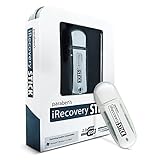
- ULTIMATE KIT: Whether you need deleted files or want to discover hidden content on an iPhone, Android, or SIM card, our external recovery system has the right device for your needs, all with free updates for life, no subscriptions necessary, and unlimited use. We offer five (different) unique sticks for an amazing and complete digital data recovery set.
- PORN DETECTION: The included Porn Detection Stick quickly and easily scans photos and videos to find illicit content automatically. It also scans and searches internet histories and deleted files so that nothing stays hidden.
- DATA RECOVERY: Our Data Recovery Stick offers forensic-grade recovery, performing a deep dive on any Windows system. Its plug-and-play design ensures ultra ease of use and it seamlessly supports the most common file systems. It's a professional data recovery system that anyone can use!
- PHONE RECOVERY: Our Phone Recovery Stick discovers data from all Android devices by searching the entire system for keywords and symbols so that you can find evidence and hidden photos fast and easily. Our iRecovery stick does the same for Apple devices!
- VOICE LOGGER: Our Voice Logger Stick turns your Windows operating system into a room recording device and automatically emails you all recordings captured. The installation is invisible, it detects and records sounds up to twenty-five (25) feet away, and records both sides of all calls made through the computer.
Retention depends on backup status and service behavior. Samsung UK says items in Google Photos Bin are permanently deleted after 60 days, while Google Photos Help lists cases in which an item moved to Bin more than 30 days ago cannot be restored. Check what is currently in the account’s Bin rather than assuming one period applies to every item. Google says, “If the item isn’t in your bin, it may be permanently deleted.” If an item was permanently deleted or the Bin was emptied, Google says it cannot be restored through that Bin. Google Photos Help explains Bin recovery limits.
Look for another copy before restoring a backup
Files may exist somewhere other than the phone’s Gallery. Check these sources using the account and device that were in use before deletion:
- Samsung Cloud: Look for a relevant backup or synchronized content in the Samsung account. Samsung Gallery sync has moved toward OneDrive, so check whether your Gallery content was synced there.
- OneDrive: If Gallery sync was configured, sign in to the associated Microsoft account and check its photos and recycle bin.
- Google Account device backup: This can cover supported device data and settings, but it is not the same as a separate Google Photos library, and app backup coverage varies.
- Smart Switch on a computer: If you previously backed up the phone to a PC or Mac, open Smart Switch and check the backup’s date and included categories.
- External storage: Check any microSD card, USB drive, or other storage where you might have copied the files or a Smart Switch backup.
Samsung documents these options in its Galaxy backup and restore guidance. A USB OTG drive or microSD card helps only if it already contains a copy or backup; it does not scan the phone to undelete files. Compatibility depends on the Galaxy model and accessory.
Free tools Windows power users keep installed
One-click scans. No signup required.
Choose the restore path that matches the backup
Before restoring, confirm the backup date and that it contains the missing file or relevant category. Restore only what you need when the option is available; a device restore can affect existing data, and the steps differ by backup type.
Samsung Cloud or synced Gallery content
Sign in to the Samsung account associated with the backup or sync. Use the restore or sync options available on your model to bring back the relevant content. A sync and a device backup are not interchangeable: the content available depends on what was configured and backed up before deletion.
Rank #2

- Recover Existing Android Data - Retrieve text messages, call logs, contacts, calendar entries, notes, photos, videos, and more from supported Android phones and tablets. Designed to help access important files and information quickly through an easy-to-use recovery process. Ideal for personal, business, or technical data recovery needs.
- Advanced Search & Data Review Tools - Built-in search functions help locate keywords, symbols, names, and specific records across extracted device data. Review messages, browsing history, app data, media files, and timelines more efficiently without manually sorting large amounts of content. Helps streamline file discovery and organization.
- Runs Directly from the Stick, No Installation Required - The software operates directly from the included recovery device, so no installation is required on your Windows computer. Simple plug-and-use setup makes operation fast and straightforward.
- Unlimited Use with Lifetime License & Updates - Use the Phone Recovery Stick across multiple supported devices with no per-phone usage limits. Includes lifetime license access with software updates to help maintain compatibility over time. A cost-effective solution for ongoing recovery and device access needs.
- Windows Compatible for Supported Android Devices - Compatible with Windows systems and designed to work with many supported Android phones and tablets using a standard data cable. Access available device data through a simple connection process with user-friendly recovery software. For advanced recovery options that may require root access, third-party rooting solutions can be used separately.
Google device backup
Google’s restore process depends on the phone and Android version. Some device data is restored during setup of a new or reset device rather than through a simple file-level import. Google also says a backup made on a higher Android version cannot be restored to a device running a lower version. Review Google’s Android backup and restore instructions before resetting or setting up a device; do not reset a phone as a recovery experiment.
Smart Switch computer backup
Connect the phone to the computer that holds the backup, open Smart Switch, and choose the restore option. Samsung allows selected categories to be restored, so check the available categories before proceeding. Samsung’s Smart Switch backup and restore instructions describe computer and external-storage workflows. Samsung Korea also notes that an inserted SD card can be included in a Smart Switch backup and that certain media and document files can be opened from the Smart Switch backup folder on a PC.
The Tool Desk
Outbyte PC Repair FREERepair Windows errors before they cause bigger problemsFix Now →Outbyte Driver Updater FREEScan for outdated or missing drivers - takes under a minuteDriver Scan →What each recovery option can—and cannot—do
| Option | Useful when | Key limit |
|---|---|---|
| Samsung Gallery Recycle bin | The item was deleted in Gallery recently. | Must have been enabled before deletion; Samsung states 30 days. |
| Google Photos Bin | The missing photo or video was handled by Google Photos. | Check the right account and current Bin; retention can depend on backup status. Permanently deleted or emptied-Bin items cannot be restored from that Bin. |
| Samsung Cloud or OneDrive | Content was backed up or Gallery sync was configured. | Requires the right account and a pre-existing copy. |
| Google device backup | Supported device data or settings were included in a backup. | Restore varies by device and Android version; app coverage varies, and some data is restored during setup. |
| Smart Switch computer backup | A prior PC or Mac backup includes the files or relevant categories. | Requires an existing backup and compatible software; available restore categories depend on the backup. |
| microSD or USB OTG storage | A copy or backup was already saved there. | Model and accessory support vary; storage is not an undelete method. |
If the files were permanently deleted and there is no backup
Samsung Electronics Service Korea stated in a 2020 support article that recovery of deleted data is unavailable for Galaxy S7/S7 edge and later, citing file encryption. That is Samsung’s published guidance for those models, in a region-specific article; it should not be stretched into a claim about every possible forensic scenario. The official sources here provide no basis for promising success from a commercial recovery app for a permanently deleted file on a modern Galaxy phone.
Until you finish checking bins and existing copies, avoid additional deletions or reset steps. If the files are not in a bin, synced account, backup, or external copy, the available official guidance does not establish a reliable consumer method to recover them from the phone’s internal storage.
Prevent the next loss
- Check that Gallery’s Recycle bin is available and enabled on your phone.
- Confirm that photos are syncing or backing up to the intended account, then verify the files appear there.
- Use Google’s device backup for supported device data, while remembering that it does not guarantee every app’s files are included.
- Make periodic Smart Switch backups to a computer or compatible external storage, and confirm the backup completes.
Backups made after a deletion cannot recreate files that were never copied. Verify the account, sync status, and backup date while the files are still present.
Quick Recap
Product prices and availability are accurate as of the date/time indicated and are subject to change. Any price and availability information displayed on Amazon at the time of purchase will apply.
Recommended Free Tools

