
Crashes, No Sound, or Screen Glitches?
Random freezes, missing sound and display glitches usually trace back to one bad driver. Find and replace yours safely.Free scan · under a minuteWindows Errors? Fix Them Before They Spread
Repair common Windows errors and clear accumulated junk for a smoother, more stable PC - no reinstall needed.Free scan · no reinstalliTechGuides is reader-supported. When you buy through links on our site, we may earn an affiliate commission. As an Amazon Associate I earn from qualifying purchases. Learn more
Leaves that fold predictably at dusk and reopen near dawn are usually performing nyctinasty, a normal circadian movement—not signaling disease or thirst. Leaves that curl, roll, bend downward, or remain limp during the day need a different diagnosis. Heat, drought, waterlogged roots, salinity, pests, disease, and nutrient or root problems can all alter posture, and both too little and too much water can trigger an initial wilt.
Use timing, leaf texture, temperature, root-zone moisture, drainage, and root condition together. Do not water automatically when a leaf closes.
Why healthy leaves close at night
Many legumes and other plants fold their leaflets in the evening and reopen them at dawn. This behavior is called nyctinasty. Ueda and Muraoka’s review describes plants that continue the cycle under continuous light or continuous darkness, showing that an internal biological clock—not simply sunset—is controlling the movement.
Quick wins for a faster PC:
Clear out junk files and repair common Windows errorsFree Scan →Fix the driver behind crashes, sound loss and screen glitchesFind Drivers →Repair Windows errors before they cause bigger problemsFix Now →The pulvinus is the plant’s movement joint
Nyctinastic movement occurs at a swollen structure called the pulvinus, commonly found at the base of a leaflet or leaf stalk. The pulvinus contains opposing motor-cell zones, often described as extensor and flexor cells. Ion channels move charged particles into or out of those cells; water follows the resulting osmotic gradient. One side gains turgor while the other loses it, rotating the leaf into an open or folded position.
#1 Best Overall

- Trusted Since 2015: Become one of the many plant lovers who rely on the proven accuracy of XLUX. Established in 2015, our soil moisture meter has earned over 60,000+ verified ratings for its consistent performance. While many many newer brands come and go, we provide the long-term reliability and quality that American households have trusted for over a decade.
- Take the guesswork out of watering: While your eyes and fingers can only determine the moisture level of the soil surface, the XLUX meter tells you exactly what’s happening deep inside your pot or garden. Our high-sensitivity probe reaches the root zone where it matters most, requiring no batteries or charging—simply insert for an immediate, real-time reading to help your plants stay healthy and vibrant.
- Clear & Easy-to-Read Display: Perfect for beginners and expert gardeners alike. The large, color-coded dial features 10 distinct scales (Dry-Moist-Wet), making it incredibly simple to know exactly when to water. From lush Monsteras to tall Fiddle Leaf Figs, you’ll get the clarity you need at a single glance, ensuring every plant gets the precise care it deserves.
- Slim Single-Probe: Protects Delicate Roots: Protect your plants' health. Unlike bulky dual-probe testers or thick-diameter sensors that can tear and stress sensitive root systems, our sleek, slim-needle design slides smoothly into various soil types. It delivers reliable moisture data with minimal soil displacement, keeping your plants’ delicate roots safe and undisturbed while you monitor their hydration.
- Pristine Condition & Essential Care: To ensure you receive a factory-fresh instrument, each XLUX meter includes a custom anti-abrasion protective sleeve. This inner liner prevents micro-scratches during transit, maintaining the integrity of the 304 stainless steel probe. Usage Tips: 1. Soil Use Only (no liquids). 2. Temporary Test: Insert, read, and remove within 5 minutes. 3. Maintenance: Always wipe the probe clean and store it in its protective sleeve after use.
A 2026 review identifies species-specific factors that regulate opening and closing and discusses SPORK2 potassium-channel activity in Samanea saman. The molecular details differ among species, but the visible result is the same: a reversible change in cell pressure rather than permanent tissue damage.
Signs that closing is normal
- The movement starts at roughly the same evening period each day.
- Leaves reopen after dawn or after the plant’s usual light period begins.
- Leaf tissue remains firm and normally colored, without expanding brown, black, or water-soaked areas.
- New growth, stems, and neighboring leaves look healthy.
- The cycle remains predictable when the plant is otherwise cared for consistently.
Species, cultivar, leaf age, and growing conditions change the exact timing. A young leaf may move less than an older one, and some plants close only part of a compound leaf. A regular rhythm is more informative than a particular angle or clock time.
When leaf movement points to stress
Stress movement is usually less clock-like or comes with other symptoms. A plant may roll its leaves at midday, curl only the newest growth, bend downward, develop epinasty (a downward curvature caused by unequal growth), or fail to recover overnight. Oxford Plant Physiology sensor experiments found dampened circadian rhythms, downward bending, epinasty, and enhanced curling under different waterlogging, drought, and salinity treatments. Responses varied by species and by the age of the leaf, so posture alone cannot identify the cause.
What’s actually slowing this PC down?
Pick the symptom - the matching free tool is one click away.
Heat: rolling or cupping to conserve water
Oregon State University Extension Service explains that corn, tomatoes, and many other plants roll or cup their leaves in heat. Rolling reduces exposed leaf surface, while stomata—microscopic pores that exchange gases and water vapor—close. Together, those changes reduce moisture loss.
Rank #2

- Accurate Soil Moisture Detection: The XLUX Soil Moisture Meter can tell you if the soil deep inside your pot or garden is dry, moist or wet; whereas your eyes and fingers can only determine the moisture level of the soil surface. The probe is 5.5 inches (14 cm) longer than regular styles, allowing it to measure the soil moisture at the bottom of larger and deeper flower pots.
- Easy-to-Read Large Dial: The large dial is easy to read and includes three zones with ten scales, making it very straightforward to understand.
- Immediate Moisture Reading: Insert the probe into the soil, and without waiting, the dial will immediately display the moisture level. You can then decide whether your plant needs watering based on the measurement. Do not leave this moisture meter in the soil for more than 5 minutes, as the metal tip will gradually corrode.
- Less Damage: A single probe causes less damage to plant roots compared to double or multiple probes, and when you remove the probe after testing, it won't bring out much soil.
- Usage Precautions: Do not use it to test very hard soil. Do not test water or other liquids. After testing, please wipe the probe clean.
Heat rolling often appears on bright, hot afternoons and may ease in the evening when air and leaf temperatures fall. Look for hot air or soil, intense sun, wind, and a midday wilt that improves overnight. A plant can show heat stress even when the soil is moist because high evaporative demand overwhelms the rate at which roots can supply water.
Drought: curling, brittle margins, and a dry root zone
During drought, roots detect that available water in the root zone is falling. Kristopher Criscione of Virginia Tech describes accumulation of the stress hormone abscisic acid (ABA). ABA helps close stomata and changes growth and leaf posture so the plant loses less water. As the deficit continues, leaves commonly curl, become limp, and develop brittle brown margins; severe stress can kill sections of the leaf.
Dryness must be confirmed below the surface. The top few millimeters of potting mix can look dry while the deeper root zone is still wet, or the surface can look damp after a brief watering while the root ball remains dry inside. Check several inches down, not just the visible surface.
Free tools Windows power users keep installed
One-click scans. No signup required.
Overwatering: the same first wilt, but different follow-up signs
Overwatering can also activate ABA signaling. Roots need oxygen as well as water; when air spaces remain filled with water, oxygen falls and roots cannot function normally. The first symptom may therefore resemble drought: a drooping or closing leaf.
Rank #3
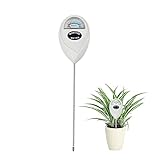
- 【SAVE YOUR PLANTS】: Over watering can cause problems with your plants or even kill them. This soil moisture meter helps you know the soil is dry, moist or wet.No more over watering!
- 【ACCURATE & FAST READING】: This plant moisture sensor can get accurate and fast reading of moisture level in the soil, just plunge the probe sensor into the soil to the plant root region and read the meter. No need to wait!
- 【NO BATTERY NEEDED】: The plant hygrometer is simple and easy to use, no battery or electricity needed. The meter probe can easily get down to the plant roots area and tell if you need to water or not.
- 【INDOOR OUTDOOR USE】: With 6.7 inch long probe sensor design, this soil moisture meter is suitable for both indoor and outdoor use. Great lifesaver for indoor outdoor plants and flowers, hanging flower baskets, potted plants,vegetable, grass watering,picky plants.
- 【GREAT SIZE & PORTABLE】: This soil meter is a great handy tool for home gardeners, plant lovers, beginners. Do not leave the soil moisture meter in the soil for long time or directly soak it into a cup of water that will ruin the device.
With continuing saturation, overwatering more often produces yellowing, soft or mushy tissue, slowed growth, and root dieback. Roots may be brown or black, mushy, have an unpleasant odor, or be missing where dead tissue has decomposed. These findings are more useful than wilt alone. Do not add water until you have checked the root-zone state and drainage.
Other causes to keep in the differential
Salinity, root damage, pests, disease, and nutrient disorders can change leaf movement or the daily rhythm. Salt makes water harder for roots to absorb even when the medium feels wet. Chewed, stippled, spotted, or distorted leaves suggest pest or pathogen involvement rather than a simple irrigation mistake. The movement studies do not diagnose every possible cause, so persistent symptoms require a broader inspection.
How to diagnose a closing, curling, or drooping leaf
Work through these checks before changing irrigation. Photographing the same leaf at the same times can reveal a pattern that is easy to miss by eye.
The Tool Desk
Outbyte Driver Updater FREEScan for outdated or missing drivers - takes under a minuteDriver Scan →Outbyte PC Repair FREERepair Windows errors before they cause bigger problemsFix Now →- Record the timing. Note when the movement begins and ends for at least two or three days. A repeatable dusk-to-dawn cycle favors nyctinasty; irregular daytime movement favors an environmental or physiological stress.
- Describe the posture precisely. Is the leaflet folded at its pulvinus, rolled inward, cupped upward, curled at the edge, bent downward, or simply limp? Record whether only old leaves, only new leaves, or the whole plant is affected.
- Check the weather and light. Write down air temperature, direct sun, wind, and whether the container or soil surface became hot. Midday rolling that follows heat and relaxes after cooling is consistent with heat protection.
- Feel the root zone several inches down. Use a finger, wooden probe, or other method appropriate to the container. Compare the result with the plant’s normal watering interval rather than relying on the surface appearance.
- Check drainage. Confirm that the container has open drainage holes and that water is not standing in a saucer or compacted bed. A blocked hole can create oxygen-poor conditions even when watering frequency seems reasonable.
- Inspect roots when feasible. Healthy roots are generally firm and light-colored for the species. Drought-stressed roots may be thin or frail; overwatered roots are more likely to be brown or black, soft, or absent from sections of root dieback. Avoid tearing a fragile root ball apart unnecessarily.
- Compare tissue quality and growth. Brittle brown edges point more toward dehydration; yellow, soft, translucent, or mushy tissue points more toward saturation or decay. Check whether new growth is continuing and whether stems remain firm.
- Correct one factor at a time. If the medium is dry, water thoroughly so the entire root ball is moistened and excess drains away. If it is saturated, pause irrigation, improve drainage and airflow, and let the root zone regain oxygen. Recheck the plant before making another major change.
Drought, overwatering, heat, or nyctinasty?
| Observation | More consistent with | What to verify |
|---|---|---|
| Predictable folding near evening and reopening near dawn; firm, normally colored tissue | Nyctinasty | Whether the same daily rhythm continues under stable conditions; species and leaf age |
| Midday rolling or cupping during hot sun, wind, or hot soil; improvement after cooling | Heat stress | Temperature, evaporative demand, direct exposure, and root-zone moisture |
| Irregular wilt, inward curling, brittle brown margins, and a dry root zone | Drought or insufficient available water | Moisture several inches down, container weight, root firmness, and recent watering coverage |
| Wilt with yellowing, soft or mushy leaves, persistently wet medium, and damaged roots | Overwatering or waterlogging | Drainage holes, standing water, compaction, odor, and root color and texture |
| Downward bending, epinasty, altered rhythm, or unusual curling after a change in irrigation or salt exposure | Waterlogging, drought, or salinity stress | Species response, leaf age, substrate moisture, fertilizer or salt buildup, and recovery after correction |
| Spots, stippling, chewing, distorted new growth, or symptoms that ignore moisture corrections | Pests, disease, nutrient or root problems | Undersides of leaves, stems, roots, recent treatments, and growing-medium history |
No row is a substitute for examining the plant. Species and leaf age modify every pattern, and a plant can experience more than one stress at once—for example, a heat wave on a container whose roots are already waterlogged.
Rank #4

- Accurate Soil Moisture Detection: The XLUX Soil Moisture Meter can tell you if the soil deep inside your pot or garden is dry, moist or wet; whereas your eyes and fingers can only determine the moisture level of the soil surface. The probe is 5.5 inches (14 cm) longer than regular styles, allowing it to measure the soil moisture at the bottom of larger and deeper flower pots.
- Easy-to-Read Large Dial: The large dial is easy to read and includes three zones with ten scales, making it very straightforward to understand.
- Immediate Moisture Reading: Insert the probe into the soil, and without waiting, the dial will immediately display the moisture level. You can then decide whether your plant needs watering based on the measurement. Do not leave this moisture meter in the soil for more than 5 minutes, as the metal tip will gradually corrode.
- Less Damage: A single probe causes less damage to plant roots compared to double or multiple probes, and when you remove the probe after testing, it won't bring out much soil.
- Usage Precautions: Do not use it to test very hard soil. Do not test water or other liquids. After testing, please wipe the probe clean.
Temperature thresholds and what they mean
Oregon State University Extension Service (2021) gives broad temperature guidance rather than a universal rule for every cultivar:
| Temperature guidance | Interpretation |
|---|---|
| 59–86°F | Most plants grow best somewhere in this broad range, although the optimum varies by species, maturity, and acclimation. |
| Above 90°F when sustained for long periods | Growth is slowed for many plants; rolling, cupping, stomatal closure, and increased water demand become more likely. |
| Above 104°F | Many plants survive but show different signs of heat stress; injury risk depends on cultivar, wind, drought history, maturity, and acclimation. |
Use these values as context, not as a timer for watering. A plant in full sun with dry air can stress below a listed threshold, while an acclimated plant with ample root-zone moisture may tolerate a brief higher reading.
Independent reader supportYour contribution helps us test, update, and keep practical guides available for everyone.What to do after you identify the pattern
If the cycle is normal nyctinasty
Leave the plant’s light and watering schedule unchanged. Do not force leaves open, spray them to prevent folding, or keep the plant constantly illuminated unless the species’ cultivation requirements specifically call for that. Monitor for a change in rhythm or new tissue symptoms instead.
Recommended Free Tools
If heat is the main trigger
- Reduce the intensity of afternoon sun temporarily with appropriate shade, while preserving the light level the species needs.
- Move containers away from surfaces that become extremely hot, and protect the root zone from direct radiant heat.
- Check moisture before irrigating; heat stress and drought can occur together, but saturated roots should not be given more water.
- Improve airflow without placing the plant in a damaging hot or drying draft.
If the root zone is genuinely dry
Water slowly and thoroughly until the full root ball is moistened and excess exits the drainage holes. A severely dry potting mix can repel water, allowing liquid to run down the sides while the center remains dry; applying water in several passes helps it absorb. Recheck moisture later rather than repeating a small surface sprinkle.
Best Value
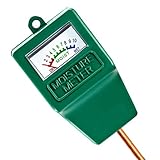
- Soil Moisture Meter: This single probe soil moisture meter is specially designed for testing the moisture level in the soil, helps you decide whether the plants need water or not, helps to keep plants alive.
- Easy to Use:No batteries or electricity needed,just insert the water meter probe into the soil to the plant root level, the indicator pointer will show you the readings immediately.
- Accurate and Reliable: Single probe sensor is very sensitive, pointer on the dial moves quickly and display accurate values when testing soil moisture. 7.6” long probe is also suitable for large potted plants.
- Portable & Lightweight:This soil hygrometer can be used both indoors and outdoors, with its portable and compact design, you can test at any time any place as you want.This soil moisture meter is a great handy tool for potted plants, garden, farm, lawn plant care.
- Warm Prompt: This meter is designed for soil only, can not be used to test water or other liquid directly. Please not let the probe touch stones while inserting. Please wipe the probe after each use.
If the root zone is saturated
Stop routine watering until the medium begins to drain and regain air space. Empty saucers, clear blocked holes, and address compacted media. If roots are already mushy or extensively missing, remove dead material with clean tools and repot into an appropriate, well-draining medium only when the plant and root system can tolerate the disturbance. Correcting drainage is more important than adding a fixed number of days between waterings.
Using a moisture meter without outsourcing the diagnosis
A soil-moisture meter can make repeated checks easier when drought and overwatering symptoms overlap, especially in deep containers where a finger cannot reach the center. Treat its reading as a convenience signal, not a diagnosis of plant health. Probe several locations and depths, avoid pressing the sensor against the pot wall, and compare readings with the actual texture, drainage, and root condition. Extension guidance still favors inspecting the substrate and roots directly.
When a changing rhythm deserves closer attention
Seek a more detailed plant-health assessment when leaves stop reopening, symptoms spread despite a corrected root-zone condition, stems collapse, roots smell or disintegrate, or new growth is severely distorted. Bring dated photographs, the plant’s species or cultivar, recent temperature and watering history, fertilizer or salt applications, and observations from several inches below the surface. That record helps distinguish a normal movement pattern from a progressing root, pest, disease, or environmental problem.
A practical rule for interpreting movement
Start with the clock, then the tissue, then the root zone. A reliable evening-to-morning cycle with healthy tissue is usually nyctinasty. Daytime rolling in heat suggests water-conservation behavior. Curling with brittle margins and dry roots favors drought, while yellow, soft tissue and damaged roots favor overwatering. Because the same plant can show different responses as conditions change, verify the physical evidence before you water, shade, repot, or apply a treatment.
Quick Recap
Product prices and availability are accurate as of the date/time indicated and are subject to change. Any price and availability information displayed on Amazon at the time of purchase will apply.

