
Recommended Free Tools
iTechGuides is reader-supported. When you buy through links on our site, we may earn an affiliate commission. As an Amazon Associate I earn from qualifying purchases. Learn more
For most first-time players, start with Old School RuneScape (OSRS) if you want deliberate, tick-based combat, a consistent retro style, and a game whose direction is unusually shaped by player polls. Choose RuneScape 3 (RS3) instead if you prefer modern interfaces, ability-based combat options, rebuilt systems, and a more guided presentation. Both are active, official RuneScape clients with free starts on PC and mobile, so the safest decision is to play the opening content in each before paying for membership.
The short answer
OSRS and RS3 are not two graphics settings for one game. They are separate official clients in the RuneScape franchise, each with its own combat feel, visual language, progression conventions, and update culture. Jagex describes both as active, evolving worlds available on PC and mobile.
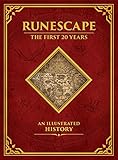

| Choose | Best fit | Main reason |
|---|---|---|
| Old School RuneScape | Players who enjoy timing, preparation, gear choices, prayers, quests, skilling routes, and a shared old-school meta | Combat is built around game ticks, and the community has direct input through frequent polls |
| RuneScape 3 | Players who want contemporary MMO interfaces, ability bars, flexible combat presentation, and more visibly modern systems | The client was modernized with rebuilt UI and systems, while retaining options for different combat interfaces |
Neither client is a dead legacy product. OSRS added Sailing as a new skill in November 2025, and RS3’s 2026 roadmap includes work on the user interface, combat, APIs, and the in-game economy.
Do these 3 things before closing this tab:
1Repair Windows errors before they cause bigger problems2Scan for outdated or missing drivers - takes under a minute3Clear out junk files and repair common Windows errorsWhat you are actually choosing
Two official clients, two identities
OSRS is based on the 2007-era RuneScape experience but is not frozen in that year. It preserves the deliberate pacing, visual style, and rules that define the old-school identity while adding new content through its own development process. RS3 is the modern RuneScape client, with a rebuilt interface, newer systems, and a presentation designed for players who expect contemporary MMO conveniences.
#1 Best Overall
You can begin both games for free. They are available on desktop and mobile, allowing you to test the opening hours without committing to a subscription. Your choice should therefore be based on how each game feels to play, not on assumptions that one is simply an outdated or upgraded edition of the other.
Combat: the decision that matters most
How OSRS combat works
OSRS uses a tick-based combat system. Actions resolve on a regular game-tick rhythm, so success comes from planning attacks, movement, equipment swaps, spell selection, and prayer activation around those intervals. The interface is comparatively simple, but the underlying timing creates a high skill ceiling.
A typical fight asks questions such as:
- Which weapon and armour combination matches the opponent?
- When should you change gear or switch protection prayers?
- Can you move, attack, eat, or cast on the correct tick without losing damage or taking unnecessary hits?
- Which spell, prayer, or inventory arrangement makes the encounter safer?
Early OSRS combat can feel slow if you expect a button-driven action game. That same pace becomes rewarding when you enjoy learning an encounter, improving your timing, and seeing a preparation mistake or well-timed input produce a clear result. The system remains consistent from basic monsters to demanding end-game activities.
How RS3 combat works
RS3 offers a more modernized combat presentation built around abilities and action bars. Jagex describes the game as classless and allows players to mix and match old and new combat interfaces to suit their play style. Instead of relying primarily on one attack command and tick-perfect manual switches, you can arrange abilities, manage cooldowns, and use a more recognizable rotation-based interface.
This does not mean RS3 removes decision-making. You still choose equipment, abilities, positioning, and resource management, but the information is presented in a way that resembles newer massively multiplayer online games. Players who like visible cooldowns, hotkeys, and a more explicit sequence of actions often understand RS3 faster than OSRS.
Which combat system should you pick?
| If you enjoy… | Start with |
|---|---|
| Learning timing windows and making precise manual inputs | OSRS |
| Action bars, cooldowns, and ability rotations | RS3 |
| Simple-looking interfaces with deep optimization underneath | OSRS |
| A modern MMO-style combat readout and flexible interface options | RS3 |
| Switching between old and newer combat presentations | RS3 |
Do not choose from screenshots alone. Spend enough time in each free client to fight ordinary enemies, move while fighting, manage your inventory, and complete an early quest. The first few combat sessions reveal more than a graphics comparison.
Graphics, interface, and everyday presentation
OSRS: deliberately retro
OSRS keeps an intentionally basic, old-school visual identity. Its appearance, animation style, and interface communicate continuity with the 2007-era game. That consistency is part of the appeal: the world is readable, recognizable, and less concerned with looking like a current blockbuster MMO.
Quick wins for a faster PC:
Repair Windows errors before they cause bigger problemsFix Now →Fix the driver behind crashes, sound loss and screen glitchesFind Drivers →Clear out junk files and repair common Windows errorsFree Scan →The trade-off is that new players may find the interface dated or less self-explanatory. Menus, item icons, and combat conventions often assume that you are willing to learn how the game works rather than having every option explained immediately.
RS3: modernized presentation
RS3 is the visibly modern client. Its interface and systems have been rebuilt over time, with player feedback informing that work. It exposes more contemporary MMO patterns, including configurable interfaces and ability-oriented combat information.
Rank #2
Modern does not automatically mean simpler. RS3 can present more systems, currencies, menus, and interface choices at once. The client may look familiar to players coming from newer online games, but the amount of information can be overwhelming until you customize the layout.
Graphics should be a preference, not a quality ranking
OSRS is not trying to compete with RS3 on visual fidelity, and RS3 is not trying to reproduce OSRS’s deliberately restrained style. Decide whether you want a stable retro aesthetic or a rebuilt modern client. Both styles are intentional, and neither tells you which game has the better long-term experience for you.
Free tools Windows power users keep installed
One-click scans. No signup required.
Onboarding, quests, skills, and complexity
OSRS asks you to learn its conventions
OSRS’s early game teaches the logic that governs the wider world: equipment requirements, prayer use, tick timing, travel, quest prerequisites, and efficient skilling routes. The game gives you room to discover those systems, but it does not always explain them in the way a modern tutorial would.
This can be appealing if you enjoy researching a route, setting your own goals, and gradually understanding why experienced players arrange gear, inventory, and prayers in particular ways. It can be frustrating if you want a guided sequence that tells you which system to use next.
RS3 presents more modern guidance
RS3’s rebuilt UI and systems provide a more contemporary starting point. Its classless design means you are not locked into a traditional character class; you can develop and combine capabilities within the game’s broader skill and combat framework.
The modern presentation may make the first session easier to navigate, but RS3 still has a large amount of content. Treat the interface as a toolkit rather than trying to understand every system immediately. Configure only the panels and action-bar elements you need for your current activity.
Complexity is different, not absent
OSRS concentrates complexity in timing, equipment, prayers, routes, and the player-developed meta. RS3 concentrates more of it in abilities, interfaces, systems, and modern progression layers. A player who finds OSRS’s sparse interface confusing may find RS3 clearer; a player who finds RS3’s amount of information distracting may prefer OSRS’s narrower presentation.
Who controls the direction of each game?
OSRS has an unusually direct polling tradition
Jagex calls OSRS a community-led game and says that more than 1,000 questions have been polled since its release in 2013. Polling does not mean every suggestion is guaranteed to ship, but it gives players an unusually visible role in deciding whether major changes fit the game’s identity.
This governance model helps explain why OSRS can add new content without losing its old-school character. Sailing became a new OSRS skill in November 2025, demonstrating that the game is expanding while still using a community-focused decision process.
Rank #3

- Grab your capes and party hats, because we’re going to Gielinor!
- Inspired by the record-breaking online universe that’s captured the imagination of millions worldwide, RuneScape Kingdoms: Shadow of Elvarg is the official cooperative board game for 1-5 players.
RS3 follows a modernization program shaped by feedback
RS3 is directed through Jagex’s ongoing modernization work, with player feedback informing rebuilt UI and systems. Its 2026 roadmap includes interface, combat, API, and economy work. The result is a game that changes more visibly over time and is willing to revise established systems to support a current MMO experience.
Choose OSRS if you want community polling and a strong shared identity to be part of the game’s governance. Choose RS3 if you prefer a client that is actively modernized through larger system and interface projects.
Activity, updates, and mobile access
Claims that one version is merely a dead legacy client do not match the current official picture. Jagex describes both RuneScape and Old School RuneScape as active, evolving worlds available on PC and mobile.
OSRS’s November 2025 Sailing release is a concrete example of ongoing expansion. RS3’s 2026 roadmap likewise covers foundational areas rather than only cosmetic events. Neither game requires you to play only on a desktop, although the larger screen and keyboard controls can make complex combat or interface management more comfortable.
Membership, bonds, and monetization
What free play gives you
Both clients can be started without paying. Use the free opening content to test movement, combat, the interface, and the first few goals. Free play is not a complete representation of the full member experience, but it is enough to identify which client’s core controls you prefer.
What’s actually slowing this PC down?
Pick the symptom - the matching free tool is one click away.
What membership changes
Membership is the main paid decision. Jagex advertises membership as access to a world three times larger and to all skills. Treat those as Jagex’s membership-page descriptions, and check the current offer for your region before subscribing because prices, billing terms, and included benefits can change.
Membership matters most after you know which client you will actually play. Buying it first can make you feel committed to a version whose combat or interface you do not enjoy.
How monetization differs
Bonds are relevant to both games. The OSRS Wiki describes OSRS as having no Jagex microtransaction systems beyond bonds. RS3’s Treasure Hunter policy has changed recently, so review the current in-client and account information if monetization is an important part of your decision.
Do not assume that a membership purchase automatically covers both games. Account and subscription terms can depend on the current offer and your region. Verify the exact terms on the account or membership page before paying, particularly if you intend to alternate between clients.
Windows Errors? Fix Them Before They Spread
Repair common Windows errors and clear accumulated junk for a smoother, more stable PC - no reinstall needed.Free scan · no reinstallCrashes, No Sound, or Screen Glitches?
Random freezes, missing sound and display glitches usually trace back to one bad driver. Find and replace yours safely.Free scan · under a minuteRank #4
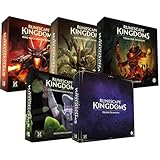
- Immerse yourself in a thrilling tabletop adventure filled with strategy, storytelling, and dynamic character interactions designed to challenge every decision.
- Experience high replayability through immersive roleplay, unpredictable encounters, and evolving tactical choices that keep every session intense and fresh.
- Master your destiny with customizable heroes, intricate quests, and deep world-building that fuel creative expression and competitive gameplay.
- Perfect for RPG enthusiasts seeking complex mechanics, cooperative missions, and richly detailed scenarios that spark imagination and rivalry.
- Premium components, atmospheric artwork, and narrative depth make this board game a must-have centerpiece for any tabletop gaming collection.
A practical test plan before you subscribe
You can make a reliable choice in one or two sessions by testing the same categories in both clients.
- Create one Jagex account and install both official clients. Use the PC or mobile versions that fit your normal play pattern.
- Complete each opening sequence. Notice how clearly the game explains movement, inventory, combat, quests, and the next objective.
- Fight several ordinary enemies. In OSRS, pay attention to tick timing, equipment, and prayer decisions. In RS3, try the ability bar and observe cooldowns and interface feedback.
- Adjust the interface once. In OSRS, see whether the compact presentation is comfortable. In RS3, hide or rearrange panels until the screen is readable.
- Complete an early quest and one basic skilling activity. This tests travel, dialogue, requirements, resource gathering, and how each game teaches progression.
- Play on mobile briefly if mobile matters to you. Check whether inventory actions, movement, and combat inputs remain comfortable on a touchscreen.
- Write down which friction felt motivating. If learning timing made you curious, favor OSRS. If arranging abilities and systems made you want to continue, favor RS3.
- Subscribe only after the choice feels stable. Confirm the current regional membership terms and whether the offer meets your intended use before completing payment.
Decision guide for common player types
| Your priority | Recommended starting point | Why |
|---|---|---|
| Retro atmosphere and a consistent 2007-era identity | OSRS | The old-school presentation is a core design goal |
| Modern MMO controls and visible ability rotations | RS3 | The client is built around modernized combat interfaces and systems |
| Mastering timing, prayers, gear, and encounter preparation | OSRS | Tick-based combat makes those choices central |
| Trying different combat interfaces without choosing a fixed class | RS3 | It is classless and supports mixing old and new combat interfaces |
| Wanting a direct player voice in major changes | OSRS | Jagex reports more than 1,000 polls since launch |
| Wanting large-scale UI and system modernization | RS3 | The 2026 roadmap includes UI, combat, API, and economy work |
| Playing casually on both PC and mobile | Either | Both are officially available on PC and mobile; test the controls you will use |
Pitfalls that lead new players to the wrong version
Choosing only by graphics
OSRS’s simpler graphics are intentional, while RS3’s modern presentation comes with more visible systems. A screenshot cannot tell you whether you prefer tick timing or ability rotations. Test combat before deciding.
Assuming “old school” means inactive
OSRS continues to receive substantial content, including Sailing in November 2025. Its age-based visual identity is not evidence that development has stopped.
Assuming “modern” means easier
RS3 may be more familiar to players from newer MMOs, but its larger interface and system set can create a different kind of complexity. Spend time configuring the layout instead of treating every panel as mandatory.
Subscribing before testing
Membership expands the game substantially, but it cannot fix a combat system you dislike. Use the free starts first, then pay for the client that keeps you interested.
Expecting progress to feel identical
OSRS and RS3 have separate identities and progression conventions. Do not switch clients expecting your preferred combat inputs, interface layout, or learning route to transfer unchanged.
Relying on old claims about monetization or roadmaps
Membership benefits, prices, Treasure Hunter policy, combat plans, and release status are volatile. Check the current official account and game information for your region before making a purchase or planning around a feature.
Final recommendation
Start with OSRS unless you already know that you want modern ability combat and a rebuilt MMO interface. Its tick-based combat, retro presentation, player polling, and continuing expansion make it the stronger default for someone seeking the distinctive RuneScape experience. Start with RS3 when contemporary controls, classless flexibility, and a more guided presentation matter more than preserving the old-school feel. Because both games are free to begin and available on PC and mobile, trying each opening is the most dependable way to make the choice.
Quick Recap
Product prices and availability are accurate as of the date/time indicated and are subject to change. Any price and availability information displayed on Amazon at the time of purchase will apply.

