
Recommended Free Tools
iTechGuides is reader-supported. When you buy through links on our site, we may earn an affiliate commission. As an Amazon Associate I earn from qualifying purchases. Learn more
The Nordic diet is a predominantly plant-based eating pattern built around vegetables, fruit and berries, pulses, potatoes, whole grains, fish and nuts. It limits red and processed meat, alcohol, and highly processed foods rich in added fat, salt or sugar. The current Nordic Nutrition Recommendations 2023 (NNR2023) describe a flexible pattern rather than a branded program or rigid menu, and consider both health and environmental effects.
The practical targets are clear: at least 3 g of fiber per megajoule (about 25 g per day for females and 35 g for males at reference energy intakes), at least 90 g of whole grains daily, 500–800 g or more of vegetables, fruit and berries daily, and 300–450 g of fish weekly, including at least 200 g of fatty fish. Red meat should stay at or below 350 g per week.
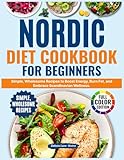


What is the Nordic diet?
The Nordic diet is a food pattern, not a proprietary plan with required recipes, products or meal times. NNR2023 uses broad food groups and relative emphasis: eat more plant foods and whole grains, include fish and nuts regularly, choose moderate amounts of low-fat dairy, and reduce red meat, processed meat and highly processed foods.
It reflects food traditions and public-health priorities in Nordic and Baltic countries, but the principles can be applied wherever you live. Potatoes, oats, barley, rye, cabbage, root vegetables, berries, beans, peas, lentils, fish and rapeseed oil can all fit the pattern. No single ingredient makes a meal “Nordic”; the overall balance matters.
#1 Best Overall
Foods to emphasize
- Vegetables, fruit and berries, with variety across colors and seasons.
- Pulses such as beans, peas and lentils.
- Potatoes and other minimally processed plant foods.
- Whole-grain cereals and breads, especially oats, barley and other whole-grain cereals besides rice.
- Fish, including fatty fish, and nuts and seeds.
- Moderate amounts of low-fat dairy.
Foods to limit
- Red meat, within the weekly ceiling described below.
- Processed meat, such as cured or otherwise heavily processed meat products.
- Alcohol.
- Highly processed foods high in added fat, salt or sugar.
These are population-level recommendations intended to inform national dietary guidance. They are not a therapeutic diet for a particular disease and do not replace advice from a clinician or registered dietitian.
How much fiber should you eat on a Nordic diet?
NNR2023 sets the adult reference at at least 3 grams of fiber per megajoule (g/MJ). Because energy requirements differ, the g/MJ expression is the most transferable way to state the recommendation. At the reference energy intakes used in the guidance, that corresponds to at least 25 g per day for females and 35 g per day for males. Your personal energy needs may make an appropriate daily gram amount higher or lower.
Where the fiber comes from
Fiber is not limited to bran or supplements. The main sources named in NNR2023 are:
- Whole-grain foods, including oats, barley, rye and whole-grain breads or cereals.
- Fruits and berries.
- Vegetables.
- Pulses, including beans, peas and lentils. Among these groups, pulses contain the most fiber.
- Nuts and seeds.
Oats and barley also provide beta-glucans, a soluble type of fiber discussed in the recommendations. An oatmeal breakfast, barley in a soup, beans added to a stew, berries with a meal, and nuts or seeds on top are ordinary ways to build fiber across the day. They are examples of applying the pattern, not mandatory foods or branded products.
What the evidence says about higher fiber intake
NNR2023 describes substantial evidence associating higher fiber intake with lower all-cause mortality and lower risk of coronary heart disease and colorectal cancer. The evidence judgments are also significant for stroke and type 2 diabetes, although they are weaker for those outcomes than for mortality, coronary heart disease and colorectal cancer. Reported effects on body weight are significant but modest.
These findings describe evidence at the population level. They do not promise that a particular amount of fiber will prevent disease, treat an existing condition or produce a specific weight change for one person.
A digestion and mineral-absorption nuance
The fiber chapter notes that very high fiber intake can reduce digestibility of fats and proteins, and that phytate associated with some fiber-containing foods can affect iron and zinc availability. For most people, this is a reason to increase variety and discuss unusual symptoms or diagnosed deficiencies with a health professional, not a reason to avoid fiber-rich foods. Anyone with a condition requiring a specialized diet should individualize the pattern with qualified advice.
Outdated Drivers Are Slowing You Down
One free scan finds every outdated or missing driver and matches the right update for your exact hardware.Free scan · exact hardware matchPC Slower Than It Used to Be?
A free scan shows the junk files, broken settings and background clutter dragging Windows down - then fixes them in one click.Free scan · Windows 10 & 11How much whole grain is recommended?
The public NNR2023 summary recommends at least 90 grams of whole grains per day. It also says further benefits are likely at higher intakes and that whole-grain cereals other than rice should be preferred.
What counts as a practical serving?
The recommendation is expressed as grams of whole grain, not as a fixed number of slices or bowls, because products differ in size and formulation. Oatmeal, whole-grain bread, barley, rye, or another cereal that lists whole grain as a substantial ingredient can help you reach the daily amount. Check the product’s whole-grain information rather than assuming that a dark color or a “multigrain” label means the food is mostly whole grain.
Whole grains contribute fiber and, in the case of oats and barley, beta-glucans. They can replace refined grains in familiar meals without requiring a complete menu change. If you currently eat a refined cereal or bread, changing that one item is a straightforward first step.
Rank #3
How often should you eat fish?
NNR2023 recommends 300–450 g of fish per week, including at least 200 g of fatty fish. Spread across meals, that could mean fish on two or three occasions, with at least some of those portions being fatty fish. The exact number of meals depends on portion size; the weekly range is the relevant measure.
Free tools Windows power users keep installed
One-click scans. No signup required.
Fish is part of the plant-forward pattern rather than a contradiction of it. The guidance calls for ample plant foods while including fish as a regular source of food. Its public summary supports fish from sustainably managed stocks. It does not, in the material available here, specify a universal species list, certification, brand, price ranking or fish-oil supplement recommendation, so those should not be inferred from the Nordic diet itself.
How to fit fish into a week
- Choose a fatty-fish meal often enough to contribute toward the 200 g weekly minimum.
- Use other fish meals to bring the weekly total into the 300–450 g range.
- Pair fish with potatoes or whole grains and a generous serving of vegetables, rather than treating it as a stand-alone rule.
- When available, select fish from sustainably managed stocks, as the public summary recommends.
If you do not eat fish, the Nordic pattern still offers a plant-rich framework, but the official fish target will not be met. Substitution for nutritional or medical reasons requires individualized advice; NNR2023 does not provide a universal substitute formula in the cited material.
How much produce and meat does the pattern include?
Vegetables, fruit and berries
The public summary recommends 500–800 g per day or more of vegetables, fruit and berries. The range is a combined total, not a requirement to eat a particular amount of each category. Use fresh, frozen or otherwise minimally processed options that fit your budget and availability; the guidance is about the food groups and overall pattern, not a specific shopping list.
Adding produce to meals is often easier than redesigning them. Put berries or fruit with breakfast, add vegetables to lunch, and make vegetables a major part of dinner. Pulses, potatoes and whole grains can provide the rest of the meal’s structure.
Red and processed meat
Red meat should be limited to no more than 350 g per week according to the public NNR2023 summary. Processed meat is to be minimized. The ceiling is a weekly amount, so a single serving does not determine whether your overall pattern fits; what matters is the total across the week and what replaces the meat.
Beans, peas, lentils, fish, nuts and seeds can make meals substantial when red meat is reduced. Poultry is described as moderate in the broader pattern rather than as an unlimited replacement. Highly processed meat products remain a separate food to minimize.
How to get started without a rigid meal plan
NNR2023 does not prescribe a tested three-step program. The following sequence is a practical way to apply its food-group guidance while keeping your existing routines.
- Replace one refined grain. Choose oats, whole-grain bread, barley or another whole-grain cereal in one meal. Keep the rest of the meal familiar so the change is manageable.
- Add produce to a meal you already eat. Include vegetables, fruit or berries at breakfast, lunch or dinner. Repeat the change until it is routine, then add another serving where practical.
- Schedule fish or pulses. Put fish meals on the calendar often enough to work toward 300–450 g per week, including at least 200 g of fatty fish, and use beans, peas or lentils in other meals.
- Review the weekly balance. Check whether whole grains, produce, pulses, fish and nuts appear regularly, and whether red meat, processed meat, alcohol and highly processed foods are crowding them out.
An example of applying the pattern
A day might begin with oats and berries; use a bean, pea or lentil dish with vegetables and whole-grain bread at lunch; and finish with fish, potatoes and vegetables at dinner. Nuts or seeds can be added where they suit the meal. This is an illustration, not an official menu, prescribed portion plan or guarantee that the day reaches every weekly target.
The Tool Desk
Outbyte Driver Updater FREEScan for outdated or missing drivers - takes under a minuteDriver Scan →Outbyte PC Repair FREERepair Windows errors before they cause bigger problemsFix Now →How to compare Nordic-style meal options
There is no universal ranking for price, taste or convenience in the recommendations. A useful comparison asks whether an option advances the measurable parts of the pattern:
| Question | What to check |
|---|---|
| Whole grain | Does the food contain whole grain, and how much can the serving contribute toward the 90 g daily target? |
| Fiber | Does it add whole grains, pulses, vegetables, fruit, berries, nuts or seeds toward the at-least-3 g/MJ adult reference? |
| Fish | Is it fatty fish, and how does the portion contribute to the 300–450 g weekly range and 200 g fatty-fish minimum? |
| Produce and pulses | Does the meal include vegetables, fruit, berries or pulses that help build the 500–800 g daily produce recommendation? |
| Meat and processing | Does it keep red meat within 350 g per week, minimize processed meat, and avoid being high in added fat, salt or sugar? |
The sources do not establish a standard price, taste score, convenience league table or product-by-product winner. Those factors depend on location, season, availability and personal preference.
Health, environment and personal limits
NNR2023 evaluates the dietary pattern for both health and environmental effects. That is why the framework emphasizes plant foods, moderates animal foods and favors fish from sustainably managed stocks. Environmental suitability can vary with production method, transport and local conditions, so the broad pattern should not be read as a certification for every individual product.
The recommendations are designed for Nordic and Baltic populations and to inform national dietary guidance. They are not individualized medical prescriptions. Pregnancy, childhood, food allergy, kidney disease, gastrointestinal disorders, diagnosed nutrient deficiencies and eating disorders can require different advice. A clinician or registered dietitian can adapt the pattern while preserving its useful principles.
Nordic diet FAQs
Is the Nordic diet the same as a strict menu?
No. It is a flexible pattern organized around food groups and priorities. NNR2023 does not require a proprietary menu, named product or fixed schedule.
Can oats and barley help with the fiber target?
Yes. They are whole-grain choices, and NNR2023 specifically discusses their beta-glucans. They are two options among several fiber sources, not the only way to meet the recommendation.
Does eating fish cancel out the plant-based emphasis?
No. The pattern centers plants and whole grains while recommending regular fish, including 300–450 g weekly and at least 200 g of fatty fish.
Are the gram targets medical requirements for every person?
No. They are population-level reference recommendations. Fiber is stated most generally as at least 3 g/MJ because energy needs vary; the 25 g and 35 g daily figures are reference-intake equivalents, not universal prescriptions.
Quick Recap
Product prices and availability are accurate as of the date/time indicated and are subject to change. Any price and availability information displayed on Amazon at the time of purchase will apply.

