
iTechGuides is reader-supported. When you buy through links on our site, we may earn an affiliate commission. As an Amazon Associate I earn from qualifying purchases. Learn more
Preventive care for a large-breed dog is a coordinated plan, not a single annual shot. Keep growth lean, use food formulated for large-breed puppies when adult weight is expected to reach at least 70 pounds, build fitness with controlled exercise, give FDA-approved heartworm prevention all year, test for heartworm every 12 months, and use veterinary examinations to adjust the plan as the dog ages.
The details should be individualized by your veterinarian. Breed, predicted adult size, age, family history, activity, reproductive status, body-condition score and examination findings determine which tests and calorie targets are appropriate.
Why large dogs need a deliberate prevention plan
Large and giant dogs place greater loads on growing bones, joints and the cardiovascular system. Excess calories during growth can accelerate weight gain without producing healthier muscle or stronger joints. In adulthood, every extra pound increases mechanical strain and is associated with osteoarthritis and other disease. Preventing excess weight is generally easier than treating the mobility problems it can cause.
PC Slower Than It Used to Be?
A free scan shows the junk files, broken settings and background clutter dragging Windows down - then fixes them in one click.Free scan · Windows 10 & 11Crashes, No Sound, or Screen Glitches?
Random freezes, missing sound and display glitches usually trace back to one bad driver. Find and replace yours safely.Free scan · under a minuteHip dysplasia is a developmental disorder seen most often in large-breed dogs. Heredity contributes, but growth rate, nutrition and exercise also affect risk. A prevention plan therefore combines measured feeding, body-condition checks, sensible activity and timely investigation of pain or gait changes. Heartworm prevention and testing are separate but equally important: infected dogs can develop severe lung disease, heart failure and permanent damage before signs become obvious.
#1 Best Overall

- Joint Health Supplement for Dogs: Cosequin is the #1 vet recommended retail joint health supplement brand, supporting joint health in dogs for over 25 years
- Contains Glucosamine for Dogs: Cosequin contains glucosamine hydrochloride (FCHG49) and sodium chondroitin sulfate (TRH122), plus methylsulfonylmethane (MSM). This unique combination of ingredients supports healthy joints
- For Any Breed or Size: Whether you have a young or senior dog, a small or large breed, Cosequin helps support their joint health
- Tasty Chews for Daily Use: Cosequin comes in a tasty chewable tablet, making daily administration easy and convenient
- Exceptional Quality: Cosequin is backed by science, undergoing thorough quality inspections to ensure your dog receives a safe, high-quality product. It is manufactured in the United States with globally sourced ingredients
The core checklist at a glance
| Area | What to do | When to review it |
|---|---|---|
| Growth and weight | Use a diet for large-breed growth when predicted adult weight is at least 70 lb; measure all calories and record body-condition scores. | At every examination and whenever activity, neutering status or body condition changes. |
| Joints and mobility | Keep puppies lean, avoid forced high-impact exercise, and investigate lameness, stiffness or a bunny-hopping gait. | At puppy visits, annual adult examinations and promptly when signs appear. |
| Heartworm | Give an FDA-approved preventive year-round and arrange testing every 12 months. | Every year; additional tests are needed when a puppy starts or an adult restarts prevention after a lapse. |
| Cardiac health | Have the veterinarian listen for murmurs and assess pulse, breathing and exercise tolerance; add ECG, echocardiography or blood-pressure testing only when indicated. | At routine examinations, or sooner for abnormal findings, relevant breed risk or symptoms. |
| Preventive visit | Review vaccines, parasites, dental care, nutrition, behavior, reproductive decisions and age- or breed-related risks. | At least yearly for healthy adults; more often for puppies, seniors and dogs with chronic disease. |
1. Control growth and body condition
Choose food for the expected adult size
The American Animal Hospital Association (AAHA) recommends a diet formulated for large-breed growth when a puppy is expected to weigh at least 70 pounds as an adult. This guidance applies to the predicted adult weight, not the puppy’s current weight. Ask your veterinarian to estimate adult size and to identify a complete, balanced growth diet appropriate for that size.
Food labels and feeding charts are starting points rather than prescriptions. A puppy’s calorie needs change as growth slows, activity varies and reproductive status changes. Your veterinarian should set a calorie target and revise it using the dog’s body-condition score, weight trend and muscle development.
Count every calorie
Include treats, toppers, table food, chews and food used to give medication in the daily allowance. Measure portions with a consistent kitchen measure or gram scale rather than filling a bowl by eye. Keep a short food-and-treat log before appointments; it often reveals calories that are easy to overlook.
Do these 3 things before closing this tab:
1Clear out junk files and repair common Windows errors2Scan for outdated or missing drivers - takes under a minute3Repair Windows errors before they cause bigger problemsAAHA advises regular nutritional assessment, ideally at each examination. A dog that has been neutered, becomes less active, gains weight or changes diets may need a different portion even if the food itself remains suitable.
Use body condition, not appearance alone
Ask the veterinary team to score body condition at every visit and to show you the target shape. You should be able to feel the ribs under a thin layer of fat, see a waist from above and see an abdominal tuck from the side. A heavy coat can hide gradual gain, so track body weight and periodic photographs as well as touch.
Do not put a growing puppy on a restrictive diet without veterinary guidance. The objective is steady, controlled growth with adequate nutrients, not the fastest possible increase on the scale.
Rank #2

- Health Supplement for Dogs: VetIQ hip and joint chews for dogs are soft and a great way to support mobility, whether they love running, jumping, playing, or resting; They suit senior pets or those who need extra support staying active & comfortable
- Joints, Mobility, & Bone Health: Our Hip & Joint soft chews, senior dog treats, are designed to support hip mobility & overall joint health; every bite helps enhance bone health, maintain strong muscles, and ease stiffness from normal daily exercise
- High-Quality Ingredients: Made with a careful selection of high-quality ingredients, our dog joint supplement formula includes omegas to help lubricate joints, glucosamine supporting healthy joints and mobility, and MSM maintaining healthy muscles
- Chicken Flavored: Packed with a tasty chicken flavor that pups find irresistible, each soft chew is both beneficial and delicious, made with dog glucosamine to support your dog’s health
- Veterinarian Recommended: VetIQ hip & joint supplements for dogs are trusted by veterinarians and NASC-certified, ensuring quality, safety, and effectiveness; Feel confident adding these Hip & Joint soft chews to your dog’s daily wellness routine
2. Protect developing hips and other joints
What raises risk
Hip dysplasia results from abnormal development and looseness of the hip joint. Large-breed puppies are more commonly affected, and rapid or excessive growth, inappropriate nutrition, exercise and heredity can all influence risk. Good management lowers avoidable stress but cannot eliminate inherited susceptibility.
The Tool Desk
Outbyte Driver Updater FREEScan for outdated or missing drivers - takes under a minuteDriver Scan →Outbyte PC Repair FREERepair Windows errors before they cause bigger problemsFix Now →Choose joint-safe activity
Favor frequent, controlled movement that builds muscle without provoking pain or prolonged stiffness. Leash walks on forgiving surfaces, gentle play and gradual conditioning are usually easier on developing joints than repetitive jumping, sharp turns or long runs.
Avoid forced or repetitive high-impact exercise while growth plates are developing. Do not use a puppy’s enthusiasm as proof that its skeleton is ready for sustained impact; excitement can mask fatigue. Increase duration and intensity in small steps, and allow rest after demanding activity.
Recognize early warning signs
- Lameness in one or more legs.
- Stiffness after rest or exercise.
- Reduced range of motion or reluctance to climb, jump or rise.
- Pain when a hip is moved.
- A “bunny-hopping” gait, especially while running.
Record when the sign occurs, which activity preceded it and how long recovery takes. A short video of intermittent lameness or an unusual gait can help the veterinarian assess a problem that is absent in the clinic.
How diagnosis and management work
The veterinarian may perform an orthopedic examination and recommend radiographs. In selected cases, stress radiography helps evaluate joint laxity and plan treatment. If dysplasia or arthritis is diagnosed, Merck lists weight reduction, limiting exercise on hard surfaces, physical therapy and veterinary-prescribed anti-inflammatory treatment among management options. The correct combination depends on age, pain, imaging findings and overall health; do not start human pain medicine or supplements without veterinary advice.
Recommended Free Tools
3. Prevent heartworm disease all year
Prevention and testing are both required
The American Heartworm Society recommends year-round use of an FDA-approved heartworm preventive and testing every 12 months. Annual testing remains recommended even when prevention has been given continuously, because missed doses, vomiting, administration errors and variable exposure can occur. The Society describes year-round prevention as “the single most important step owners can take to reduce the risk of heartworms to their pets” (2018).
Rank #3

- Joint Health Supplement for Dogs - Cosequin is the #1 vet recommended retail joint health supplement brand▼, supporting joint health in dogs for over 25 years.
- Contains Glucosamine for Dogs - Cosequin contains glucosamine hydrochloride (FCHG49) and sodium chondroitin sulfate (TRH122), plus methylsulfonylmethane (MSM). This unique combination of ingredients supports healthy joints.
- For Any Breed or Size - Whether you have a young or senior dog, a small or large breed, Cosequin helps support their joint health.
- Tasty Chews for Daily Use - Cosequin comes in a tasty chewable tablet, making daily administration easy and convenient.
- Exceptional Quality - Cosequin is backed by science, undergoing thorough quality inspections to ensure your dog receives a safe, high-quality product. It is manufactured in the United States with globally sourced ingredients.
Heartworm disease can damage the pulmonary arteries and lungs and may progress to heart failure. A dog can appear normal early in infection. Coughing, reduced exercise tolerance, breathing difficulty, fainting or collapse require prompt veterinary attention; collapse or severe breathing trouble is an emergency.
Puppy testing schedule
According to American Heartworm Society guidance, puppies younger than 7 months can begin prevention without a test. They should then be tested 6 months after the initial visit, tested again 6 months later and tested annually thereafter. This schedule accounts for the time needed for an infection to mature enough to detect.
Adults starting or restarting prevention
An adult dog beginning prevention, or restarting after a lapse, needs veterinary-directed testing. The veterinarian may recommend a test before restarting and a follow-up schedule based on the length of the gap, the dog’s location and exposure risk. Never double doses or substitute a different product without instructions.
Quick wins for a faster PC:
Scan for outdated or missing drivers - takes under a minuteDriver Scan →Repair Windows errors before they cause bigger problemsFix Now →A survey reported that 72% of canine patients were screened annually for heartworm and 94% of surveyed veterinarians reported recommending prevention. Those figures describe that survey population; they are not a universal compliance rate.
4. Assess cardiac health without unnecessary testing
There is no single cardiac-screening protocol that applies to every asymptomatic large-breed dog. At each examination, the veterinarian should consider breed, age, family history, heart and lung sounds, pulse quality, resting respiratory pattern and exercise tolerance. Abnormal findings or a relevant inherited risk may justify an ECG, echocardiogram, blood-pressure measurement or other diagnostic testing.
When to report symptoms
- New or worsening cough.
- Exercise intolerance that is out of proportion to conditioning.
- Rapid or labored breathing at rest.
- Fainting, weakness or collapse.
- A sudden drop in stamina or reluctance to exercise.
Do not wait for the next annual visit when these signs appear. A video, a log of episodes and information about recent activity can help the clinician distinguish a heart problem from orthopedic pain, airway disease or simple deconditioning.
Rank #4
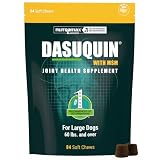
- Vet Recommended Joint Health Supplement for Dogs: More veterinarians recommend Dasuquin than any other brand, making it the #1 veterinarian recommended joint health supplement brand
- Better Together with ASU: Dasuquin goes beyond standard glucosamine supplements with avocado/soybean unsaponifiables (ASU), a unique ingredient that works synergistically with glucosamine and chondroitin to help support healthy joints and cartilage
- Proprietary Formula: With a unique combination that contains glucosamine hydrochloride (FCHG49), sodium chondroitin sulfate (TRH122), ASU (NMX1000), Boswellia serrata extract, and green tea extract, Dasuquin helps support your dog's joint health
- Tasty Soft Chews for Daily Use: Dasuquin comes in a tasty soft chew, making daily administration easy and convenient
- Exceptional Quality: Dasuquin is backed by science and undergoes thorough quality inspections to ensure your dog receives a safe, high-quality product. It is manufactured in the United States with globally sourced ingredients
5. Make every preventive examination comprehensive
How often to schedule visits
Healthy adult dogs generally need at least one examination each year. Puppies, seniors and dogs with chronic disease often need more frequent visits because their nutritional, vaccine, mobility and medication needs change faster.
Topics to cover
- Vaccines: Review core vaccines and lifestyle-based vaccines according to local disease exposure and the veterinarian’s schedule.
- Parasites: Check intestinal-parasite control and maintain the heartworm plan.
- Dental care: Examine teeth and gums and establish home care or professional cleaning when indicated.
- Nutrition: Recalculate calories, review treats and score body condition.
- Mobility: Discuss gait, stiffness, exercise surfaces and recovery after activity.
- Behavior: Address anxiety, destructive behavior, sleep changes and training concerns before they become safety problems.
- Reproductive decisions: Consider timing and health implications of neutering or breeding for this individual dog.
- Age- and breed-related risks: Decide whether additional examinations or tests are justified by findings, family history or life stage.
What to bring
Bring a food-and-treat log, current medication and supplement list, exercise pattern, vaccination records and videos of intermittent lameness, coughing or unusual breathing. Note the date of the last heartworm dose and any missed, vomited or delayed dose. These details make the appointment more useful than relying on memory.
6. A practical schedule from puppyhood through adulthood
During growth
- Confirm the predicted adult weight and select a complete diet formulated for large-breed growth when the estimate is at least 70 pounds.
- Set measured portions and a calorie allowance that includes extras.
- Have body condition, weight trend and muscle development reviewed at each puppy examination.
- Use controlled, low-impact activity; avoid forced repetitive impact and monitor recovery.
- Start FDA-approved heartworm prevention as directed. If the puppy is younger than 7 months, follow the American Heartworm Society testing sequence: test 6 months after the first visit, again 6 months later and annually thereafter.
- Report gait changes, pain, persistent stiffness or unusual fatigue promptly.
For a healthy adult
- Book at least one full examination every year.
- Continue year-round heartworm prevention and complete a heartworm test every 12 months.
- Recheck calories and body condition whenever activity, weight or reproductive status changes.
- Review mobility, dental care, vaccines, parasite control, behavior and breed-specific risks at the visit.
- Ask whether cardiac testing is indicated by examination findings, age, breed or family history rather than ordering a universal panel.
For a senior or medically complex dog
Ask whether examination frequency should increase and which monitoring is appropriate for existing disease. New stiffness, reduced stamina, weight change, coughing or breathing changes should trigger an earlier appointment instead of waiting for the routine visit.
Comparing preventive-care plans
When evaluating a clinic or wellness plan, compare the actual services rather than the label or price. A useful plan should make these items explicit:
| Comparison point | Questions to ask |
|---|---|
| Growth and weight | Will the team set a calorie target, record body-condition scores and adjust portions as the dog grows? |
| Orthopedic care | Will the examination include gait and range-of-motion assessment, and is follow-up available if stiffness appears? |
| Heartworm | Does the plan include year-round preventive prescriptions and a 12-month testing reminder? |
| Cardiac evaluation | Are ECG, echocardiography or blood-pressure tests recommended only when findings or risk justify them? |
| Continuity | Can you contact the team when weight, mobility or exercise tolerance changes between scheduled visits? |
Common mistakes and safer fixes
- Feeding by an overflowing bowl: Measure portions and count extras; revise the target with the veterinarian.
- Trying to “exercise away” excess food: Reduce calories with professional guidance instead of forcing a growing dog into high-impact activity.
- Waiting for obvious pain: Report subtle stiffness, reluctance or gait changes while treatment options are broader.
- Stopping heartworm prevention in a cold season: Follow the year-round recommendation and keep annual testing.
- Assuming one cardiac test fits every big dog: Let age, breed, family history and examination findings determine diagnostics.
- Relying on memory at the appointment: Bring logs, medication details and videos so intermittent problems can be evaluated accurately.
Bottom line
A large-breed dog’s best protection comes from consistent basics: lean, measured growth; controlled exercise; early attention to joint symptoms; year-round FDA-approved heartworm prevention with testing every 12 months; and a comprehensive veterinary examination at least annually. The veterinarian should adjust calories, visit frequency and cardiac or orthopedic testing to the dog’s age, breed, history and findings rather than applying one rigid schedule to every large dog.
Quick Recap
Product prices and availability are accurate as of the date/time indicated and are subject to change. Any price and availability information displayed on Amazon at the time of purchase will apply.

