
Do these 3 things before closing this tab:
1Repair Windows errors before they cause bigger problems2Fix the driver behind crashes, sound loss and screen glitches3Clear out junk files and repair common Windows errorsiTechGuides is reader-supported. When you buy through links on our site, we may earn an affiliate commission. As an Amazon Associate I earn from qualifying purchases. Learn more
Vanilla extract is usually stirred into a recipe’s wet ingredients before they are combined with the dry ingredients. Use the quantity stated in your recipe rather than a universal dose. It works in cakes, cookies, waffles, scones, sauces, pastry cream, ice cream, drinks, and confections. Pure vanilla extract is the most flexible default; a thicker, flecked sweetened vanilla blend suits recipes where visible vanilla seeds are desirable, and alcohol-free extract is an option when you prefer it.
For a concrete example, King Arthur Baking’s scone method calls for two teaspoons of vanilla extract whisked with the eggs and half-and-half or milk, then added to the dry mixture. That sequence illustrates the general technique, but the correct amount remains recipe-specific.
What vanilla extract does in a recipe
Vanilla extract contributes aroma and flavor rather than acting as the main structural ingredient. A small amount can make the flavors of butter, sugar, chocolate, fruit, spices, and dairy taste more rounded. In a vanilla-forward cake or custard it is noticeable on its own; in a chocolate cookie or fruit sauce it can sit in the background and make the finished food taste fuller.
The Tool Desk
Outbyte Driver Updater FREEScan for outdated or missing drivers - takes under a minuteDriver Scan →Outbyte PC Repair FREEClear out junk files and repair common Windows errorsFree Scan →Most recipes use vanilla as a liquid flavoring. Because the quantity is normally small, it is easiest to distribute it by whisking it into another liquid already called for in the method. Follow the recipe’s stated step and amount instead of adding extra simply because the mixture contains more flour or sugar.
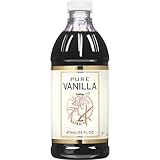
#1 Best Overall

- One 16 fluid ounce bottle of Pure Vanilla Extract
- Add rich vanilla to all your baking recipes
- Made with real vanilla bean extractives in water and alcohol
- Product is flammable and should be kept away from open flames
- Amazon Grocery has all the favorites you love for less. You’ll find everything you need for great-tasting meals in one shopping trip
When to add vanilla extract
Batters and doughs
Add vanilla at the wet-ingredient stage unless the recipe says otherwise. Whisk it into eggs, milk, cream, melted butter, or another liquid, then combine that mixture with the dry ingredients. This helps the extract disperse through the batter or dough.
King Arthur Baking’s scone recipe, updated July 10, 2026, is a clear example: two teaspoons of vanilla extract are whisked with the eggs and half-and-half or milk before the liquid is added to the dry ingredients. The recipe’s two-teaspoon quantity belongs to that formula; it is not a universal conversion for every scone, cake, or cookie.
Cakes, cookies, and waffles
Vanilla is commonly included in cake batters, cookie doughs, and waffle mixtures. Measure the extract, add it where the method places the other wet ingredients, and mix only as much as the recipe requires. If a recipe separates eggs or uses several liquid additions, use the specified addition point rather than guessing.
Scones and other mixed doughs
In a dough that is assembled quickly, whisking vanilla into the liquid before it meets the flour is especially practical. It avoids streaks of concentrated extract and does not require extra mixing after the flour has been moistened.
Sauces, pastry cream, and ice cream
Vanilla also flavors cooked or chilled preparations. King Arthur’s product guidance identifies vanilla sauce, pastry cream, and ice cream as applications, and describes a flecked sweetened vanilla blend as useful in sauces and ice cream. Add the extract at the point specified by the formula: some preparations take it into a warm liquid, while others add it after cooking so the aroma remains pronounced.
Drinks and confections
An alcohol-free vanilla product page lists drinks and confections as well as cookies and cakes. In a beverage or candy mixture, measure the amount in the recipe and stir until evenly distributed. If the recipe does not specify a quantity, start with the smallest amount that can be mixed thoroughly and adjust only in a test portion; different extracts vary in strength and sweetness.
Rank #2
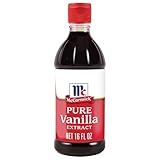
- DISTINCTIVE FLAVOR: McCormick vanilla extract is known for its rich, warm, sweet vanilla flavor and aroma; made with vanilla beans
- EVERYDAY ESSENTIAL: A must-have vanilla extract for the pantry, from beginner cooks to professionals, for use in sweet and savory baking and recipes like pancakes, cookies, cakes, icing, pie, and meat and seafood dishes
- A HOLIDAY TRADITION: No holiday is complete without the signature, nostalgic flavor of McCormick Pure Vanilla Extract in your favorite baked goods
- FEEL-GOOD FLAVOR: This vanilla extract for baking has no corn syrup and is gluten free; our vanilla extract is a flavor you can feel good about sharing with family and friends
- GROWN FOR GOOD: McCormick is committed to sustainability. Each year our goal is to source more vanilla through our Grown for Good Program. Visit our website for more information
A pre-bake glaze
King Arthur’s vanilla product guidance gives a specific sweet-bread glaze made from one tablespoon of sugar and one teaspoon each of water and vanilla extract, brushed on before baking. Treat this as that test-kitchen formula, not as a universal glaze ratio. A glaze containing extract should be mixed immediately before brushing so the sugar remains evenly suspended.
Free tools Windows power users keep installed
One-click scans. No signup required.
How much vanilla extract should you use?
There is no single amount that fits every recipe. The recipe writer may be balancing vanilla with citrus zest, cocoa, spices, fruit, or a delicate dairy base. Use the listed measurement, including its unit, and do not assume that a larger batch should receive a simple one-for-one increase unless the formula is being scaled deliberately.
| Situation | What the available guidance establishes | How to apply it |
|---|---|---|
| King Arthur scones | Two teaspoons of vanilla extract in the recipe updated July 10, 2026 | Whisk with the eggs and half-and-half or milk, then add to the dry ingredients. |
| Sweet-bread glaze | One teaspoon vanilla extract with one tablespoon sugar and one teaspoon water | Use as the cited glaze formula and brush before baking. |
| Other cakes, cookies, waffles, sauces, or ice cream | Amount is recipe-specific; no universal quantity is established | Follow that recipe’s measurement and addition step. |
If you are adapting a recipe, keep the extract’s volume the same when the recipe calls for a direct replacement. Do not assume that a sweetened vanilla blend, a concentrated paste, and a liquid extract have identical flavor intensity or sweetness unless the product instructions explicitly say so.
What can you use vanilla extract in?
Vanilla is not limited to plain vanilla desserts. Choose the application that matches the texture and flavor you want.
| Application | How vanilla is used | Useful choice |
|---|---|---|
| Cake and cupcake batter | Whisk into the wet ingredients before they are combined with dry ingredients. | Pure vanilla extract for an all-purpose liquid flavor. |
| Cookies | Add at the wet stage or wherever the dough method specifies. | Pure extract; an alcohol-free version if preferred. |
| Waffles | Mix into the liquid portion of the batter. | Pure extract or a sweetened blend when a little extra sweetness and visible flecks fit. |
| Scones and quick doughs | Whisk with eggs and dairy, as in King Arthur’s recipe. | Pure extract for a clear, even distribution. |
| Vanilla sauce or pastry cream | Add at the recipe’s indicated heating or cooling stage. | A flecked blend when visible seeds are wanted. |
| Ice cream | Flavor the base according to the ice-cream formula. | Pure extract or a flecked blend for a visible vanilla appearance. |
| Drinks | Stir into the liquid until fully dispersed. | Alcohol-free extract when that preference or technique calls for it. |
| Confections | Measure into the syrup, cream, or other mixture at the specified point. | Use the recipe’s stated form and quantity. |
Choosing among vanilla products
Different forms change flavor, appearance, texture, sweetness, and alcohol content. The following comparison reflects the product descriptions and guidance from King Arthur Baking, not a guarantee that every brand or harvest will taste the same.
Quick wins for a faster PC:
Clear out junk files and repair common Windows errorsFree Scan →Fix the driver behind crashes, sound loss and screen glitchesFind Drivers →| Option | Flavor or appearance | Best fit | Important qualification |
|---|---|---|---|
| Pure vanilla extract | Clear liquid with a general-purpose vanilla profile | Most cakes, cookies, waffles, scones, sauces, and drinks | Use the recipe’s specified amount. |
| Sweetened, flecked vanilla blend | Thicker texture, visible vanilla flecks, and added sweetness | Sauces, ice cream, pastry cream, and recipes where seeds are wanted | King Arthur says its Pure Vanilla Plus can replace vanilla extract in equal volume, but it contains sugar, so account for its sweetened character. |
| Alcohol-free vanilla extract | Vanilla carried in plant-based glycerin rather than alcohol, according to the product description | Drinks, confections, and baking when you prefer an alcohol-free product | Do not assume every alcohol-free extract has the same strength as another extract; follow its directions and the recipe. |
| Whole vanilla beans | Seeds and pod can provide visible specks and are also the raw material for homemade extract | Making your own extract or recipes that specifically call for a bean | A bean is not a universal volume-for-volume substitute for liquid extract. |
Vanilla flavor profiles by origin
Origin can help you choose a character that complements a recipe, although natural variation means these descriptions are not guarantees for every bottle.
Rank #3
Madagascar
King Arthur describes Madagascar vanilla as creamy and sweet. It is a dependable match for cakes, custards, ice cream, and other preparations where a familiar rounded vanilla note is wanted.
Tahitian
Tahitian vanilla is described as floral, with subtle cherry and almond notes. Those qualities can suit fruit desserts, light creams, and recipes where a more aromatic profile is desirable.
Mexican
Mexican vanilla is described as woodsy with hints of spice. It can complement chocolate, cinnamon, nuts, and other warm flavors, provided that profile fits the formula.
Recommended Free Tools
How to add vanilla without common mistakes
Measure rather than pour by eye
A free pour can easily exceed a recipe’s intended amount, especially from a narrow bottle. Use measuring spoons, level the measure, and keep the bottle away from the mixing bowl while measuring so drips do not change the dose.
Disperse it through the wet ingredients
When a recipe has eggs, milk, cream, or another liquid, whisk the extract into that portion. Adding it directly to a pile of flour can leave pockets of flavor. In a very small mixture, stir it into another liquid component before combining everything.
Account for sweetened products
A sweetened vanilla blend is not identical to unsweetened extract. If you use a product that contains sugar, remember that the recipe is receiving both vanilla and additional sweetness. Equal volume is specifically stated for King Arthur’s Pure Vanilla Plus, but the sweetness still matters to the balance of the finished food.
Rank #4

- Made with Pure Vanilla Extract and all naturally derived ingredients
- Concentrated, bake and freeze proof blend is ideal for baking
- No Artificial Colors or Flavors. Note: Contains Sulfites
- Non-GMO, Gluten Free, Corn Syrup Free, Kosher
- Crafted in the USA
Do not treat origin as a quality guarantee
Madagascar, Tahitian, and Mexican labels describe a typical flavor direction, not an assurance that every product tastes exactly alike. Storage, formulation, and harvest differences can change the result.
Keep the recipe’s timing
Moving vanilla from an early wet-ingredient step to a later stage can make mixing less even. Conversely, a recipe may intentionally add it after heating. Follow the method attached to the formula you are making.
How to make vanilla extract at home
King Arthur Baking’s home guide, published June 25, 2019, gives a practical infusion method. It is a home preparation, not a statement that the ratio automatically meets a regulatory definition for vanilla extract.
- Gather the ingredients and container. Use one to three vanilla beans for each six ounces of liquid, a clean jar, and a tight-fitting lid. The guide notes that using more beans can produce a more robust flavor.
- Prepare the beans. The guide discusses using seeded beans as well as beans with the seeds removed. Keeping the seeds in the jar can shorten the time before the mixture is ready; removing them requires a longer infusion.
- Keep the beans submerged. Place the beans in the jar and ensure the liquid covers them. Close the lid firmly to limit evaporation and contamination.
- Store in a cool, dark place. A cupboard away from the oven is preferable to a warm, bright location. Temperature and light changes can affect the infusion environment.
- Allow enough time. The guide says a seeded preparation may be ready in as little as one month, while beans with the seeds removed need at least three months.
- Judge readiness by aroma and flavor. Do not rely on one universal calendar date. Open the jar, smell the extract, and taste a small amount when you are deciding whether the infusion has developed enough character.
- Strain or retain the bean according to your plan. The bean can remain while you use the extract, but the guide says a bean left infusing for twelve months or more may begin to break down and can be strained out.
The same guide says homemade extract stored in a cool, dark place away from the oven will usually retain its flavor for at least a year after the bean is removed. That is a source-described observation, not an official shelf-life guarantee.
Home ratio versus regulatory standards
King Arthur notes that a higher bean proportion is needed to meet FDA extract standards than the one-to-three-beans-per-six-ounces home method it presents. Because the regulatory source itself is not part of the cited material here, do not label a jar made with this home ratio as FDA-compliant. Describe it as homemade vanilla infusion and use it according to its aroma, flavor, and storage condition.
Storage and handling
- Keep commercial extract tightly closed in a cool, dark cupboard when the product label gives no more specific instruction.
- Store homemade extract away from the oven and direct light.
- Keep homemade beans submerged during infusion.
- Inspect a homemade batch before use. If you see unexpected mold, strong off-odors, or other spoilage signs, discard it rather than trying to rescue it.
- Record the date you started a homemade batch so you can distinguish a one-month seeded infusion from a three-month seedless one and recognize when a bean has approached a year in the jar.
A practical decision guide
Choose pure extract when you need one bottle for many recipes
Pure extract is the straightforward default for cakes, cookies, waffles, scones, sauces, ice cream, drinks, and confections. It adds liquid flavor without deliberately adding visible seeds or extra sugar.
Best Value

- Our Madagascar Bourbon Pure Vanilla Extract has a luscious, layered flavor profile – creamy and mellow with velvety after-tones, for the perfect all-purpose vanilla.
- Family owned and operated for over a century, we are trusted and loved by Michelin-Starred chefs, avid foodies, and home cooks alike for our true-to-bean taste, superior quality, and commitment to supporting our vanilla farming communities.
- Our Vanilla Beans are hand-selected from the Bourbon Islands of Madagascar for a full-spectrum of natural vanilla flavors specific to their unique origin.
- Our Small Batch, Cold Process preserves more natural vanilla flavors and ensures maximum extraction
- All-Natural, Allergen-Free, Non-GMO Project Verified and Certified Kosher and Gluten-Free
Choose a flecked blend when appearance and texture matter
Use a thicker, sweetened blend when you want visible vanilla flecks in ice cream, pastry cream, or a sauce. Check the sugar contribution before substituting it in a tightly balanced formula.
Choose alcohol-free extract for a stated preference
An alcohol-free product made with plant-based glycerin is an option when you avoid alcohol or when the recipe’s technique calls for that style. Keep the product’s own directions in view rather than assuming all alcohol-free extracts behave identically.
Choose a homemade infusion when you want to control the beans and aging
Home extraction is appropriate when you can wait at least a month, keep the jar cool and dark, and monitor the aroma and flavor. It is not the quick choice for a cake you are baking immediately.
What’s actually slowing this PC down?
Pick the symptom - the matching free tool is one click away.
Troubleshooting vanilla-flavored recipes
The finished food tastes barely like vanilla
First check whether the recipe used a small amount intentionally and whether other strong flavors are present. A mild result does not automatically mean you should double the extract next time; change the amount only when you are deliberately adapting the formula.
The mixture has streaks or concentrated pockets
The extract may have been added directly to dry ingredients or not mixed thoroughly. Whisk it into the recipe’s liquid ingredients before combining wet and dry components.
The result is sweeter than expected
A sweetened vanilla blend may have replaced plain extract. Keep the equal-volume replacement guidance in mind, but account for the blend’s sugar when adjusting the recipe.
The homemade extract still smells weak
Check the infusion time and method. Seeded beans may need as little as one month, while beans with seeds removed need at least three months; the guide recommends judging aroma and flavor rather than a fixed date. Confirm that the beans stayed submerged and that the jar was kept cool and dark.
The homemade bean is breaking down
If a bean has remained in the jar for twelve months or longer, strain it out as the home guide suggests. Continue storing the liquid in a cool, dark place and evaluate its aroma before use.
Quick Recap
Key takeaways for everyday baking
- Follow the recipe’s quantity; vanilla has no universal dose.
- When the method includes wet ingredients, whisk the extract into them before adding the dry ingredients.
- Use pure extract as the general-purpose choice, a flecked sweetened blend for visible seeds and thicker texture, and alcohol-free extract when that preference fits.
- Match origin to the desired profile: Madagascar is described as creamy and sweet, Tahitian as floral with cherry and almond notes, and Mexican as woodsy with spice hints.
- For homemade extract, use one to three beans per six ounces as a home method, keep the jar cool, dark, tightly closed, and the beans submerged, and assess readiness by aroma and flavor.
Product prices and availability are accurate as of the date/time indicated and are subject to change. Any price and availability information displayed on Amazon at the time of purchase will apply.

