
Windows Errors? Fix Them Before They Spread
Repair common Windows errors and clear accumulated junk for a smoother, more stable PC - no reinstall needed.Free scan · no reinstallCrashes, No Sound, or Screen Glitches?
Random freezes, missing sound and display glitches usually trace back to one bad driver. Find and replace yours safely.Free scan · under a minuteiTechGuides is reader-supported. When you buy through links on our site, we may earn an affiliate commission. As an Amazon Associate I earn from qualifying purchases. Learn more
A 1970s car is collectible when buyers demonstrably seek that particular model and specification, and when the individual example’s condition, originality, completeness and documented history support a premium. Age alone proves none of those things. Identify the exact car, verify its story, inspect its real condition and compare it with completed sales of genuinely similar cars before calling it collectible or assigning a value.
What “collectible” means in practice
There is no universal legal definition of a collectible car. An insurer, club, tax authority and auction market may use different criteria. For a buyer or seller, the useful test is evidence: does this specific model/version attract repeated buyer interest, and does this particular car have the attributes those buyers pay for?
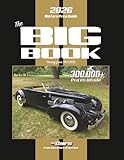
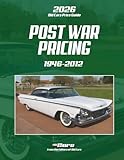


The 1970s included ordinary high-volume family sedans, fleet vehicles and economy cars as well as limited-production performance, luxury, off-road and special-edition models. Two cars wearing the same model badge can occupy entirely different markets if one has a rare engine, body style or factory package. A 1974 car is not automatically more desirable than a 1982 car, and a low odometer reading cannot rescue an in-demand model’s weak specification or severe corrosion.
- Market demand: repeated completed sales, active specialist interest and buyers willing to transact—not just optimistic advertisements.
- Identity and specification: the correct year, trim, body, engine, transmission, factory options and special packages.
- Condition and completeness: the physical state of the body, structure, interior, mechanical systems and equipment.
- Originality and provenance: what remains factory-correct, what was changed, and how well the history is documented.
- Comparable evidence: recent sales of cars close enough in specification and condition to support a realistic range.
These factors interact. A rare version with poor structure may be worth less than a common version in exceptional, documented condition, while a correctly restored example can command more than an untouched but incomplete project. There is no fixed percentage or dollar amount that every original part, mileage figure or condition grade adds to a car.
#1 Best Overall
Step 1: Identify the exact 1970s car
Start with an identity sheet before looking at prices. Record the information from the vehicle itself and from supporting records, rather than copying a seller’s headline.
| Item to record | Why it changes collectibility | How to verify it |
|---|---|---|
| Model year and build date | Production changes can affect engines, trim and safety equipment within one model year. | Read the VIN, data plate and available factory or marque records. |
| Make, model and trim | A performance or luxury trim may have a different market from the base car. | Match badges and equipment to period documentation; do not rely on a badge alone. |
| Body style | Coupe, convertible, wagon, sedan and pickup demand can diverge sharply. | Confirm the body configuration and whether it is factory-built or converted. |
| Engine and transmission | A particular engine/transmission combination may define the desirable version. | Check identification numbers, casting marks and records with a marque specialist. |
| Factory options and packages | Rare equipment can matter when authentic and complete. | Use build sheets, window stickers, option codes or specialist records where available. |
| VIN and ownership identity | A mismatched or altered identity undermines every valuation claim. | Compare VIN locations, title and registration history, and local records. |
Do not compare a documented special version with an ordinary version simply because both share a model name. The available sources establish that equipment and provenance matter, but they do not provide a universal VIN-decoding guide. For authentication, use records specific to the marque or a qualified specialist who knows that model’s production details.
Step 2: Test whether buyers want this version
Collectibility is a market observation, not a prediction. Search completed auction results and documented private sales for the same model, trim and relevant specification. A useful sample shows repeated transactions over time and enough detail to explain why the cars sold at different levels.
Quick wins for a faster PC:
Clear out junk files and repair common Windows errorsFree Scan →Fix the driver behind crashes, sound loss and screen glitchesFind Drivers →What to look for in sale records
- Several completed sales rather than one unusually high result.
- The exact engine, transmission, body style and factory package.
- Condition descriptions, photographs and any inspection information.
- Mileage, originality, restoration quality and included equipment.
- Sale date and location, because prices move with time and geography.
- Whether the result is a final transaction or merely an unsold lot or asking price.
Repeated bidding and completed purchases indicate demand more reliably than a page of advertisements. Asking prices show what sellers want, not what buyers paid. A single record-breaking sale can reflect exceptional provenance, a celebrity connection, a rare color or an unusually competitive auction; it is not a market average.
Demand may depend on one narrow feature. For example, buyers might consistently seek a manual-transmission coupe while ignoring an automatic sedan, or prefer an unmodified example while accepting tasteful period modifications in another model. Record what the sales have in common before deciding that the whole model is collectible.
No reliable statistic establishes what share of all 1970s cars are collectible. Avoid converting the age of the fleet into a percentage, and avoid promising appreciation. A car can be collectible because enthusiasts value it without being a sound investment.
Step 3: Grade the actual condition, not the advertisement
Words such as “excellent,” “restored” and “turn-key” are conclusions, not inspections. Describe visible and mechanical facts, then place the car on a consistent scale. Hagerty’s condition methodology uses four grades—Concours, Excellent, Good and Fair—and cautions that buyers and sellers can overrate a car’s condition. Its older Pocket Appraisal says: “There’s no substitute for a proper inspection of a car to determine its real condition.”
Do these 3 things before closing this tab:
1Clear out junk files and repair common Windows errors2Fix the driver behind crashes, sound loss and screen glitches3Repair Windows errors before they cause bigger problems| Hagerty grade | Practical meaning when comparing cars | Questions to document |
|---|---|---|
| Concours | Top-level presentation and correctness, suitable for the highest standard of judged display. | Is the finish, hardware, trim, compartment detail and equipment consistently exceptional and appropriate to the specification? |
| Excellent | Very high-quality condition with only minor imperfections that do not materially detract from presentation or operation. | Are any flaws limited, and is the restoration or preservation work documented? |
| Good | Sound, presentable condition with visible wear or imperfections; generally usable but not at show-winning level. | What wear, repairs or non-original details would a buyer notice immediately? |
| Fair | Running or restorable condition with substantial cosmetic, mechanical or completeness issues. | What work is required, and are structural corrosion or missing parts likely to change the decision? |
Use the grade as a comparison aid, not as a substitute for an examination. List the defects separately so two cars assigned the same broad grade can still be distinguished.
Inspect these areas
- Structure and corrosion: floor pans, frame rails, suspension mounts, rocker panels, wheel arches, windscreen surrounds and other water traps. Fresh undercoating can conceal repairs.
- Body and paint: panel alignment, accident repairs, bubbling, filler, paint thickness differences, color changes and evidence of poor preparation.
- Chrome, glass and trim: pitting, cracks, clouding, missing emblems, incorrect fasteners and unavailable replacement parts.
- Interior: seats, carpets, dashboard, gauges, headliner, switches, air conditioning and correct fabrics or patterns.
- Mechanical systems: cold start, oil pressure, cooling, leaks, braking, steering, gearbox operation, suspension, exhaust and electrical function.
- Completeness: spare wheel, jack, tools, manuals, emissions equipment and model-specific components.
- Restoration quality: photographs of disassembly, invoices, panel and engine work, and whether hidden areas received the same care as visible surfaces.
A low mileage reading is only one observation. It may be credible, but it does not prove untouched condition, and a replacement odometer or long storage can create other risks. Record what is known, what is inspected and what remains unknown.
Step 4: Check originality, modifications and paperwork
Originality matters because some buyers pay for factory specification, while others prefer a documented restoration or sympathetic period modification. There is no blanket rule that every modification lowers value. Its effect depends on the model, the quality of the work and what that model’s buyers actually seek.
Rank #3
Separate the car’s components into three groups
- Verified original: supported by factory records, matching numbers where relevant, period photographs or consistent physical evidence.
- Replaced or restored: changed parts or rebuilt systems with receipts, photographs and dates.
- Modified or unverified: upgrades, substitutions or claims that cannot be tied to reliable documentation.
Ask for the title and registration trail, service invoices, restoration receipts, old photographs, inspection reports and documentation for claimed factory equipment or special provenance. Check that dates, mileage and ownership names form a coherent timeline. A claim that materially raises the asking price should be treated as unverified until the paperwork supports it.
Look for reversible changes, but do not assume reversibility makes a modification harmless. A cut body, altered wiring, non-original engine or missing trim can be expensive to correct even when the seller says the original parts are included. Conversely, a professionally documented upgrade may be accepted—or valued positively—by a model’s enthusiast market. Let comparable transactions answer that question.
Step 5: Build a value range from comparable transactions
A valuation guide is a starting benchmark, not an appraisal of the car in front of you. Hagerty explains its approach in How to Find the Value of a Classic Car and on its About Our Conditions page. Hagerty says its Price Guide draws on auction results, asking prices, private-sale activity and specialist judgment, while noting that cars with the same year, make and model can vary greatly. Its methodology also considers inventory, demand, comparable-vehicle trends and broader market direction.
- Enter the exact year, model, body style and specification in a current guide.
- Note the guide’s condition category and the date and geography to which the figure applies.
- Find completed sales that match the car’s specification as closely as possible.
- Remove or label outliers whose provenance, condition or rarity is clearly different.
- Adjust your range for condition, mileage, originality, modifications, equipment, documentation and completeness.
- Write down the assumptions and unknowns instead of hiding them in a precise-looking number.
| Comparison axis | Adjustment question |
|---|---|
| Exact model and factory specification | Is the sale the same trim, engine, transmission, body and package? |
| Sale date and location | Was the market, season, currency and buyer pool comparable? |
| Condition | Does the body, structure, mechanical state and presentation justify the same grade? |
| Originality and modifications | Are factory details preserved, documented or changed in ways this market accepts? |
| Mileage | Is the reading credible, and does it correspond to documented use and wear? |
| Provenance and records | Does the sale include evidence that supports special ownership or build claims? |
| Completeness and equipment | Are correct trim, tools, manuals, spare parts and options present? |
If there are too few truly comparable sales, say that the evidence is thin. A broad, conditional range is more defensible than a highly precise figure based on unrelated cars. Keep the transaction date visible: a guide or sale result is not timeless, and geography can materially affect the buyer pool.
What Hagerty’s figures do—and do not—tell you
Hagerty’s current conditions page, accessed October 13, 2026, describes a valuation operation running “since 2006.” The page says a team of “more than a dozen people” monitors auction results, asking prices and private sales, and refers to activity associated with “more than a million owners.” Those figures describe Hagerty’s own tracked activity and owner population; they are not a census of all classic cars or proof that a particular 1970s model is collectible.
Free tools Windows power users keep installed
One-click scans. No signup required.
Hagerty explicitly asks readers to use its tools to understand the market, apply their own judgment and consult experts before buying or selling. Treat the guide as one input alongside independent completed sales and a physical inspection, particularly when a small change in condition or authenticity would alter the decision.
Step 6: Escalate when the uncertainty is expensive
Arrange a pre-purchase inspection by someone familiar with the marque when the identity story, corrosion, mechanical condition or restoration quality is unclear. A general inspection may miss model-specific frauds or weaknesses; a specialist can recognize incorrect castings, trim, wiring, body conversions and production details.
For a high-value purchase, estate, financing or insurance decision, consider a qualified appraiser. Ask what the report is valuing—market value, replacement value, agreed value or another basis—and which date, geography and condition assumptions it uses. The appropriate professional and scope depend on the purpose; there is no universal dollar threshold that automatically requires an appraisal.
Pause the transaction if you find any of these
- VIN plates, stampings or title information that do not agree.
- Structural corrosion or repairs that cannot be examined.
- A claimed rare package with no build documentation and no specialist confirmation.
- Fresh paint, underseal or a detailed engine bay hiding the areas you need to inspect.
- Inconsistent mileage, ownership dates or restoration invoices.
- A price justified by one exceptional sale rather than several close comparables.
Pause does not always mean walk away. It means make the missing evidence a condition of the decision, renegotiate for the risk or obtain an inspection before money changes hands.
A practical decision worksheet
Use this sequence for a specific car and keep the evidence with the listing or appraisal file.
Best Value
- Write the identity: year, VIN, model, trim, body, engine, transmission and factory options.
- Mark every claim: label it verified, documented but not independently checked, or unverified.
- Describe the condition: assign a Hagerty-style grade, then list defects and missing equipment by system.
- Map originality: identify original, restored, replaced and modified components.
- Collect comparables: save completed-sale links, dates, locations, specifications and condition notes.
- Set a range: explain each adjustment and identify the facts that could move the range.
- Choose the next action: buy, negotiate, inspect further, obtain an appraisal or walk away.
| Evidence result | Reasonable conclusion |
|---|---|
| Repeated sales for the exact version; strong condition and records | Collectible status is well supported, though the price still depends on inspection and market timing. |
| Demand for the model, but ordinary specification or incomplete history | It may be an enthusiast-owned old car; any premium should be limited to what the evidence supports. |
| Rare claim with no authentication | Do not price it as the rare version until a specialist verifies the identity. |
| Very few comparable transactions | Evidence is thin; use a cautious range and disclose the uncertainty. |
| Severe corrosion or unknown mechanical condition | Inspection and repair estimates matter more than a guide’s top condition number. |
Common mistakes that turn an old car into an expensive assumption
Using the decade as the investment thesis
“It is from the 1970s” is an age statement, not demand evidence. Start with the exact version and completed sales.
Copying an asking price
An unsold advertisement can remain online at an unrealistic figure. Separate advertised intentions from completed transactions.
Confusing a restoration with proof of value
Restoration quality, correctness and documentation vary. A large repair bill does not guarantee that the market will reimburse it.
Counting owners without checking the paper trail
Many owners can mean careful stewardship or repeated unresolved problems. Ownership count is context, not a value formula.
Assuming “original” always wins
Some markets prize factory correctness; others accept tasteful period upgrades. Compare the version’s actual buyer behavior and inspect the work.
Ignoring geography and date
A sale in one region and year may not translate directly to another market. Keep both visible in every comparison.
Skipping an inspection because the car looks good online
Photographs rarely establish structure, underside repairs, cold-start behavior or electrical reliability. The inspection is where hidden condition becomes a decision rather than a guess.
What’s actually slowing this PC down?
Pick the symptom - the matching free tool is one click away.
Bottom line: evidence, not age
Call a 1970s car collectible only when three statements can be defended: buyers repeatedly seek this exact version, this example’s condition and specification match what they pay for, and the identity and history are supported by records and inspection. If one of those is missing, describe the car more modestly as an old enthusiast vehicle or a project and price the uncertainty. Use valuation guides for orientation, completed sales for market evidence and a marque-qualified inspection for the facts photographs and seller descriptions cannot establish.
Quick Recap
Product prices and availability are accurate as of the date/time indicated and are subject to change. Any price and availability information displayed on Amazon at the time of purchase will apply.

