
The Tool Desk
Outbyte PC Repair FREEClear out junk files and repair common Windows errorsFree Scan →Outbyte Driver Updater FREEFix the driver behind crashes, sound loss and screen glitchesFind Drivers →iTechGuides is reader-supported. When you buy through links on our site, we may earn an affiliate commission. As an Amazon Associate I earn from qualifying purchases. Learn more
Store a vintage construction kit as two related collections: protect the paper instructions in an appropriately sized archival folder and box, while treating the plastic and other kit parts as a separate conservation problem. Handle instructions with clean hands on a clean, dry work surface; keep food and drink away; support every sheet; and avoid clips, rubber bands, dog-ear folds, tape and glue.
Keep sheets flat only when their condition allows it. A brittle or stiff folded sheet should not be forced open. Polyester sleeves can be useful for suitable, stable sheets, but they are not universal. No authoritative source located for this topic establishes a safe temperature, humidity target, cleaning method or container type for the varied plastics in vintage construction kits, so do not present generic bins, sealed bags, desiccants or temperature ranges as tested preservation rules.
Start by separating the paper from the kit parts
Construction kits combine materials that age differently. The instruction sheet may be brittle paper with old folds, pressure-sensitive tape, pencil notes or loose fragments. The kit itself may contain several kinds of plastic, metal, decals, labels or other materials with unknown prior exposure. A single storage decision cannot be assumed to suit both.
PC Slower Than It Used to Be?
A free scan shows the junk files, broken settings and background clutter dragging Windows down - then fixes them in one click.Free scan · Windows 10 & 11Crashes, No Sound, or Screen Glitches?
Random freezes, missing sound and display glitches usually trace back to one bad driver. Find and replace yours safely.Free scan · under a minute- Paper instructions: use archival-style folders, subfolders and a box that supports the sheets without crushing or exposing their edges.
- Kit parts: use a conservative, condition-led approach. The available archival guidance explains how housings should provide support and limit adverse or fluctuating conditions, but it does not prescribe a kit-specific plastic environment.
- Association: keep the instructions identified with their kit without attaching them with tape, rubber bands, paper clips or other damaging fasteners.
This separation prevents a common mistake: applying paper-storage advice as though it were a tested specification for every vintage plastic formulation.
#1 Best Overall

- Brand Background: Lineco is a leading and trusted brand for archival quality art, photography, and framing supplies
- Preservation: Our box can storage your photos and important documents. It is used by professional photographers to house prized photos, albums, and scrapbooks
- Premium Quality: Lineco storage boxes are manufactured in USA. This box is made with 60 point board and lined with acid-free archival quality and lignin-free
- Drop front design: Created with metal edge construction on the corners, adding great durability and strength. The lid does come off and it has a drop-front design, meaning it's super easy for you to storage your items in and out
- Overall Size: 9.75" x 12.75" x 3" for 9x12 Documents, Newspapers, Certificates, Pictures, Important Delicate Prints, and Old Pictures
Assess the condition before you move anything
Make a simple contents record
Record the kit name or number if known, the instruction sheets present, missing pages, unusual inserts and visible damage. Note whether sheets are loose, still folded, taped, annotated or stuck together. A contents record lets you maintain the relationship between parts and paperwork without writing on the paper or fastening anything to it.
Inspect without unfolding resistant sheets
Look for tears, detached pieces, flaking printing, powdery surfaces, oily or waxy media and old adhesive. Open a fold only as far as the paper moves freely. If resistance is obvious, stop; forcing the sheet can create a break along the fold.
Prepare a clean work area
The Library of Congress advises clean hands and a clean work surface when handling works on paper. Keep food and drink away. Clear the surface of grit, clips and loose objects that could catch an edge. Handle one sheet or stable group at a time, supporting it from underneath rather than lifting it by a corner.
Choose a supportive folder-and-box enclosure
Use the folder as the first layer of protection
National Archives and Records Administration (NARA) guidance describes folders or subfolders inside boxes as the normal way to house and organize loose paper records. Choose acid- and lignin-free folders; the Library of Congress also identifies buffered or neutral-pH options as appropriate characteristics for paper enclosures. These are material and design characteristics, not an endorsement of a particular retail product or certification.
The folder must be large enough that no sheet projects beyond its edge. An undersized folder can abrade corners whenever it is opened or returned to the box. Replace a folder that is badly damaged or no longer supports its contents.
Rank #2

- Archival material created and made in USA. Lineco is a leading and trusted brand for archival art, photography, and framing supplies
- CONSIDERATE DESIGN: Metal edge design and adhesive-free corners provide stacking strength and durability. The nylon pull string aids in removal from shelving
- CLAMSHELL DESIGN: The lid does not come off, as it is a clamshell design. Giving you the ease to open and close. Acid-free, lignin-free, buffered material stores documents from well
- DOCUMENT SOLUTION: Created for documents and files, great use for documents, files, prints, photos, art, newspaper and magazines ect. This storage box will keep your possessions in great care and quality
- SIZE: Overall size is 12.5" x 10.375" x 5" wide. Includes 12 letter-sized archival quality file folders
Size the box to the sheets
Use a document box that accommodates the folder without forcing it to bow or collapse. A box that is too large allows the folder to slump and the paper to shift; a box that is too small bends edges. The goal is support, not compression. Keep the instructions with their associated kit by labeling the enclosure or using a separate, non-contact identification record.
Store flat when the paper permits
Flat storage is appropriate when the sheets are stable and can be opened without force. It is not a reason to press a brittle sheet flat. NARA specifically allows infrequently used folded documents to remain folded and recommends leaving stiff, brittle or badly damaged records folded rather than forcing them open.
Quick wins for a faster PC:
Repair Windows errors before they cause bigger problemsFix Now →Scan for outdated or missing drivers - takes under a minuteDriver Scan →| Storage choice | Use it when | Important limitation |
|---|---|---|
| Folder inside a document box | Loose sheets need broad support, organization and protection during occasional handling. | Folder and box must fit the sheets; edges must not project; do not compress the contents. |
| Polyester L-sleeve | A flat, stable sheet has media that will not lift, offset or react problematically with plastic. | Sleeve must exceed the document size. Static and contact can displace or transfer some media. |
| Leave folded in a folder | The sheet is brittle, stiff, badly damaged or resists gentle opening. | Do not attempt home humidification, pressing or forced flattening; consult a paper conservator. |
Use polyester sleeves selectively, not automatically
Fit the sleeve larger than the document
NARA specifies that a polyester L-sleeve should be larger than the document so that no edge extends beyond it. The sleeve is a protective enclosure, not a substitute for a supporting folder and box. Keep sleeved sheets organized in the same appropriately sized enclosure as other instructions.
Check the media before sleeving
Do not use a sleeve with loosely adhered media, thickly applied waxy or oily media or flaking media. Static can displace some media, and certain materials can offset onto plastics. These warnings matter for instructions with unusual printing, drawings, transfers, pasted elements or annotations.
Prefer the folder-and-box route when uncertain
If you cannot identify the media or its surface is lifting, powdering, oily or tacky, use supportive paper housing rather than improvising with plastic. A sleeve is a conditional option for a suitable sheet, not a universal upgrade.
Rank #3
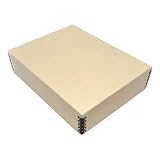
- Brand Background: Lineco is a leading and trusted brand for archival quality art, photography, and framing supplies
- Preservation: Our box can storage your photos and important documents. It is used by professional photographers to house prized photos, albums, and scrapbooks
- Premium Quality: Lineco storage boxes are manufactured in USA. This box is made with 60 point board and lined with acid-free archival quality and lignin-free
- Drop front design: Created with metal edge construction on the corners, adding great durability and strength. The lid does come off and it has a drop-front design, meaning it's super easy for you to storage your items in and out
- Overall Size: 9.75" x 12.75" x 3" for 9x12 Documents, Newspapers, Certificates, Pictures, Important Delicate Prints, and Old Pictures
Handle folded, brittle and damaged instructions conservatively
Do not force a fold open
A resistant fold is evidence that the paper needs specialist treatment, not more pressure. NARA recommends leaving resistant, brittle or badly damaged records folded and consulting a conservator about controlled humidification and flattening. Do not wet, steam, iron, press or humidify a vintage instruction at home; an uncontrolled treatment can distort paper, move inks or worsen breaks.
House torn pieces without changing their order
If a sheet has tears or multiple fragments and conservation help is not immediately available, place the pieces in a folder with archival paper between them. Keep fragments together and in their observed relationship, but do not tape them to one another or to the folder.
Know when to refer the item
Seek a paper conservator when a sheet is badly torn, brittle, moldy, actively flaking, stuck to another sheet, or important enough that a failed repair would be unacceptable. A conservator can determine whether controlled flattening, mending or other treatment is suitable.
Never use tape as a repair or attachment
NARA states: “Never use tape on any record in an attempt to repair a tear, maintain an association, or for any other purpose.” That prohibition includes clear household tape, masking tape and self-adhesive labels placed directly on the instructions.
Do not remove old tape casually
Existing tape is not a do-it-yourself cleanup project. NARA explains that adhesive removal is difficult and that unskilled attempts can tear paper, damage information or leave residue. Leave old tape in place until a conservator can assess it, and house the sheet so the taped area is not pulled or rubbed.
Rank #4
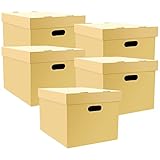
- Lineco is a leading manufacturer of archival storage for conservation of photos, documents, and artwork. Trusted by museums and archives, ideal for your family memorabilia
- Use these boxes for moving or storage items, preserving prints, documents, magazines, photos, stamps, envelopes, invoices, bills, papers, etc
- Ready-To-Assemble design allows for flat shipping and storage when not in use. No glue or tools are required for assembly, see instructions. Featuring cut-out handles, removable lid, and double layered bottom for additional strength
- These storage cartons feature double thick bottom panels, ensuring exceptional strength for the storage of documents and folders
- 12" x 15" x 10" Cartons, manufactured in the US from Tan Buffered Acid-free, lignin-free Corrugated B-Flute Board. Pack of 5
Do not discard historical fasteners automatically
Attached components and fasteners can carry information about how the kit was sold or used. NARA advises against separating historical fasteners or attached components when their association or significance may matter. If a fastener is actively damaging the paper, document the relationship and ask a conservator before removal.
Keep the paperwork associated without causing new damage
Use enclosure-level identification
Put the kit identifier on the folder or box, not on the instruction sheet. If a kit has several instruction versions or inserts, use subfolders or a contents record to preserve their order and relationship. This achieves association without a clip, rubber band or adhesive.
Separate handling copies from fragile originals
If the instructions will be consulted during building, remove only the enclosure you need and support the sheet on the clean work surface. Return it to the same folder after use. For a fragile original, consider consulting a conservator about a safe access copy rather than repeatedly unfolding the original; do not photocopy or scan a sheet that cannot be opened without force.
Minimize unnecessary handling
Plan the work before opening the box, keep the folder level, and avoid sliding sheets across one another. Handle edges with support from below and close the enclosure before moving it. These practices reduce opportunities for corner tears and accidental separation of fragments.
Free tools Windows power users keep installed
One-click scans. No signup required.
What can—and cannot—be said about the plastic parts
The evidence boundary
The available search did not locate an authoritative conservation source that gives storage temperature, relative humidity, light exposure, cleaning instructions or container recommendations specifically for the plastics used in vintage construction kits. Kits may contain several polymers and may have unknown previous exposure, additives, coatings or repairs.
Best Value

- Bundle Pack: each package includes 10 archival record storage cartons; This larger pack size ensures that you have enough storage boxes to declutter your space effectively; A perfect choice for bulk storage needs in offices, libraries or at home
- Generous Size: with dimensions of 15 x 12 x 10 inches (LxWxH), our archival storage boxes provide ample space for your storage needs; With such generous proportions, these boxes are designed to accommodate a wide variety of items
- Quality Material: our archival boxes are crafted from acid free paper and corrugated board; This ensures that your stored documents and keepsakes have the optimal protection they deserve; These storage cartons offer reliable durability for long-lasting use
- Ready to Use: the ready to use design of our acid free box allows for transport and storage when not in use; No glue or tools are required for assembly; Please refer to the picture assembly instructions; Features cut-out handle, removable cover and thickened cardboard for added strength
- Multi Functional Use: our archival boxes storage can be applied to store prints, documents, magazines, photos, stamps, envelopes, invoices, paper, and more; They're also ideal for keeping family mementos; These boxes are a versatile container
Accordingly, there is no source-backed universal prescription here for a particular plastic bin, sealed bag, desiccant, temperature range or humidity range. Presenting one as proven could damage a kit whose material or condition differs from the assumption.
Use general archival reasoning, not invented specifications
NARA explains generally that housings provide physical support and protection from adverse or fluctuating environmental conditions, and that storage choices should reflect format, composition, condition, anticipated use and available resources. That is a decision framework, not a kit-specific environmental target.
For an ordinary kit with uncertain materials, keep the parts physically supported, avoid crushing or abrasion, and do not make irreversible cleaning or treatment decisions based on a generic plastics tip. If parts are sticky, cracked, crazed, brittle, discolored, shedding or otherwise deteriorating, consult a conservator familiar with plastics before selecting a long-term enclosure.
Recommended Free Tools
Escalate rare or deteriorating kits
A rare kit, a kit with visible active deterioration, or one with valuable original packaging deserves an assessment from a qualified objects or plastics conservator. Tell the conservator what materials are present, how the parts were previously stored and whether any surface is tacky, powdery or cracked. This referral reflects the limits of the available evidence; it is not a claim that the cited archival sources prescribe a particular plastics treatment.
Independent reader supportYour contribution helps us test, update, and keep practical guides available for everyone.A step-by-step storage workflow
- Set up the workspace. Wash and dry your hands, clear a clean surface, and remove food, drink and loose metal objects.
- Document the kit. Record the kit identifier, instruction sheets, inserts, missing pieces and visible damage without writing on the originals.
- Separate paper from parts. Place the instructions in their own temporary, clean support while you assess the kit components.
- Inspect every sheet gently. Note folds, tears, old tape, loose fragments, flaking media and oily or waxy surfaces. Stop at any fold that resists opening.
- Select the paper enclosure. Start with an acid- and lignin-free folder, sized so no sheet projects beyond its edge, then place it in a suitably sized document box.
- Decide whether a sleeve is appropriate. Use a polyester L-sleeve only for a stable sheet whose media is not loose, waxy, oily or flaking, and ensure the sleeve is larger than the document.
- Leave damaged folds alone. Keep stiff, brittle or badly damaged sheets folded rather than flattening them. Arrange a conservator consultation for controlled humidification or other treatment.
- House fragments safely. Put torn pieces in a folder with archival paper between them if professional help is unavailable immediately; do not tape or glue them.
- Label the enclosure. Identify the kit on the folder or box and use a contents record to preserve relationships among sheets, inserts and parts.
- Choose parts storage conservatively. Do not assume a generic plastic container, sealed bag, desiccant or climate number is suitable. Base the decision on the parts’ composition and condition, seeking specialist advice when uncertain.
- Review before each use. Open only what you need, support the paper, and return every sheet to its documented location after handling.
Troubleshooting common situations
| Situation | Safe response | Avoid |
|---|---|---|
| The sheet will not open flat | Leave it folded in a supportive folder and ask a conservator about controlled flattening. | Forcing, pressing, steaming, wetting or ironing it. |
| Old tape is holding a tear | Support the sheet and leave the tape for professional assessment. | Peeling, scraping or solvent-based adhesive removal. |
| Several fragments are loose | Keep them together in a folder with archival paper between pieces. | Taping, gluing or discarding pieces that seem unimportant. |
| Ink or a drawing is flaking | Use a folder-and-box enclosure and minimize handling; obtain conservation advice. | Putting it in a static-prone sleeve or rubbing the surface. |
| The sheet has oily or waxy media | Avoid a polyester sleeve and use supportive paper housing. | Assuming every clear sleeve is inert for every medium. |
| A folder is too small | Replace it with one that fully supports the sheets and fits the box. | Allowing corners or edges to project. |
| Plastic parts are sticky, cracked or powdery | Limit handling and consult a conservator familiar with plastics. | Applying an untested cleaner, oil, desiccant or sealed-storage recipe. |
Do not confuse packaging claims with preservation guidance
Manufacturer packaging figures can describe production choices without establishing how to preserve an older kit. For example, a 2025 sustainability statement from LEGO says that 95% of its packaging by weight is paper, cardboard and other paper-based materials, that 56% of global packaging lines had transitioned to a new paper-based solution, and that around 180 paper types and formats were tested. Those figures concern contemporary packaging development; they do not specify archival paper quality, plastic-part storage conditions or a preservation method for vintage construction kits.
Review the collection periodically
At a sensible interval, check that folders still support their contents, no sheet edge has migrated beyond a folder, and no new tearing, flaking, tackiness or powdering is visible. Review the contents record after a building session so missing inserts or detached fragments are noticed promptly. If condition changes, stop routine handling and obtain conservation advice rather than escalating to a stronger home repair.
The defensible long-term plan is therefore specific for paper and deliberately cautious for parts: archival-style support for instructions, no adhesive repairs, no forced flattening, and specialist assessment whenever the material or damage falls outside those boundaries.
What’s actually slowing this PC down?
Pick the symptom - the matching free tool is one click away.
Quick Recap
Product prices and availability are accurate as of the date/time indicated and are subject to change. Any price and availability information displayed on Amazon at the time of purchase will apply.

