
iTechGuides is reader-supported. When you buy through links on our site, we may earn an affiliate commission. As an Amazon Associate I earn from qualifying purchases. Learn more
Start by emptying the container, rinsing it, wiping away grease, and washing it with dish soap and warm water. If the container is marked as dishwasher-safe, use the top rack and dry it with a towel or the dishwasher’s low-heat cycle. For a stain that remains after washing, the American Cleaning Institute (ACI) suggests a few hours of direct sunlight or a mild bleach soak. For smells, use either a baking-soda-and-water scrub or undiluted vinegar, then wash the container again.
These treatments are for ordinary plastic food containers. Follow the manufacturer’s instructions for dishwasher and microwave use, and replace a container that remains badly stained, has degraded, or has warped or melted from heat.
Quick decision guide
Choose the treatment by the problem that remains after a normal wash. A stain is a color or film that stays on the plastic; an odor is a smell that remains after the container looks clean.
PC Slower Than It Used to Be?
A free scan shows the junk files, broken settings and background clutter dragging Windows down - then fixes them in one click.Free scan · Windows 10 & 11Outdated Drivers Are Slowing You Down
One free scan finds every outdated or missing driver and matches the right update for your exact hardware.Free scan · exact hardware match| What you notice | First action | If it remains | When to stop using the container |
|---|---|---|---|
| Food, grease, or visible residue | Rinse, wipe off excess grease, and wash with dish soap and warm water. | Use the dishwasher’s top rack only if the container is suitable for dishwasher cleaning. | Clean and dry it before deciding whether a mark or smell is still present. |
| Color stain after washing | Leave the clean container in direct sunlight for a few hours. | Soak it in a mild solution of 2 teaspoons of bleach per gallon of water; the ACI page does not specify a soak duration. | ACI says to throw it away if the stain will not budge. |
| Persistent odor | Scrub with 1 teaspoon baking soda mixed with 1 cup water. | Try undiluted vinegar, then wash the container. | Replace it if the smell persists along with deterioration or heat damage. |
| Warping or melting after heating | Stop using it for heating and check the manufacturer’s instructions. | Do not try to restore a heat-damaged shape with cleaning. | Replacing a warped or melted container is the conservative choice. |
The stain and odor treatments above come from the American Cleaning Institute’s plastic-container guidance. The replacement notes about heat damage and food safety are informed by USDA Food Safety and Inspection Service guidance on microwave ovens.
#1 Best Overall

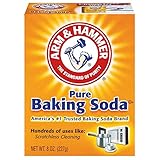
- A HOUSEHOLD CLASSIC: This 2.7 lb resealable bag of ARM & HAMMER Baking Soda unlocks 100+ uses across your home—from kitchens and laundry rooms to crafting tables and beyond
- PURE & NATURAL: America’s Most Trusted Baking Soda Brand is safe to use around kids and pets; no additives or chemicals, no cornstarch, and no fragrance
- FOOD-GRADE FOR BETTER RESULTS: USP-grade 1 crystals create fluffier cakes, muffins, cookies, and breads; use it in gluten free, kosher, vegan, paleo-friendly, and organic baking recipes
- DIY HOME HACKS: A multi-purpose essential to help freshen carpets, brighten laundry, freshen drains, scrub sinks, clean jewelry, craft kids’ sensory play & science experiments with one ingredient
- SUSTAINABLY MADE IN THE USA: Proudly made and packaged in Green River, Wyoming, using 100% certified renewable energy for a more sustainable, quality baking soda you can trust
Clean the container before treating a stain or odor
Sunlight, baking soda, vinegar, and bleach are treatments for residue that survives ordinary washing. They are not substitutes for removing food. Cleaning first also tells you whether you have a true stain or odor rather than a layer of grease holding color and smell.
1. Empty and rinse
- Remove every piece of food and scrape out material that is stuck to the sides.
- Rinse the container with hot water to loosen remaining particles.
- Wipe away visible grease before adding dish soap. Grease left on the surface can make a container look dirty even after a color mark has faded.
2. Wash by hand or in the dishwasher
Wash the container with dish soap and warm water. If the manufacturer says the item is dishwasher-safe, place it on the dishwasher’s top rack. Do not assume that every plastic container can tolerate a dishwasher’s heat or drying cycle; use the care instructions that came with the container.
3. Dry completely
Dry with a kitchen towel or use the dishwasher’s low-heat drying cycle. Check the dry container under good light and smell it only after it has cooled. A clean, dry surface makes the next treatment easier to assess.
Free tools Windows power users keep installed
One-click scans. No signup required.
Remove a stain that remains after washing
Tomato-based foods, spices, and other strongly colored meals can leave a visible mark even when the container is clean. The ACI recommends two approaches: direct sunlight or a mild bleach solution. Use one approach at a time and wash the container afterward.
Rank #2
Option 1: Direct sunlight
- Wash and dry the container first.
- Place it in direct sunlight for a few hours, with the stained area exposed.
- Bring it inside, wash it again with dish soap and warm water, and dry it.
- Inspect the surface. If the color is still present, you can move to the bleach method or decide that replacement is more sensible.
The ACI describes sunlight as a treatment to try for a few hours; it does not promise that every stain will disappear. Weather, shade, and the container’s location affect how much direct sun it receives, so treat “a few hours” as the stated suggestion rather than a guaranteed timetable.
Option 2: A mild bleach soak
- Start with a clean container and prepare a mild solution using 2 teaspoons of bleach per gallon of water.
- Cover the stained surfaces with the solution. The ACI guidance does not state how long the container should soak, so do not invent a fixed duration; follow the product label and your local safety instructions.
- Drain the solution completely.
- Dry the container thoroughly, then wash it with dish soap and warm water before using it for food.
Measure the ratio rather than pouring an arbitrary amount of bleach. Keep the treatment limited to the stated mild solution, and do not treat a container that is already cracked, warped, or breaking down as though it were sound.
When a stain is a replacement signal
ACI’s endpoint is clear: “If the stain won’t budge, throw the container away!” A color mark that survives normal washing, sunlight, and the mild-solution option is not a reason to keep escalating cleaners. Discard the container instead, particularly if the plastic is scratched, brittle, cloudy, or otherwise degrading.
Remove an odor that remains after washing
Smell can linger after the food has gone, especially when the container has held aromatic meals. Start with the measured baking-soda scrub; use undiluted vinegar as the alternative supplied by ACI. Wash the container after either treatment.
Rank #3

- A HOUSEHOLD CLASSIC: This bulk 7 lb resealable bag of ARM & HAMMER Baking Soda unlocks 100+ uses across your home—from kitchens and laundry rooms to crafting tables and beyond
- PURE & NATURAL: America’s Most Trusted Baking Soda Brand is safe to use around kids and pets; no additives or chemicals, no cornstarch, and no fragrance
- FOOD-GRADE FOR BETTER RESULTS: USP-grade 1 crystals create fluffier cakes, muffins, cookies, and breads; use it in gluten free, kosher, vegan, paleo-friendly, and organic baking recipes
- NATURAL HOME HELPER: Freshen carpets, brighten laundry, scrub sinks, wash fruits and vegetables, refresh grills and cookware, and cut pet odors without harsh chemicals
- DIY HACKS: A multi-purpose essential for small spaces and apartments; create exfoliating scrubs, freshen drains, or clean jewelry with one versatile ingredient
Option 1: Baking soda and water
- Mix 1 teaspoon of baking soda with 1 cup of water.
- Scrub the inside of the clean container with the mixture, reaching the corners, lid rim, and grooves where residue can remain.
- Rinse and wash the container with dish soap and warm water.
- Dry it completely and check the smell again.
This is the ACI’s measured formula: “For containers that stink, try a baking soda and water scrub (1 teaspoon of baking soda with one cup of water) …” The ratio is small enough to mix for one container; make a fresh batch when you need more rather than guessing at a stronger concentration.
Option 2: Undiluted vinegar
- Apply undiluted vinegar to the clean container’s interior.
- Work it over the surfaces that held the food and around the lid seal.
- Wash the container afterward with dish soap and warm water.
- Dry it fully before judging whether the original odor remains.
ACI lists undiluted vinegar as an alternative odor treatment. Because the guidance does not specify a vinegar contact time or a dilution, do not add an unverified soaking schedule or change the stated concentration.
If the smell keeps returning
Repeat the normal wash and one of the two ACI treatments only while the container remains in good condition. Persistent odor combined with deep scratches, a sticky or degraded surface, cracks, or heat damage is a practical reason to replace the item rather than keep increasing treatment strength. A container that is clean and intact but still smells may simply be unsuitable for storing strongly aromatic foods; reserve it for foods that do not transfer a noticeable odor, or retire it.
What’s actually slowing this PC down?
Pick the symptom - the matching free tool is one click away.
Prevent new stains and smells
Prevention is easier than repeated treatment. ACI suggests two ways to reduce contact between food and the plastic.
Use a light cooking-spray barrier
Before using the container, spray the inside with unflavored cooking spray. Keep the coating light and even; the goal is a barrier between the food and the plastic, not a pool of oil. Wash the container normally after the meal.
Rank #4

- POP ONE IN, STOP ODOR: Pack of 12 x 14 oz ARM & HAMMER Fridge-n-Freezer Baking Soda Odor Absorbers helps food taste as it should by absorbing and deodorizing lingering odors without harsh chemicals
- SPILL-PROOF DESIGN: Built-in Flo-Thru technology lets air circulate through dual-panel vents for maximum odor control while preventing spills, a must-have for home or commercial kitchens
- SMALL SPACE SUPERSTAR: Works to neutralize odors, not just mask them, in enclosed spaces like the pantry, cabinets, closets, under bathroom sinks, pet areas, and beyond
- LONG-LASTING UP TO 30-DAYS: To use, remove perforated panels on the front and back; place upright to absorb unwanted odors, and replace every 30 days for best results
- UNSCENTED ODOR ABSORBER: No fragrance or essential oils added; made with ARM & HAMMER Pure & Natural Baking Soda, sustainably made in Green River, Wyoming
Line containers that are not used for cooking
For a container that is used only for storage, ACI suggests lining the interior with foil or plastic wrap. Cover the surfaces that would otherwise touch the food, then remove and discard the liner after use. The liner does not change the container’s dishwasher or microwave rating, so continue to follow the manufacturer’s instructions.
Control residue before it dries
Empty food promptly, rinse the container, and wipe away grease before washing. Dry it after cleaning instead of closing a damp container. These habits keep residue from sitting on the plastic and make it easier to notice a genuine stain or odor early.
Dishwasher, drying, and heat-damage decisions
Use the top rack only when the container is rated for dishwasher cleaning
The ACI’s cleaning sequence allows a dishwasher’s top rack for a suitable container. “Top rack” is not a universal guarantee: containers differ in plastic type, lid design, and heat tolerance. If the care marking is missing or unclear, hand-wash with dish soap and warm water instead of treating dishwasher use as automatically safe.
Choose a low-heat drying method
After washing, dry with a kitchen towel or use the dishwasher’s low-heat cycle. Excess heat can change the shape of some plastics, and a deformed lid may no longer seal correctly. Let the container cool before evaluating its shape or smell.
Best Value

- One 4-pound resealable bag of Baking Soda
- Great for baking, cleaning & freshening
- Amazon Grocery has all the favorites you love for less. You’ll find everything you need for great-tasting meals in one shopping trip
- Feed your every day with Amazon Grocery
What to do after microwave warping or melting
USDA FSIS advises following the manufacturer’s microwave instructions and discarding food cooked in a container that warped or melted during heating. A container that has visibly warped or melted should be removed from normal use; cleaning cannot restore the original material or shape. Check the manufacturer’s guidance before using any replacement container in a microwave.
Independent reader supportYour contribution helps us test, update, and keep practical guides available for everyone.Do not generalize cutting-board advice to every container
USDA FSIS says that nonporous acrylic, plastic, glass, and solid-wood cutting boards can be washed in a dishwasher. It also recommends replacing plastic cutting boards when they are excessively worn or develop grooves that are hard to clean. That advice is specifically about cutting boards, not a universal rule that every plastic food container is dishwasher-safe or should be replaced on the same schedule.
For a food container, use its own care instructions and inspect its actual condition. A scratched or grooved surface that traps food is harder to clean; if it cannot be cleaned effectively, replacement is safer than repeatedly treating it.
When switching from plastic to glass makes sense
If a plastic container repeatedly stains, retains smells, or degrades, replacing it may be more useful than trying stronger cleaners. ACI describes glass containers as sturdier and less likely to stain or degrade over time. That is a general material comparison, not a guarantee that every glass container has the same lid, dishwasher, freezer, or microwave capabilities.
When choosing a replacement, check the specific manufacturer’s instructions for heating, dishwasher use, and temperature changes. A glass container can solve the plastic-staining problem while still requiring proper handling and care.
A complete, low-risk workflow
Use this sequence when you are unsure which problem you have:
Quick Recap
- Identify the issue. Decide whether you see food or grease, a color stain, an odor, or physical damage.
- Clean first. Empty, rinse, wipe grease, wash with dish soap and warm water, and dry. Use the dishwasher’s top rack only if the container is rated for it.
- For a stain, choose sunlight first. Expose the clean container to direct sunlight for a few hours, then wash and dry it again.
- If needed, use the stated mild bleach ratio. Prepare 2 teaspoons per gallon of water, drain it completely, dry thoroughly, and wash the container afterward. Remember that no soak duration is specified by ACI.
- For an odor, use the measured scrub. Scrub with 1 teaspoon of baking soda in 1 cup of water, then wash and dry. If the odor remains, try undiluted vinegar and wash afterward.
- Inspect before reuse. Look for cracks, deep scratches, a sticky or degraded surface, warping, or melting. Do not keep escalating chemical treatment on damaged plastic.
- Replace when cleaning has reached its limit. Follow ACI’s advice to discard a stain that will not budge, and replace heat-damaged or deteriorated containers.
Common mistakes to avoid
- Skipping the first wash: A treatment applied over grease or food residue may not address the underlying problem.
- Guessing the bleach amount: Use the stated 2-teaspoon-per-gallon ratio for the mild solution; do not substitute a stronger mixture.
- Inventing a bleach soak time: ACI gives the ratio but does not state a duration.
- Leaving treatment residue behind: Drain and dry after the bleach soak, and wash the container after bleach, baking soda, or vinegar treatment.
- Assuming every plastic item is dishwasher-safe: The top-rack instruction applies when the container is suitable for dishwasher cleaning.
- Trying to clean physical damage away: Warping, melting, cracks, and severe wear are condition problems, not stains.
- Applying cutting-board rules to containers: USDA’s dishwasher and groove guidance is specifically for cutting boards.
- Continuing to use an unfixable stain: ACI’s recommendation is to throw away a container when the stain will not budge.
Practical checklist
- Food removed and container rinsed.
- Grease wiped away.
- Dish soap and warm-water wash completed.
- Dishwasher use limited to a container rated for it, on the top rack.
- Container dried with a towel or low heat.
- Stain treated with direct sunlight, then—if necessary—the stated mild bleach solution.
- Odor treated with 1 teaspoon baking soda per cup of water or undiluted vinegar.
- Container washed after every treatment.
- Warped, melted, severely worn, or permanently stained plastic removed from service.
Product prices and availability are accurate as of the date/time indicated and are subject to change. Any price and availability information displayed on Amazon at the time of purchase will apply.

