
Free tools Windows power users keep installed
One-click scans. No signup required.
iTechGuides is reader-supported. When you buy through links on our site, we may earn an affiliate commission. As an Amazon Associate I earn from qualifying purchases. Learn more
Windows normally restores a keyboard driver automatically after you remove the keyboard from Device Manager. That is the safest reinstall method for most built-in, USB, and wireless keyboards. If it does not fix the problem, you can update the driver manually, check Windows Update, or remove a specific driver package with PnPUtil.
These steps apply to Windows 11 and Windows 10. Windows 10 still runs after its support deadline, but Microsoft ended normal free software updates, technical support, and security fixes for it on October 14, 2025.
Before reinstalling the driver
First determine whether Windows is failing to load the keyboard or whether the keyboard is not communicating with the computer at all.
- USB keyboard: unplug it, reconnect it directly to another USB port, and remove any USB hub or adapter from the connection.
- Wireless keyboard with a USB receiver: replace or recharge the batteries, unplug the receiver for about 10 seconds, and reconnect it.
- Bluetooth keyboard: check Bluetooth settings and pairing in addition to reinstalling drivers.
- No lights or response: test the keyboard on another computer. If it fails there too, the keyboard or its cable may need replacement.
If another keyboard works on the same computer, use it while following the steps below. Windows also includes the Microsoft keyboard troubleshooting guidance.
#1 Best Overall

- KEYBOARD: The keyboard works for Windows with hot keys that enable easy access to Media, My Computer, Mute, Volume up/down, and Calculator
- EASY SETUP: Experience simple installation with the USB wired connection
- VERSATILE COMPATIBILITY: This keyboard is designed to work with multiple Windows versions, including Vista, 7, 8, 10 offering broad compatibility across devices.
- SLEEK DESIGN: The elegant black color of the wired keyboard complements your tech and decor, adding a stylish and cohesive look to any setup without sacrificing function.
- FULL-SIZED CONVENIENCE: The standard QWERTY layout of this keyboard set offers a familiar typing experience, ideal for both professional tasks and personal use.
Method 1: Uninstall and reinstall the keyboard in Device Manager
This is the standard reinstall procedure. It does not require you to manually delete files from C:WindowsSystem32drivers.
- Open Start, type Device Manager, and select it from the results.
- Expand Keyboards.
- Right-click the affected keyboard. It may be listed as a standard keyboard, HID keyboard device, or by the manufacturer’s name.
- Select Uninstall device.
- In the confirmation window, select Uninstall. If Windows offers a checkbox to remove driver software, only select it when you specifically intend to remove that package and have a replacement driver available.
- Restart the computer. During startup, Windows should detect the keyboard and reinstall the appropriate driver automatically.
If the keyboard is not listed again after restarting, open Device Manager, select Action from the menu, and choose Scan for hardware changes.
If there are several entries under Keyboards
Do not remove every entry blindly, especially on a laptop. The internal keyboard may be represented by a standard HID or PS/2 device, while an external keyboard has its own entry. Start with the device showing a warning icon or the device that appeared when you connected the problem keyboard. If you are unsure, uninstall one affected entry, restart, and check the result before removing another.
What’s actually slowing this PC down?
Pick the symptom - the matching free tool is one click away.
Method 2: Use the driver update wizard
Use this method when Device Manager shows an error or when you have downloaded a driver from the keyboard or computer manufacturer.
Rank #2

- All-day Comfort: The design of this standard keyboard creates a comfortable typing experience thanks to the deep-profile keys and full-size standard layout with F-keys and number pad
- Easy to Set-up and Use: Set-up couldn't be easier, you simply plug in this corded keyboard via USB on your desktop or laptop and start using right away without any software installation
- Compatibility: This full-size keyboard is compatible with Windows 7, 8, 10 or later, plus it's a reliable and durable partner for your desk at home, or at work
- Spill-proof: This durable keyboard features a spill-resistant design (1), anti-fade keys and sturdy tilt legs with adjustable height, meaning this keyboard is built to last
- Plastic parts in K120 include 51% certified post-consumer recycled plastic*
- Open Device Manager.
- Expand Keyboards.
- Double-click the affected keyboard.
- Open the Driver tab and select Update Driver.
- Choose Search automatically for drivers. Windows searches its local driver store and available update sources.
- If you already downloaded a driver, select the option to browse for drivers and point Windows to the extracted driver folder.
A message saying that the best driver is already installed does not prove that the current driver is healthy or that a newer driver exists. Windows Update may not offer a keyboard driver at all. For gaming keyboards, programmable keyboards, and keyboards with special media or macro keys, download the model-specific software from the manufacturer’s official support page. A generic Windows keyboard driver may restore typing but not those extra functions.
Method 3: Check Windows Update
- In the taskbar search box, type check for updates.
- Select Check for updates.
- In the Windows Update settings page, select Check for updates again.
- Install any applicable updates and restart the computer.
Windows Update is worth checking, but it is not guaranteed to provide a newer keyboard driver. If the problem began immediately after a Windows update, you can try removing that update:
- Open Start > Settings > Windows Update > Update history.
- Select Uninstall updates.
- Choose the recent update and select Uninstall.
- Restart Windows and test the keyboard.
Some updates cannot be uninstalled. Avoid removing an update solely because it is old; target the update that matches when the keyboard stopped working.
Advanced method: remove a driver package with PnPUtil
Use this only when Device Manager cannot remove the faulty package or when you know which third-party driver package is causing the problem. Removing the wrong package can affect other devices.
Rank #3

- Durable and Reliable: This USB keyboard features a curved space bar, spill-resistant design (2), durable keys that can withstand 10 million keystrokes, and sturdy, adjustable tilt legs
- Comfortable, Familiar Typing: You’ll enjoy a comfortable and familiar typing experience thanks to the deep-profile keys and standard layout with full-size F-keys and number pad
- Full-size Sculpted Mouse: The high-definition optical USB mouse puts comfort and control in your hands with smooth, accurate tracking and an ambidextrous shape that feels good hour after hour
- Simple Set-Up: Simply plug the keyboard and mouse into the USB ports on your desktop, laptop, or netbook and you're ready to work; compatible with Windows 7, 8, 10 or later
- Clear and Convenient: The bold, bright white and long-lasting characters make the keys on this PC or laptop keyboard easy to read and extra durable
- Open Start, type Command Prompt, right-click it, and select Run as administrator.
- List third-party driver packages:
pnputil /enum-driversFind the keyboard-related package and note its published name, such as oem42.inf. Do not substitute the original manufacturer’s filename unless it is shown as the published name.
- Remove the package from devices using it:
pnputil /delete-driver oem42.inf /uninstall /rebootReplace oem42.inf with the package you identified. The /uninstall switch removes it from devices currently using it. /reboot restarts Windows if required. Microsoft also documents /force, but use it only when you understand why the package is locked:
pnputil /delete-driver oem42.inf /uninstall /force /rebootAfter Windows starts, you can rescan for hardware without opening Device Manager:
pnputil /scan-devicespnputil /enum-drivers and pnputil /delete-driver are the current slash-based forms. Older commands such as pnputil -e and pnputil -d remain supported on some Windows versions, but they are legacy syntax. PnPUtil is included with Windows and is located in %windir%System32. The commands above require an elevated Command Prompt.
Rank #4

- A plug-and-play USB connection with Low-profile keys give you a quiet, comfortable typing experience
- Simple Wired USB Connection,You will enjoy a comfortable and quiet typing experience
- The keyboard for business and office working is the budget-friendly keyboard that is built for longer use
- Low profile keys for a more comfortable and quiet keystroke, desktop-centric design, splash resistant
What to do when Device Manager shows an error code
Open the keyboard’s properties in Device Manager and read the code under the General tab. The code often tells you whether reinstalling is appropriate.
| Code | Meaning | Recommended action |
|---|---|---|
| 1 | No driver is installed or it is configured incorrectly. | Open Properties > Driver > Update Driver. |
| 3 | The driver may be corrupted, or memory may be low. | Uninstall the device, restart, then use Action > Scan for hardware changes. |
| 18, 28, 32, 39 | The driver needs reinstalling, is missing, or is disabled. | Uninstall the device, restart, and scan for hardware changes. |
| 19 | Registry configuration for the device is incomplete or damaged. | Uninstall the device, restart, and scan for hardware changes. |
| 21 | Windows is still removing the device. | Wait a few seconds and press F5 in Device Manager. Restart if it remains. |
| 22 | The device is disabled. | Choose Action > Enable Device. |
| 29 | Firmware did not provide the resources the device needs. | Check the device or system BIOS, or contact the manufacturer. |
| 31 | Windows cannot load the required driver. | Use Update Driver or install the manufacturer’s driver. |
| 38 | An earlier driver instance is still in memory. | Restart the computer. |
| 41 | Windows loaded a driver but cannot find the hardware. | Check the cable, receiver, USB port, or pairing, then reinstall and rescan. |
| 52 | Windows cannot verify the driver’s digital signature. | Download a signed driver from the keyboard or PC manufacturer’s official site. |
For additional explanations, see Microsoft’s Device Manager error-code guidance.
Independent reader supportYour contribution helps us test, update, and keep practical guides available for everyone.Windows 11 system repair fallback
If multiple input devices or other Windows components are failing, the problem may be larger than the keyboard driver. Windows 11 may offer a repair reinstall that keeps your apps, files, and settings:
Recommended Free Tools
- Open Start > Settings > System > Recovery.
- Find Fix problems using Windows Update.
- Select Reinstall now.
- Follow the prompts and allow Windows to restart.
This reinstalls the same Windows version and repairs system files and components. The option may be missing on managed work or school computers, Autopatch systems, or PCs controlled by certain update policies. It also requires a sufficiently current Windows 11 installation.
Best Value
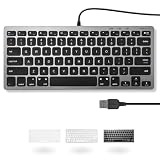
- A VERSATILE COMPACT KEYBOARD: Our computer keyboard will be an essential addition to your workstation as it will boost productivity, save space, and look great on any desk. Also, its size is great for on the go!
- EASY SETUP: Begin typing in the matter of seconds! Our mini keyboard is true plug and play, so if your computer or laptop has a USB port you are all set. A 4'7" cable gives you enough length to comfortably connect to your computer or laptop.
- COMPATIBLE WITH MAC & WINDOWS: Regardless of what operating system you use, it will work great as a mac wired keyboard or PC keyboard.
- ONE TOUCH SHORTCUT KEYS: With 13 shortcut keys like (cut/copy/paste/iTunes/etc.) for Mac and multimedia hotkeys for Windows, you will be able to effortlessly control your typing experience with the USB keyboard.
- PURCHASE WITH CONFIDENCE: At Macally we stand behind our products and are here to help when you need us. We are confident you will be satisfied with our compact keyboard as it is backed with up to 2 years of warranty and LIFETIME tech support.
When reinstalling the driver will not help
- Only one or two keys fail: dirt, liquid damage, a failed switch, or a keyboard layout setting is more likely than a driver problem.
- The keyboard fails before Windows loads: test it in the firmware or BIOS screen. If it does not work there, Windows drivers are not the cause.
- A laptop’s internal keyboard fails but USB keyboards work: check the manufacturer’s hardware diagnostics and service documentation.
- A wireless keyboard repeatedly disconnects: investigate batteries, distance, interference, receiver placement, and Bluetooth pairing.
- Special keys stopped working: reinstall the manufacturer’s control software as well as the basic keyboard driver.
FAQ
Will uninstalling a keyboard driver delete the keyboard permanently?
No. Uninstalling the device removes its current Windows device installation. After a restart, Windows normally detects the keyboard and installs a compatible driver again.
Do I need to download a driver before uninstalling the keyboard?
Usually not. Windows commonly has a compatible keyboard driver locally or reinstalls one during startup. Download the manufacturer’s driver first if the keyboard needs special functions or Device Manager cannot restore it.
What if my keyboard does not work after I uninstall it?
Restart the computer first. If it still does not return, open Device Manager with a mouse, select Action, and choose Scan for hardware changes. You can also reconnect the keyboard to another USB port or test it on another computer.
Do these 3 things before closing this tab:
1Scan for outdated or missing drivers - takes under a minute2Clear out junk files and repair common Windows errors3Fix the driver behind crashes, sound loss and screen glitchesShould I delete files from the Windows drivers folder?
No. Microsoft’s normal procedure is to uninstall the device in Device Manager, restart, and scan for hardware changes if necessary. Manually deleting driver files can damage other device installations.
Can Windows Update reinstall a keyboard driver?
It can, but Windows Update might not have a newer or separate keyboard driver available. Device Manager’s automatic search and the keyboard or computer manufacturer’s support page are useful alternatives.
Is this procedure different for Windows 10?
The Device Manager and Windows Update paths are substantially the same. However, Microsoft ended normal free Windows 10 support on October 14, 2025, so upgrading to a supported Windows release is advisable where the hardware allows it.
The Bottom Line
For most keyboard problems, use Device Manager > Keyboards > right-click the keyboard > Uninstall device, restart Windows, and run Action > Scan for hardware changes if it does not return. Use the manufacturer’s driver for keyboards with special features, and reserve PnPUtil for cases where the normal Device Manager process cannot remove a known faulty package.
Quick Recap
Product prices and availability are accurate as of the date/time indicated and are subject to change. Any price and availability information displayed on Amazon at the time of purchase will apply.

