
Crashes, No Sound, or Screen Glitches?
Random freezes, missing sound and display glitches usually trace back to one bad driver. Find and replace yours safely.Free scan · under a minutePC Slower Than It Used to Be?
A free scan shows the junk files, broken settings and background clutter dragging Windows down - then fixes them in one click.Free scan · Windows 10 & 11iTechGuides is reader-supported. When you buy through links on our site, we may earn an affiliate commission. As an Amazon Associate I earn from qualifying purchases. Learn more
When wholesale gas prices rise, electricity can become more expensive because gas-fired power stations often set the marginal price paid in the electricity market. The increase is not one-for-one: your bill also contains network charges, policy costs, taxes, supplier operating costs and a standing charge, and suppliers may have bought energy weeks or months earlier. The most reliable response is to cut the biggest electricity loads, move flexible consumption to cheaper hours when your tariff rewards it, and reduce the heating or cooling your home needs through insulation and air sealing.
Why a gas-price spike can raise an electricity bill
Electricity markets usually dispatch the least-cost available generators first. When demand is high or lower-cost generation is insufficient, a gas-fired generator may be the marginal unit: the last generator needed to meet demand and therefore a major influence on the wholesale price paid to generators. A higher gas input cost can then lift wholesale electricity prices even for households that do not use gas directly.
The pass-through is partial and delayed. Retail suppliers buy electricity at different times and use different hedging strategies, so a wholesale fall or rise may take months to appear on a household tariff. Your bill also includes costs that gas prices do not directly determine.
| Bill component | What it pays for | How a gas-price rise usually affects it |
|---|---|---|
| Energy or wholesale supply | Electricity purchased for customers | Often rises when gas sets the marginal market price |
| Network charges | Transmission and local distribution infrastructure | Set by regulation or network tariffs; not an immediate one-for-one pass-through |
| Policy and industry costs | Public programs, market administration and related obligations | Change under local rules and billing periods |
| Supplier operating costs and margin | Metering, billing, customer service, credit costs and business margin | Set by supplier terms and regulation |
| Taxes and standing charge | Tax obligations and fixed account or connection costs | Usually unaffected by how many kilowatt-hours you save |
The European Commission reported that the energy component averaged nearly 49% of household electricity bills in Europe in 2024, meaning roughly half of the bill was not the electricity-energy component. In Great Britain, a UK House of Commons Library breakdown of the April–June 2025 price-cap bill attributed 45% to wholesale energy, 20% to networks, 15% to operating, debt and industry costs, 11% to policy, 5% to VAT, 4% to supplier margin and 1% to other costs. These percentages describe specific jurisdictions and periods, not a universal bill formula.
#1 Best Overall

- Save up to 23% every year on heating and cooling costs, adjusts to your set schedule to save energy when you’re gone and optimize comfort when you’re home. Compared to a hold of 72
- Compatible with 85% of systems, check your system’s compatibility with our online ecobee Compatibility Checker on the ecobee support page
- Change your temperature by easily tapping the color touchscreen or using the ecobee app. Plus, free software upgrades ensure you get the best out of your Smart Thermostat Essential, for years to come
- Automatically adjusts to your set schedule to save energy when you’re gone and optimize comfort when you’re home. Keep track of your energy consumption when you're on the go on the ecobee app
- Easy DIY install. No C Wire, no problem. Get the ecobee Power Extender Kit (PEK) for homes without a C-Wire and keep your walls looking nice with our trim kit – both sold separately
Reducing consumption can lower the usage-based part of your bill, but it cannot remove a standing charge. That distinction matters when estimating savings.
Start with your own bill and meter data
Before buying equipment or changing suppliers, establish how your household is charged and when it uses electricity. A smart meter may provide half-hourly or hourly data; otherwise use the kWh readings and billing periods on recent statements.
- Record the tariff details. Write down the unit rate per kWh, standing charge, tariff type, contract end date, exit fee and any time-of-use periods.
- Collect recent usage. Enter at least 12 months of kWh where available so seasonal heating and cooling changes are visible. If you have less history, note the number of billing days beside each reading.
- Separate fixed and variable costs. Estimate the standing-charge total for a year, then identify the portion that changes with kWh consumption.
- Look for daily patterns. On a smart-meter portal, identify morning and evening peaks, overnight baseload and unusual spikes while the home is empty.
- List the largest loads. Note the heating and cooling system, water heater, refrigerator or freezer, EV, pool or spa equipment, electric cooking appliances and any workshop equipment.
This baseline prevents a common mistake: spending on small plug-in devices while overlooking an electric heater, water cylinder or poorly insulated room that runs for hundreds of hours.
Quick wins for a faster PC:
Fix the driver behind crashes, sound loss and screen glitchesFind Drivers →Repair Windows errors before they cause bigger problemsFix Now →Scan for outdated or missing drivers - takes under a minuteDriver Scan →Choose a tariff that matches your real behavior
A cheaper headline unit rate is not necessarily a cheaper annual bill. Compare the complete schedule, including every rate band, standing charge, taxes, contract terms, exit fees and any automation requirement.
| Tariff type | Best fit | Main benefit | Main risk |
|---|---|---|---|
| Flat or single-rate | Households with little ability to change timing | Simple budgeting and no peak/off-peak decisions | You pay the same usage rate regardless of when appliances run |
| Time-of-use | Households that can move substantial use to published off-peak periods | Lower prices at designated times | Peak-period use can erase savings if schedules are not changed |
| Dynamic or market-linked | Households willing to monitor prices or automate equipment | Can capture very low-price periods when wholesale prices fall | Greater volatility, more complex billing and potential high-price intervals |
Model the tariff against your interval data rather than assuming all usage can move. A household that shifts only a few lighting loads may save little, while one that can schedule an EV, water heater and laundry may benefit materially. Ofgem’s price-cap protection applies to standard-variable tariffs in its jurisdiction; it does not apply to fixed contracts, business contracts, heat networks or heating-oil users. Check your local regulator because protections and eligibility differ by country.
Rank #2

- An Alexa thermostat - Amazon Smart Thermostat is an easy way to switch from a traditional thermostats for homes and help reduce energy usage.
- Create comfort zones throughout your home by connecting to select Alexa devices to automatically adjust heating and cooling based on temperature readings or presence detection.
- Save money and energy - After purchase, Amazon will send you an email with details about home thermostat rebates that may be available from energy providers in your area.
- Save energy - According to EPA estimates, ENERGY STAR certified thermostats save an average of $90 on yearly energy bills.
- Programmable thermostat and automatic control - Create your own home, away and sleep schedules, or have Alexa automatically control the temperature with Alexa+ advanced features.
Reduce the largest electricity loads first
Heating and cooling
Heating and cooling generally dominate household energy use. Set weather-appropriate temperatures, close doors between conditioned and unconditioned spaces, and avoid conditioning empty rooms. Check filters, outdoor-unit airflow and thermostat placement so the system does not run longer than necessary. If rooms have different schedules, use zoning or room controls where the equipment supports them.
ENERGY STAR identifies heating and cooling as consuming more energy than any other household appliance and describes smart thermostats as a strong opportunity for automatic savings. A certified model can reduce heating or cooling while people are asleep or away, then restore the schedule before they return. Verify wiring, system type and any heat-pump-specific control requirements before installation.
Hot water
Electric water heating can be a major continuous load. Insulate accessible hot-water pipes and the storage tank where local safety rules permit, repair dripping hot taps, and use a temperature setting recommended by the manufacturer or health authority. If your tariff has an off-peak water-heating period, configure the heater or its timer to use that window while preserving enough hot water for household demand. Do not disable required anti-legionella or other safety cycles on a heat-pump or storage system.
Refrigeration and always-on equipment
Keep refrigerator and freezer coils clear, check door seals and allow air circulation around the appliance. Replace failing or unusually warm-running units rather than relying on a smart plug to cycle them. A refrigerator must remain powered continuously; schedule-control advice applies to suitable noncritical loads, not food-safety equipment.
Cooking, laundry and dishwashing
Use full loads, select efficient cycles and air-dry dishes or clothing when practical. These loads are easier to shift than heating: run them in the off-peak window if your tariff rewards it, but do not leave an appliance operating unattended when the manufacturer warns against it.
Rank #3

- PRIVACY PROTECTION*: Sensi won’t sell your personal information to third parties
- EASY DIY INSTALLATION: Use the built-in level and step-by-step app instructions for a quick installation. Works with HVAC equipment found in most homes. Common wire (c-wire) is not required in most applications
- SAVE ABOUT 23% ON HVAC ENERGY*: The ENERGY STAR-certified Sensi smart thermostat can help you save energy with features like flexible scheduling, remote access and usage reports
- SIMPLE CONFIGURATION: Looks and feels like a thermostat. Has buttons and fits the same space as a traditional thermostat so you don’t have to patch and paint your walls
- SMART MAINTENANCE: Sensi can help monitor the performance and efficiency of your HVAC system by delivering valuable usage reports, alerts about your equipment, and maintenance reminders like filter replacement
Electric vehicles and other large flexible loads
EV charging, pool pumps, spas, workshop tools and battery charging can often be scheduled. Set a minimum state of charge, departure time and temperature or safety limit first; then allow the charger or appliance to select lower-price hours. A schedule that misses a required departure or causes equipment to run during a high-price emergency period is not a saving.
Free tools Windows power users keep installed
One-click scans. No signup required.
Make the building need less heating and cooling
Efficiency controls cannot compensate for a leaky or poorly insulated building. Inspect the loft or attic, exterior walls, floors, windows, doors, ducts and visible pipework. Look for draughts around openings, compressed or missing insulation, duct losses in unconditioned spaces and blocked ventilation.
The US Department of Energy recommends an “envelope-first” strategy: air sealing and insulation can be among the lower-cost ways to reduce heating and cooling demand and can prepare a home for efficient electrification. Seal appropriate cracks and service penetrations, weather-strip doors, and insulate to the level recommended for your climate and building type. Do not block intentional ventilation, combustion-air openings or moisture-management paths.
Professional assessment is worthwhile when you have dampness, combustion appliances, inaccessible cavities or uncertain insulation materials. Correct moisture and ventilation problems before adding insulation. In a rental, ask the landlord or property manager about permitted work and available programs.
Use smart controls without sacrificing comfort or safety
A smart thermostat is useful only when it is compatible with your heating or cooling system and its schedule matches occupancy. Confirm whether your system is a heat pump, multi-stage furnace, hydronic system, electric resistance heater or another type; controls designed for one system can operate another incorrectly.
Recommended Free Tools
Rank #4

- EASY DIY INSTALLATION: Do it yourself fast with a built-in level and simple step-by-step instructions. Works with the HVAC equipment found in most homes
- COMMON WIRE REQUIREMENTS: Common wire(C-Wire) required for heat pump and heat/cool only systems. C-wire not required on most systems
- SAVE ABOUT 23% ON HVAC ENERGY: ENERGY STAR-certified and packed with features that help you save money, including flexible scheduling, geofencing, remote access and usage reports
- PRIVACY PROTECTION: Sensi won’t sell your personal information to third parties or leverage your thermostat activity data for targeting or advertising purposes
- CONTROL FROM ANYWHERE: The top-rated mobile app for Android and iOS devices makes it easy to control your comfort from a smartphone or tablet
- Program sleep and away periods rather than making constant manual changes.
- Use gradual temperature setbacks appropriate to the equipment. Some heat pumps need different control logic from conventional systems.
- Keep a comfortable recovery time before occupants return.
- Check that remote access, geofencing and learning features can be disabled if they conflict with household routines.
- Review energy reports after installation; a connected thermostat is not proof of savings by itself.
Smart plugs and power strips can measure or disconnect suitable standby loads such as entertainment systems, printers and computer peripherals. Do not place refrigerators, medical devices, heating equipment, networking equipment that must remain online, or other critical loads on a schedule without confirming that interruption is safe.
Shift flexible use into cheaper hours
Time shifting reduces the price paid for a kWh; it does not reduce the kWh itself. It works best when a sizeable load can move without reducing comfort, safety or productivity.
- Identify the low-price window. Use the tariff’s official schedule or the dynamic supplier signal. Check daylight-saving changes and weekends.
- Rank movable loads. Start with EV charging, electric water heating, laundry, dishwashing and some heat-pump operation.
- Automate where possible. Set the appliance, charger or energy-management system to respect departure times and minimum temperatures.
- Keep an override. Allow a manual charge or heating boost when illness, travel or extreme weather changes demand.
- Review the result. Compare interval usage and the bill after one or two billing cycles, including any peak-period penalties.
UK Department for Energy Security and Net Zero modeling in a 2025 consultation estimated savings of over £200 per year for some households avoiding peak periods on a market-linked tariff, more than £250 per year for some heat-pump households using a smart tariff flexibly, and around £330 per year as a typical modeled saving for EV drivers using smart charging. These are modeled UK examples, not guarantees; actual results depend on rates, load size, automation and behavior.
Independent reader supportYour contribution helps us test, update, and keep practical guides available for everyone.Take the low-cost secondary measures
Lighting
Replace frequently used incandescent or halogen lamps with certified LED bulbs. ENERGY STAR says certified LEDs use up to 90% less energy and last up to 15 times longer than standard bulbs. Match the base, brightness, color temperature, dimmer compatibility and enclosed-fixture rating. Replacing a rarely used lamp will have little effect, so start with lights that operate for many hours.
The Tool Desk
Outbyte PC Repair FREEClear out junk files and repair common Windows errorsFree Scan →Outbyte Driver Updater FREEFix the driver behind crashes, sound loss and screen glitchesFind Drivers →Standby and idle electronics
Use a switched power strip or a metering smart plug for entertainment equipment, chargers and computer peripherals that can safely be disconnected. Measure first when possible; some devices use negligible standby power, while others remain warm or network-active around the clock. Never interrupt equipment that provides medical support, security, refrigeration or required communications.
Best Value
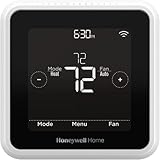
- High use of the scheduling feature of the T5 thermostat saved customers between 8 and 16% on heating and cooling bills. Dollar savings range based on nationwide average annual single-family detached home's heat and cooling bills; actual savings varies based on consumption.
- Save Energy and Get Rewarded. Check with your energy provider about available energy savings rebates to save on your purchase. Plus, eligible customers can enroll in their local Utility's "DEMAND RESPONSE PROGRAM" which can reward you for allowing the utility to slightly adjust your AC or furnace temperature settings when there is high energy demand.
- 7-Day Flexible Scheduling or Location Based Temperature Control. It’s your choice. 7-day scheduling programs your thermostat. Geofence technology helps make you comfortable by using your smartphone’s location to know when you’re away and when you return.
- Auto Home and Away Mode. Enjoy ideal temperatures at home, then save when away.
- ENERGY STAR certified. Help save energy, track your heating and cooling with monthly energy reports and get personalized tips on reducing energy use.
Appliance settings and maintenance
Clean filters, clear vents, maintain seals and use eco modes where they meet your needs. Maintenance will not overcome an inefficient system, but it can prevent avoidable runtime and premature replacement.
Check rebates and assistance before purchasing
Rebates, tax credits, weatherization support and utility programs vary by country, state or province, utility territory, income, property type, equipment eligibility and funding round. The same heat pump or insulation project may qualify in one postcode and not another.
- Use your government energy-assessment or rebate tool and save the eligibility result.
- Ask the utility whether it offers demand-response enrollment, off-peak water heating, appliance rebates or home audits.
- Confirm whether an approved contractor, pre-installation inspection, efficiency rating or permit is required.
- Check whether the incentive is a point-of-sale discount, tax credit, reimbursement or limited fund.
- Obtain written quotes that separate equipment, labor, electrical work, disposal and follow-up service.
Do this before signing a contract. An advertised rebate that has expired, requires a specific certification or cannot be combined with another incentive should not be counted in your payback calculation.
Compare actions by impact, cost and risk
| Action | Potential bill effect | Upfront cost | What to verify |
|---|---|---|---|
| Air sealing and insulation | Reduces heating and cooling kWh | Moderate to high, often eligible for assistance | Moisture, ventilation, climate zone, contractor quality and rebate rules |
| Smart thermostat | Reduces or schedules heating and cooling runtime | Low to moderate | System compatibility, wiring, schedule and data privacy settings |
| Time-of-use or dynamic tariff | Moves cost to lower-priced hours; may not reduce kWh | Usually low switching cost | Full rate table, standing charge, volatility, exit fee and automation needs |
| Smart EV or water-heater control | Shifts a large flexible load | Low to moderate, depending on equipment | Departure time, minimum charge, safety cycles and connectivity |
| LED bulbs | Reduces lighting kWh | Low | Hours of use, fitting, dimmer and fixture compatibility |
| Smart plug or power strip | Measures or cuts suitable standby loads | Low | Electrical rating and whether interruption is safe |
A practical 30-day plan
- Days 1–3: Photograph or download your bills, record kWh, rates, standing charge and contract date, and request interval data if available.
- Days 4–7: List every major load and note its schedule. Check filters, refrigerator seals, hot-water settings and obvious draughts.
- Week 2: Compare your current tariff with flat, time-of-use and dynamic alternatives using your actual usage pattern. Include all fixed charges and contract terms.
- Week 3: Implement no-cost scheduling, full-load washing, standby control and weather-appropriate thermostat settings. Move one large flexible load first so the result is measurable.
- Week 4: Obtain an official assessment for insulation, air sealing, a heat pump or a major appliance; check incentives before purchasing. Review the next bill or interval report and keep changes that deliver verified savings.
Common mistakes and how to avoid them
- Assuming every gas-price increase appears immediately. Retail timing depends on supplier procurement and regulation; compare bills over several periods.
- Choosing a tariff from the headline rate. Include standing charges, every peak band, taxes, exit fees and the amount of usage you can actually shift.
- Focusing on tiny plug loads first. Heating, cooling, hot water and insulation normally offer a larger opportunity.
- Over-tightening a home. Preserve required ventilation and address combustion safety and moisture before sealing or insulating.
- Automating without guardrails. Set minimum temperatures, EV departure times, water-heater safety cycles and manual overrides.
- Counting a modeled saving as a promise. The UK figures above are scenario estimates; your rates, climate, equipment and behavior determine the result.
- Buying before checking assistance. Eligibility may depend on certification, income, property, installer, timing or available funds.
What to expect when wholesale prices fall again
Efficiency and load-shifting measures remain useful after a gas-price spike. A better-insulated home needs less energy in every season, a smart schedule can reduce unnecessary runtime on any tariff, and flexible loads give you more options when rate differences return. Recheck tariffs and incentives periodically rather than assuming today’s rate structure or program rules will remain unchanged.
Quick Recap
Product prices and availability are accurate as of the date/time indicated and are subject to change. Any price and availability information displayed on Amazon at the time of purchase will apply.

