
Free tools Windows power users keep installed
One-click scans. No signup required.
iTechGuides is reader-supported. When you buy through links on our site, we may earn an affiliate commission. As an Amazon Associate I earn from qualifying purchases. Learn more
El Niño can increase the odds of a wetter winter in parts of the southern United States, but it cannot tell you whether your address will flood. Prepare for the hazards that can occur where you live: intense rain, overwhelmed drains, sewer backup, rising groundwater, power loss and evacuation. Check current National Weather Service and NOAA outlooks, use FEMA’s flood maps as one source of context, follow local alerts, and complete home and household preparations before a storm is approaching.
What El Niño means for flood preparation
El Niño is a Pacific climate pattern that changes the position and strength of the jet stream and the path of winter storms. NOAA says its typical U.S. pattern includes milder weather in northern areas and wetter conditions across parts of the southern tier during winter. The effect varies by year and location.
The NOAA Climate Prediction Center discussion dated September 17, 2026, described above-normal precipitation chances across portions of the southern and central contiguous United States for fall and winter 2026–27. That is a seasonal probability, not a rainfall total, storm warning or prediction for an individual property. Outlooks are updated, so check the latest CPC discussion and local National Weather Service forecasts rather than treating an El Niño headline as a flood alert.
Flooding can occur outside mapped high-risk areas. Ready.gov’s plain-language warning is: “Where it can rain it can flood.” Local drainage, terrain, soil, development, nearby rivers and past events can matter more to a particular home than the broad climate pattern.
#1 Best Overall

- Outstanding Performance: This sump pump battery backup system delivers 2500W pure sine wave output, supporting dual-pump operation (1 HP main + 1/3 HP backup). Includes a USB port and AC outlet, ideal for emergency use and a home prone to heavy rainfall
- Quick Plug-In Setup: Say goodbye to risky wiring. This sump pump battery backup inverter features a standard 3-prong plug for quick and secure installation. It reduces errors and electrical hazards. Just plug in, and you're ready
- Battery-Friendly Charging: Equipped with 3-stage charging (Bulk, Absorption, Float), this basement protection sump pump inverter automatically optimizes battery performance and service life. Compatible with 12V Lead-acid, AGM, Gel, and LiFePO4 batteries
- Real-Time Display: Stay informed with an LCD screen and LED indicators. This pure sine wave power inverter allows you to monitor voltage, battery level, and working status easily. Control with confidence
- Security Comes First: Designed with security in mind, this back up system for emergency includes built-in protection against overcurrent, overvoltage, short circuit, reverse polarity, and high temp. A circuit breaker adds another layer of safeguards
Build a local risk picture before the rainy season
Use maps without treating them as a safety guarantee
Search for your address in FEMA’s Flood Map Service Center. Note whether the property is near a mapped floodplain, river, coastal area or drainage channel, and ask your local planning or emergency-management office whether maps or evacuation zones have changed. A lower mapped risk means insurance and mitigation decisions may differ; it does not mean water cannot reach the property.
Also learn what has happened locally. Ask neighbors or the landlord where water has entered before, whether streets become impassable, and which drains or underpasses fill first. Identify the lowest parts of the lot, the location of floor drains and sump pits, and any backflow history.
Maps may not show a blocked culvert, a recently paved surface, a failed retaining wall or water that collects in a driveway. Take dated photographs of existing cracks, drainage features and valuable contents. They can help you notice changes and support an insurance claim, but they do not replace an inspection or an official warning.
Quick wins for a faster PC:
Scan for outdated or missing drivers - takes under a minuteDriver Scan →Repair Windows errors before they cause bigger problemsFix Now →Subscribe to warnings and identify where you will go
Sign up for county, city or tribal emergency alerts and enable wireless emergency alerts on your phone. Keep a battery-powered or battery-backup NOAA Weather Radio if cellular service is unreliable. Write down the route to a higher-ground destination and at least one alternate route; do not rely on a road that routinely floods. Include a destination outside the evacuation area and a plan for pets, children, older adults and anyone who needs medical equipment.
Ask in advance how officials communicate an evacuation order, shelter opening or boil-water notice. Save the emergency-management website and utility outage number offline. If you have limited mobility, arrange transportation before a warning is issued rather than assuming public transit, elevators or rideshare service will operate.
Prepare the building and its contents
Clear paths for water to drain
- Remove leaves and sediment from gutters, downspouts, roof drains and street-facing drains.
- Make sure downspouts discharge away from the foundation where local rules allow, without sending water onto a neighbor’s property.
- Check that window wells, exterior stairwells and area drains are free of debris.
- Have a qualified professional inspect cracked foundations, damaged retaining walls or drainage changes that could direct runoff toward the structure.
Do this work before a forecast storm. Climbing on a wet roof or working near fast-moving water is unsafe.
Do not remove a grate, redirect a public drain or place debris in a channel. Local rules may control where roof and sump discharge can go. If runoff from an uphill property repeatedly enters your home, document the pattern and contact the local public-works or building department instead of improvising a potentially harmful diversion.
Rank #2

- System comes preassembled and preplumbed so that installation is simple and quick
- Reliable design with durable ½ HP energy efficient copper-wound Permanent Split Capacitor (PSC) motor for long life and savings on your electric bills
- Includes a WiFi-capable battery backup system that provides 24-hour-a-day monitoring of pump, power and battery conditions; backup controller will sound an alarm, illuminate a warning light and describe what to do for easy maintenance
- Allows for connection to a Basement Watchdog CONNECT Module (BW-WiFi2—a SEPARATE PURCHASE), giving you real-time alerts via text, email, push notification or through the Basement Watchdog free app
- Provides days of intermittent pumping power on a single battery charge and is compatible with both maintenance-free AGM and wet-cell batteries. Connect two batteries in parallel for double the runtime.
Raise and protect important belongings
Move medications, food, electronics, heirlooms, passports, birth certificates, insurance records and other irreplaceable items above the highest level water could plausibly reach. Keep paper originals in a waterproof container and retain encrypted or password-protected digital copies in a separate location. Do not store critical documents only on a device that could be lost with the home.
Move portable appliances, chemicals and fuel away from likely water paths. If utilities or appliances are in a basement, ask a licensed professional whether elevation or relocation is feasible and code-compliant. Never attempt to move a gas, electrical or heavy mechanical connection yourself.
A waterproof document case, water alarm and NOAA Weather Radio can support a broader plan, but each has a limited job. A case protects records only if it is sealed and kept where rising water cannot carry it away; an alarm helps only when its sensor, batteries and sound or notification path work; a radio needs fresh batteries or another reliable power source.
Choose mitigation for the way water can enter
There is no universal flood-proofing device. Match any improvement to the failure mode, the existing infrastructure and the time available to maintain it. A qualified plumber, electrician or mitigation contractor can identify code requirements and safe installation details.
| Mitigation | Addresses | What to verify | Limitations |
|---|---|---|---|
| Backflow or check valve | Water returning through a sewer or drain line | Whether the building’s plumbing can accept one, access for cleaning, local permit and inspection rules | It does not stop groundwater, surface runoff or water entering through walls, doors or windows; it may need regular maintenance. |
| Sump pump | Groundwater collected in a sump pit | Existing pit and discharge route, pump capacity, float operation, alarm and safe electrical connection | It depends on power and a clear discharge path; a pump cannot remove water that enters faster than its capacity. |
| Battery-backed sump system | Groundwater during a power outage | Battery type, expected runtime, recharge method, alarm, pump compatibility and maintenance schedule | Runtime is finite, batteries age, and the system still requires a suitable sump pit and discharge line. |
| Water alarm | Early detection near a sump, appliance, basement or low doorway | Audibility, sensor placement, battery status and whether alerts work during an internet or power outage | It warns you; it does not remove water or make evacuation unnecessary. |
| Temporary barriers or sandbags | Limited surface runoff at selected doors or openings | Correct placement, available labor, disposal and local guidance | They are temporary, can be overtopped or bypassed, and are ineffective against many sewer, groundwater or structural-entry routes. |
Compare options by the water route they address, whether your property already has a sump pit or compatible plumbing, installation and permit requirements, dependence on electricity, battery runtime, maintenance and whether the measure is temporary or permanent. A battery-backup sump pump is useful only when the pump, pit, discharge line and battery are compatible. Ask how often the battery must be tested or replaced and whether an alarm still sounds during an outage. A higher-capacity pump is not automatically safer if the discharge route is blocked or undersized.
Test a sump float and alarm before the rainy period, keep the discharge outlet clear, and follow the manufacturer’s maintenance instructions. Never connect a pump or other equipment through an unsafe extension-cord arrangement. Do not block a drain, cover a vent or seal an opening in a way that creates a gas, fire or structural hazard. A product’s label or marketing claim is not a guarantee that a home will remain dry.
Review flood insurance before a threat
Standard homeowners and renters insurance generally does not cover flood damage. NOAA and Ready.gov guidance describes a 30-day waiting period for flood insurance, although policy terms and exceptions must be confirmed with the insurer or the National Flood Insurance Program (NFIP). A policy bought after a storm is forecast may not protect you for that event.
Rank #3

- 【CONTINUOUS POWER】The Cantonape 2000 Watt Sump Pump Backup Battery System is a professional backup system in case of a power outage, featuring pure sine wave output, 2000 watts of powerful power output, LED display and 3 AC outputs, which produces a seamless, grid-like power output that is resistant to interference, can drive any type of load (resistive and inductive loads), has the highest conversion efficiency, and the lowest losses, and is therefore safer for all types of loads.
- 【CHARGING MODE】The 2000W sump pump backup battery system has a built-in 20A battery charger, which supports fast charging. In the event of a power outage, this sump pump battery backup system can quickly auto-switch to battery inverter power, ensuring continuous sump pump operation.
- 【LED DISPLAY】The Cantonape sump pump battery backup system is equipped with LED display, you can instantly monitor vital information such as battery voltage and AC voltage. Enjoy confident and informed decision-making every step of the way!
- 【SAFETY IN USE】The Cantonape sump pump battery backup system has a built-in cooling system and overload protector, as well as multiple protection functions such as overheat protection, short circuit protection, low voltage protection, overcharge protection, etc., which not only improves the safety of use, but also extends the service life of the device.
- 【MULTIPLE APPLICATIONS】Our sump pump battery backup system also works as a power inverter for many applications requiring backup power. You can use it to operate various electric devices, including lights, mobile phones, monitors, and other equipment. This inverter doesn't come with battery, a 12V GEL, AGM/SLA, Flooded/Wet battery is required for backup power operation.
Ask specifically what counts as a flood, which belongings and building systems are covered, how basements are treated, and what exclusions, deductibles and limits apply. Renters should ask about contents coverage even when the building owner insures the structure. Keep the declarations page, agent contact information and inventory with your protected records. Photograph or video valuable contents before the rainy period and store the files securely.
Windows Errors? Fix Them Before They Spread
Repair common Windows errors and clear accumulated junk for a smoother, more stable PC - no reinstall needed.Free scan · no reinstallCrashes, No Sound, or Screen Glitches?
Random freezes, missing sound and display glitches usually trace back to one bad driver. Find and replace yours safely.Free scan · under a minuteFlood coverage is a financial safeguard, not a substitute for moving people to safety. Confirm whether your policy covers temporary living expenses, debris removal and cleanup, and ask how soon a claim must be reported. If you are in a condominium or multifamily building, determine which damage is the association’s responsibility and which items require your unit-owner or renters policy. Do not assume that a mapped low-risk zone eliminates the need to ask about coverage.
Assemble a household and pet plan
Pack supplies so you can leave quickly or remain safely without power for a period directed by local officials. Include:
- Prescription and essential over-the-counter medicines, glasses and mobility or medical-device supplies.
- Drinking water, shelf-stable food, a manual can opener and supplies for infants or dietary needs.
- Flashlights, spare batteries, phone chargers and a battery bank.
- Copies of identification, insurance information, emergency contacts and a written medication list.
- Sturdy shoes, gloves, masks, basic first-aid supplies, sanitation items and several changes of clothing.
- Pet food, water, carriers, leashes, medicines, identification and vaccination records.
Choose an out-of-area contact. Decide how family members will reconnect if local networks are congested, where children will be picked up and who can check on a person or pet who is alone. If you rent, save the landlord or property manager’s emergency number and learn which shutoffs you may operate safely.
Keep a small go-bag accessible rather than in a basement or locked storage room. Include spare keys, a paper map, cash if available, hearing-aid supplies and chargers for essential equipment. Tell a trusted neighbor how to reach you and what assistance you may need, but do not ask anyone to enter floodwater or a damaged building on your behalf.
What’s actually slowing this PC down?
Pick the symptom - the matching free tool is one click away.
What to do when flooding threatens
Use official instructions as the decision trigger
- Monitor local emergency alerts, National Weather Service warnings and official evacuation instructions. A seasonal El Niño outlook is not a reason to evacuate by itself.
- Leave when ordered. Take medicines, documents, phones, chargers, pets and the supplies you prepared.
- Do not drive around barricades or through water. Water can hide a washed-out road, move a vehicle or contain contaminants and live electrical hazards.
- If officials advise sheltering, move to an upper level only if the structure is sound and the route is safe. Never enter a basement or enclosed low area that is taking on water.
Do not walk through moving water, even if it appears shallow. Floodwater can conceal open manholes, debris, animals and downed power lines. If your vehicle stalls, stay inside if remaining there is safer than entering the water and call for help; follow instructions from emergency officials.
Reduce electrical and carbon-monoxide hazards
Keep away from floodwater and from wet electrical equipment. Do not touch a breaker, appliance, extension cord or other equipment while standing in water; wait for qualified utility or electrical personnel when power must be isolated.
Rank #4

- Maintenance free - no need to add battery fluid or distilled water
- Up to 40-hour protection (based on a 10% duty cycle) on the Basement Watchdog Big Dog (BWD12-120C+)
- Up to 48-hour protection (based on a 10% duty cycle) on the Basement Watchdog Special + (BWSP+) and Basement Watchdog Big Combination sump pump system (BW4000, CITS-50)
- Up to 80-hour protection (based on a 10% duty cycle) on the Basement Watchdog Emergency (BWE) and Basement Watchdog Combination sump pump system (DFK961, CITE-33)
- Runs various Basement Watchdog sump pump systems intermittently for days
Use generators, grills, camp stoves and other fuel-burning equipment only outdoors. FEMA’s 2025 information sheet specifies placing generators at least 20 feet from windows, doors, garages and other building openings, with exhaust directed away from the building. Never use such equipment in a basement, garage, porch or other partially enclosed space.
Return and clean up safely
Wait for an official all-clear
Do not return just because rain has stopped or a road looks passable. Officials may need to check bridges, gas lines, electrical systems, drinking water and structural damage. Keep away from downed wires, damaged buildings, moving water and displaced wildlife.
Document damage before discarding items
When authorities say entry is safe, photograph and video each affected room and item. Make a written inventory, retain receipts for emergency work and contact the insurer promptly. Do not make permanent repairs that hide damage before the insurer has a reasonable chance to inspect, but take reasonable steps to prevent further loss when safe. Keep receipts and notes about who performed emergency work.
Assume water and mold may be hazardous
Floodwater can contain sewage, chemicals, sharp debris and other contaminants. Wear waterproof gloves, sturdy boots, eye protection and a suitable mask when guidance permits cleanup. Keep children and pets out of the area. Do not assume tap water is safe; follow local health-department or utility instructions about boiling, bottled water and private wells.
Dry wet materials quickly when it is safe and power has been cleared, but do not enter a building with visible structural damage or a strong mold odor. People with asthma, allergies, immune suppression or other medical vulnerabilities should avoid mold cleanup and ask a health professional about exposure.
Independent reader supportYour contribution helps us test, update, and keep practical guides available for everyone.Special considerations for renters and multifamily homes
Renters cannot usually alter plumbing, foundations or utilities. Report leaks, blocked drains, failed sump pumps and damaged windows to the landlord in writing, and keep copies. Ask where emergency shutoffs are, whether the building has a flood response plan, which entrances or elevators close first and where residents should assemble. Do not enter a mechanical room or operate a shutoff unless the property manager or emergency officials say it is safe.
In an apartment or condominium, store documents and electronics above floor level, learn more than one exit and plan for elevators to be unavailable. Confirm whether the building’s insurance covers only the structure; your own contents and temporary-living coverage may require a renters or unit-owner policy.
Best Value
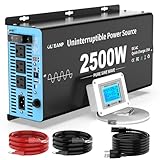
- 【Designed for Basement Flood Protection & Emergency Preparedness】: Protect your home from flooding during hurricanes, heavy rainstorms, and unexpected power outages. This sump pump battery backup system automatically switches from grid power to battery power, ensuring uninterrupted water removal and continuous basement protection. Ideal for homeowners in flood-prone areas and finished basement properties.
- 【Acts as a Reliable Emergency Backup Power Source (Battery Not Included)】: Serves as a dedicated emergency backup solution for primary or secondary sump pump systems. When utility power fails, it instantly transfers to 12V deep cycle battery power (battery required, not included) and automatically recharges when power is restored. Compatible with LiFePO4, AGM, GEL, and Flooded deep-cycle batteries.
- 【Built-in 25A Smart Charger with Multi-Stage Battery Protection】:Features a high-speed 25A charger with selectable charging modes to optimize battery lifespan. Includes overcharge, low voltage, overload, short circuit, and overheat protection. Designed for long-term reliability during storm season and emergency situations.
- 【2500W Pure Sine Wave Output – Safely Powers Sump Pumps & Essential Devices】: Delivers stable pure sine wave power capable of running sump pumps smoothly and efficiently without damaging sensitive equipment. With 3 AC outlets, USB port, and Type-C port, it can also support essential household devices during outages.
- 【LCD Remote Monitoring & Easy Installation】: Includes a remote controller with LCD display to monitor battery voltage, load status, and operating mode in real time. Supports wall mounting or flat placement with simple AC and DC connections — no complicated rewiring required. Trusted by homeowners, property managers, and contractors seeking dependable flood prevention solutions.
A practical timing checklist
Several weeks before the rainy period
- Check the FEMA map, local flood history, evacuation zones and alert registrations.
- Review flood insurance and the policy waiting period with an insurer or NFIP resource.
- Arrange professional inspection of drainage, sump, backflow and utility-elevation needs.
- Clear gutters and drains; repair roof, window and door defects.
- Build the household go-bag, protect records and photograph valuables.
When a heavy-rain or flood watch is issued
- Charge phones and battery banks; test alarms, radios, flashlights and the sump backup.
- Move belongings and vehicles from low areas if officials advise it.
- Secure outdoor furniture and loose objects without entering dangerous water or wind.
- Confirm the evacuation route, destination, transportation and pet arrangements.
During and after flooding
- Follow alerts and orders; avoid floodwater and barricaded roads.
- Use generators only outdoors, at least 20 feet from building openings.
- Return only after an official all-clear, then document damage and follow water-safety guidance.
Common mistakes to avoid
- Waiting for an El Niño forecast to name your risk. Seasonal probabilities cannot replace local warnings and knowledge of drainage or past floods.
- Reading a low-risk map zone as “no risk.” Rainfall, drainage failures and changes to the landscape can flood places outside mapped high-risk areas.
- Buying a pump or barrier without checking the failure mode. Sewer backup, groundwater and surface runoff require different responses.
- Using a generator in a garage or near a door. Carbon monoxide can enter the building even when the garage door is open.
- Entering water to save property. Contamination, hidden currents, debris and electricity can turn a small flood into a life-threatening event.
- Assuming insurance will cover flood damage. Verify coverage and waiting periods before a storm exists on the horizon.
Frequently Asked Questions
Does El Niño mean my home will flood?
No. El Niño shifts seasonal odds and often brings wetter winter conditions to parts of the southern United States, but effects vary by year and location. Use the latest NOAA Climate Prediction Center outlook, local National Weather Service forecasts, flood maps and local alerts to judge current conditions.
Can a home outside a FEMA high-risk zone still flood?
Yes. Ready.gov warns that where it can rain it can flood. Intense rain, blocked drains, runoff, sewer backup, changing development and groundwater can affect properties outside mapped high-risk areas. Treat FEMA’s Flood Map Service Center as one source of context, not a safety guarantee.
Is a battery-backup sump pump worth buying?
It may help when groundwater enters a home through a sump pit during a power outage. Before buying, verify that the property has a suitable pit and discharge route, that the pump and battery are compatible, and that capacity, runtime, alarms, recharge needs and maintenance fit your situation. Professional advice may be needed.
Do these 3 things before closing this tab:
1Repair Windows errors before they cause bigger problems2Scan for outdated or missing drivers - takes under a minute3Clear out junk files and repair common Windows errorsWill sandbags stop floodwater?
Sandbags or temporary barriers can help with limited surface runoff at selected openings when placed correctly. They can be overtopped or bypassed and generally do not solve sewer backup, groundwater, seepage through walls or water entering elsewhere. Follow local guidance and never delay evacuation to deploy them.
When should I buy flood insurance?
Review it well before a threat. Standard homeowners and renters policies generally do not cover flood damage, and NOAA and Ready.gov describe a 30-day waiting period, subject to policy terms and exceptions. Ask an insurer or NFIP resource about coverage, deductibles, limits, basement rules and temporary-living benefits.
How far from my house should a generator be?
FEMA’s 2025 information sheet specifies at least 20 feet from windows, doors, garages and other building openings, with exhaust directed away from the building. Never operate a generator, grill or camp stove in a garage, basement, porch or other partially enclosed space.
What should I do if floodwater enters my home?
Follow local instructions, leave when ordered and avoid touching wet electrical equipment or standing in water near appliances. Do not enter a basement that is taking on water. Return only after an official all-clear, then document damage, contact your insurer and follow local drinking-water and cleanup guidance.
Recommended Free Tools
What extra steps should renters take?
Ask the landlord or property manager about prior flooding, emergency shutoffs, sump systems, building evacuation plans and which entrances or elevators close first. Report leaks and blocked drains in writing. Protect your contents and documents above floor level and confirm that your renters policy covers belongings and temporary living expenses.
The Bottom Line
El Niño is a seasonal climate signal, not an address-level flood forecast. Use current local alerts and forecasts, FEMA maps, and knowledge of your property’s drainage and past flooding. Clear water paths, protect records and medicines, match mitigation to the way water enters, review flood insurance early, and prepare for power loss and evacuation. If flooding begins, people come before property: follow officials, avoid floodwater and return only after an all-clear.
Quick Recap
Product prices and availability are accurate as of the date/time indicated and are subject to change. Any price and availability information displayed on Amazon at the time of purchase will apply.

