
iTechGuides is reader-supported. When you buy through links on our site, we may earn an affiliate commission. As an Amazon Associate I earn from qualifying purchases. Learn more
The safest hurricane plan in Mexico starts before a warning: learn your address’s flood and slope risks, identify the shelter and evacuation route designated by local Protección Civil, repair obvious weaknesses, clear drainage, prepare a reachable emergency backpack, and agree on household roles. During an event, current instructions from local Protección Civil, the Servicio Meteorológico Nacional (SMN), and the Coordinación Nacional de Protección Civil (CNPC) take priority over any general checklist.
Why a Mexico-specific plan matters
Hurricanes and other tropical cyclones can combine damaging wind, intense rain, coastal flooding, river flooding and, in some locations, slope movement. The right action depends on your municipality, elevation, drainage, building condition and the official instructions issued for that event. A family in a sturdy inland house may face a different decision from a family in a lightweight dwelling near a river, coast or steep hillside.
CENAPRED’s 29 May 2026 seasonal guidance says an average of five cyclones affect Mexico each year: three from the Pacific and two from the Gulf of Mexico and Caribbean. CENAPRED does not present that average as a prediction for a particular season, state or neighborhood, and the cited material does not state the averaging period. Use it as context, not as a reason to delay preparation.
Quick wins for a faster PC:
Clear out junk files and repair common Windows errorsFree Scan →Scan for outdated or missing drivers - takes under a minuteDriver Scan →Repair Windows errors before they cause bigger problemsFix Now →The practical objective is not to make a house “hurricane-proof” with one product. It is to reduce preventable damage, leave early when authorities direct you to, and keep people supplied and contactable if power or communications fail.
#1 Best Overall
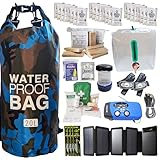
- Comprehensive Hurricane Kit: This pre-packed hurricane kit includes all the essential hurricane preparedness items for home safety, such as a hurricane lantern, hurricane food, and a hurricane radio weather radio, ensuring you are fully prepared for any emergency.
- Waterproof and Durable Bag: Conveniently packed in a waterproof bag, this hurricane emergency kit is designed to protect your hurricane supplies for home from water damage, ensuring that all your essential hurricane preparedness items remain dry and functional.
- Designed for Two People: Our hurricane kit emergency for home is thoughtfully designed to cater to the needs of two people, including enough hurricane preparedness items food, water and hurricane lights for indoor use, providing peace of mind for you and your loved ones.
- Essential Hurricane Gear: This kit includes a variety of essential hurricane items such as a led hurricane camping lantern, hurricane phone charger, and emergency hurricane supplies to ensure that you have all the necessary tools for effective hurricane preparedness.
- Emergency Communication Tools: Stay informed with the included hurricane radio weather radio, an indispensable part of your hurricane supplies. This radio ensures that you receive critical updates and alerts, making it a vital component of your hurricane emergency kit.
1. Find your local hazard and evacuation information
Ask Protección Civil about your exact address
A national article cannot determine whether your home should evacuate. Contact the Protección Civil authority in your municipality or state and ask whether the address is exposed to flooding, storm-surge effects, overflowing channels or slope movement. Ask which routes remain usable during heavy rain and which temporary shelters are designated for your area.
Record the answers in your household plan rather than relying on a phone search during a warning. Include the shelter’s name, the route you would use, an alternative route, and a meeting point in case household members are separated.
Take fragile or lightweight housing seriously
CENAPRED’s hurricane guidance specifically tells people in fragile, lightweight homes to plan to leave and identify a shelter. A house that looks dry and calm before landfall can become unsafe when wind, flying debris or rising water affects its walls, roof or foundation. If an official order applies to your neighborhood, leave according to the instructions instead of waiting to see whether the storm “looks bad.”
Do these 3 things before closing this tab:
1Repair Windows errors before they cause bigger problems2Scan for outdated or missing drivers - takes under a minute3Clear out junk files and repair common Windows errorsSeparate wind, flood and slope decisions
- Wind exposure: focus on roof, window, wall and loose-object hazards.
- Flood exposure: prioritize evacuation information, higher ground or the designated shelter, and protection of documents and medicines from water.
- Slope exposure: treat official warnings about landslides or unstable ground as an evacuation issue, not merely a home-repair issue.
These are planning distinctions, not a product ranking. A window covering that might reduce broken glass does not make a flood-prone or unstable location safe.
2. Write and practise a family protection plan
CENAPRED’s “Salva tu vida y tu patrimonio” guidance recommends turning preparation into a household plan. Write it down, assign responsibilities and practise it before an alert.
- Map exits and routes. Draw the normal exit from each room, the safest way out of the property and the route to the designated shelter. Mark an alternative route in case the first is flooded or blocked.
- Choose a meeting point. Select one location near home and one location outside the immediate area. Make sure every household member knows the names and addresses, not just a landmark that could be hard to recognize in rain.
- List official and family contacts. Write local Protección Civil, shelter information when available, relatives and a contact outside the affected area. Keep a paper copy with the emergency backpack because mobile networks, internet and electricity may fail.
- Assign tasks. Decide who collects the backpack, who checks on children or older adults, who brings medicines and documents, and who accounts for pets. Do not assign a task that a person cannot safely perform during an evacuation.
- Plan for care needs. Note mobility assistance, communication needs, medical equipment, prescription schedules, infant supplies and pet carriers or leashes. Pack these items where they can be reached without searching through storage.
- Practise the plan. Walk the exits and route, rehearse gathering at the meeting point and check how long it takes to leave. Update the plan when someone moves, a child grows, a medication changes or the local shelter list changes.
Keep the plan with your important documents and review it as part of routine household risk checks. CENAPRED also places water, electricity and gas installations within that broader review; repairs beyond ordinary household maintenance should be handled by qualified help.
Rank #2

- 72 HOUR EMERGENCY KIT FOR 2 PEOPLE WITH FOOD AND WATER: Includes 2 emergency food bars totaling 4800 calories and 12 sealed drinking water pouches to support hydration and energy during disasters. Designed for emergency preparedness, survival kits, earthquake kits, and evacuation planning.
- COMPLETE DISASTER SURVIVAL KIT WITH SHELTER AND WARMTH: Equipped with 2 emergency ponchos and 2 survival blankets to help protect against rain, wind, and cold conditions. Critical gear for outdoor emergencies, power outages, and shelter in place situations.
- FIRST AID KIT AND SAFETY PROTECTION SUPPLIES: Features a 33 piece first aid kit, dust masks, and nitrile gloves to support basic medical care and protection from debris and airborne particles. Essential for emergency response, injury care, and disaster safety.
- EMERGENCY LIGHTING AND SIGNALING TOOLS INCLUDED: Comes with 2 long lasting 12 hour lightsticks and a safety whistle for visibility and communication in low light or rescue situations. Ideal for blackout emergencies, nighttime evacuation, and search scenarios.
- COMPACT BACKPACK FOR GRAB AND GO EVACUATION: Lightweight emergency backpack keeps all survival supplies organized and ready for fast response. Perfect for home emergency kits, car emergency kits, office preparedness, and bug out bags.
3. Inspect and repair the building before hurricane season
Roof, windows and walls
Walk around the property in calm weather and look for visible damage, loose components, leaks, cracked or deteriorated walls and windows that do not close properly. Arrange appropriate repairs rather than relying on an improvised treatment or a single consumer product. CENAPRED’s concise instruction is: “Repara techos, ventanas y paredes para evitar daños mayores.” (Repair roofs, windows and walls to prevent greater damage.) The statement appears in CENAPRED’s 7 September 2017 hurricane-preparation guidance.
Crashes, No Sound, or Screen Glitches?
Random freezes, missing sound and display glitches usually trace back to one bad driver. Find and replace yours safely.Free scan · under a minutePC Slower Than It Used to Be?
A free scan shows the junk files, broken settings and background clutter dragging Windows down - then fixes them in one click.Free scan · Windows 10 & 11The guidance does not define a universal engineering standard or certify that a particular shutter, tape, board or sealant will protect every Mexican home. If damage affects structural elements, obtain an assessment from a suitably qualified professional and follow local building and safety requirements.
Roof drainage and ground drainage
Clear the roof, gutters or drains, floor drains (coladeras), nearby storm drains and adjacent drainage channels. Remove leaves, mud and rubbish that could block the path of rainwater. Do this before the forecast becomes urgent, when ladders and roof access are safer and maintenance can be completed without working in strong wind.
Inspect the drainage route beyond your property as well. CENAPRED’s checklist includes nearby channels because water can back up even when a private drain is clear. Report blocked public infrastructure to the responsible local authority rather than entering moving water or attempting a risky repair during a storm.
Loose objects and hazardous chemicals
Bring movable outdoor objects inside or secure them so wind cannot turn them into projectiles. Consider furniture, tools, containers, decorative items and anything stored on a roof or balcony. CENAPRED also advises placing fertilizers and insecticides somewhere protected from floodwater. Keep chemicals sealed, separated from food and inaccessible to children.
Water, electricity and gas installations
Include these installations in the family risk review. Look for visible damage, leaks or unsafe conditions, but do not improvise technical repairs. Ask qualified personnel for work that exceeds normal household maintenance. During an emergency, follow the instructions of local authorities and utility providers; do not shut off or restore a service in a hazardous area merely because a checklist says to do so.
Rank #3

- COMPLETE 4-PERSON DISASTER SUPPLY KIT: Built to support four people for up to 72 hours with emergency food, drinking water, first aid, shelter, lighting, hygiene and survival gear packed together in one portable backpack for fast access at home or work.
- FOOD & WATER FOR 3-DAY PREPAREDNESS: Includes four 2,400-calorie emergency food bars and four 1-liter Aqua Literz cartons, plus survival blankets, ponchos and lightsticks to help support your household during outages, evacuations and major disasters.
- FIRST AID & SAFETY ESSENTIALS: Includes a 107-piece first aid kit, safety goggles, nitrile gloves, leather work gloves, biohazard bags, hygiene supplies and an emergency whistle to help support personal protection and comfort when conditions turn chaotic.
- POWER, LIGHTING & SURVIVAL TOOLS: Hand-crank emergency power station combines flashlight, AM/FM radio, siren and cell phone charging, while a multi-function tool, duct tape and emergency lightsticks add practical support for blackouts and evacuations.
- BUILT FOR HOME, WORK & EVACUATION: Grab-and-go 4-person emergency backpack is ideal for earthquake kits, hurricane supplies, wildfire evacuation, blackout preparedness, offices, vehicles and family disaster planning when critical supplies must move fast.
4. Assemble a reachable mochila de emergencia
CENAPRED uses the phrase “Mochila de emergencia” for an emergency backpack that can be taken quickly. Put it where the planned exit route begins, not in a locked cabinet, roof space or vehicle that may be inaccessible. Protect papers and medicines from water with sealed bags or containers, while keeping the pack light enough for the person assigned to carry it.
| Category | What to include | Planning note |
|---|---|---|
| Identification and records | Identification, copies of important documents, household contacts and emergency numbers | Carry copies and keep originals secured according to your family’s normal document practice. |
| Water and food | Bottled water and nonperishable food | CENAPRED sources use different planning durations: some mention water for two days, while general backpack material refers to 48 or 72 hours. Follow current local guidance and size the supply for household members and conditions rather than treating one number as universal. |
| Health | First-aid supplies and necessary household medicines | Include prescription medicines and any items required by children, older adults or people with disabilities. |
| Information and light | Battery-powered radio, flashlight and spare batteries | A radio can provide information when internet, television or telephone networks are unavailable. Check batteries before the season and store spares in a dry package. |
| Basic repairs | Simple emergency-repair tools | Pack only tools someone in the household can use safely; they are not a substitute for structural repair. |
| Personal needs | Clothing, personal-hygiene items, spare keys and cash | Choose clothing and hygiene supplies for the people who may actually evacuate. |
| Dependents and pets | Child-care items, older-adult or disability supplies, and pet food or handling equipment | Keep pet records and carriers or leashes ready if the shelter rules require them. |
Check the backpack periodically. Replace expired food and medicines, test the flashlight and radio, refresh batteries, update contacts and resize clothing or care supplies as household needs change. Keep a second small set of essential medicines or documents only when your medical and document practices allow it; do not remove the primary supplies from the evacuation pack.
5. What to do when a hurricane threatens
When forecasts or alerts begin
- Check current information from SMN, CNPC and local Protección Civil. Forecast tracks, rainfall and shelter availability are location- and time-sensitive, so old screenshots or social-media messages are not enough.
- Confirm the designated shelter, route and meeting point. Tell every household member what has changed and keep the written plan accessible.
- Move the emergency backpack to the exit route. Place document copies, medicines, keys and cash where they can be collected without searching.
- Bring loose outdoor items inside or secure them. Move fertilizers and insecticides to a place protected from floodwater.
- Finish only safe maintenance that can be completed before dangerous conditions. Do not climb onto a roof, work near exposed wiring or enter floodwater because a drain or window still needs attention.
If an evacuation order is issued
Follow the order and leave by the route provided by authorities. People in fragile or lightweight housing and those in flood-prone or slope-risk locations should treat evacuation planning as a life-safety priority. Take the backpack, required medicines, documents, children’s supplies and pet equipment that the household plan identifies; do not delay departure to protect replaceable possessions.
A general checklist cannot tell you whether a particular road or shelter is open. Use the latest local instructions, and expect routes and shelter arrangements to change as conditions develop.
If authorities have not ordered evacuation
Continue monitoring official information and the conditions around the property. The absence of an order is not a guarantee that every house is safe, especially where flooding or slope movement is possible. If local officials direct a change, the official direction supersedes this general preparation sequence.
Independent reader supportYour contribution helps us test, update, and keep practical guides available for everyone.6. Keep information working when networks fail
CENAPRED’s emergency-backpack material explains why a battery-powered radio belongs in the kit: it can work without internet, television or telephone networks. Store it with spare batteries and learn the controls before the season. A flashlight is separate from the radio so that you can receive information while preserving light for movement.
Rank #4

- [7400mWh (2000mAh) POWER BANK WILL KEEP DEVICES POWERED] The FosPower FOSPWB-2376 emergency radio incorporates a 7400mWh (2000mAh) power bank capable of providing emergency power to any small tablet or phone.
- [3 POWER SOURCES POWER WHEN YOU NEED IT] Use the emergency weather radio's 3 power sources when you need a boost of power or need to recharge the radio. The radio's crank lever and solar panel are both capable of regenerating enough power to keep the radio, lights, and SOS alarm ready to go when you need it most. AAA Batteries ensure you have power when not able to regenerate power.
- [2 LIGHT SOURCES ALWAYS POWERED] The emergency crank radio can also provide light. The 4 LED reading light and 1W flashlight provides enough output to keep you and your loved ones out of the dark in an emergency situation.
- [NOAA EMERGENCY WEATHER BROADCAST ACCESS] The radio will dependably receive up to the second emergency weather forecasts and emergency news broadcasts from NOAA and AM/FM stations.
- [LIMITED LIFETIME WARRANTY] Includes a Limited Lifetime Warranty. Please visit FosPower's website for more information.
Write contacts on paper in addition to storing them in phones. Include accents and alternate spellings of shelter or municipality names if they could prevent confusion. Nominate one family contact outside the immediate hazard area and agree on a brief message format, but do not assume a call or data connection will go through. Follow official broadcasts and local Protección Civil notices rather than forwarding unverified warnings.
Recommended Free Tools
7. Adapt the plan to the people and animals in your home
Children
Give children a simple role, such as carrying a labeled small bag or staying with a named adult. Pack familiar food, hygiene items and any medication they need. Explain the meeting point and shelter plan in language they understand, without asking them to make an evacuation decision alone.
Older adults and people with disabilities
Identify mobility, hearing, vision, communication and medication needs in the written plan. Assign a specific helper and a backup helper. Check that the planned route, transport and shelter can accommodate those needs; ask Protección Civil for current local arrangements rather than assuming every shelter has identical facilities.
Pets
Include food, water, medicines, identification information, a carrier or leash and cleaning supplies as appropriate. Decide in advance who handles each animal. Confirm shelter rules with local authorities because a family’s preferred shelter may have specific arrangements for animals.
8. Common preparation mistakes and better choices
- Waiting for a named storm: seasonal maintenance is safer and easier before a forecast becomes urgent.
- Assuming one product solves the risk: repairs, drainage, hazard assessment and evacuation planning address different failure modes; no universal window covering, generator or flood barrier is endorsed for every Mexican home in the cited guidance.
- Using a generic water number: CENAPRED materials cite different durations. Follow current local advice and account for household size, care needs and conditions.
- Keeping the kit inaccessible: a backpack in a locked, high or distant location cannot serve its purpose during a rapid departure.
- Protecting property after an order: once authorities direct evacuation, delaying for possessions increases exposure. Take the essentials identified in the plan and leave.
- Relying on memory: stress makes forgotten contacts, medicines and keys more likely. Use a written plan and practise it.
- Following old information: older CENAPRED checklists remain useful for general preparation, but live forecasts, evacuation orders and shelter availability must be checked again during the event.
9. A printable Mexico hurricane checklist
Before hurricane season
- Ask local Protección Civil about flood, drainage and slope risks at your address.
- Record the designated shelter, primary and alternate routes, meeting points and official contacts.
- Inspect and arrange appropriate repairs for the roof, windows and walls.
- Clear the roof, gutters or drains, coladeras, storm drains and nearby channels.
- Review water, electrical and gas installations; obtain qualified help for technical repairs.
- Secure storage for fertilizers and insecticides away from floodwater.
- Write household roles and practise the evacuation plan.
- Assemble and test the emergency backpack, including radio, flashlight and spare batteries.
When a storm threatens
- Monitor SMN, CNPC and local Protección Civil updates.
- Confirm the shelter and route, and tell all household members.
- Bring in or secure loose objects.
- Move documents, medicines and the backpack to the planned exit.
- Prepare children’s, older adults’ and disability-related supplies, plus pet equipment.
- Leave promptly if an official evacuation order applies.
After the event
Use current local instructions before returning or attempting repairs. A property that appears intact can still have electrical, gas, structural, drainage or slope hazards. Treat any return, inspection or cleanup as a new decision based on official information and the conditions at the site.
Free tools Windows power users keep installed
One-click scans. No signup required.
Official guidance to keep current
CENAPRED’s relevant publications include “Temporada de ciclones tropicales y lluvias intensas. Pronóstico y medidas generales de preparación” (29 May 2026), “Ante huracanes prepararnos es nuestra responsabilidad” (7 September 2017), “Medidas de autoprotección ante el embate de ciclones tropicales” (4 July 2018), “Mochila de emergencia. ¡Prepárala!” (6 July 2018), “Salva tu vida y tu patrimonio” (15 February 2018), and the official leaflet “Ciclones tropicales: Elabora tu Plan Familiar de Protección Civil ante el impacto de un Ciclón Tropical.” The leaflet’s publication date is not stated in the cited material.
Use those institutional recommendations for preparation, but check SMN, CNPC and local Protección Civil again at publication time and throughout a storm. Local warnings and shelter information can change faster than any general guide.
Quick Recap
Product prices and availability are accurate as of the date/time indicated and are subject to change. Any price and availability information displayed on Amazon at the time of purchase will apply.

